Thailand Expat Work Visa Guide: What's Changed and What You Actually Need
Lifestyle
Thailand Expat Work Visa Guide: What's Changed and What You Actually Need
Updated visa rules, required documents, and insider tips for foreigners working legally in Thailand today.
Summary
Thailand's work visa rules have shifted, here's what expats in Bangkok actually need to know to stay compliant in 2026.
If you've been paying attention to the news lately, you know that Thailand's government has been getting serious about cracking down on foreigners working illegally. The thailand expat jobs crackdown isn't just headlines anymore. It's showing up in real life, from immigration checkpoints at coworking spaces to stricter enforcement at popular digital nomad hangouts along Sukhumvit. Whether you're teaching English near Ari BTS, running a remote startup from a condo in Thong Lor, or freelancing from a cafe on Soi Rambuttri, this stuff matters. Let's break down what's actually changed, what you need to stay legal, and how it affects where and how you live in Bangkok.
The Crackdown Is Real, and It's Not Just Talk
Over the past year, Thai immigration and labor officials have ramped up inspections at offices, language schools, and even coworking spaces in areas like Asoke, Ekkamai, and Silom. There have been well documented raids at a few popular spots near Nana BTS where foreigners were found working without proper permits. The penalties are steep: fines up to 100,000 THB, detention, deportation, and a potential ban on re-entry.
This isn't targeting everyone equally. The focus has been on people working on tourist visas or overstaying education visas while earning income. A friend of mine was freelancing from a serviced apartment on Soi 24, paying around 25,000 THB a month, and got a visit from labor officials after his building's juristic office flagged a complaint. He had no work permit. He had to leave the country within two weeks.
The message from Thai authorities is clear: if you're earning money in Thailand, you need the right paperwork. The days of quietly working on a tourist visa and doing border runs every 60 days are winding down fast.
What Visa and Work Permit Do You Actually Need?
The most common legal path for expats working in Thailand is the Non-Immigrant B visa combined with a work permit. Your employer typically sponsors both. If you're working for a Thai company, they handle the application through the Ministry of Labour. The process takes a few weeks, and you'll need documents like your degree certificate, a passport with at least 18 months validity, and a medical certificate from a Thai hospital.
For digital nomads and remote workers, Thailand introduced the Long-Term Resident (LTR) visa and the older Smart Visa program. The LTR visa is a 10 year option for high-income professionals earning at least 80,000 USD per year. It comes with a digital work permit, which means you can legally work remotely from your condo near Phrom Phong BTS without needing a Thai employer to sponsor you.
There's also the BOI (Board of Investment) route for startups. If you're launching a tech company and can get BOI approval, the visa and work permit process becomes significantly smoother. A couple I know went this route and now run their SaaS business legally from a two-bedroom condo at The Lumpini 24 on Sukhumvit Soi 24, paying about 45,000 THB a month.
If you're teaching, most reputable language schools and international schools will handle your Non-B visa and work permit. Just be careful with smaller operations that promise to "sort it out later." That's exactly the kind of situation the crackdown is targeting.
How This Affects Where You Rent
Here's something most visa guides won't tell you: your rental situation is directly connected to your legal status. When you sign a lease in Thailand, your landlord is legally required to file a TM30 form reporting your address to immigration within 24 hours. If you're on a proper visa, this is routine. If you're not, it creates a paper trail that can trigger questions.
Buildings with professional management, like those along the Sukhumvit corridor between Asoke and Ekkamai, tend to be strict about TM30 compliance. That's actually a good thing if you're legal, because it means fewer headaches at your 90 day immigration check-in. If you're looking for a reliable guide to renting a condo in Bangkok, understanding TM30 obligations is step one.
Some expats on proper work permits choose to live near their office in areas like Sathorn or Silom, where one-bedroom condos at places like The Address Sathorn run around 22,000 to 35,000 THB per month. Others prefer the lifestyle around Thong Lor and pick spots like Noble Remix near Thong Lo BTS, typically going for 18,000 to 28,000 THB for a studio or one-bedroom.
Practical Steps to Stay on the Right Side
First, get your visa sorted before you sign a lease. It sounds obvious, but plenty of people fly into Suvarnabhumi, grab a 60 day tourist stamp, sign a 12 month condo lease near On Nut BTS for 12,000 THB a month, and then figure they'll "deal with the visa later." That's exactly the profile that's getting flagged now.
Second, keep your 90 day reporting up to date. You can do it online through the immigration bureau's website, though the system is famously unreliable. Many expats just go to the Chaeng Watthana immigration office or use an agent. If you've recently moved condos, check out this move-in checklist to make sure you're covering all the administrative details.
Third, keep copies of everything. Your work permit, visa stamps, TM30 receipts, lease agreement, and employer letter should all be accessible on your phone. If an official ever asks, you want to produce documents immediately, not scramble through email threads.
What About Freelancers and Remote Workers?
This is the gray area that's getting grayer. Technically, if you're sitting in a Bangkok cafe doing design work for a client in New York, Thai labor law says you need a work permit. Enforcement has historically been lax, but the thailand expat jobs crackdown is changing the calculus. The LTR visa is the cleanest solution if you qualify based on income.
If you don't meet the 80,000 USD threshold, some freelancers are setting up Thai companies with BOI certification. Others use the Elite Visa for legal residency, though it doesn't technically grant work permission. It's a complex situation, and getting proper legal advice from a Thai immigration lawyer is worth the 5,000 to 15,000 THB consultation fee.
A designer I know was working remotely from a studio at Ideo Mobi Sukhumvit near On Nut, paying 11,000 THB a month. After hearing about enforcement actions at nearby coworking spaces, she applied for the LTR visa and now has total peace of mind. She still works from the same condo. She just sleeps better at night.
The bottom line is simple. Thailand still wants expats here. The country benefits enormously from foreign talent and spending. But the rules are tightening, and the enforcement is catching up. Get your paperwork right, choose your living situation wisely, and you can enjoy everything Bangkok has to offer without looking over your shoulder. If you're searching for a condo that fits your new life setup, Superagent can help you find the right place fast, with AI-powered search that actually understands what expats need.
If you've been paying attention to the news lately, you know that Thailand's government has been getting serious about cracking down on foreigners working illegally. The thailand expat jobs crackdown isn't just headlines anymore. It's showing up in real life, from immigration checkpoints at coworking spaces to stricter enforcement at popular digital nomad hangouts along Sukhumvit. Whether you're teaching English near Ari BTS, running a remote startup from a condo in Thong Lor, or freelancing from a cafe on Soi Rambuttri, this stuff matters. Let's break down what's actually changed, what you need to stay legal, and how it affects where and how you live in Bangkok.
The Crackdown Is Real, and It's Not Just Talk
Over the past year, Thai immigration and labor officials have ramped up inspections at offices, language schools, and even coworking spaces in areas like Asoke, Ekkamai, and Silom. There have been well documented raids at a few popular spots near Nana BTS where foreigners were found working without proper permits. The penalties are steep: fines up to 100,000 THB, detention, deportation, and a potential ban on re-entry.
This isn't targeting everyone equally. The focus has been on people working on tourist visas or overstaying education visas while earning income. A friend of mine was freelancing from a serviced apartment on Soi 24, paying around 25,000 THB a month, and got a visit from labor officials after his building's juristic office flagged a complaint. He had no work permit. He had to leave the country within two weeks.
Continue reading after that.
Looking for a condo
to rent?
Leave your name and phone. We'll follow up while you keep reading.
100% Secure
Fast Response
Free Consultation
The message from Thai authorities is clear: if you're earning money in Thailand, you need the right paperwork. The days of quietly working on a tourist visa and doing border runs every 60 days are winding down fast.
What Visa and Work Permit Do You Actually Need?
The most common legal path for expats working in Thailand is the Non-Immigrant B visa combined with a work permit. Your employer typically sponsors both. If you're working for a Thai company, they handle the application through the Ministry of Labour. The process takes a few weeks, and you'll need documents like your degree certificate, a passport with at least 18 months validity, and a medical certificate from a Thai hospital.
For digital nomads and remote workers, Thailand introduced the Long-Term Resident (LTR) visa and the older Smart Visa program. The LTR visa is a 10 year option for high-income professionals earning at least 80,000 USD per year. It comes with a digital work permit, which means you can legally work remotely from your condo near Phrom Phong BTS without needing a Thai employer to sponsor you.
There's also the BOI (Board of Investment) route for startups. If you're launching a tech company and can get BOI approval, the visa and work permit process becomes significantly smoother. A couple I know went this route and now run their SaaS business legally from a two-bedroom condo at The Lumpini 24 on Sukhumvit Soi 24, paying about 45,000 THB a month.
If you're teaching, most reputable language schools and international schools will handle your Non-B visa and work permit. Just be careful with smaller operations that promise to "sort it out later." That's exactly the kind of situation the crackdown is targeting.
How This Affects Where You Rent
Here's something most visa guides won't tell you: your rental situation is directly connected to your legal status. When you sign a lease in Thailand, your landlord is legally required to file a TM30 form reporting your address to immigration within 24 hours. If you're on a proper visa, this is routine. If you're not, it creates a paper trail that can trigger questions.
Buildings with professional management, like those along the Sukhumvit corridor between Asoke and Ekkamai, tend to be strict about TM30 compliance. That's actually a good thing if you're legal, because it means fewer headaches at your 90 day immigration check-in. If you're looking for a reliable guide to renting a condo in Bangkok, understanding TM30 obligations is step one.
Some expats on proper work permits choose to live near their office in areas like Sathorn or Silom, where one-bedroom condos at places like The Address Sathorn run around 22,000 to 35,000 THB per month. Others prefer the lifestyle around Thong Lor and pick spots like Noble Remix near Thong Lo BTS, typically going for 18,000 to 28,000 THB for a studio or one-bedroom.
Practical Steps to Stay on the Right Side
First, get your visa sorted before you sign a lease. It sounds obvious, but plenty of people fly into Suvarnabhumi, grab a 60 day tourist stamp, sign a 12 month condo lease near On Nut BTS for 12,000 THB a month, and then figure they'll "deal with the visa later." That's exactly the profile that's getting flagged now.
Second, keep your 90 day reporting up to date. You can do it online through the immigration bureau's website, though the system is famously unreliable. Many expats just go to the Chaeng Watthana immigration office or use an agent. If you've recently moved condos, check out this move-in checklist to make sure you're covering all the administrative details.
Continue reading after that.
Looking for a condo
to rent?
Leave your name and phone. We'll follow up while you keep reading.
100% Secure
Fast Response
Free Consultation
Third, keep copies of everything. Your work permit, visa stamps, TM30 receipts, lease agreement, and employer letter should all be accessible on your phone. If an official ever asks, you want to produce documents immediately, not scramble through email threads.
What About Freelancers and Remote Workers?
This is the gray area that's getting grayer. Technically, if you're sitting in a Bangkok cafe doing design work for a client in New York, Thai labor law says you need a work permit. Enforcement has historically been lax, but the thailand expat jobs crackdown is changing the calculus. The LTR visa is the cleanest solution if you qualify based on income.
If you don't meet the 80,000 USD threshold, some freelancers are setting up Thai companies with BOI certification. Others use the Elite Visa for legal residency, though it doesn't technically grant work permission. It's a complex situation, and getting proper legal advice from a Thai immigration lawyer is worth the 5,000 to 15,000 THB consultation fee.
A designer I know was working remotely from a studio at Ideo Mobi Sukhumvit near On Nut, paying 11,000 THB a month. After hearing about enforcement actions at nearby coworking spaces, she applied for the LTR visa and now has total peace of mind. She still works from the same condo. She just sleeps better at night.
The bottom line is simple. Thailand still wants expats here. The country benefits enormously from foreign talent and spending. But the rules are tightening, and the enforcement is catching up. Get your paperwork right, choose your living situation wisely, and you can enjoy everything Bangkok has to offer without looking over your shoulder. If you're searching for a condo that fits your new life setup, Superagent can help you find the right place fast, with AI-powered search that actually understands what expats need.
Share this article
Properties you may like
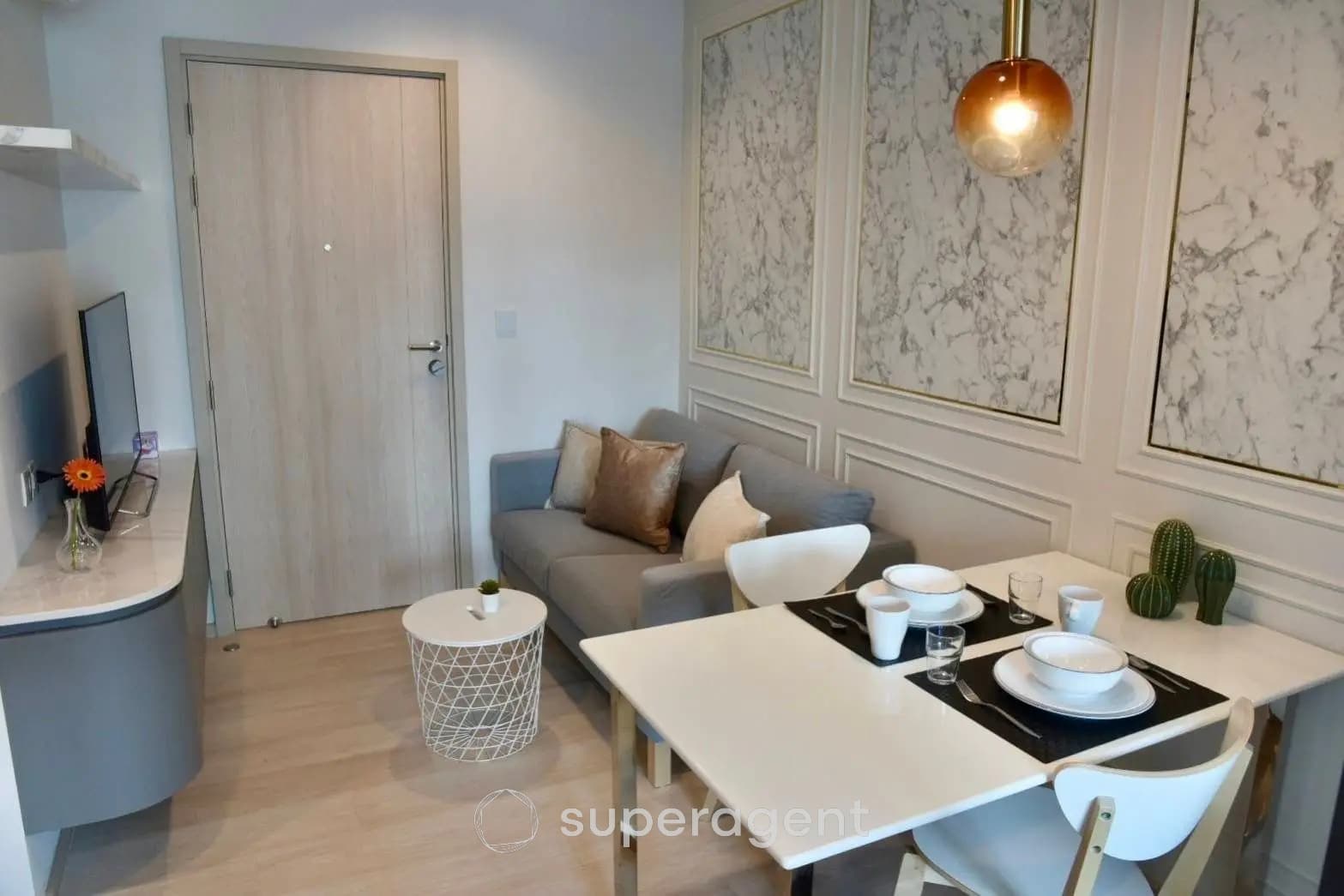
฿24,000
1 Bed135 sqm
1-BR Condo at Life One Wireless near BTS Phloen Chit
Ploenchit
Condo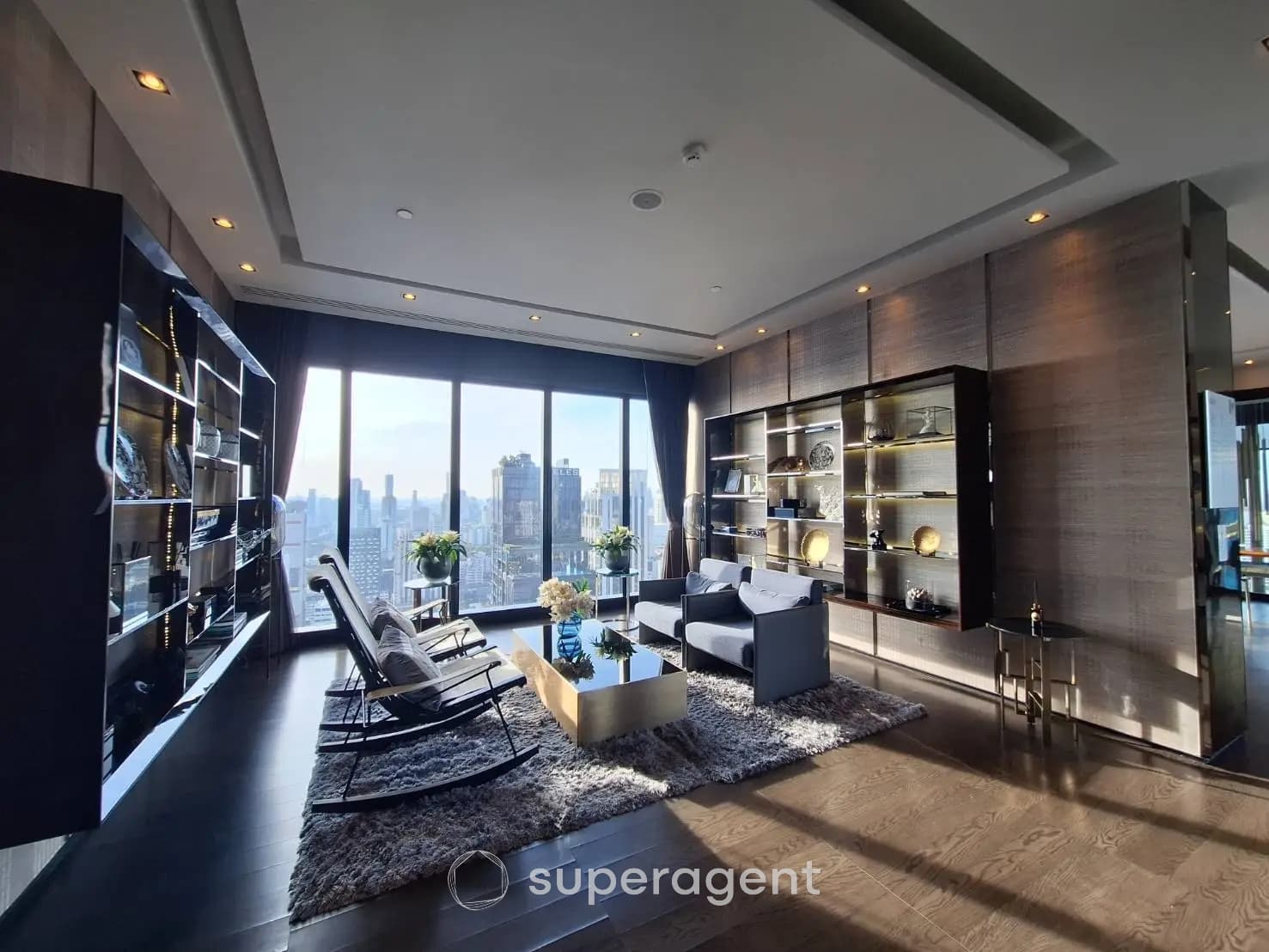
฿25,000
1 Bed133 sqm
1-BR Condo at Ashton Asoke near MRT Sukhumvit
Asoke
Condo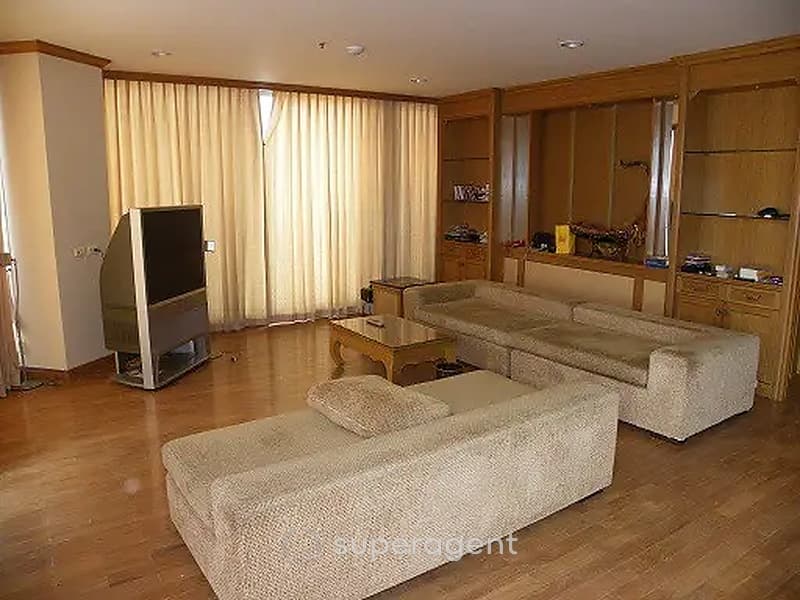
฿70,000
3 Bed3230 sqm
3-BR Condo at River Heaven Chareonkrung in Bang Kho Laem
Condo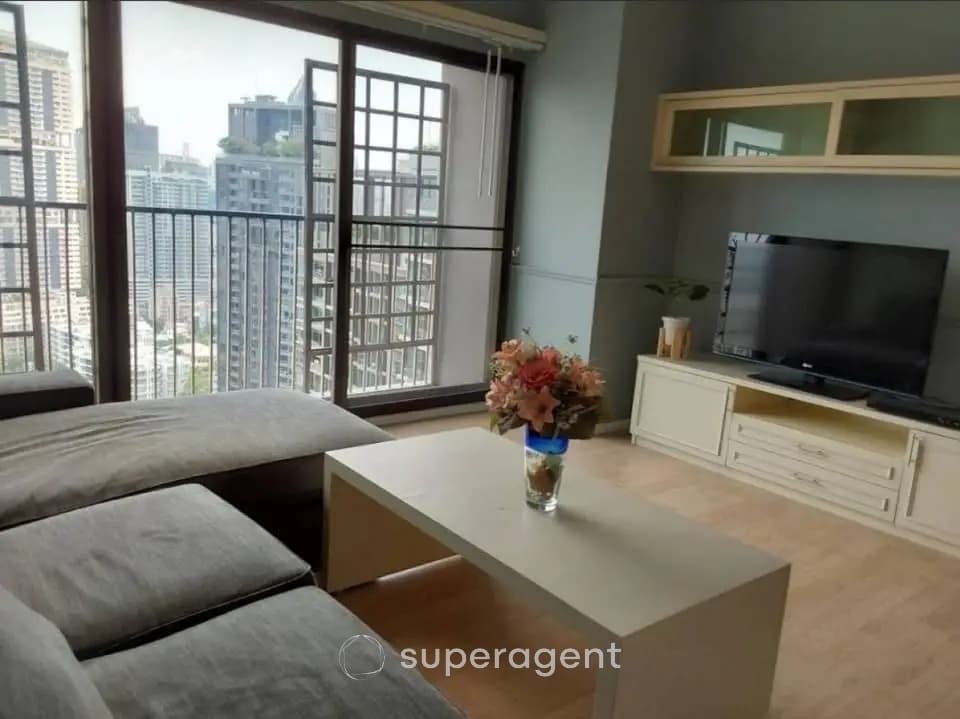
฿63,000
3 Bed2102 sqm
3-BR Condo at Noble Remix near BTS Thong Lor
Thonglor
Condo
฿27,000
Studio135 sqm
Studio Condo at Ideo Q Victory near BTS Victory Monument
Victory Monument
Condo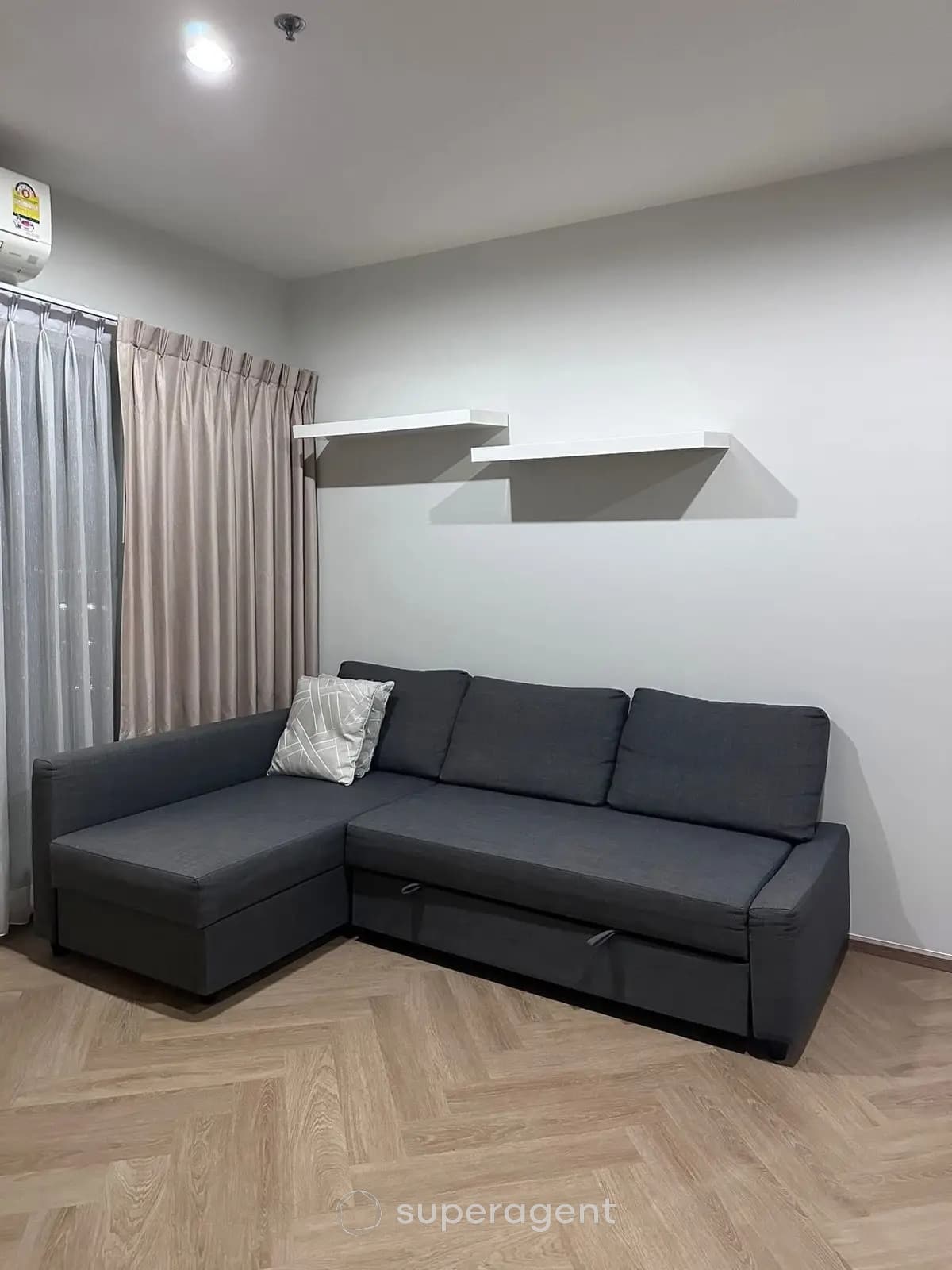
฿30,000
2 Bed252.9 sqm
2-BR Condo at The Key Sathorn - Charoenraj in Bang Khlo
Condo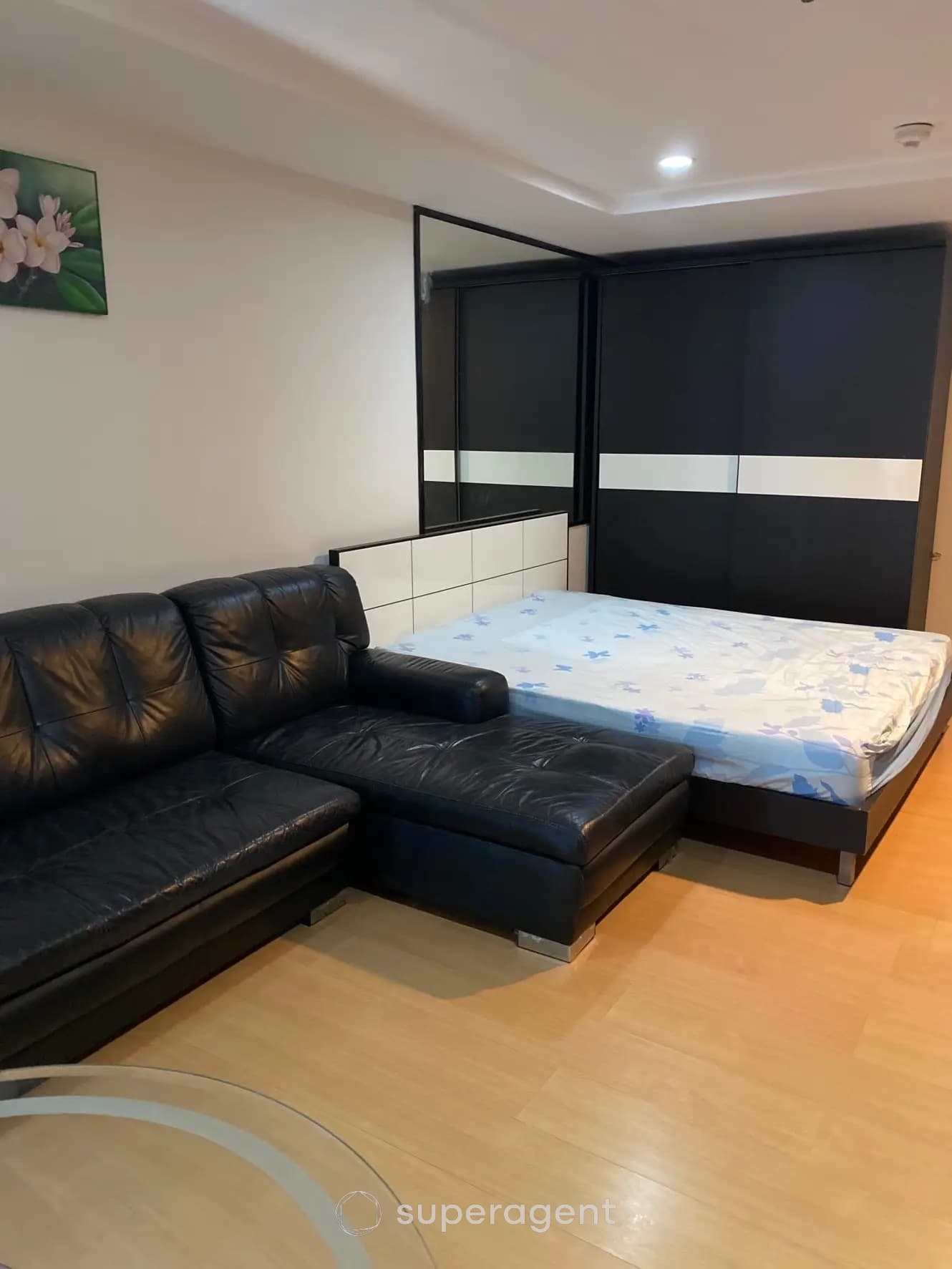
฿17,000
1 Bed136 sqm
1-BR Condo at The Trendy Condominium near BTS Nana
Condo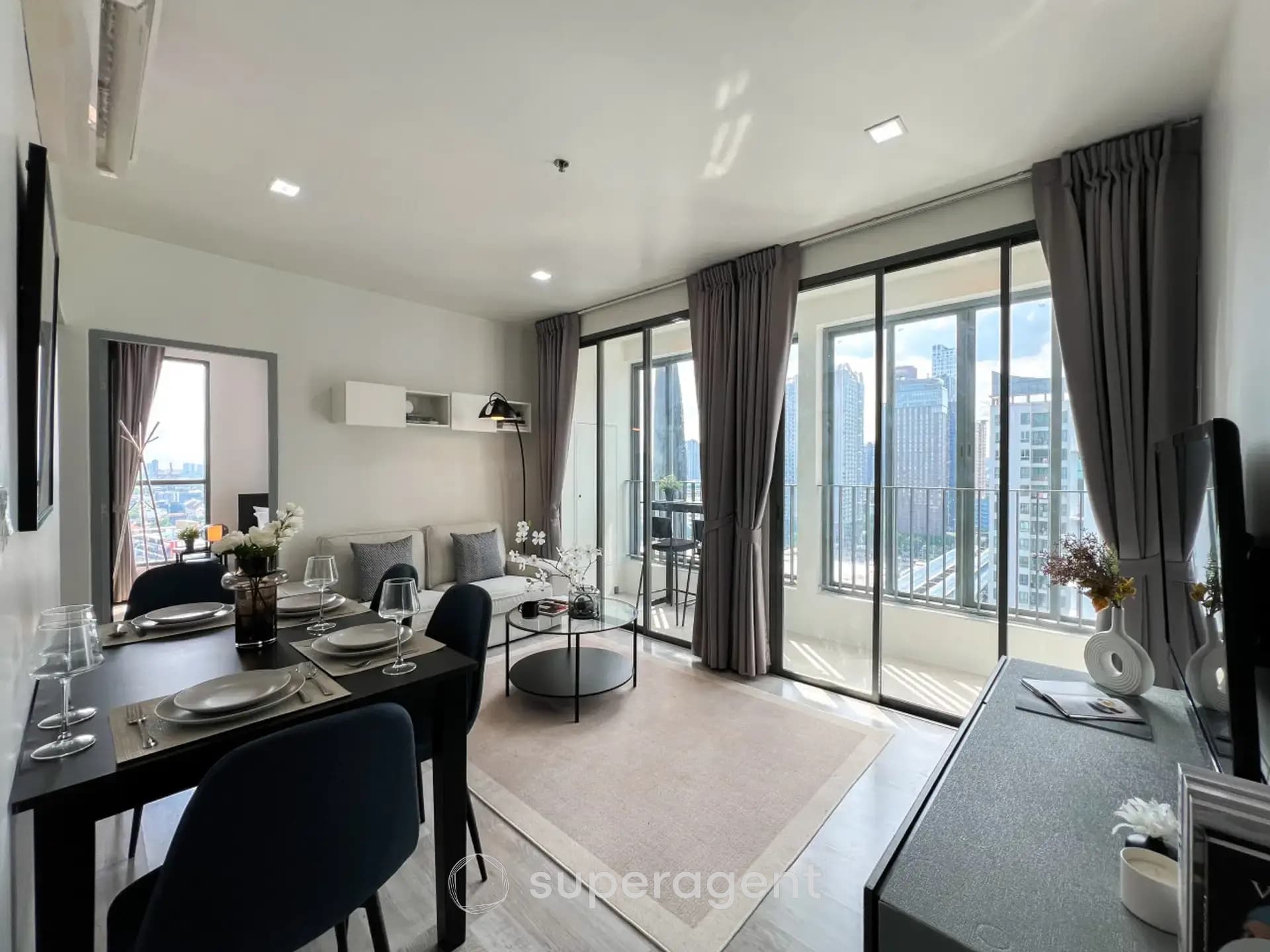
฿42,000
2 Bed287 sqm
2-BR Condo at Ideo Mobi Sukhumvit 81 near BTS On Nut
Condo
฿38,000
2 Bed258 sqm
2-BR Condo at Ideo Rama 9 - Asoke near MRT Phra Ram 9
Condo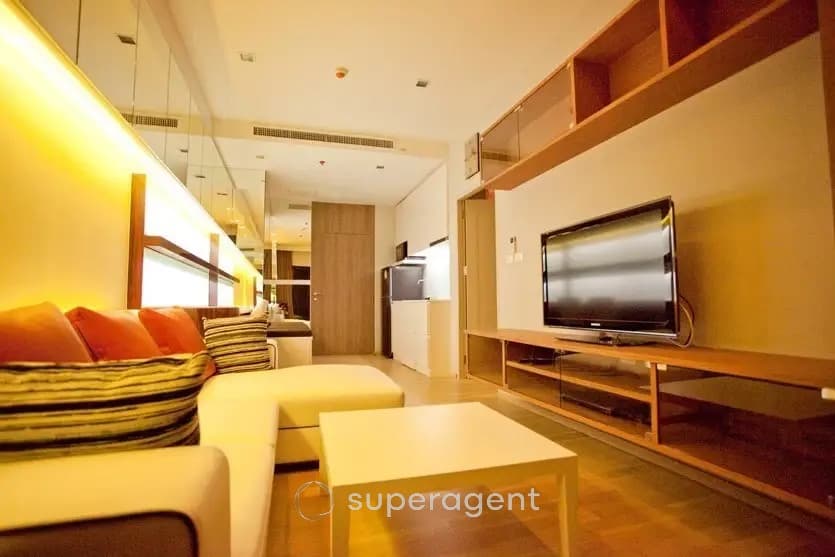
฿27,000
1 Bed145 sqm
1-BR Condo at Noble Reveal Ekamai near BTS Ekkamai
Ekkamai
CondoMore like this
 In Lifestyle · Superagent EditorialWhere Bangkok's Expat Communities Are Concentrated: Rental Guide by NationalityDiscover where Bangkok's expat community areas are located. Our rental guide maps out neighborhoods by nationality to help you find your ideal home.12 Apr 20241 min read
 In Lifestyle · Superagent EditorialThe AI Rental Revolution in Bangkok: How Technology Is Changing How Expats Find HomesBangkok rental revolution ai is reshaping how expats find homes. Explore smart technology, virtual tours, and AI-powered matching tools transforming the ma16 Apr 20211 min read
 In Lifestyle · Superagent EditorialMonthly Condo Rentals in Bangkok: Why They Beat Daily Rates Once Your Stay Passes Two WeeksCompare Bangkok daily and monthly condo rates near BTS Thong Lo, Asoke, Ari and On Nut, and see why monthly leases save tens of thousands of baht.19 Jul 20191 min read
 In Lifestyle · Superagent EditorialHow to Negotiate Rent With Thai Condo Landlords: Techniques That Actually Work in BangkokProven tactics for negotiating condo rent with Bangkok landlords, from market research and counter offers to lease length, timing and low season.18 Jul 20191 min read