Air Con Electricity Costs in Bangkok Condos: What to Budget For
Guides
Air Con Electricity Costs in Bangkok Condos: What to Budget For
Master your monthly bills by understanding how air conditioning impacts your Bangkok condo expenses.
Summary
Learn what aircon thailand electricity cost really means for your budget. Discover realistic monthly expenses and money-saving tips for Bangkok condo rente
You found the perfect condo near BTS Phrom Phong, signed the lease at 18,000 THB per month, and moved in feeling great. Then your first electricity bill arrived at 4,500 THB and you nearly choked on your morning coffee. Welcome to Bangkok, where air conditioning is not a luxury but a survival tool, and where the cost of keeping cool can genuinely rival your grocery budget if you are not paying attention.
Understanding aircon electricity costs in Bangkok condos is one of those things nobody warns you about until it is too late. So let's break it all down before your next bill gives you a heart attack.
How Electricity Pricing Actually Works in Bangkok Condos
First, you need to know that not all condos charge the same rate for electricity. If your meter is registered directly with the Metropolitan Electricity Authority (MEA), you pay the government rate, which runs roughly 4 to 5 THB per unit depending on your usage tier. This is the best case scenario.
But here is the catch. Many condo buildings, especially older ones and buildings popular with renters around areas like Sukhumvit Soi 23 or Ratchada Soi 36, charge a flat markup. You will commonly see 7 to 9 THB per unit on your lease agreement. Some buildings near BTS Thong Lo push it to 10 THB per unit. That means you could be paying double the government rate before you even flip a switch.
A friend of mine rented a studio at a well known building on Sukhumvit Soi 39 and was charged 8.5 THB per unit. Her identical unit size friend in a newer condo near MRT Phra Ram 9 paid 4.2 THB per unit through a direct MEA meter. Same lifestyle, same aircon habits, but one paid almost half. Always ask about the electricity rate before signing anything.
What Running Your Aircon Actually Costs Each Month
Let's get into real numbers. A typical wall mounted split unit in a Bangkok condo is rated between 9,000 and 12,000 BTU. Running a 12,000 BTU unit draws roughly 1,000 to 1,200 watts per hour, though inverter models cycle down once the room cools and use considerably less.
Say you run your aircon about 8 hours a day, mostly at night for sleeping and a few hours in the evening. At around 1 kWh per hour for a standard unit, that is roughly 240 units per month just for one aircon. At the government rate of about 4.5 THB per unit, that comes to around 1,080 THB. At a condo markup rate of 8 THB per unit, you are looking at 1,920 THB.
Now imagine a two bedroom condo near BTS Ari where you run two units for 10 hours a day because you work from home. You could easily burn through 500 to 600 units monthly on aircon alone. At a marked up rate, that is 4,000 to 4,800 THB just to stay cool. Add in your fridge, water heater, washing machine, and lights, and total electricity bills of 5,000 to 7,000 THB become very real for a two bedroom unit.
Inverter vs Non Inverter: The Difference Is Massive
If you are choosing between two condos and one has inverter aircon units while the other has older fixed speed units, pick the inverter. Every single time. This is not a small difference.
Inverter compressors adjust their speed based on the room temperature instead of switching fully on and off. In practice, this means they use 30 to 50 percent less electricity once the room reaches your set temperature. Over a Bangkok summer, which honestly feels like it lasts 11 months, that savings adds up fast.
I toured a one bedroom unit at Life Asoke Hype near MRT Phetchaburi last year. Brand new inverter Daikin units throughout. The tenant told me his total electricity bill rarely exceeded 1,800 THB per month, and he worked from home with the aircon running most of the day. Compare that to the guy in an older Soi Nana building with decade old non inverter units paying 3,500 THB for a similar sized studio. The equipment matters enormously.
Smart Habits That Cut Your Bill Without Sweating
You do not need to suffer in the Bangkok heat to save money. A few simple habits make a surprising difference. Set your thermostat to 25 or 26 degrees Celsius instead of blasting it at 18. Every degree lower increases energy consumption by roughly 10 percent.
Use a fan alongside your aircon. A ceiling fan or standing fan circulates the cool air so the compressor does not work as hard. Close your curtains during the day, especially if your unit faces west. Those floor to ceiling windows in that gorgeous Rhythm Ekkamai condo look amazing but they turn your living room into a greenhouse by 3 PM.
Clean your aircon filters every two to four weeks. Clogged filters force the unit to work harder and use more power. Most condos offer cleaning services for 300 to 500 THB per unit, and it genuinely pays for itself within a single billing cycle.
Check the Rate Before You Sign the Lease
This is the single most important piece of advice in this entire article. Before you commit to any Bangkok condo rental, ask the landlord or building juristic office exactly what the electricity rate per unit is. Get it in writing. Check whether the condo uses direct MEA metering or a building markup system.
A 15,000 THB per month condo charging 9 THB per unit could end up costing you more overall than a 17,000 THB condo with a direct MEA meter at 4.5 THB. Do the math on total monthly cost, not just the rent number.
When you browse listings on Superagent, you can filter and compare condos with full cost transparency so you know exactly what you are getting into before you sign. Because the best surprise in a Bangkok condo is a rooftop pool with a city view. Not your electricity bill.
You found the perfect condo near BTS Phrom Phong, signed the lease at 18,000 THB per month, and moved in feeling great. Then your first electricity bill arrived at 4,500 THB and you nearly choked on your morning coffee. Welcome to Bangkok, where air conditioning is not a luxury but a survival tool, and where the cost of keeping cool can genuinely rival your grocery budget if you are not paying attention.
Understanding aircon electricity costs in Bangkok condos is one of those things nobody warns you about until it is too late. So let's break it all down before your next bill gives you a heart attack.
How Electricity Pricing Actually Works in Bangkok Condos
First, you need to know that not all condos charge the same rate for electricity. If your meter is registered directly with the Metropolitan Electricity Authority (MEA), you pay the government rate, which runs roughly 4 to 5 THB per unit depending on your usage tier. This is the best case scenario.
But here is the catch. Many condo buildings, especially older ones and buildings popular with renters around areas like Sukhumvit Soi 23 or Ratchada Soi 36, charge a flat markup. You will commonly see 7 to 9 THB per unit on your lease agreement. Some buildings near BTS Thong Lo push it to 10 THB per unit. That means you could be paying double the government rate before you even flip a switch.
Continue reading after that.
Looking for a condo
to rent?
Leave your name and phone. We'll follow up while you keep reading.
100% Secure
Fast Response
Free Consultation
A friend of mine rented a studio at a well known building on Sukhumvit Soi 39 and was charged 8.5 THB per unit. Her identical unit size friend in a newer condo near MRT Phra Ram 9 paid 4.2 THB per unit through a direct MEA meter. Same lifestyle, same aircon habits, but one paid almost half. Always ask about the electricity rate before signing anything.
What Running Your Aircon Actually Costs Each Month
Let's get into real numbers. A typical wall mounted split unit in a Bangkok condo is rated between 9,000 and 12,000 BTU. Running a 12,000 BTU unit draws roughly 1,000 to 1,200 watts per hour, though inverter models cycle down once the room cools and use considerably less.
Say you run your aircon about 8 hours a day, mostly at night for sleeping and a few hours in the evening. At around 1 kWh per hour for a standard unit, that is roughly 240 units per month just for one aircon. At the government rate of about 4.5 THB per unit, that comes to around 1,080 THB. At a condo markup rate of 8 THB per unit, you are looking at 1,920 THB.
Now imagine a two bedroom condo near BTS Ari where you run two units for 10 hours a day because you work from home. You could easily burn through 500 to 600 units monthly on aircon alone. At a marked up rate, that is 4,000 to 4,800 THB just to stay cool. Add in your fridge, water heater, washing machine, and lights, and total electricity bills of 5,000 to 7,000 THB become very real for a two bedroom unit.
Inverter vs Non Inverter: The Difference Is Massive
If you are choosing between two condos and one has inverter aircon units while the other has older fixed speed units, pick the inverter. Every single time. This is not a small difference.
Inverter compressors adjust their speed based on the room temperature instead of switching fully on and off. In practice, this means they use 30 to 50 percent less electricity once the room reaches your set temperature. Over a Bangkok summer, which honestly feels like it lasts 11 months, that savings adds up fast.
I toured a one bedroom unit at Life Asoke Hype near MRT Phetchaburi last year. Brand new inverter Daikin units throughout. The tenant told me his total electricity bill rarely exceeded 1,800 THB per month, and he worked from home with the aircon running most of the day. Compare that to the guy in an older Soi Nana building with decade old non inverter units paying 3,500 THB for a similar sized studio. The equipment matters enormously.
Smart Habits That Cut Your Bill Without Sweating
You do not need to suffer in the Bangkok heat to save money. A few simple habits make a surprising difference. Set your thermostat to 25 or 26 degrees Celsius instead of blasting it at 18. Every degree lower increases energy consumption by roughly 10 percent.
Continue reading after that.
Looking for a condo
to rent?
Leave your name and phone. We'll follow up while you keep reading.
100% Secure
Fast Response
Free Consultation
Use a fan alongside your aircon. A ceiling fan or standing fan circulates the cool air so the compressor does not work as hard. Close your curtains during the day, especially if your unit faces west. Those floor to ceiling windows in that gorgeous Rhythm Ekkamai condo look amazing but they turn your living room into a greenhouse by 3 PM.
Clean your aircon filters every two to four weeks. Clogged filters force the unit to work harder and use more power. Most condos offer cleaning services for 300 to 500 THB per unit, and it genuinely pays for itself within a single billing cycle.
Check the Rate Before You Sign the Lease
This is the single most important piece of advice in this entire article. Before you commit to any Bangkok condo rental, ask the landlord or building juristic office exactly what the electricity rate per unit is. Get it in writing. Check whether the condo uses direct MEA metering or a building markup system.
A 15,000 THB per month condo charging 9 THB per unit could end up costing you more overall than a 17,000 THB condo with a direct MEA meter at 4.5 THB. Do the math on total monthly cost, not just the rent number.
When you browse listings on Superagent, you can filter and compare condos with full cost transparency so you know exactly what you are getting into before you sign. Because the best surprise in a Bangkok condo is a rooftop pool with a city view. Not your electricity bill.
Share this article
Properties you may like
![[For Rent] CONDO I DIAMOND TOWER I 2 Beds I 2 Baths I 36,000THB/mo](/_next/image?url=https%3A%2F%2Fstorage.googleapis.com%2Fsuperagent-web%2Fattachments%2Flistings%2F6730%2F98b3b4b0-4601-4a49-9d63-bea12dc8a00a-1105-8.jpg&w=3840&q=75)
฿36,000
2 Bed274 sqm
[For Rent] CONDO I DIAMOND TOWER I 2 Beds I 2 Baths I 36,000THB/mo
Condo![[For Rent] CONDO I Las Colinas Condominium I 2 Beds I 3 Baths I 85,000THB/mo](/_next/image?url=https%3A%2F%2Fstorage.googleapis.com%2Fsuperagent-web%2Fattachments%2Flistings%2F6828%2F80f345c4-488e-43b2-b017-c9fbb17b520d-99486dd8-4237-4ba2-9207-01ce4f66b21f-media.jpg&w=3840&q=75)
฿85,000
2 Bed3170 sqm
[For Rent] CONDO I Las Colinas Condominium I 2 Beds I 3 Baths I 85,000THB/mo
Asoke
Condo![[For Rent] CONDO I Ashton Asoke - Rama 9I 1 Bed I 1 Bath I 29,000THB/mo](/_next/image?url=https%3A%2F%2Fstorage.googleapis.com%2Fsuperagent-web%2Fattachments%2Flistings%2F6830%2F363f8225-7a0b-41e7-9b70-e267d2082fbb-1198-4.jpg&w=3840&q=75)
฿29,000
1 Bed133 sqm
[For Rent] CONDO I Ashton Asoke - Rama 9I 1 Bed I 1 Bath I 29,000THB/mo
Rama 9
Condo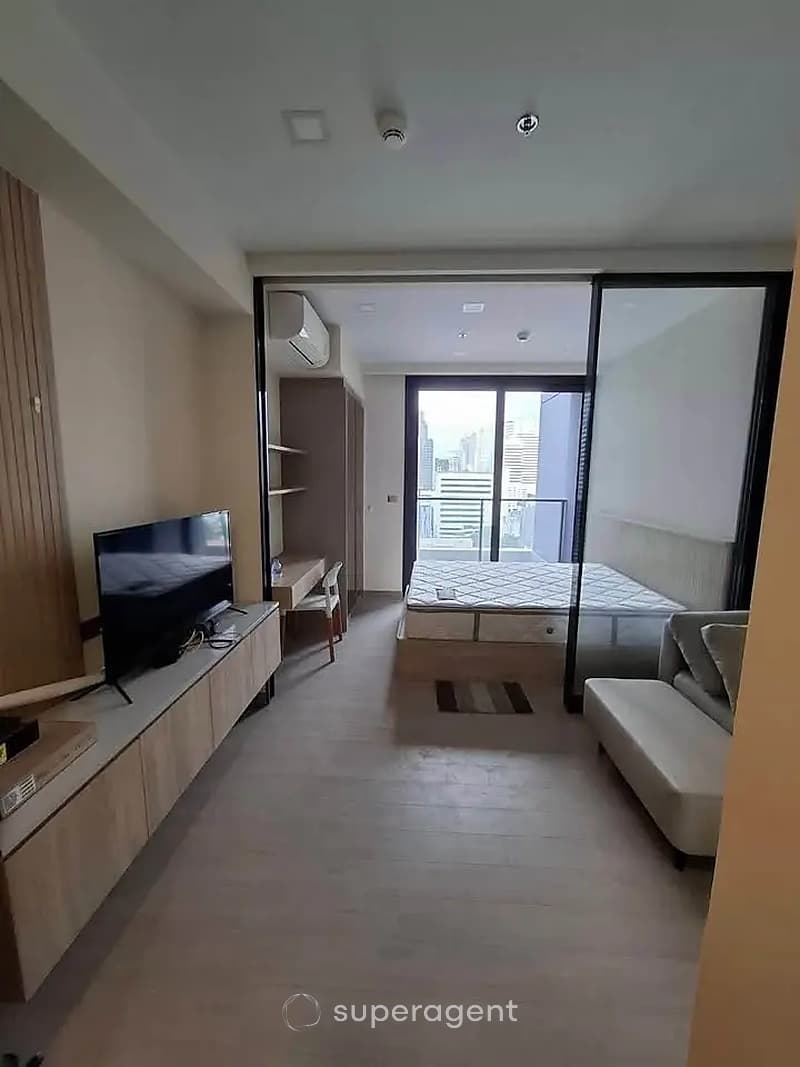
฿20,000
1 Bed127.5 sqm
1-BR Condo at One 9 Five Asoke - Rama 9 near MRT Phra Ram 9
Rama 9
Condo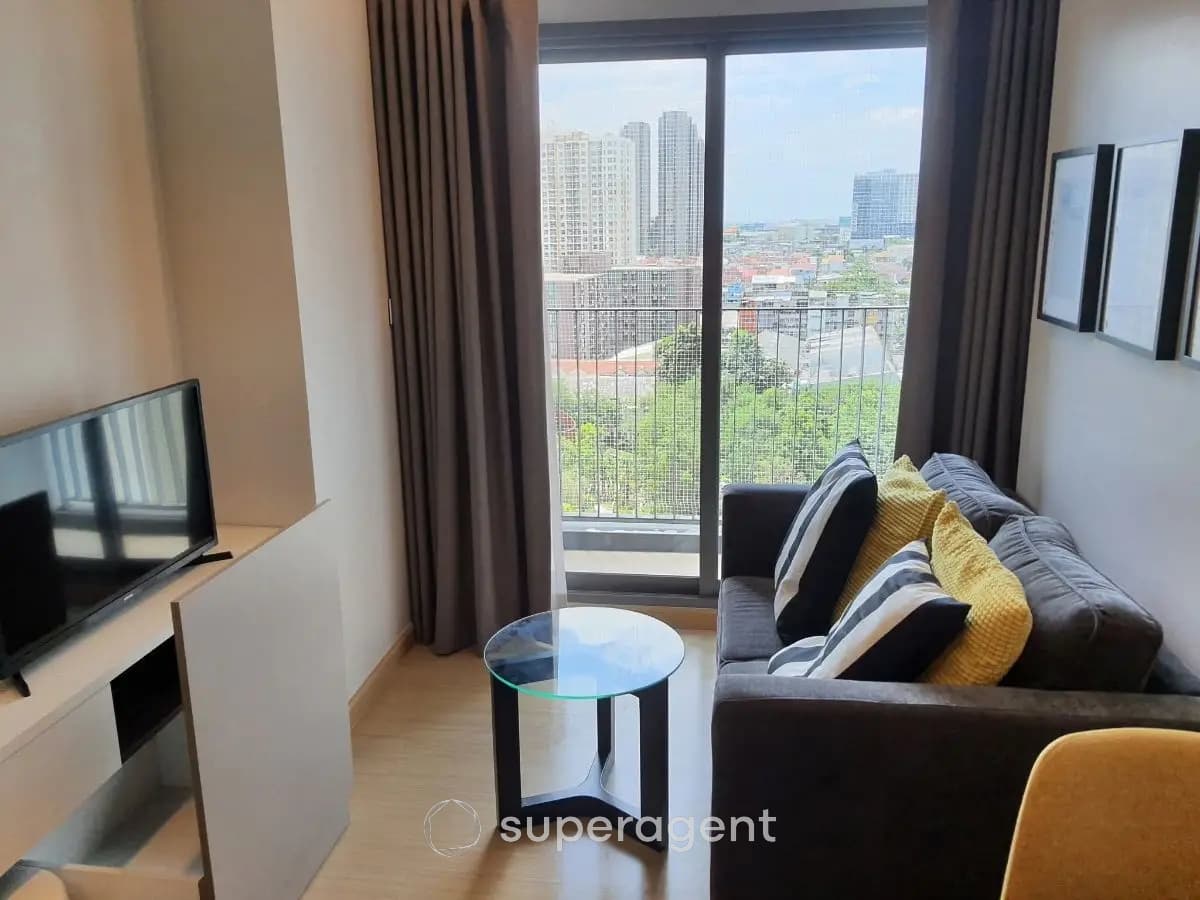
฿18,000
1 Bed126.9 sqm
1-BR Condo at Whizdom Connect Sukhumvit near BTS Punnawithi
Punnawithi
Condo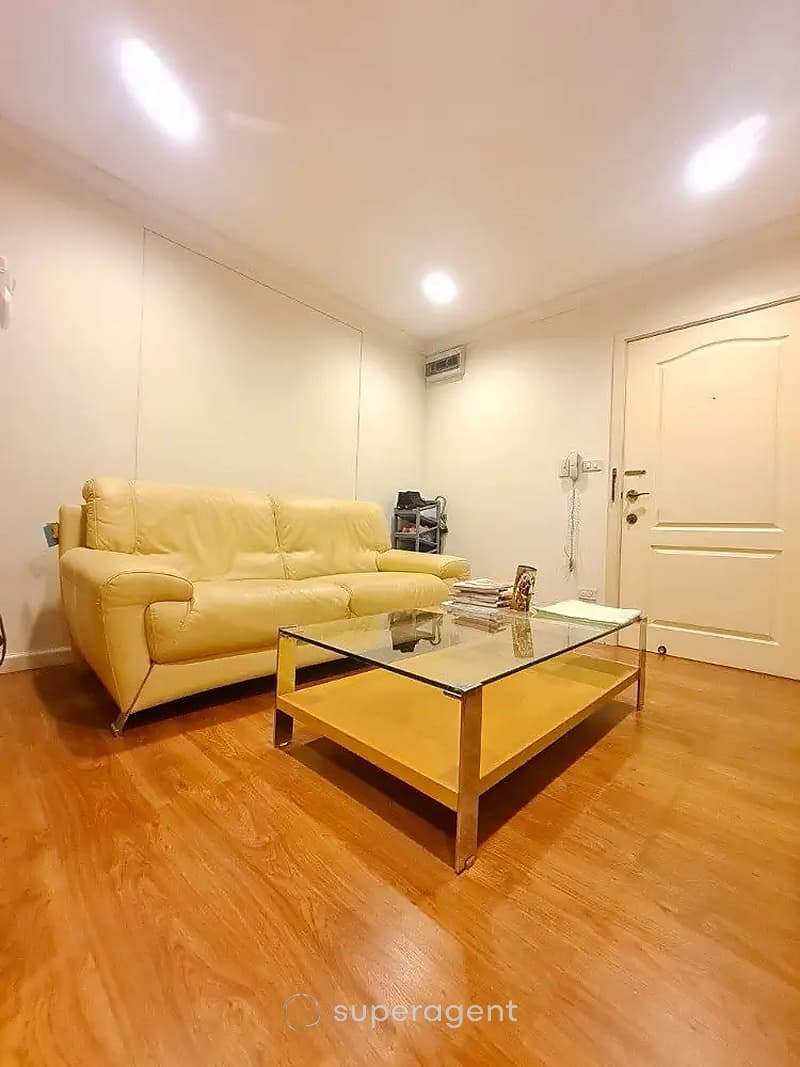
฿23,000
1 Bed150 sqm
1-BR Condo at Lumpini Suite Ratchada-Rama 3 in Chong Nonsi
Condo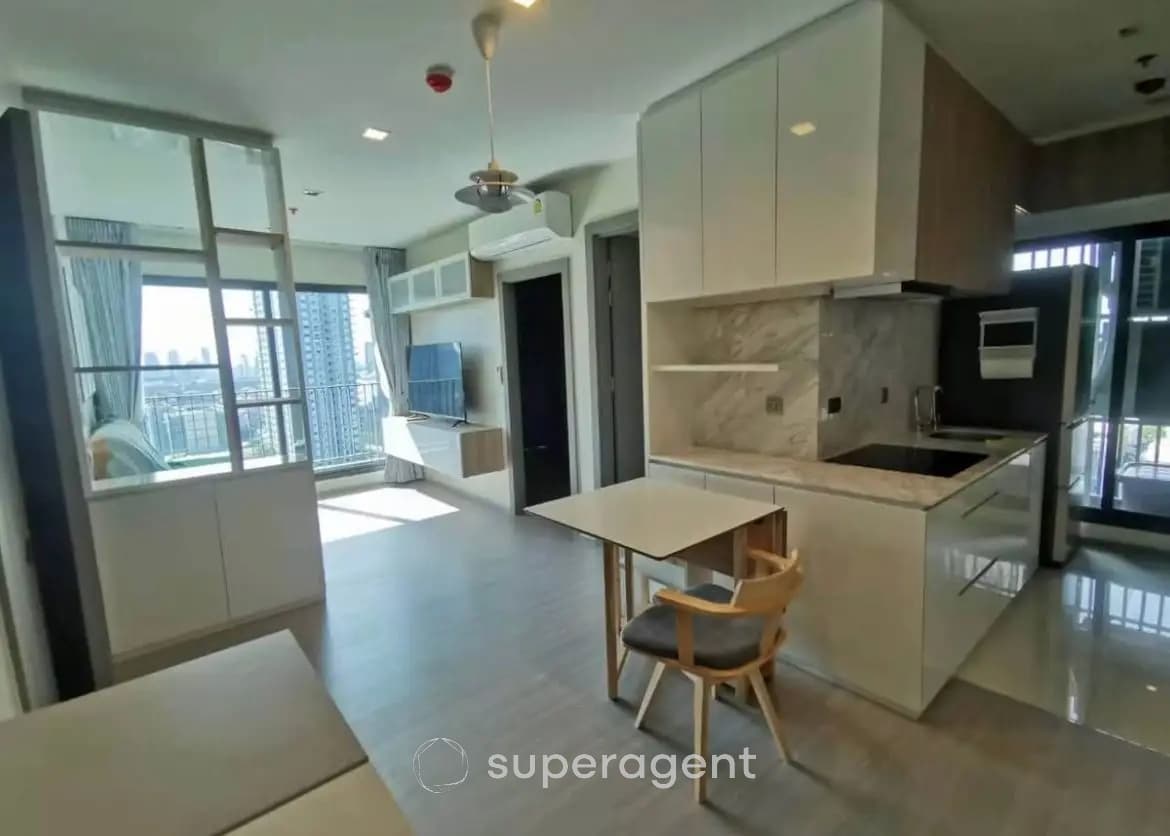
฿45,000
2 Bed258 sqm
2-BR Condo at Life Asoke - Rama 9 near MRT Phra Ram 9
Asoke
Condo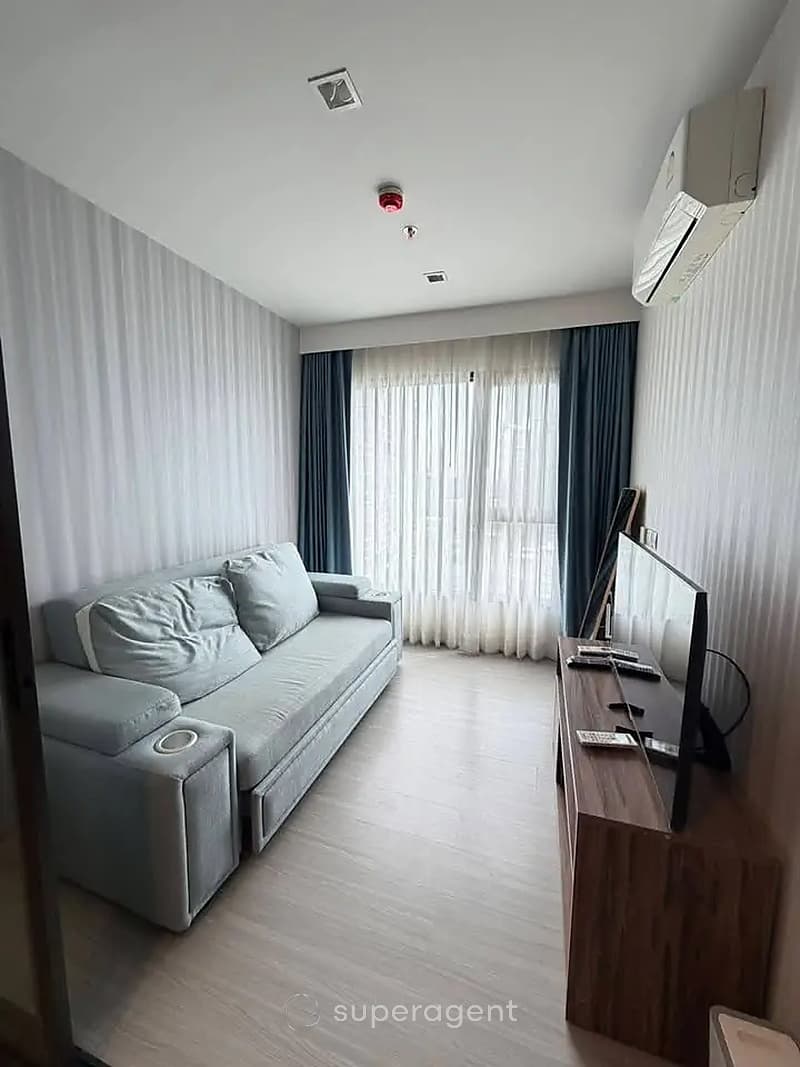
฿23,000
1 Bed140 sqm
1-BR Condo at Life Asoke - Rama 9 near MRT Phra Ram 9
Asoke
Condo
฿20,000
1 Bed141 sqm
1-BR Condo at Villa Asoke near MRT Phetchaburi
Condo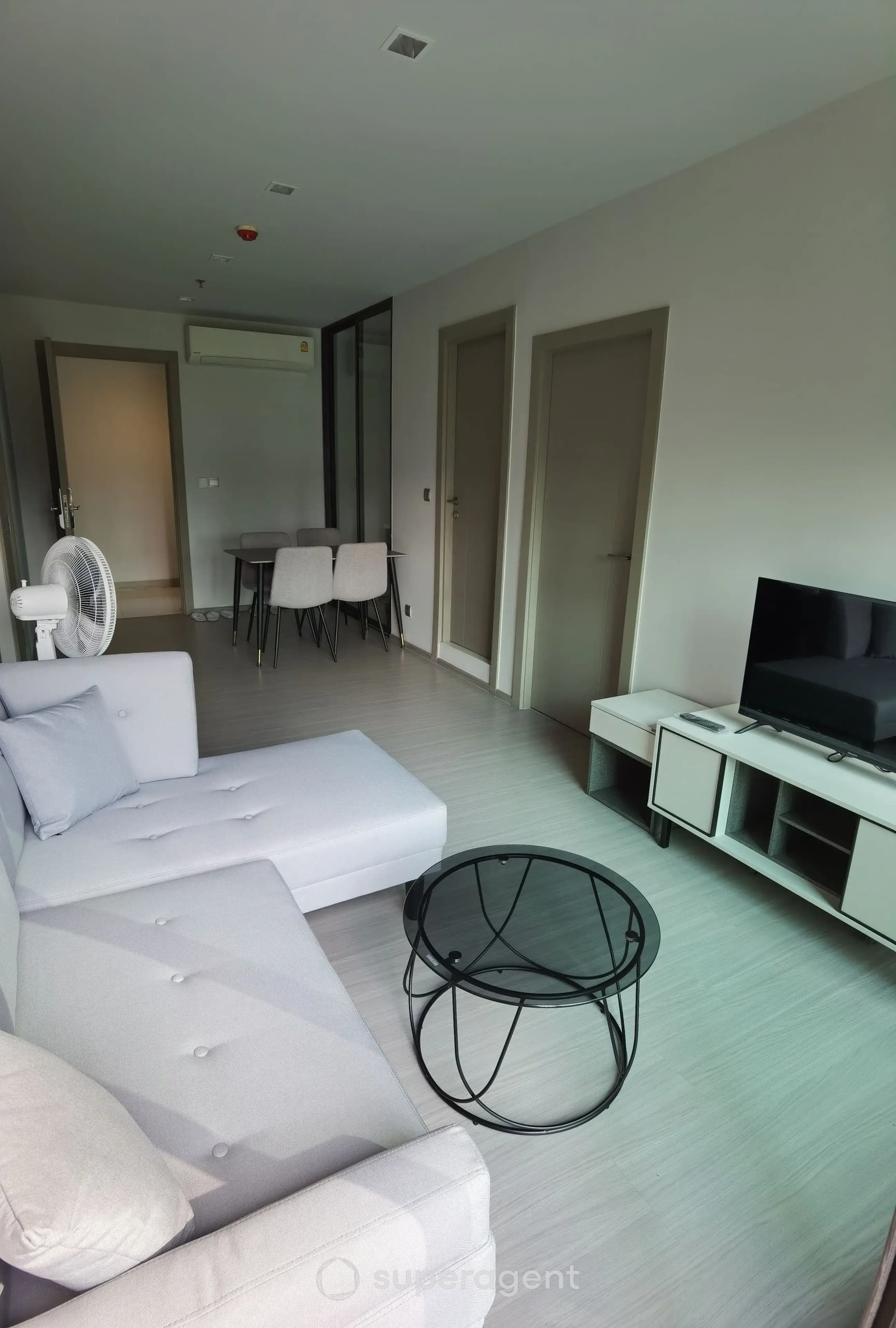
฿36,000
2 Bed258 sqm
2-BR Condo at Life Asoke - Rama 9 near MRT Phra Ram 9
Asoke
CondoMore like this
 In Guides · Superagent EditorialHidden Costs of Renting a Condo in Bangkok Nobody Warns You AboutBangkok condo rent looks affordable until month one hits. Here are the real costs beyond the headline figure that catch most renters off guard.25 May 20261 min read
 In Guides · Superagent EditorialWhat a Long-Vacant Bangkok Condo Unit Is Actually Telling YouA Bangkok condo vacant for months signals overpricing, landlord issues, or real problems. Here is how to read the signs.25 May 20261 min read
 In Guides · Superagent EditorialRed Flags in a Bangkok Rental Contract to Watch Out ForBangkok rental contracts often hide risky clauses. Here are the red flags every tenant must catch before signing any lease.25 May 20261 min read
 In Guides · Superagent EditorialWorking Online from a Condo: How to Choose the Perfect Room for ProductivityLearn how to choose the best condo room for working online with tips on lighting, noise, and furniture setup to maximize productivity.9 May 20261 min read