Bangkok Condos and Sustainability: Green Buildings and Carbon-Aware Living
Market
Bangkok Condos and Sustainability: Green Buildings and Carbon-Aware Living
Discover how Bangkok's modern condos are reducing environmental impact through innovative green building practices.
Summary
Learn about Bangkok condo carbon footprint reduction through sustainable architecture, energy-efficient systems, and eco-conscious living practices for res
Bangkok is not the first city that comes to mind when people talk about sustainable living. Between the traffic jams on Sukhumvit, the roaring tuk tuks, and air conditioning units blasting 24/7, the carbon footprint conversation can feel a little distant. But here is the thing. If you rent a condo in Bangkok, your choice of building actually has a measurable impact on your energy consumption, your utility bills, and yes, your bangkok condo carbon footprint. And more renters are starting to care about this than you might expect.
The green building movement in Bangkok has quietly picked up speed over the past few years. Developers are chasing LEED and TREES certifications, installing solar panels, and designing buildings that use significantly less energy than the older stock. Whether you are motivated by the planet or simply by a lower electricity bill, understanding what makes a Bangkok condo "green" can change how you search for your next rental.
What a Green Condo Actually Looks Like in Bangkok
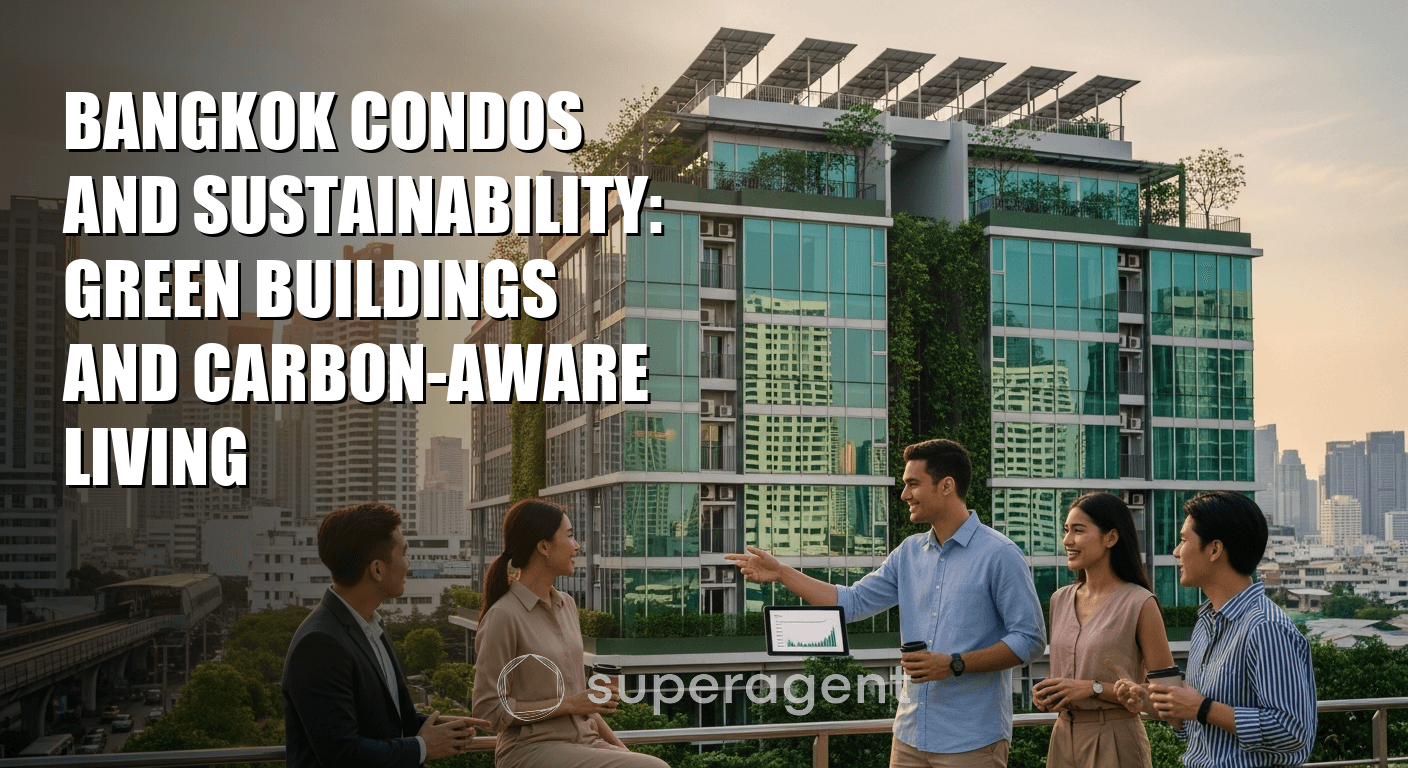
Let's get specific because "green building" gets thrown around loosely. In Bangkok, a genuinely sustainable condo typically features energy efficient glass facades, LED common area lighting, EV charging stations, rainwater collection systems, and smart metering for individual units. Some newer developments also incorporate green rooftops and improved insulation, which matters more than you think when Bangkok's heat index hits 42 degrees.
Take The Forestias near Bang Na. This massive mixed use project by MQDC was designed from the ground up with sustainability at its core, including over 30 rai of forest integrated into the development. Closer to the city center, Ideo Mobi Sukhumvit near On Nut BTS features solar panels on common areas and energy saving designs that keep monthly electric bills noticeably lower than comparable buildings nearby.
A practical example: a friend of mine moved from a 15 year old condo near Thong Lo to a newer TREES certified building near Phra Khanong BTS. Her electricity bill dropped from around 3,500 THB per month to about 2,200 THB for a similarly sized one bedroom. That is not a small difference when you add it up over a year.
The Real Impact of Your Bangkok Condo Carbon Footprint
Air conditioning alone accounts for roughly 60 to 70 percent of a typical Bangkok condo's energy use. When your building has single pane windows and poor insulation, your AC unit works overtime just to keep the room at 25 degrees. Multiply that across a 30 story tower with 500 units, and you start to understand why building design is the single biggest factor in your bangkok condo carbon footprint.
Buildings that carry LEED Gold or Platinum certification typically consume 25 to 40 percent less energy than conventional buildings. In Bangkok terms, that translates to real money. Common area fees, or CAM charges, also tend to be more predictable in green buildings because the shared infrastructure runs more efficiently. You will see this reflected in developments like Whizdom 101 near Punnawithi BTS, where the integrated solar and energy management systems help keep operating costs in check.
Beyond electricity, water usage matters too. Older condos in areas like Ari or Ratchathewi often rely on outdated plumbing that wastes significant water. Newer green certified buildings near Rama 9 MRT or Lat Phrao have dual flush systems and low flow fixtures as standard. Small changes, but they add up across hundreds of units.
Location Still Matters More Than You Think
Here is something people overlook when thinking about sustainability. Where your condo sits on the map plays a huge role in your overall carbon footprint. Living within walking distance of a BTS or MRT station means you are far less likely to rely on ride hailing apps or private cars for your daily commute.
Consider two renters paying similar prices. One lives in a nice older condo on Soi Ekkamai 12, about a 15 minute walk from the station. The other rents a unit at Life Asoke Hype, literally connected to Rama 9 MRT. The second renter probably spends 2,000 to 3,000 THB less per month on transportation and generates significantly fewer emissions just by living closer to public transit.
Condos along the Green Line from Mo Chit to Bearing, or the Blue Line from Hua Lamphong through Lat Phrao, put you on efficient rail networks that reduce your dependence on Bangkok's congested roads. That is a sustainability win that also saves you time and frustration every single day.
How to Spot Greenwashing in Bangkok's Rental Market
Not every condo that markets itself as "eco friendly" actually delivers. Some developers slap a few plants in the lobby and call it a green building. Here is what to look for if you genuinely want a lower carbon footprint in your rental.
First, check for actual certifications. LEED, TREES, or WELL certifications are third party verified and mean the building met real performance benchmarks. Second, ask about CAM fee breakdowns. Green buildings often have transparent energy reporting. Third, look at the windows. Double glazed, low E glass is a dead giveaway that the developer invested in thermal performance. Single pane glass in a new building is a red flag.
A building like Siamese Exclusive Ratchada near Huai Khwang MRT might advertise "green living" in its brochures. But compare it to something like Park Origin Phrom Phong, which holds actual environmental certifications, and you will see a measurable difference in energy performance and utility costs. Rents for certified green one bedrooms in central Bangkok typically range from 18,000 to 35,000 THB per month, which is competitive with conventional buildings in the same areas.
Small Changes Renters Can Make Right Now
Even if your current condo is not a green certified building, you can still reduce your bangkok condo carbon footprint with a few practical adjustments. Set your AC to 26 degrees instead of 22. Use a fan alongside the AC to circulate cool air more effectively. Switch to LED bulbs in any fixtures you control. Unplug appliances when you leave for work.
If your building has a recycling program, actually use it. Many condos near Asoke or Silom have sorting stations in their waste rooms that most residents walk right past. And if you are working from home, consider coworking spaces in your building or neighborhood instead of cooling your entire unit for eight hours straight.
Sustainability in Bangkok's condo market is not just a marketing trend. It is becoming a practical consideration that affects your monthly costs, your comfort, and your quality of life. The next time you search for a rental, factor in the building's energy performance alongside the usual checklist of location, price, and amenities. Your wallet and the city will both benefit. If you want to compare green certified condos across Bangkok's best neighborhoods, Superagent at superagent.co can help you filter listings by the features that actually matter to you.
Bangkok is not the first city that comes to mind when people talk about sustainable living. Between the traffic jams on Sukhumvit, the roaring tuk tuks, and air conditioning units blasting 24/7, the carbon footprint conversation can feel a little distant. But here is the thing. If you rent a condo in Bangkok, your choice of building actually has a measurable impact on your energy consumption, your utility bills, and yes, your bangkok condo carbon footprint. And more renters are starting to care about this than you might expect.
The green building movement in Bangkok has quietly picked up speed over the past few years. Developers are chasing LEED and TREES certifications, installing solar panels, and designing buildings that use significantly less energy than the older stock. Whether you are motivated by the planet or simply by a lower electricity bill, understanding what makes a Bangkok condo "green" can change how you search for your next rental.
What a Green Condo Actually Looks Like in Bangkok
Let's get specific because "green building" gets thrown around loosely. In Bangkok, a genuinely sustainable condo typically features energy efficient glass facades, LED common area lighting, EV charging stations, rainwater collection systems, and smart metering for individual units. Some newer developments also incorporate green rooftops and improved insulation, which matters more than you think when Bangkok's heat index hits 42 degrees.
Take The Forestias near Bang Na. This massive mixed use project by MQDC was designed from the ground up with sustainability at its core, including over 30 rai of forest integrated into the development. Closer to the city center, Ideo Mobi Sukhumvit near On Nut BTS features solar panels on common areas and energy saving designs that keep monthly electric bills noticeably lower than comparable buildings nearby.
A practical example: a friend of mine moved from a 15 year old condo near Thong Lo to a newer TREES certified building near Phra Khanong BTS. Her electricity bill dropped from around 3,500 THB per month to about 2,200 THB for a similarly sized one bedroom. That is not a small difference when you add it up over a year.
The Real Impact of Your Bangkok Condo Carbon Footprint
Air conditioning alone accounts for roughly 60 to 70 percent of a typical Bangkok condo's energy use. When your building has single pane windows and poor insulation, your AC unit works overtime just to keep the room at 25 degrees. Multiply that across a 30 story tower with 500 units, and you start to understand why building design is the single biggest factor in your bangkok condo carbon footprint.
Buildings that carry LEED Gold or Platinum certification typically consume 25 to 40 percent less energy than conventional buildings. In Bangkok terms, that translates to real money. Common area fees, or CAM charges, also tend to be more predictable in green buildings because the shared infrastructure runs more efficiently. You will see this reflected in developments like Whizdom 101 near Punnawithi BTS, where the integrated solar and energy management systems help keep operating costs in check.
Beyond electricity, water usage matters too. Older condos in areas like Ari or Ratchathewi often rely on outdated plumbing that wastes significant water. Newer green certified buildings near Rama 9 MRT or Lat Phrao have dual flush systems and low flow fixtures as standard. Small changes, but they add up across hundreds of units.
Location Still Matters More Than You Think
Here is something people overlook when thinking about sustainability. Where your condo sits on the map plays a huge role in your overall carbon footprint. Living within walking distance of a BTS or MRT station means you are far less likely to rely on ride hailing apps or private cars for your daily commute.
Consider two renters paying similar prices. One lives in a nice older condo on Soi Ekkamai 12, about a 15 minute walk from the station. The other rents a unit at Life Asoke Hype, literally connected to Rama 9 MRT. The second renter probably spends 2,000 to 3,000 THB less per month on transportation and generates significantly fewer emissions just by living closer to public transit.
Condos along the Green Line from Mo Chit to Bearing, or the Blue Line from Hua Lamphong through Lat Phrao, put you on efficient rail networks that reduce your dependence on Bangkok's congested roads. That is a sustainability win that also saves you time and frustration every single day.
Talk to us about renting
Share your details and keep reading — we’ll get back to you.
How to Spot Greenwashing in Bangkok's Rental Market
Not every condo that markets itself as "eco friendly" actually delivers. Some developers slap a few plants in the lobby and call it a green building. Here is what to look for if you genuinely want a lower carbon footprint in your rental.
First, check for actual certifications. LEED, TREES, or WELL certifications are third party verified and mean the building met real performance benchmarks. Second, ask about CAM fee breakdowns. Green buildings often have transparent energy reporting. Third, look at the windows. Double glazed, low E glass is a dead giveaway that the developer invested in thermal performance. Single pane glass in a new building is a red flag.
A building like Siamese Exclusive Ratchada near Huai Khwang MRT might advertise "green living" in its brochures. But compare it to something like Park Origin Phrom Phong, which holds actual environmental certifications, and you will see a measurable difference in energy performance and utility costs. Rents for certified green one bedrooms in central Bangkok typically range from 18,000 to 35,000 THB per month, which is competitive with conventional buildings in the same areas.
Small Changes Renters Can Make Right Now
Even if your current condo is not a green certified building, you can still reduce your bangkok condo carbon footprint with a few practical adjustments. Set your AC to 26 degrees instead of 22. Use a fan alongside the AC to circulate cool air more effectively. Switch to LED bulbs in any fixtures you control. Unplug appliances when you leave for work.
If your building has a recycling program, actually use it. Many condos near Asoke or Silom have sorting stations in their waste rooms that most residents walk right past. And if you are working from home, consider coworking spaces in your building or neighborhood instead of cooling your entire unit for eight hours straight.
Sustainability in Bangkok's condo market is not just a marketing trend. It is becoming a practical consideration that affects your monthly costs, your comfort, and your quality of life. The next time you search for a rental, factor in the building's energy performance alongside the usual checklist of location, price, and amenities. Your wallet and the city will both benefit. If you want to compare green certified condos across Bangkok's best neighborhoods, Superagent at superagent.co can help you filter listings by the features that actually matter to you.
Share this article
Properties you may like
![[For Rent] CONDO I The Room 69 I 1 Bed I 1 Bath I 35,000THB/mo](/_next/image?url=https%3A%2F%2Fstorage.googleapis.com%2Fsuperagent-web%2Fattachments%2Flistings%2F6756%2F445213f0-c378-46a2-b3fe-7a5ba62b623f-1135-1.jpg&w=3840&q=75)
฿35,000
1 Bed144.7 sqm
[For Rent] CONDO I The Room 69 I 1 Bed I 1 Bath I 35,000THB/mo
Condo![[For Rent] HOUSE I Mantana Bangna Km.7 I 3 BedsI 3 Baths I 68,000THB/mo](/_next/image?url=https%3A%2F%2Fstorage.googleapis.com%2Fsuperagent-web%2Fattachments%2Flistings%2F6755%2F673e8400-a19a-43b4-b994-7c0d717c8d40-1128-4.jpg&w=3840&q=75)
฿68,000
3 Bed3172 sqm
[For Rent] HOUSE I Mantana Bangna Km.7 I 3 BedsI 3 Baths I 68,000THB/mo
Bang Na
House![[For Rent] CONDO I Rhythm Sukhumvit 42 I 1 Bed I 1 Bath I 40,000THB/mo](/_next/image?url=https%3A%2F%2Fstorage.googleapis.com%2Fsuperagent-web%2Fattachments%2Flistings%2F6754%2F8bbb6bb3-98f5-49b6-8b48-0c2321f81b70-1127-3.jpg&w=3840&q=75)
฿40,000
1 Bed148 sqm
[For Rent] CONDO I Rhythm Sukhumvit 42 I 1 Bed I 1 Bath I 40,000THB/mo
Ekkamai
Condo![[For Rent&Sale] CONDO I The Waterford Sukhumvit 50 I Pet Friendly I 2 Beds I 2 Baths I Rent 50,000THB/mo - Sale 9mb THB](/_next/image?url=https%3A%2F%2Fstorage.googleapis.com%2Fsuperagent-web%2Fattachments%2Flistings%2F6753%2F9b31da57-144a-4728-bac2-010477b1614d-112-5.jpg&w=3840&q=75)
฿50,000
2 Bed292 sqm
[For Rent&Sale] CONDO I The Waterford Sukhumvit 50 I Pet Friendly I 2 Beds I 2 Baths I Rent 50,000THB/mo - Sale 9mb THB
On Nut
Condo![[For Rent&Sale] HOUSE I Perfect Masterpiece Rama 9–Krungthep Kreetha I 5 Beds I 6 Baths I Rent 400,000THB/mo - Sale 70 ล้านบาท](/_next/image?url=https%3A%2F%2Fstorage.googleapis.com%2Fsuperagent-web%2Fattachments%2Flistings%2F6752%2F1f1b4e6f-23df-48bb-a7ea-7a3252f44588-1125-1.jpg&w=3840&q=75)
฿400,000
5 Bed+6700 sqm
[For Rent&Sale] HOUSE I Perfect Masterpiece Rama 9–Krungthep Kreetha I 5 Beds I 6 Baths I Rent 400,000THB/mo - Sale 70 ล้านบาท
Condo![[For Rent] CONDO I Ashton Asoke I 3 Beds I 3 Baths I 100,000THB/mo](/_next/image?url=https%3A%2F%2Fstorage.googleapis.com%2Fsuperagent-web%2Fattachments%2Flistings%2F6751%2F5e37d6d9-2e62-43e6-b358-15d8b92aad47-1124.jpg&w=3840&q=75)
฿100,000
3 Bed3100 sqm
[For Rent] CONDO I Ashton Asoke I 3 Beds I 3 Baths I 100,000THB/mo
Asoke
Condo![[For Rent&Sale] CONDO I TC Green Rama 9 I 1 Bed I 1 Bath I Rent 15,000THB/mo - Sale 2.8mb THB](/_next/image?url=https%3A%2F%2Fstorage.googleapis.com%2Fsuperagent-web%2Fattachments%2Flistings%2F6750%2F47e9c291-b440-4d94-8168-c22bdaf34baf-1123-1.jpg&w=3840&q=75)
฿15,000
1 Bed139 sqm
[For Rent&Sale] CONDO I TC Green Rama 9 I 1 Bed I 1 Bath I Rent 15,000THB/mo - Sale 2.8mb THB
Rama 9
Condo![[For Rent&Sale] CONDO I Riviera 4 I 2 Beds I 2 Baths I Rent 18,000THB/mo - Sale 3.2mb THB](/_next/image?url=https%3A%2F%2Fstorage.googleapis.com%2Fsuperagent-web%2Fattachments%2Flistings%2F6748%2F5a58104a-d990-4793-8366-1acd0390940b-1121-6.jpg&w=3840&q=75)
฿18,000
2 Bed290 sqm
[For Rent&Sale] CONDO I Riviera 4 I 2 Beds I 2 Baths I Rent 18,000THB/mo - Sale 3.2mb THB
Condo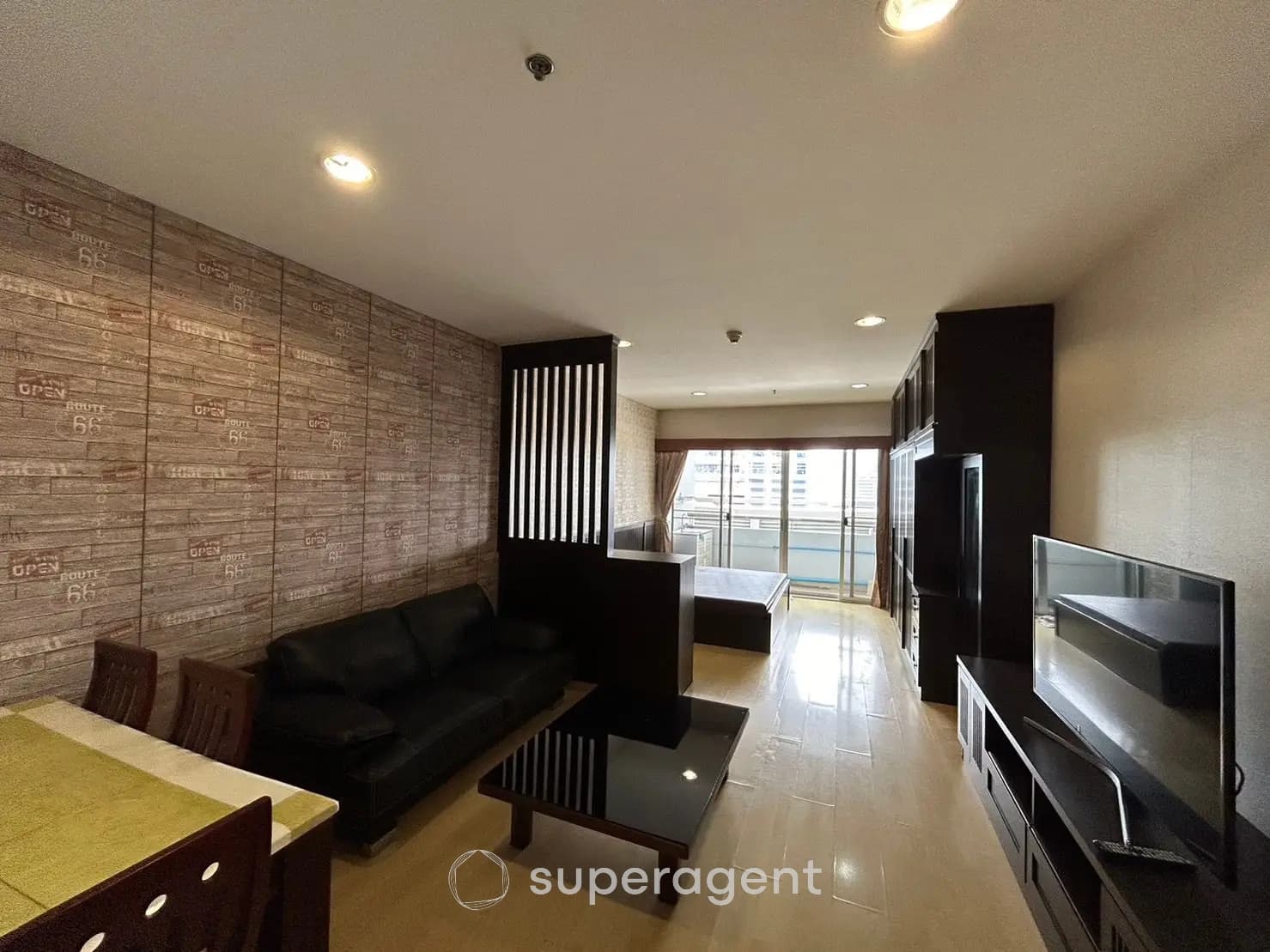
฿15,000
1 Bed145 sqm
1-BR Condo at The Platinum Condominium near ARL Ratchaprarop
Condo![[For Rent] CONDO I Park 24 I Studio I 1 Bath I 25,000THB/mo](/_next/image?url=https%3A%2F%2Fstorage.googleapis.com%2Fsuperagent-web%2Fattachments%2Flistings%2F6747%2F99e94009-1261-4181-ab16-6c2c80017f7d-1130-2.jpg&w=3840&q=75)
฿25,000
Studio129 sqm
[For Rent] CONDO I Park 24 I Studio I 1 Bath I 25,000THB/mo
Phrom Phong
CondoMore like this
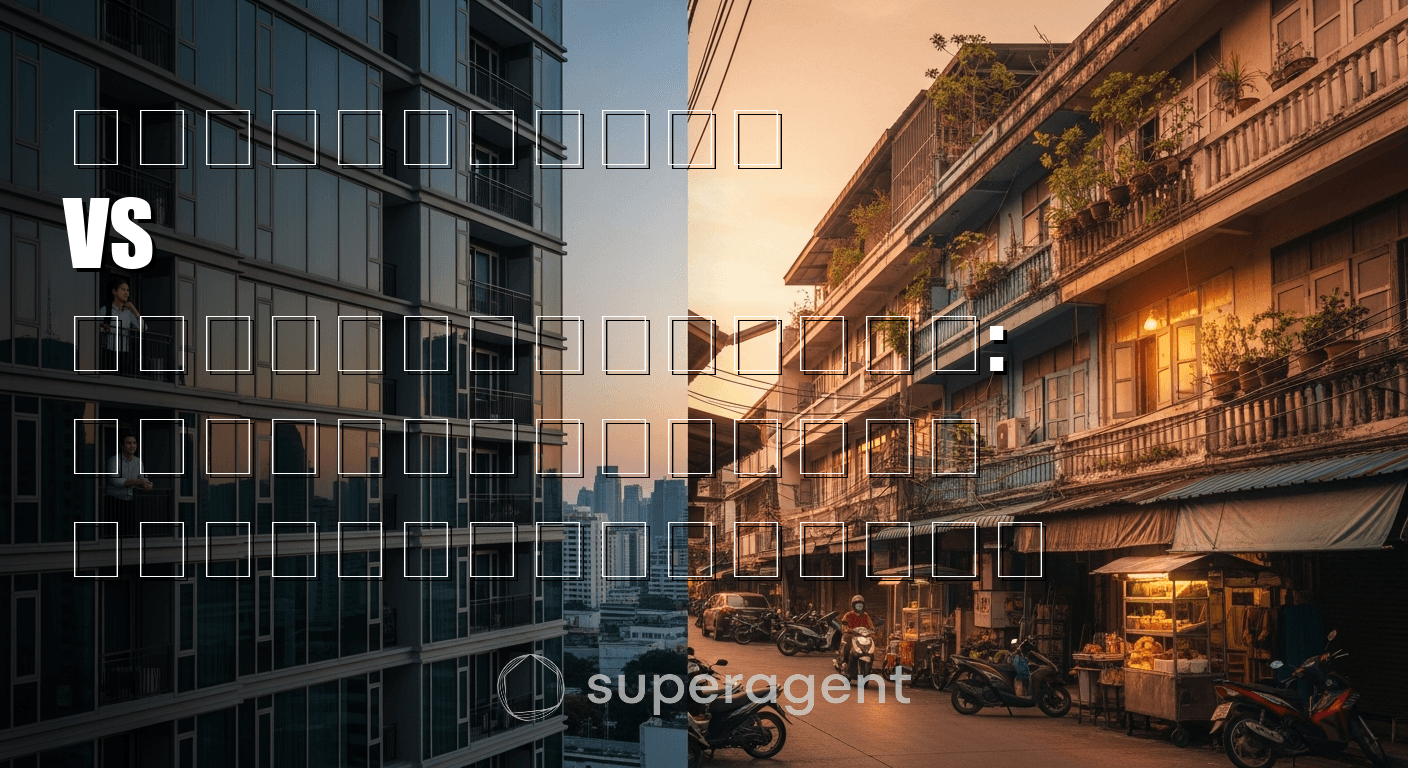 In Market · Superagent EditorialApartment vs Condo in Bangkok: What Is the Real Difference and Which One Should You Rent?Bangkok apartments and condos differ in ownership, rent, utilities, maintenance and lease terms. Here is how to compare them before you sign.26 Jan 20191 min read
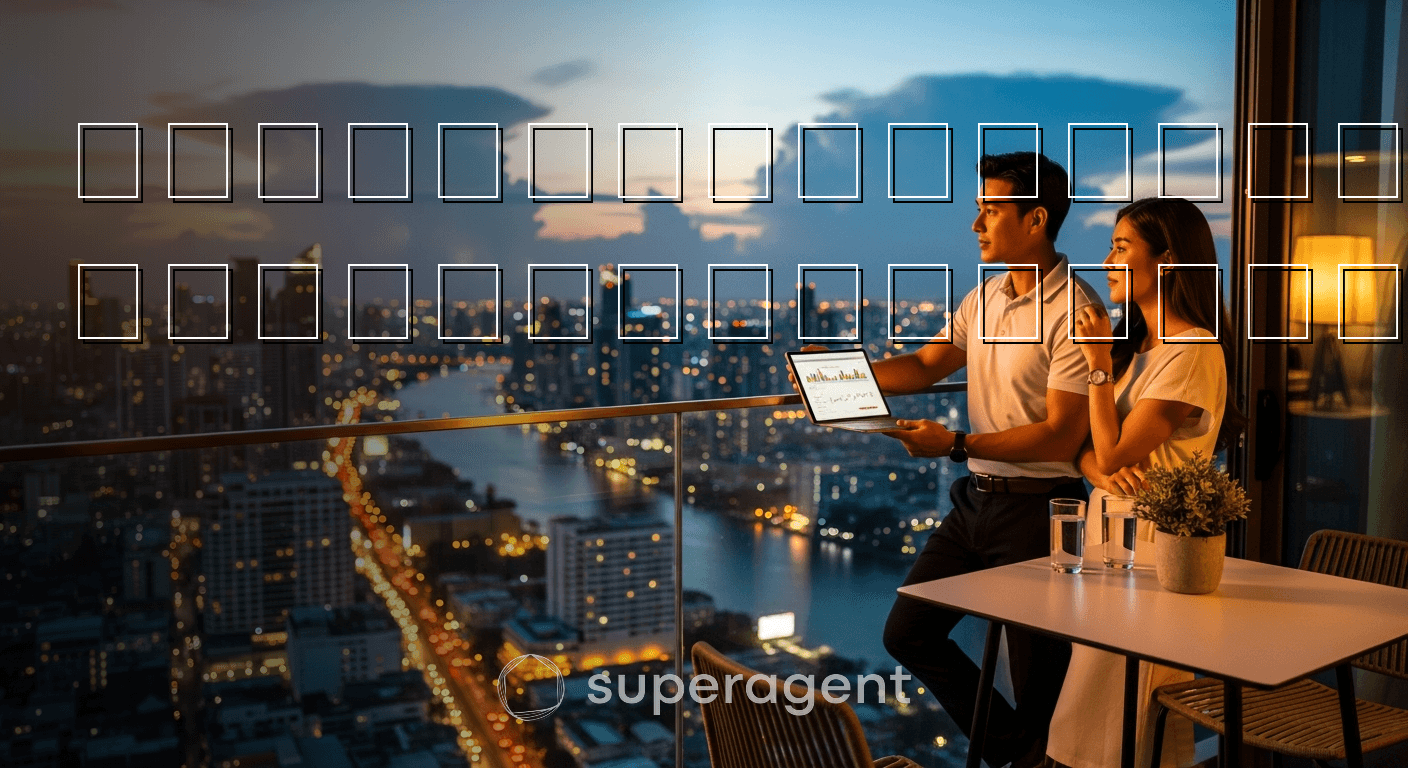 In Market · Superagent EditorialRent or Buy a Condo in Bangkok: An Honest Financial BreakdownCompare the true cost of buying versus renting a Bangkok condo, from mortgage rates and common fees to rental yields and opportunity cost.25 Jan 20191 min read
 In Market · Superagent EditorialWhere Expats Rent Condos in Bangkok: The Top Neighborhoods and What They Really CostFrom Sukhumvit and Sathorn to Ari, On Nut and the riverside, see which Bangkok neighborhoods expats rent in and what monthly rent costs.19 Jan 20191 min read
 In Market · Superagent EditorialBangkok Condo Rents vs the World: How Cheap Is Bangkok Really?Compare Bangkok condo rents with Singapore, Tokyo, London, Paris, New York and Toronto, plus where Bangkok itself turns expensive.17 Jan 20191 min read