Birds in Bangkok Condos: Rules, Noise and Neighbor Reality
Guides
Birds in Bangkok Condos: Rules, Noise and Neighbor Reality
Navigate pet bird policies and noise concerns in Bangkok high-rise living.
Summary
Learn about bird noise condo Bangkok rules, neighbor relations, and how to keep feathered pets peacefully in urban apartments.
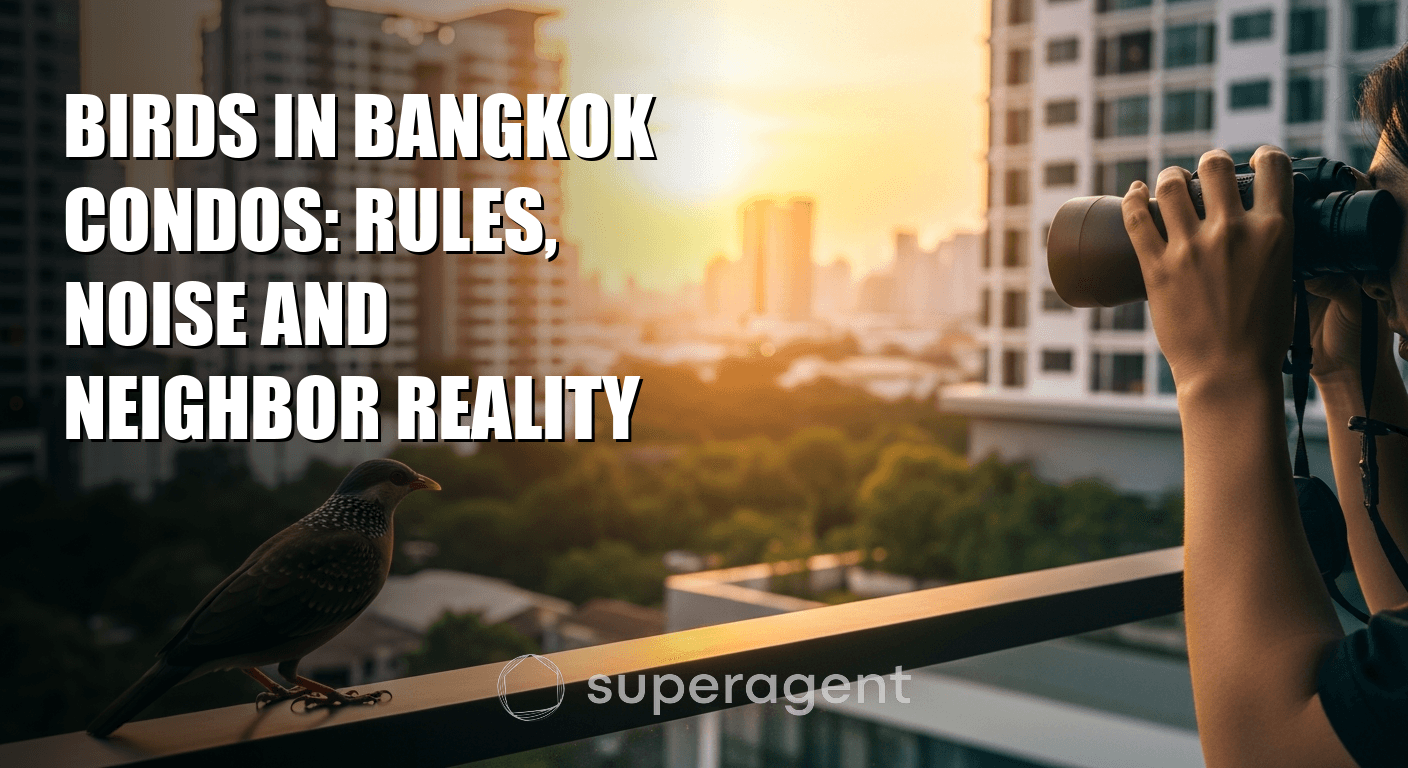
Your cockatiel starts singing at 6 AM. It is a beautiful sound to you, the proud bird parent. To your neighbor on the other side of that thin condo wall, it is the reason they are drafting a complaint to the juristic office before their morning coffee. Birds and Bangkok condos have a complicated relationship. Some buildings allow them, many do not, and the ones that say "pets allowed" often mean dogs and cats only. If you keep birds or plan to get one, you need to understand the rules, the noise realities, and how your neighbors will actually react before you sign that lease.
What Bangkok Condo Rules Actually Say About Birds
Most Bangkok condominiums operate under a set of house rules managed by the juristic person, which is essentially the building's management body established under the Thai Land Department's Condominium Act. These rules vary wildly from building to building. Some condos ban all pets outright. Others allow pets under a certain weight, usually 5 to 10 kilograms. Birds rarely get a specific mention, and that grey area is where problems start.
Take a building like The Base Park West near On Nut BTS. Their pet policy focuses on dogs and cats with weight restrictions. Birds are not explicitly banned, but they are not explicitly allowed either. In practice, this means management can decide on a case by case basis, and their decision usually depends on one thing: whether anyone complains.
At higher end buildings like Muniq Sukhumvit 23 near Asoke BTS, where one bedroom units rent for 30,000 to 45,000 THB per month, pet policies tend to be stricter and more thoroughly enforced. Juristic offices in these buildings respond quickly to noise complaints because residents are paying premium rents and expect a quiet environment.
The bottom line is this. Before you bring a bird into any Bangkok condo, get the pet policy in writing from the juristic office. Do not rely on what the landlord tells you alone. The landlord might say yes, but the building rules might say no, and the building rules will win every time.
The Real Noise Problem With Birds in Condos
Let's be honest about bird noise. A pair of budgies chattering softly is not going to cause a war with your neighbors. A sun conure screaming at full volume absolutely will. The species of bird you keep matters enormously in a condo setting, and Bangkok condos are not known for their soundproofing.
According to a 2023 survey by DDproperty, noise complaints rank among the top three reasons for disputes between condo residents in Bangkok, with approximately 38 percent of condo dwellers reporting that neighbor noise significantly affects their quality of life. Bird noise falls squarely into this category, especially in buildings where walls are thin and units share ventilation shafts.
Consider a real scenario. A friend of mine kept a cockatoo in a two bedroom unit at Lumpini Park Rama 9, near Rama 9 MRT. The rent was around 18,000 THB per month. The bird was quiet during the day while he was at work, but screamed every evening around sunset. Within two weeks, three neighbors had filed complaints. The juristic office issued a warning, then a fine of 2,000 THB, and eventually told him the bird had to go or he would face eviction proceedings through his landlord.
Evening and early morning noise is the killer. Bangkok condo residents tolerate a lot of daytime noise because many are at work. But between 6 AM and 8 AM and again from 8 PM onward, any consistent loud noise from a bird will generate complaints fast.
Which Birds Can Realistically Work in a Condo Setting
Not all birds are created equal when it comes to condo living. Some species are genuinely quiet enough to keep without causing issues. Others are basically guaranteed to get you a visit from building management within the first month.
- Budgerigar (Budgie): Low to Moderate | Good | Chattering can carry through thin walls if kept in groups
- Cockatiel: Moderate | Fair | Morning singing and contact calls can be loud
- Finch or Canary: Low | Excellent | Minimal complaints, song is generally pleasant
- Lovebird: Moderate to High | Poor | Shrill calls, especially in pairs
- Sun Conure: Very High | Very Poor | Screaming that penetrates multiple floors
- Cockatoo: Extremely High | Not Suitable | Volume can exceed 100 decibels, guaranteed complaints
- African Grey: Moderate to High | Poor | Intelligent but can develop screaming habits
If you are set on keeping a bird in a Bangkok condo, finches and canaries are your safest bet. A small flight cage with a couple of zebra finches will not generate the kind of noise that triggers neighbor disputes. You can find quality bird supplies at Chatuchak Weekend Market's pet section, near Kamphaeng Phet MRT, where vendors sell everything from cages to specialized feed.
Budgies can work too, but keep the flock small. One or two budgies in a well placed cage, away from shared walls, is manageable. Five budgies in a cage next to your bedroom wall that backs onto your neighbor's living room is asking for trouble.
How Neighbors and Juristic Offices Handle Bird Complaints
The complaint process in Bangkok condos typically follows a predictable pattern. First, a neighbor complains to the juristic office, either in person, through the building's LINE group, or via a written form. The juristic office then issues a verbal or written warning to the unit owner or tenant. If the noise continues, fines follow. These fines range from 1,000 to 5,000 THB per incident depending on the building.
In a building like Life Sukhumvit 48 near Phra Khanong BTS, where studios rent for 12,000 to 16,000 THB per month, the juristic office tends to be more lenient because the building attracts younger renters who are generally more tolerant. But at a building like Keyne by Sansiri on Sukhumvit Soi 34, where one bedrooms go for 25,000 to 35,000 THB per month, the juristic office acts fast on any complaint.
Here is something many renters do not realize. Even if your landlord gave you permission to keep a bird, the juristic office can override that. The building's common rules, approved by co-owners, take legal precedence over individual lease agreements when it comes to nuisance and noise. Your landlord might be sympathetic, but they cannot protect you from a building-wide rule.
Some buildings also have a committee of co-owners who vote on rule changes at annual general meetings. If enough residents are bothered by pet noise, they can vote to tighten pet restrictions. I have seen this happen at a building off Thong Lo Soi 25, where a few vocal bird owners prompted the co-owner committee to ban all birds entirely starting the following year.
Practical Tips for Keeping Birds Without Losing Your Lease
If you have decided to keep a bird in your Bangkok condo, there are concrete steps you can take to minimize the risk of complaints and eviction.
First, position the cage strategically. Keep it away from walls shared with neighboring units. Interior walls in most Bangkok condos, especially buildings built after 2010, are typically lightweight concrete block or even drywall. Sound travels through these easily. Place the cage near an exterior window wall instead, which is usually thicker.
Second, manage the dawn and dusk screaming. Cover the cage with a thick cloth in the evening to encourage your bird to settle down earlier. In the morning, keep the cover on until at least 7:30 AM. This simple habit eliminates the two peak complaint periods.
Third, introduce yourself to your immediate neighbors. This sounds old fashioned, but it works remarkably well in Bangkok. Bring over a small gift, maybe some fruit or snacks from the 7-Eleven downstairs, and let them know you have a bird. Give them your LINE contact and tell them to message you directly if the noise ever bothers them. People are far less likely to file formal complaints against someone they know and like.
Fourth, invest in noise reduction. Acrylic cage covers, acoustic panels on shared walls, and even a small white noise machine near the shared wall can make a meaningful difference. You can find affordable acoustic foam panels at shops in Pantip Plaza near Ratchathewi BTS or order them online through Lazada or Shopee.
Fifth, check your lease carefully. Some landlords include specific pet clauses that mention birds. Others have a blanket "no pets" rule. If your lease says no pets and you bring in a bird anyway, your landlord has grounds to terminate the lease and keep your deposit, typically two months' rent. On a 20,000 THB per month unit, that is 40,000 THB you will not get back.
Choosing the Right Building If You Are a Bird Owner
Some Bangkok condos and neighborhoods are genuinely more bird friendly than others. Low rise buildings with fewer units tend to be more relaxed about pet enforcement. Areas like Bearing along the BTS Sukhumvit Line extension, Bang Na, or parts of Lat Phrao near the MRT offer more affordable rents and buildings where management is less strict.
A low rise condo near Bearing BTS with rents in the 8,000 to 14,000 THB range for a studio or one bedroom is much more likely to tolerate a bird than a luxury high rise in Sathorn or Silom. The trade off is commute time and building amenities, but if keeping your feathered companion matters to you, the flexibility is worth it.
Detached houses or townhouses for rent in areas like Bangkapi or along Ramkhamhaeng are another option if you want larger or louder bird species. These typically rent for 15,000 to 30,000 THB per month and give you the freedom to keep birds without worrying about shared walls or juristic office complaints.
The smartest move is to be upfront about your bird during your condo search. Ask about the pet policy before you view the unit. Get confirmation from both the landlord and the juristic office. And if possible, talk to a current resident about how strictly the rules are enforced. What is written on paper and what actually happens in a Bangkok condo are often two very different things.
Finding a bird friendly condo in Bangkok takes patience, but the right unit is out there. If you want to skip the guesswork, try searching on superagent.co, where you can filter listings and get matched with condos that fit your actual lifestyle, pets and all.
Your cockatiel starts singing at 6 AM. It is a beautiful sound to you, the proud bird parent. To your neighbor on the other side of that thin condo wall, it is the reason they are drafting a complaint to the juristic office before their morning coffee. Birds and Bangkok condos have a complicated relationship. Some buildings allow them, many do not, and the ones that say "pets allowed" often mean dogs and cats only. If you keep birds or plan to get one, you need to understand the rules, the noise realities, and how your neighbors will actually react before you sign that lease.
What Bangkok Condo Rules Actually Say About Birds
Most Bangkok condominiums operate under a set of house rules managed by the juristic person, which is essentially the building's management body established under the Thai Land Department's Condominium Act. These rules vary wildly from building to building. Some condos ban all pets outright. Others allow pets under a certain weight, usually 5 to 10 kilograms. Birds rarely get a specific mention, and that grey area is where problems start.
Take a building like The Base Park West near On Nut BTS. Their pet policy focuses on dogs and cats with weight restrictions. Birds are not explicitly banned, but they are not explicitly allowed either. In practice, this means management can decide on a case by case basis, and their decision usually depends on one thing: whether anyone complains.
At higher end buildings like Muniq Sukhumvit 23 near Asoke BTS, where one bedroom units rent for 30,000 to 45,000 THB per month, pet policies tend to be stricter and more thoroughly enforced. Juristic offices in these buildings respond quickly to noise complaints because residents are paying premium rents and expect a quiet environment.
The bottom line is this. Before you bring a bird into any Bangkok condo, get the pet policy in writing from the juristic office. Do not rely on what the landlord tells you alone. The landlord might say yes, but the building rules might say no, and the building rules will win every time.
The Real Noise Problem With Birds in Condos
Let's be honest about bird noise. A pair of budgies chattering softly is not going to cause a war with your neighbors. A sun conure screaming at full volume absolutely will. The species of bird you keep matters enormously in a condo setting, and Bangkok condos are not known for their soundproofing.
Continue reading after that.
Looking for a condo
to rent?
Leave your name and phone. We'll follow up while you keep reading.
100% Secure
Fast Response
Free Consultation
According to a 2023 survey by DDproperty, noise complaints rank among the top three reasons for disputes between condo residents in Bangkok, with approximately 38 percent of condo dwellers reporting that neighbor noise significantly affects their quality of life. Bird noise falls squarely into this category, especially in buildings where walls are thin and units share ventilation shafts.
Consider a real scenario. A friend of mine kept a cockatoo in a two bedroom unit at Lumpini Park Rama 9, near Rama 9 MRT. The rent was around 18,000 THB per month. The bird was quiet during the day while he was at work, but screamed every evening around sunset. Within two weeks, three neighbors had filed complaints. The juristic office issued a warning, then a fine of 2,000 THB, and eventually told him the bird had to go or he would face eviction proceedings through his landlord.
Evening and early morning noise is the killer. Bangkok condo residents tolerate a lot of daytime noise because many are at work. But between 6 AM and 8 AM and again from 8 PM onward, any consistent loud noise from a bird will generate complaints fast.
Which Birds Can Realistically Work in a Condo Setting
Not all birds are created equal when it comes to condo living. Some species are genuinely quiet enough to keep without causing issues. Others are basically guaranteed to get you a visit from building management within the first month.
- Budgerigar (Budgie): Low to Moderate | Good | Chattering can carry through thin walls if kept in groups
- Cockatiel: Moderate | Fair | Morning singing and contact calls can be loud
- Finch or Canary: Low | Excellent | Minimal complaints, song is generally pleasant
- Lovebird: Moderate to High | Poor | Shrill calls, especially in pairs
- Sun Conure: Very High | Very Poor | Screaming that penetrates multiple floors
- Cockatoo: Extremely High | Not Suitable | Volume can exceed 100 decibels, guaranteed complaints
- African Grey: Moderate to High | Poor | Intelligent but can develop screaming habits
If you are set on keeping a bird in a Bangkok condo, finches and canaries are your safest bet. A small flight cage with a couple of zebra finches will not generate the kind of noise that triggers neighbor disputes. You can find quality bird supplies at Chatuchak Weekend Market's pet section, near Kamphaeng Phet MRT, where vendors sell everything from cages to specialized feed.
Budgies can work too, but keep the flock small. One or two budgies in a well placed cage, away from shared walls, is manageable. Five budgies in a cage next to your bedroom wall that backs onto your neighbor's living room is asking for trouble.
How Neighbors and Juristic Offices Handle Bird Complaints
The complaint process in Bangkok condos typically follows a predictable pattern. First, a neighbor complains to the juristic office, either in person, through the building's LINE group, or via a written form. The juristic office then issues a verbal or written warning to the unit owner or tenant. If the noise continues, fines follow. These fines range from 1,000 to 5,000 THB per incident depending on the building.
In a building like Life Sukhumvit 48 near Phra Khanong BTS, where studios rent for 12,000 to 16,000 THB per month, the juristic office tends to be more lenient because the building attracts younger renters who are generally more tolerant. But at a building like Keyne by Sansiri on Sukhumvit Soi 34, where one bedrooms go for 25,000 to 35,000 THB per month, the juristic office acts fast on any complaint.
Here is something many renters do not realize. Even if your landlord gave you permission to keep a bird, the juristic office can override that. The building's common rules, approved by co-owners, take legal precedence over individual lease agreements when it comes to nuisance and noise. Your landlord might be sympathetic, but they cannot protect you from a building-wide rule.
Some buildings also have a committee of co-owners who vote on rule changes at annual general meetings. If enough residents are bothered by pet noise, they can vote to tighten pet restrictions. I have seen this happen at a building off Thong Lo Soi 25, where a few vocal bird owners prompted the co-owner committee to ban all birds entirely starting the following year.
Practical Tips for Keeping Birds Without Losing Your Lease
If you have decided to keep a bird in your Bangkok condo, there are concrete steps you can take to minimize the risk of complaints and eviction.
First, position the cage strategically. Keep it away from walls shared with neighboring units. Interior walls in most Bangkok condos, especially buildings built after 2010, are typically lightweight concrete block or even drywall. Sound travels through these easily. Place the cage near an exterior window wall instead, which is usually thicker.
Continue reading after that.
Looking for a condo
to rent?
Leave your name and phone. We'll follow up while you keep reading.
100% Secure
Fast Response
Free Consultation
Second, manage the dawn and dusk screaming. Cover the cage with a thick cloth in the evening to encourage your bird to settle down earlier. In the morning, keep the cover on until at least 7:30 AM. This simple habit eliminates the two peak complaint periods.
Third, introduce yourself to your immediate neighbors. This sounds old fashioned, but it works remarkably well in Bangkok. Bring over a small gift, maybe some fruit or snacks from the 7-Eleven downstairs, and let them know you have a bird. Give them your LINE contact and tell them to message you directly if the noise ever bothers them. People are far less likely to file formal complaints against someone they know and like.
Fourth, invest in noise reduction. Acrylic cage covers, acoustic panels on shared walls, and even a small white noise machine near the shared wall can make a meaningful difference. You can find affordable acoustic foam panels at shops in Pantip Plaza near Ratchathewi BTS or order them online through Lazada or Shopee.
Fifth, check your lease carefully. Some landlords include specific pet clauses that mention birds. Others have a blanket "no pets" rule. If your lease says no pets and you bring in a bird anyway, your landlord has grounds to terminate the lease and keep your deposit, typically two months' rent. On a 20,000 THB per month unit, that is 40,000 THB you will not get back.
Choosing the Right Building If You Are a Bird Owner
Some Bangkok condos and neighborhoods are genuinely more bird friendly than others. Low rise buildings with fewer units tend to be more relaxed about pet enforcement. Areas like Bearing along the BTS Sukhumvit Line extension, Bang Na, or parts of Lat Phrao near the MRT offer more affordable rents and buildings where management is less strict.
A low rise condo near Bearing BTS with rents in the 8,000 to 14,000 THB range for a studio or one bedroom is much more likely to tolerate a bird than a luxury high rise in Sathorn or Silom. The trade off is commute time and building amenities, but if keeping your feathered companion matters to you, the flexibility is worth it.
Detached houses or townhouses for rent in areas like Bangkapi or along Ramkhamhaeng are another option if you want larger or louder bird species. These typically rent for 15,000 to 30,000 THB per month and give you the freedom to keep birds without worrying about shared walls or juristic office complaints.
The smartest move is to be upfront about your bird during your condo search. Ask about the pet policy before you view the unit. Get confirmation from both the landlord and the juristic office. And if possible, talk to a current resident about how strictly the rules are enforced. What is written on paper and what actually happens in a Bangkok condo are often two very different things.
Finding a bird friendly condo in Bangkok takes patience, but the right unit is out there. If you want to skip the guesswork, try searching on superagent.co, where you can filter listings and get matched with condos that fit your actual lifestyle, pets and all.
Share this article
Properties you may like
![[For Rent] CONDO I Park Origin 24 I 2 Beds I 1 Baths I 48,000THB/mo](/_next/image?url=https%3A%2F%2Fstorage.googleapis.com%2Fsuperagent-web%2Fattachments%2Flistings%2F6890%2Ffb28cb5c-9a1b-424b-9b52-b844aeba7bf2-1291-1.jpg&w=3840&q=75)
฿48,000
2 Bed152.1 sqm
[For Rent] CONDO I Park Origin 24 I 2 Beds I 1 Baths I 48,000THB/mo
Phrom Phong
Condo![[For Rent] CONDO I Grand Parkview Asoke I 2 Beds I 1 Bath I 35,000THB/mo](/_next/image?url=https%3A%2F%2Fstorage.googleapis.com%2Fsuperagent-web%2Fattachments%2Flistings%2F6889%2F9cb3631b-7a06-4438-9425-a5c78df563d4-1303-1.jpg&w=3840&q=75)
฿35,000
2 Bed168.4 sqm
[For Rent] CONDO I Grand Parkview Asoke I 2 Beds I 1 Bath I 35,000THB/mo
Asoke
Condo![[For Rent] CONDO I Culture Thonglor I 1 Bed I 1 Bath I 22,000THB/mo](/_next/image?url=https%3A%2F%2Fstorage.googleapis.com%2Fsuperagent-web%2Fattachments%2Flistings%2F2271%2Fcb90f802-330c-49a2-a142-2e33a8127032-culture_thonglor_for_rent_02.jpg&w=3840&q=75)
฿22,000
1 Bed126 sqm
[For Rent] CONDO I Culture Thonglor I 1 Bed I 1 Bath I 22,000THB/mo
Thonglor
Condo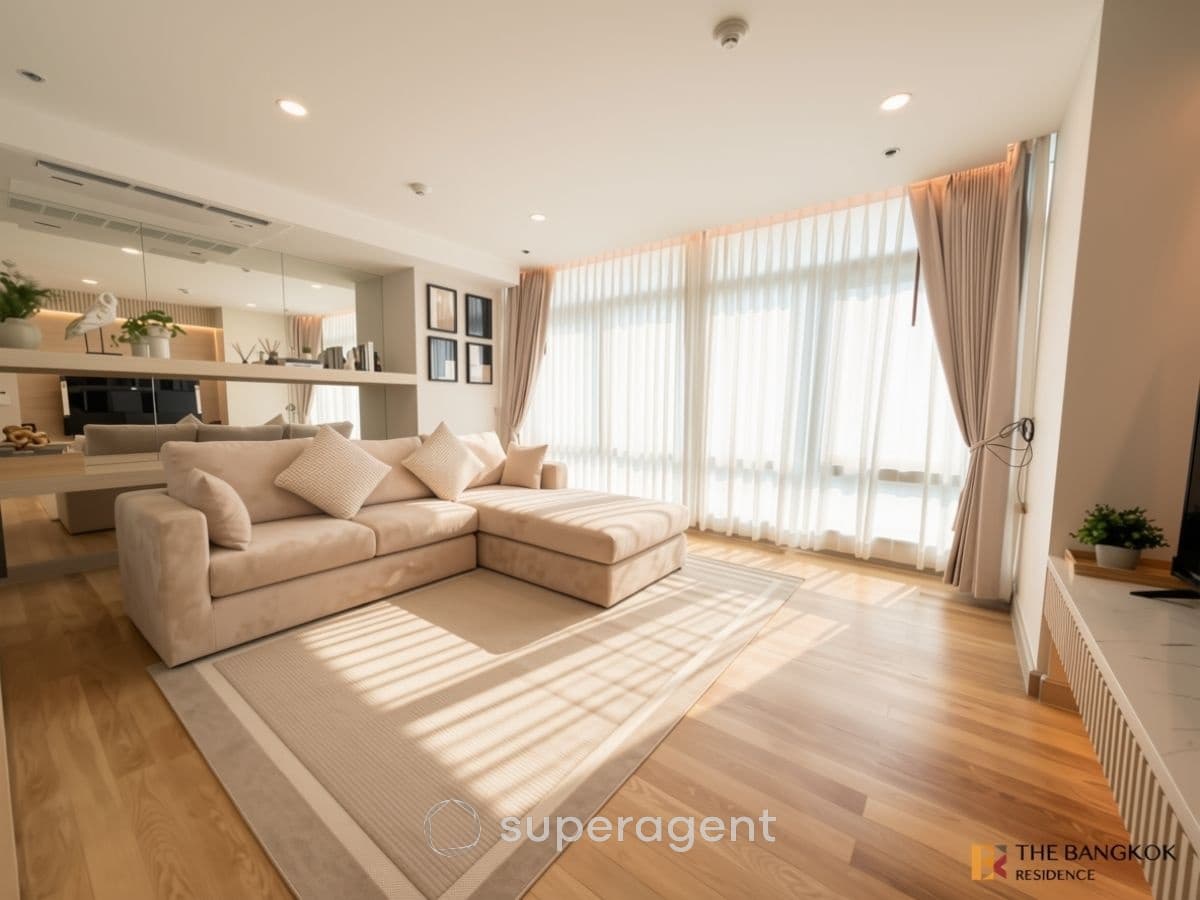
฿120,000
3 Bed3165 sqm
The Height Thonglor, 3BR 165 sq.m. 120K Show Unit Feel, Great Price, Rare Item in the Heart of Thonglor, Near BTS Thonglo
Condo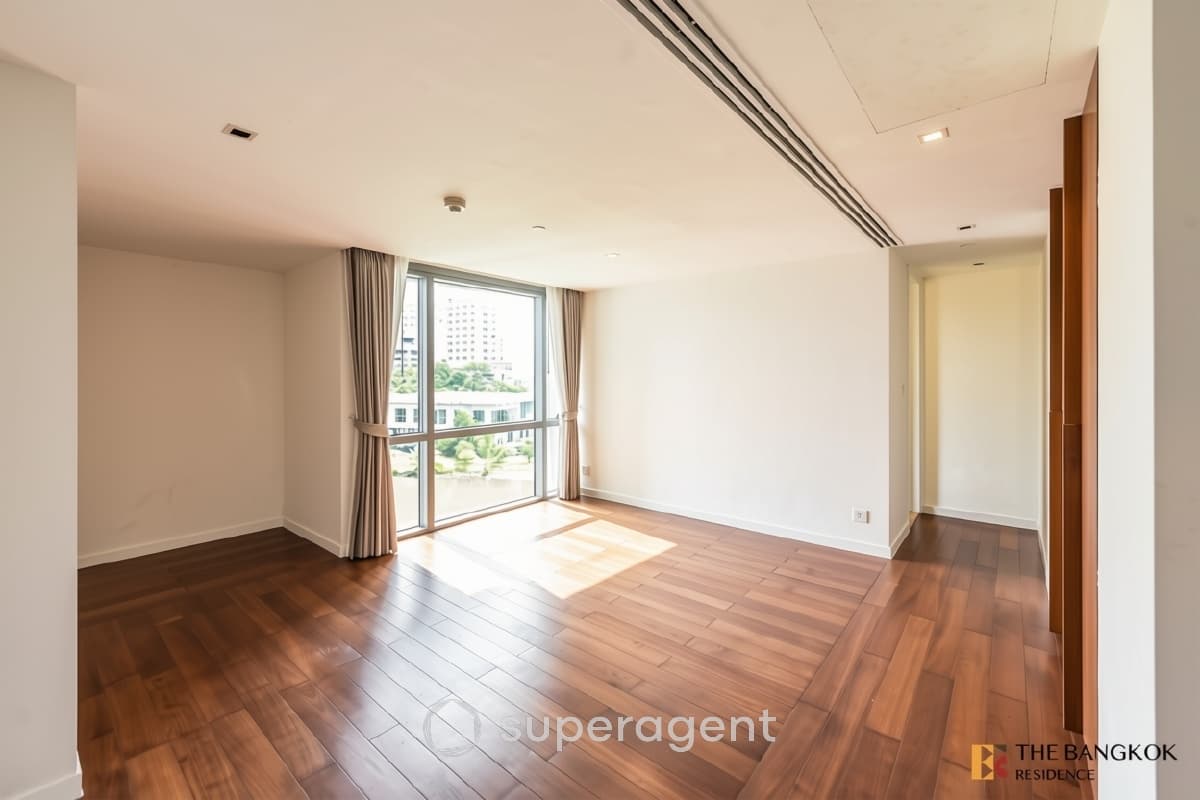
฿180,000
3 Bed4453 sqm
The Pano, 3BR 453sq.m. 180K Spacious Unit, Stunning Views
Condo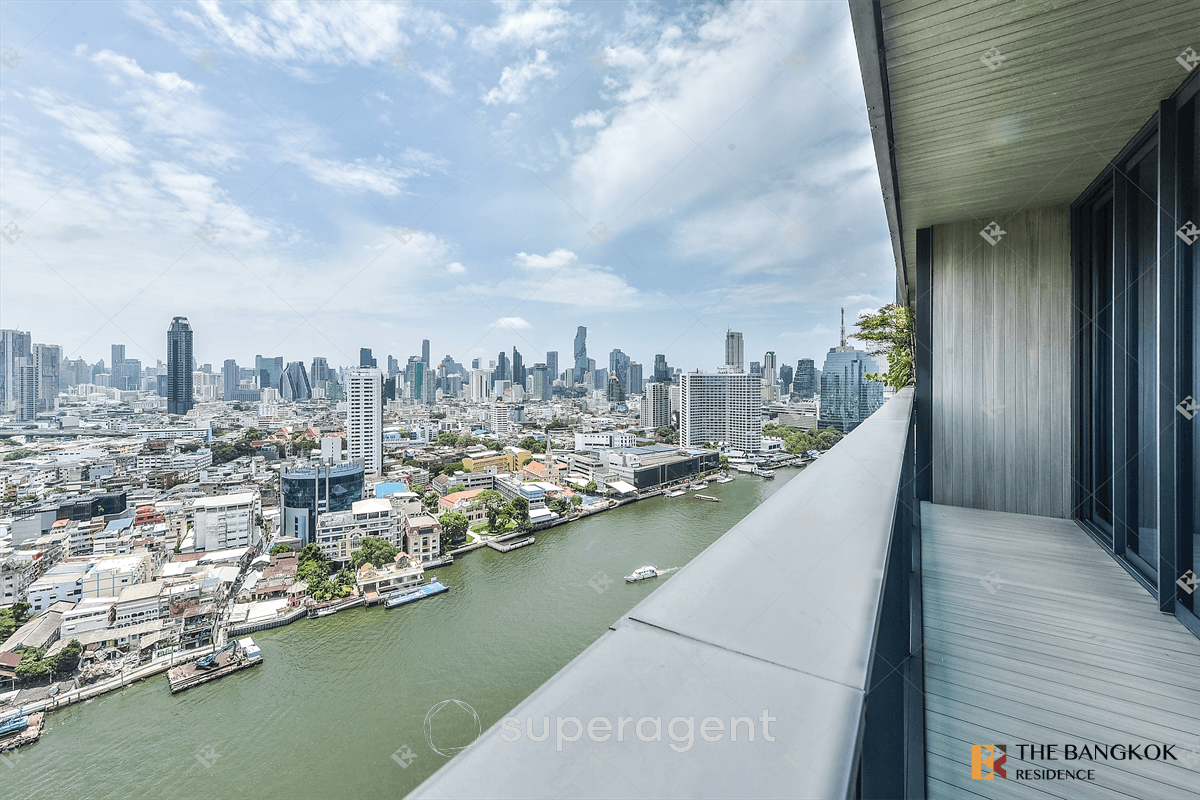
฿190,000
2 Bed2178.3 sqm
Banyan Tree Residence Riverside Bangkok, 2BR 178.34 sq.m. 190K Beautiful Fully Furnished Unit, Near BTS Saphan Taksin
Charoen Nakhon
Condo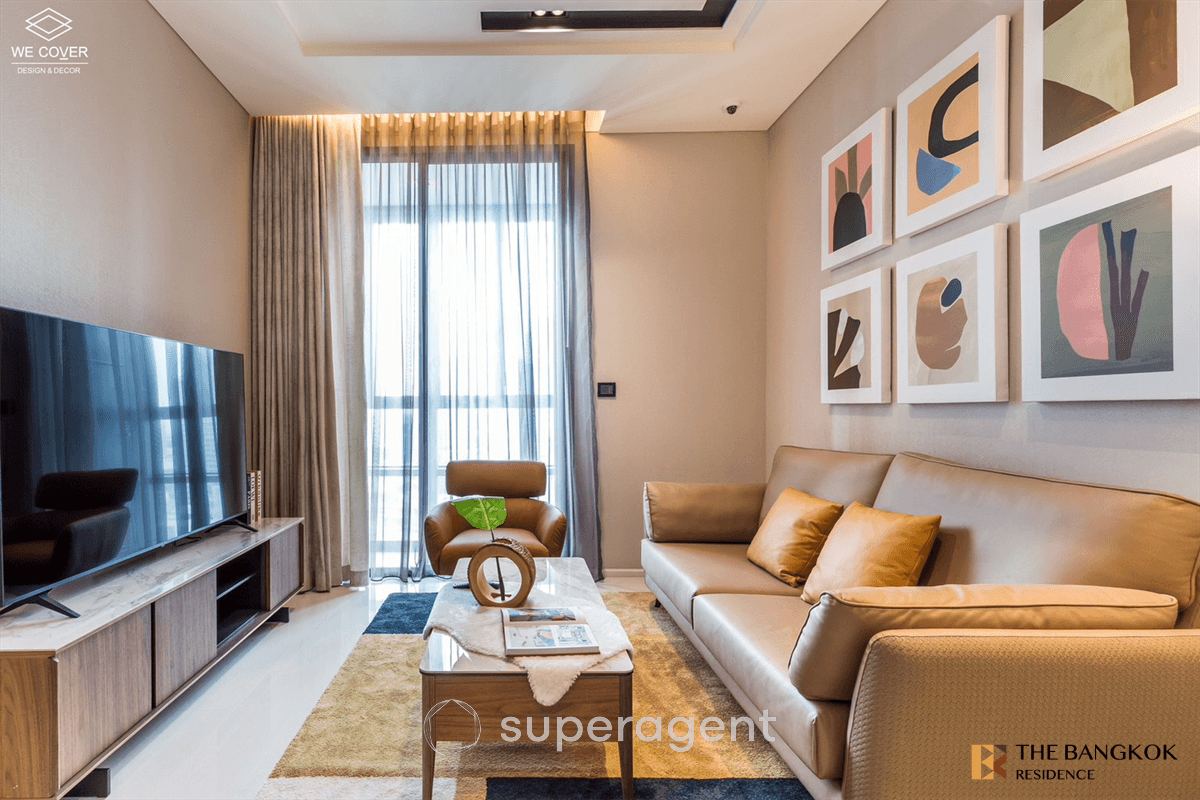
฿59,000
1 Bed155.8 sqm
The Bangkok Thonglor, 1BR 55.8 sq.m. 59K, Premium High Floor Unit, Near BTS Thonglo
Thonglor
Condo![[For Rent] CONDO I Culture Chula I Duplex I 1 Bed I 1 Bath I 35,000THB/mo](/_next/image?url=https%3A%2F%2Fstorage.googleapis.com%2Fsuperagent-web%2Fattachments%2Flistings%2F6760%2F8deaff98-ecb1-4c62-b9be-aecac2f65797-1140-1.jpg&w=3840&q=75)
฿35,000
1 Bed138 sqm
[For Rent] CONDO I Culture Chula I Duplex I 1 Bed I 1 Bath I 35,000THB/mo
Siam
Condo![[For Rent] CONDO I Ideo Chula Samyan I 1 Bed I 1 Bath I 30,000THB/mo](/_next/image?url=https%3A%2F%2Fstorage.googleapis.com%2Fsuperagent-web%2Fattachments%2Flistings%2F6872%2Ff9ab570c-e4ca-41d6-90ee-a8e581218438-1271-8.jpg&w=3840&q=75)
฿30,000
1 Bed135 sqm
[For Rent] CONDO I Ideo Chula Samyan I 1 Bed I 1 Bath I 30,000THB/mo
Siam
Condo![[For Rent] TOWNHOME I Quarter 31 I 4 Beds I 5 Baths I 280,000THB/mo](/_next/image?url=https%3A%2F%2Fstorage.googleapis.com%2Fsuperagent-web%2Fattachments%2Flistings%2F1724%2Fb24f7c3a-8acd-49e4-ae85-6a31498207e4-600-2.jpg&w=3840&q=75)
฿280,000
4 Bed5425 sqm
[For Rent] TOWNHOME I Quarter 31 I 4 Beds I 5 Baths I 280,000THB/mo
Phrom Phong
CondoMore like this
 In Guides · Superagent EditorialHidden Costs of Renting a Condo in Bangkok Nobody Warns You AboutBangkok condo rent looks affordable until month one hits. Here are the real costs beyond the headline figure that catch most renters off guard.25 May 20261 min read
 In Guides · Superagent EditorialWhat a Long-Vacant Bangkok Condo Unit Is Actually Telling YouA Bangkok condo vacant for months signals overpricing, landlord issues, or real problems. Here is how to read the signs.25 May 20261 min read
 In Guides · Superagent EditorialRed Flags in a Bangkok Rental Contract to Watch Out ForBangkok rental contracts often hide risky clauses. Here are the red flags every tenant must catch before signing any lease.25 May 20261 min read
 In Guides · Superagent EditorialWorking Online from a Condo: How to Choose the Perfect Room for ProductivityLearn how to choose the best condo room for working online with tips on lighting, noise, and furniture setup to maximize productivity.9 May 20261 min read