Condo Fire: Immediate Steps and Prevention Guide
Guides
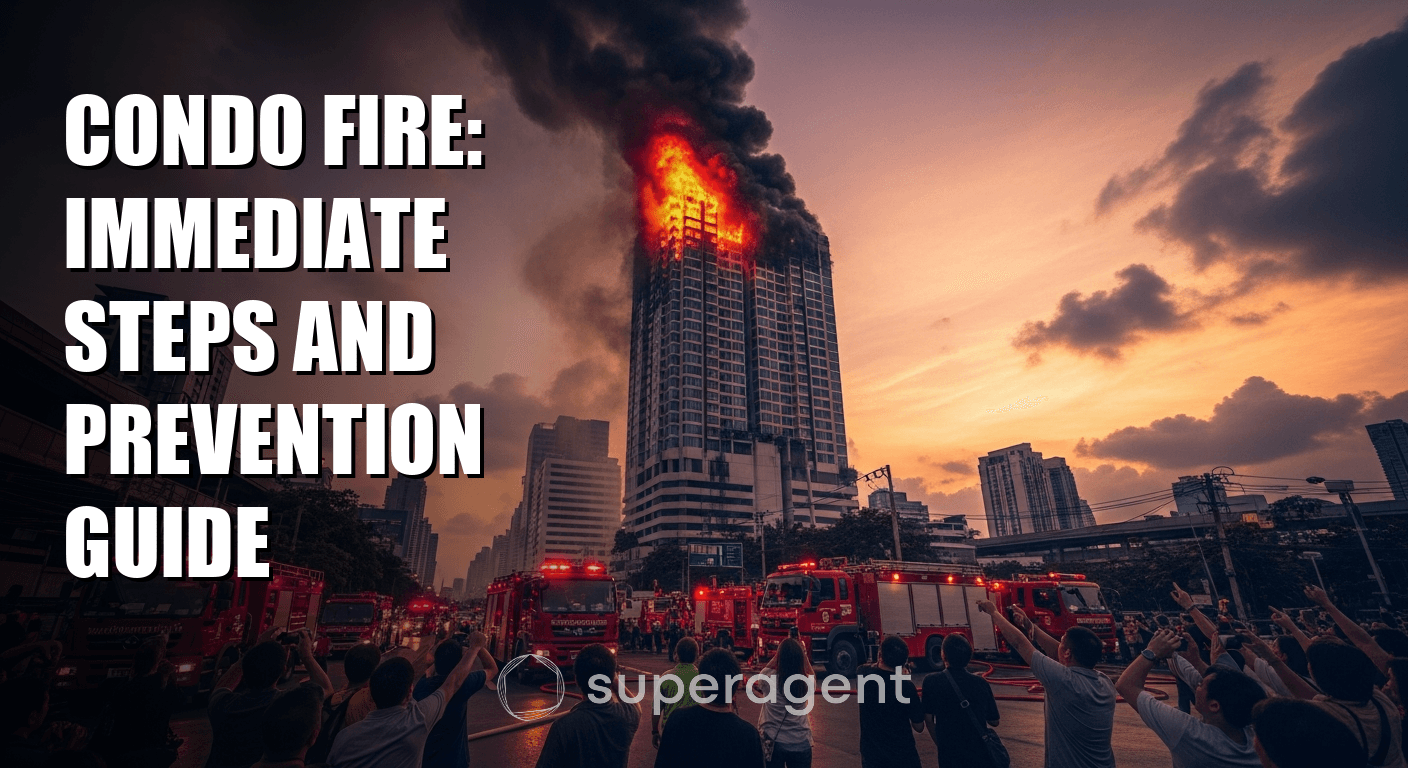
Condo Fire: Immediate Steps and Prevention Guide
Know what to do instantly when fire breaks out in your condo
Summary
ไฟไหม้คอนโดทำอะไร - Learn emergency procedures, evacuation steps, and fire prevention tips to protect your condo and family from fire hazards.
You're lying in bed on a Tuesday night in your Phrom Phong condo, scrolling through your phone, when the smoke alarm pierces the silence. Your heart stops. Within seconds, you smell it, smoke. A fire in the building next door, or maybe floors above you. What do you do in the next five minutes? What should you have done weeks ago to prepare?
Condo fires in Bangkok happen more often than most renters realize. The Bangkok Fire Department responds to roughly 15,000 fire incidents yearly across the city, and high-rise residential buildings account for a steady chunk of those calls. If you're renting a condo in Bangkok, whether it's a compact studio in On Nut or a spacious two-bedroom in Thonglor, understanding fire safety isn't optional. It's survival.
This guide walks you through exactly what to do if a fire starts in your building, how to prepare before disaster strikes, and which neighborhoods have better fire response infrastructure. Because panic kills. Knowledge saves.
Evacuate Immediately: The First 60 Seconds
The moment you confirm there's a fire, smoke, flames, alarm, or the smell of burning plastic, stop everything. Don't grab your laptop. Don't call your landlord. Don't take the elevator.
Most condo fires spread faster than people think. The smoke alone can kill you in minutes. Your job is to get out, not to fight the fire or collect your belongings. Leave your unit door open so fire crews can see it's empty when they arrive. Unlock deadbolts and chains in advance so you can exit fast without fumbling. If you're in a habit of keeping your door chained at night, that habit will kill you in a fire.
Use the stairs. Always the stairs. Elevators fail in fires. The doors jam. The shafts fill with smoke. Even if the elevator seems to work, use the stairs. In a mid-rise or high-rise condo like those in Sukhumvit between Prompong and Ekamai, you might be climbing 15 or 20 flights. Your legs will burn. Keep climbing.
Stay low if you see smoke in the stairwell. The coolest, least toxic air stays near the ground. Crawl if you have to. Feel the wall with one hand so you don't get disoriented and wander into a closed door.
What To Do Once You're Outside the Building
Evacuate to a safe distance, at least 100 meters away from the building. Don't crowd the entrance where fire trucks need to enter. Move to the opposite side of the soi or street if possible. This is where fire crews will set up, and you'll be in their way or, worse, in danger from falling debris or secondary explosions.
Once you're outside, call 191 (the Bangkok Fire Department emergency number). Give them your building's exact address and soi number. Say what floor the fire appears to be on if you know it. Describe what you see: heavy smoke, flames visible, people still inside. The more detail, the faster they can deploy resources.
Do not go back inside for anything. Not your wallet. Not your cat. Not your grandmother's jewelry. Fire crews know how to search buildings. You don't. Most condo fire deaths happen because people re-enter to retrieve belongings or family members who they didn't realize had already evacuated through a different exit.
If there are people around you, help anyone who looks disoriented or injured. Sit them down, make sure they're breathing, and alert a fire crew the moment one arrives. Bangkok hospitals like Bumrungrad and Samitivej have trauma and burn units prepared for fire disasters. Getting someone to oxygen matters far more than staying with them.
Before the Fire: Preparation That Actually Works
You can't control whether a fire starts in your condo or a neighboring unit. You can control whether you're ready when it does.
First, know your building's evacuation plan. Most condo buildings in Bangkok have one. Many renters never read it. Go to your building management office this week. Ask for a copy. Read it. Identify your primary exit and your secondary exit. If your unit is near the main stairwell, great. If you're on the far end of a 60-unit floor, you need to know where the secondary stairs are.
Second, practice your exit mentally at least once. Imagine you wake at 3 a.m. to a smoke alarm. Without turning on lights (smoke may have cut power or filled hallways), can you find the door? Can you reach the stairs? Walk the route slowly in daylight. Notice obstacles. Note if the hallway is a long corridor where you could easily get confused. Buildings in areas like Ari or Ratchayothin with older construction sometimes have confusing layouts.
Third, keep a small flashlight and a dust mask near your bed. A good N95 mask blocks smoke inhalation long enough to get you down a few flights. A flashlight helps you see exits when smoke is heavy. Don't overthink it. A 200-baht flashlight from 7-Eleven and a pack of masks cost less than one month's coffee in Bangkok.
Fourth, tell your family or housemates the plan. If you share the condo with a partner or kids, everyone needs to know: when you hear an alarm, you go to the stairs. No exceptions. No arguments. Families separated in fires often can't find each other for hours. If everyone knows the plan and sticks to it, you reunite faster outside.
Know Your Building's Fire Safety Systems
Bangkok's fire safety standards for condos are governed by the Building Control Code and the Bangkok Metropolitan Administration. The rules require fire extinguishers on every floor, sprinkler systems in common areas, and emergency lighting along evacuation routes. A good condo actually has these things installed and maintained. A mediocre one has them gathering dust.
When you rent a unit, ask your landlord or the building manager three specific questions: When was the last fire safety inspection? Do the fire extinguishers get serviced annually? Are the sprinklers tested regularly? If they can't answer, that's a red flag. Buildings in central Bangkok like those near BTS Chit Lom or MRT Sukhumvit generally have tighter oversight than older, smaller buildings in outer areas.
Fire extinguishers are in your unit or on your floor. You don't need to use one. Seriously. The moment you try to fight a fire yourself, you've already made a mistake. The only exception is a tiny fire in a trash can or stovetop that hasn't spread, and even then, most people spray a fire extinguisher and end up suffocating on the powder while flames grow. Your job is to leave. Let professionals handle the fire.
Sprinkler systems, though, are different. They work without you doing anything. When heat triggers them, water flows automatically. This buys time for evacuation and slows the fire's spread. If your condo has functional sprinklers in hallways and common areas, that's a genuine safety advantage. Check building brochures or ask the manager which areas are covered.
Fire Risk Varies by Bangkok Neighborhood and Building Age
Some neighborhoods and building types carry higher fire risk than others. This isn't about rich or poor, central or fringe. It's about building maintenance, electrical safety, and density.
- New developments (Thonglor, Emporium area, Ekkamai BTS zone): Modern fire codes, regular inspections, newer wiring vs Know emergency exits; assume systems work
- Mid-age buildings 10-25 years old (Phetchaburi, Rama IX, Din Daeng): Electrical wear, aging wiring, potential code gaps, possible maintenance lapses vs Ask about electrical inspections; check hallway lighting; verify emergency protocols
- Older buildings 25+ years (Ari, Chatuchak perimeter, older Sukhumvit sois): Outdated wiring, modified layouts, slower inspections, higher tenant turnover vs Know two exits; keep escape route clear; communicate exit plan with housemates
- High-density mixed-use (Pratunam, Sampeng area, warehouse conversions): Shared spaces with businesses, increased electrical load, complex layouts, crowded stairwells vs Identify primary and secondary exits early; avoid peak hours in stairwells; keep phone charged
New buildings in central areas like Thonglor or near BTS Chit Lom follow current fire codes strictly. Inspections happen regularly. Developers fear liability. Older buildings in neighborhoods like Ari or around Chatuchak, especially those built before 2005, often have electrical systems that have been patched and modified over years. That doesn't mean they're unsafe, but it means you need to be more proactive about knowing exits and asking management about safety records.
According to the Bangkok Fire Department's annual reports, condos between 15 and 30 years old account for a disproportionate share of fire incidents, largely due to aging electrical systems and delayed maintenance. Buildings in that age range near MRT Rama IX or in Hua Mark tend to see more electrical fires than newer developments. If you're renting in that demographic of building, ask specific questions about electrical safety and maintenance records.
Common Fire Causes in Bangkok Condos and How to Prevent Them
Most condo fires in Bangkok start for preventable reasons: faulty air conditioning units, overloaded electrical outlets, burning incense or candles left unattended, or cooking accidents in kitchens. You can't control other units, but you can control yours.
Don't overload outlets. I know Thai rentals often have fewer outlets than you'd like. Buy a quality power strip with surge protection, not the cheap 50-baht kind that melts. If you're running an air conditioner, a coffee maker, a phone charger, a laptop, and a fan all from one outlet, you're creating a fire hazard. Spread the load or upgrade the outlet.
If you use an air conditioning unit that comes with the condo, don't mess with it. Poorly installed units or damaged ones with refrigerant leaks can catch fire. If it smells odd or makes grinding noises, tell your landlord immediately. Don't assume it's fine just because it cools the room.
Keep your balcony and storage areas clear of boxes, old clothes, and trash. In smaller units around On Nut or Bang Chak, renters often pile storage items on balconies. If those items catch fire from a neighboring unit's fire, they burn faster and spread flames to your unit or the building exterior.
Cooking fires are the single most common cause of residential fires in Bangkok. If you cook, use the stove actively. Don't leave oil heating unattended. Don't dry clothes near the stove. Don't let grease buildup accumulate in the hood. Keep a fire extinguisher in the kitchen if you cook regularly, but remember: if fire spreads beyond the stovetop, you evacuate. You don't fight it.
After a Fire: What Happens to Your Tenancy and Belongings
If a serious fire damages your condo or makes it uninhabitable, your rental agreement typically voids immediately. You have the right to leave without penalty. The landlord's property insurance should cover the building's structural damage, but your personal belongings are on you unless you have renter's insurance. Very few renters in Bangkok carry it. Most lose thousands of baht.
For temporary housing after a fire, your landlord is not obligated to pay. This is why many long-term renters in Bangkok buy renter's insurance through AIS or other providers for 2,000 to 5,000 baht per year. It covers your belongings and temporary relocation costs. If you're renting for more than six months, it's worth the cost.
Your lease agreement should specify what happens if the building is damaged. Some landlords have clauses about temporary relocation. Many don't. Read your contract now, before any crisis. If there's ambiguity, talk to your landlord today. A conversation now prevents a nightmare later.
Fire in a condo building you rent in Bangkok isn't something you can ignore or hope doesn't happen. But you can prepare. You can know the exits. You can have a plan. You can recognize the moment to leave. When that smoke alarm sounds, your body will remember the plan you practiced, and you'll move. That muscle memory, built from preparation, is what gets you safely out.
Whether you're in a compact unit near BTS On Nut or a larger space near Sukhumvit, the principles stay the same: know your exit, tell others your plan, and go when the alarm sounds. Don't wait for official confirmation. Don't think the fire is somewhere else. Move.
If you're currently searching for a condo rental in Bangkok and fire safety is a concern (and it should be), Superagent.co lets you filter buildings by age, location, and safety features. You can message landlords directly to ask about maintenance records and fire safety protocols before signing a lease. Having that conversation early means you're already prepared.
You're lying in bed on a Tuesday night in your Phrom Phong condo, scrolling through your phone, when the smoke alarm pierces the silence. Your heart stops. Within seconds, you smell it, smoke. A fire in the building next door, or maybe floors above you. What do you do in the next five minutes? What should you have done weeks ago to prepare?
Condo fires in Bangkok happen more often than most renters realize. The Bangkok Fire Department responds to roughly 15,000 fire incidents yearly across the city, and high-rise residential buildings account for a steady chunk of those calls. If you're renting a condo in Bangkok, whether it's a compact studio in On Nut or a spacious two-bedroom in Thonglor, understanding fire safety isn't optional. It's survival.
This guide walks you through exactly what to do if a fire starts in your building, how to prepare before disaster strikes, and which neighborhoods have better fire response infrastructure. Because panic kills. Knowledge saves.
Evacuate Immediately: The First 60 Seconds
The moment you confirm there's a fire, smoke, flames, alarm, or the smell of burning plastic, stop everything. Don't grab your laptop. Don't call your landlord. Don't take the elevator.
Most condo fires spread faster than people think. The smoke alone can kill you in minutes. Your job is to get out, not to fight the fire or collect your belongings. Leave your unit door open so fire crews can see it's empty when they arrive. Unlock deadbolts and chains in advance so you can exit fast without fumbling. If you're in a habit of keeping your door chained at night, that habit will kill you in a fire.
Use the stairs. Always the stairs. Elevators fail in fires. The doors jam. The shafts fill with smoke. Even if the elevator seems to work, use the stairs. In a mid-rise or high-rise condo like those in Sukhumvit between Prompong and Ekamai, you might be climbing 15 or 20 flights. Your legs will burn. Keep climbing.
Stay low if you see smoke in the stairwell. The coolest, least toxic air stays near the ground. Crawl if you have to. Feel the wall with one hand so you don't get disoriented and wander into a closed door.
What To Do Once You're Outside the Building
Evacuate to a safe distance, at least 100 meters away from the building. Don't crowd the entrance where fire trucks need to enter. Move to the opposite side of the soi or street if possible. This is where fire crews will set up, and you'll be in their way or, worse, in danger from falling debris or secondary explosions.
Continue reading after that.
Looking for a condo
to rent?
Leave your name and phone. We'll follow up while you keep reading.
100% Secure
Fast Response
Free Consultation
Once you're outside, call 191 (the Bangkok Fire Department emergency number). Give them your building's exact address and soi number. Say what floor the fire appears to be on if you know it. Describe what you see: heavy smoke, flames visible, people still inside. The more detail, the faster they can deploy resources.
Do not go back inside for anything. Not your wallet. Not your cat. Not your grandmother's jewelry. Fire crews know how to search buildings. You don't. Most condo fire deaths happen because people re-enter to retrieve belongings or family members who they didn't realize had already evacuated through a different exit.
If there are people around you, help anyone who looks disoriented or injured. Sit them down, make sure they're breathing, and alert a fire crew the moment one arrives. Bangkok hospitals like Bumrungrad and Samitivej have trauma and burn units prepared for fire disasters. Getting someone to oxygen matters far more than staying with them.
Before the Fire: Preparation That Actually Works
You can't control whether a fire starts in your condo or a neighboring unit. You can control whether you're ready when it does.
First, know your building's evacuation plan. Most condo buildings in Bangkok have one. Many renters never read it. Go to your building management office this week. Ask for a copy. Read it. Identify your primary exit and your secondary exit. If your unit is near the main stairwell, great. If you're on the far end of a 60-unit floor, you need to know where the secondary stairs are.
Second, practice your exit mentally at least once. Imagine you wake at 3 a.m. to a smoke alarm. Without turning on lights (smoke may have cut power or filled hallways), can you find the door? Can you reach the stairs? Walk the route slowly in daylight. Notice obstacles. Note if the hallway is a long corridor where you could easily get confused. Buildings in areas like Ari or Ratchayothin with older construction sometimes have confusing layouts.
Third, keep a small flashlight and a dust mask near your bed. A good N95 mask blocks smoke inhalation long enough to get you down a few flights. A flashlight helps you see exits when smoke is heavy. Don't overthink it. A 200-baht flashlight from 7-Eleven and a pack of masks cost less than one month's coffee in Bangkok.
Fourth, tell your family or housemates the plan. If you share the condo with a partner or kids, everyone needs to know: when you hear an alarm, you go to the stairs. No exceptions. No arguments. Families separated in fires often can't find each other for hours. If everyone knows the plan and sticks to it, you reunite faster outside.
Know Your Building's Fire Safety Systems
Bangkok's fire safety standards for condos are governed by the Building Control Code and the Bangkok Metropolitan Administration. The rules require fire extinguishers on every floor, sprinkler systems in common areas, and emergency lighting along evacuation routes. A good condo actually has these things installed and maintained. A mediocre one has them gathering dust.
When you rent a unit, ask your landlord or the building manager three specific questions: When was the last fire safety inspection? Do the fire extinguishers get serviced annually? Are the sprinklers tested regularly? If they can't answer, that's a red flag. Buildings in central Bangkok like those near BTS Chit Lom or MRT Sukhumvit generally have tighter oversight than older, smaller buildings in outer areas.
Fire extinguishers are in your unit or on your floor. You don't need to use one. Seriously. The moment you try to fight a fire yourself, you've already made a mistake. The only exception is a tiny fire in a trash can or stovetop that hasn't spread, and even then, most people spray a fire extinguisher and end up suffocating on the powder while flames grow. Your job is to leave. Let professionals handle the fire.
Sprinkler systems, though, are different. They work without you doing anything. When heat triggers them, water flows automatically. This buys time for evacuation and slows the fire's spread. If your condo has functional sprinklers in hallways and common areas, that's a genuine safety advantage. Check building brochures or ask the manager which areas are covered.
Fire Risk Varies by Bangkok Neighborhood and Building Age
Some neighborhoods and building types carry higher fire risk than others. This isn't about rich or poor, central or fringe. It's about building maintenance, electrical safety, and density.
- New developments (Thonglor, Emporium area, Ekkamai BTS zone): Modern fire codes, regular inspections, newer wiring vs Know emergency exits; assume systems work
- Mid-age buildings 10-25 years old (Phetchaburi, Rama IX, Din Daeng): Electrical wear, aging wiring, potential code gaps, possible maintenance lapses vs Ask about electrical inspections; check hallway lighting; verify emergency protocols
- Older buildings 25+ years (Ari, Chatuchak perimeter, older Sukhumvit sois): Outdated wiring, modified layouts, slower inspections, higher tenant turnover vs Know two exits; keep escape route clear; communicate exit plan with housemates
- High-density mixed-use (Pratunam, Sampeng area, warehouse conversions): Shared spaces with businesses, increased electrical load, complex layouts, crowded stairwells vs Identify primary and secondary exits early; avoid peak hours in stairwells; keep phone charged
New buildings in central areas like Thonglor or near BTS Chit Lom follow current fire codes strictly. Inspections happen regularly. Developers fear liability. Older buildings in neighborhoods like Ari or around Chatuchak, especially those built before 2005, often have electrical systems that have been patched and modified over years. That doesn't mean they're unsafe, but it means you need to be more proactive about knowing exits and asking management about safety records.
According to the Bangkok Fire Department's annual reports, condos between 15 and 30 years old account for a disproportionate share of fire incidents, largely due to aging electrical systems and delayed maintenance. Buildings in that age range near MRT Rama IX or in Hua Mark tend to see more electrical fires than newer developments. If you're renting in that demographic of building, ask specific questions about electrical safety and maintenance records.
Continue reading after that.
Looking for a condo
to rent?
Leave your name and phone. We'll follow up while you keep reading.
100% Secure
Fast Response
Free Consultation
Common Fire Causes in Bangkok Condos and How to Prevent Them
Most condo fires in Bangkok start for preventable reasons: faulty air conditioning units, overloaded electrical outlets, burning incense or candles left unattended, or cooking accidents in kitchens. You can't control other units, but you can control yours.
Don't overload outlets. I know Thai rentals often have fewer outlets than you'd like. Buy a quality power strip with surge protection, not the cheap 50-baht kind that melts. If you're running an air conditioner, a coffee maker, a phone charger, a laptop, and a fan all from one outlet, you're creating a fire hazard. Spread the load or upgrade the outlet.
If you use an air conditioning unit that comes with the condo, don't mess with it. Poorly installed units or damaged ones with refrigerant leaks can catch fire. If it smells odd or makes grinding noises, tell your landlord immediately. Don't assume it's fine just because it cools the room.
Keep your balcony and storage areas clear of boxes, old clothes, and trash. In smaller units around On Nut or Bang Chak, renters often pile storage items on balconies. If those items catch fire from a neighboring unit's fire, they burn faster and spread flames to your unit or the building exterior.
Cooking fires are the single most common cause of residential fires in Bangkok. If you cook, use the stove actively. Don't leave oil heating unattended. Don't dry clothes near the stove. Don't let grease buildup accumulate in the hood. Keep a fire extinguisher in the kitchen if you cook regularly, but remember: if fire spreads beyond the stovetop, you evacuate. You don't fight it.
After a Fire: What Happens to Your Tenancy and Belongings
If a serious fire damages your condo or makes it uninhabitable, your rental agreement typically voids immediately. You have the right to leave without penalty. The landlord's property insurance should cover the building's structural damage, but your personal belongings are on you unless you have renter's insurance. Very few renters in Bangkok carry it. Most lose thousands of baht.
For temporary housing after a fire, your landlord is not obligated to pay. This is why many long-term renters in Bangkok buy renter's insurance through AIS or other providers for 2,000 to 5,000 baht per year. It covers your belongings and temporary relocation costs. If you're renting for more than six months, it's worth the cost.
Your lease agreement should specify what happens if the building is damaged. Some landlords have clauses about temporary relocation. Many don't. Read your contract now, before any crisis. If there's ambiguity, talk to your landlord today. A conversation now prevents a nightmare later.
Fire in a condo building you rent in Bangkok isn't something you can ignore or hope doesn't happen. But you can prepare. You can know the exits. You can have a plan. You can recognize the moment to leave. When that smoke alarm sounds, your body will remember the plan you practiced, and you'll move. That muscle memory, built from preparation, is what gets you safely out.
Whether you're in a compact unit near BTS On Nut or a larger space near Sukhumvit, the principles stay the same: know your exit, tell others your plan, and go when the alarm sounds. Don't wait for official confirmation. Don't think the fire is somewhere else. Move.
If you're currently searching for a condo rental in Bangkok and fire safety is a concern (and it should be), Superagent.co lets you filter buildings by age, location, and safety features. You can message landlords directly to ask about maintenance records and fire safety protocols before signing a lease. Having that conversation early means you're already prepared.
Share this article
Properties you may like
![[For Rent] CONDO I Las Colinas Condominium I 2 Beds I 3 Baths I 85,000THB/mo](/_next/image?url=https%3A%2F%2Fstorage.googleapis.com%2Fsuperagent-web%2Fattachments%2Flistings%2F6828%2F80f345c4-488e-43b2-b017-c9fbb17b520d-99486dd8-4237-4ba2-9207-01ce4f66b21f-media.jpg&w=3840&q=75)
฿85,000
2 Bed3170 sqm
[For Rent] CONDO I Las Colinas Condominium I 2 Beds I 3 Baths I 85,000THB/mo
Asoke
Condo![[For Rent] CONDO I Ashton Asoke I 1 Bed I 1 Bath I 30,000THB/mo](/_next/image?url=https%3A%2F%2Fstorage.googleapis.com%2Fsuperagent-web%2Fattachments%2Flistings%2F6876%2Fb7ce9bbe-f877-4ff5-bb54-8ad0026db940-1272-4.jpg&w=3840&q=75)
฿30,000
1 Bed135 sqm
[For Rent] CONDO I Ashton Asoke I 1 Bed I 1 Bath I 30,000THB/mo
Asoke
Condo![[For Rent] CONDO I Skyrise Avenue Sukhumvit 64 I 2 Beds I 2 Baths I 27,000THB/mo](/_next/image?url=https%3A%2F%2Fstorage.googleapis.com%2Fsuperagent-web%2Fattachments%2Flistings%2F2001%2F670f91de-c251-4e81-971c-8e30ed2158cd-screenshot-2026-07-05-at-11.38.53-pm.png&w=3840&q=75)
฿27,000
2 Bed252 sqm
[For Rent] CONDO I Skyrise Avenue Sukhumvit 64 I 2 Beds I 2 Baths I 27,000THB/mo
Punnawithi
Condo![[For Rent] CONDO I Park Origin Ratchathewi I Duplex I 2 Beds I 1 Bath I 32,000THB/mo](/_next/image?url=https%3A%2F%2Fstorage.googleapis.com%2Fsuperagent-web%2Fattachments%2Flistings%2F6896%2Fb79a7d21-7533-4b0d-bb19-762ebfafab62-1318-6.jpg&w=3840&q=75)
฿32,000
2 Bed135.9 sqm
[For Rent] CONDO I Park Origin Ratchathewi I Duplex I 2 Beds I 1 Bath I 32,000THB/mo
Ratchathewi
Condo![[For Rent] CONDO I Park Origin Phayathai I Studio I 1 Bath I 28,000THB/mo](/_next/image?url=https%3A%2F%2Fstorage.googleapis.com%2Fsuperagent-web%2Fattachments%2Flistings%2F6757%2Fb226df93-94c6-46fa-aeba-ebfadc7f81b8-1000006042.jpg&w=3840&q=75)
฿28,000
Studio129 sqm
[For Rent] CONDO I Park Origin Phayathai I Studio I 1 Bath I 28,000THB/mo
Phaya Thai
Condo![[For Rent] CONDO I Ideo Mobi Sukhumvit 81 I Duplex I 1 Bed I 1 Bath I 28,000THB/mo](/_next/image?url=https%3A%2F%2Fstorage.googleapis.com%2Fsuperagent-web%2Fattachments%2Flistings%2F1849%2Fc8b2c033-3b5f-4615-b2b0-4972f40141f0-705-13.jpg&w=3840&q=75)
฿28,000
1 Bed143 sqm
[For Rent] CONDO I Ideo Mobi Sukhumvit 81 I Duplex I 1 Bed I 1 Bath I 28,000THB/mo
On Nut
Condo![[For Rent] CONDO I Siamese Sukhumvit 48 I 1 Bed I 1 Bath I 28,000THB/mo](/_next/image?url=https%3A%2F%2Fstorage.googleapis.com%2Fsuperagent-web%2Fattachments%2Flistings%2F6841%2Febc2dce2-2e9b-4e6d-a01c-0cfa619dfa13-1231-6.jpg&w=3840&q=75)
฿28,000
1 Bed144 sqm
[For Rent] CONDO I Siamese Sukhumvit 48 I 1 Bed I 1 Bath I 28,000THB/mo
Condo![[For Rent] CONDO I Ashton Asoke I 1 Bed I 1 Bath I 22,000THB/mo](/_next/image?url=https%3A%2F%2Fstorage.googleapis.com%2Fsuperagent-web%2Fattachments%2Flistings%2F6802%2Fe06b9b73-1207-414a-ab04-1685de0c7eaa-20220808_153124_0.jpg&w=3840&q=75)
฿22,000
1 Bed134 sqm
[For Rent] CONDO I Ashton Asoke I 1 Bed I 1 Bath I 22,000THB/mo
Asoke
Condo![[For Rent] CONDO I HQ Thonglor Soi 4 I 1 Bed I 1 Bath I 35,000 THB/mo](/_next/image?url=https%3A%2F%2Fstorage.googleapis.com%2Fsuperagent-web%2Fattachments%2Flistings%2F1445%2F72352585-1bc2-41a8-bd62-ddcbf8189fe9-376-5.jpg&w=3840&q=75)
฿35,000
1 Bed143.6 sqm
[For Rent] CONDO I HQ Thonglor Soi 4 I 1 Bed I 1 Bath I 35,000 THB/mo
Thonglor
Condo![[For Rent] CONDO I The Master Centrium Asoke - Sukhumvit I Duplex I 2 Beds I 3 Baths I 75,000 THB/mo](/_next/image?url=https%3A%2F%2Fstorage.googleapis.com%2Fsuperagent-web%2Fattachments%2Flistings%2F1545%2F97932b6a-c358-45e4-b5f9-995dbf5a3cf0-441-2.jpg&w=3840&q=75)
฿75,000
2 Bed3150 sqm
[For Rent] CONDO I The Master Centrium Asoke - Sukhumvit I Duplex I 2 Beds I 3 Baths I 75,000 THB/mo
Asoke
CondoMore like this
 In Guides · Superagent EditorialHidden Costs of Renting a Condo in Bangkok Nobody Warns You AboutBangkok condo rent looks affordable until month one hits. Here are the real costs beyond the headline figure that catch most renters off guard.25 May 20261 min read
 In Guides · Superagent EditorialWhat a Long-Vacant Bangkok Condo Unit Is Actually Telling YouA Bangkok condo vacant for months signals overpricing, landlord issues, or real problems. Here is how to read the signs.25 May 20261 min read
 In Guides · Superagent EditorialRed Flags in a Bangkok Rental Contract to Watch Out ForBangkok rental contracts often hide risky clauses. Here are the red flags every tenant must catch before signing any lease.25 May 20261 min read
 In Guides · Superagent EditorialWorking Online from a Condo: How to Choose the Perfect Room for ProductivityLearn how to choose the best condo room for working online with tips on lighting, noise, and furniture setup to maximize productivity.9 May 20261 min read