Pet Fees in Condos: What Do Owners Really Think?
Guides
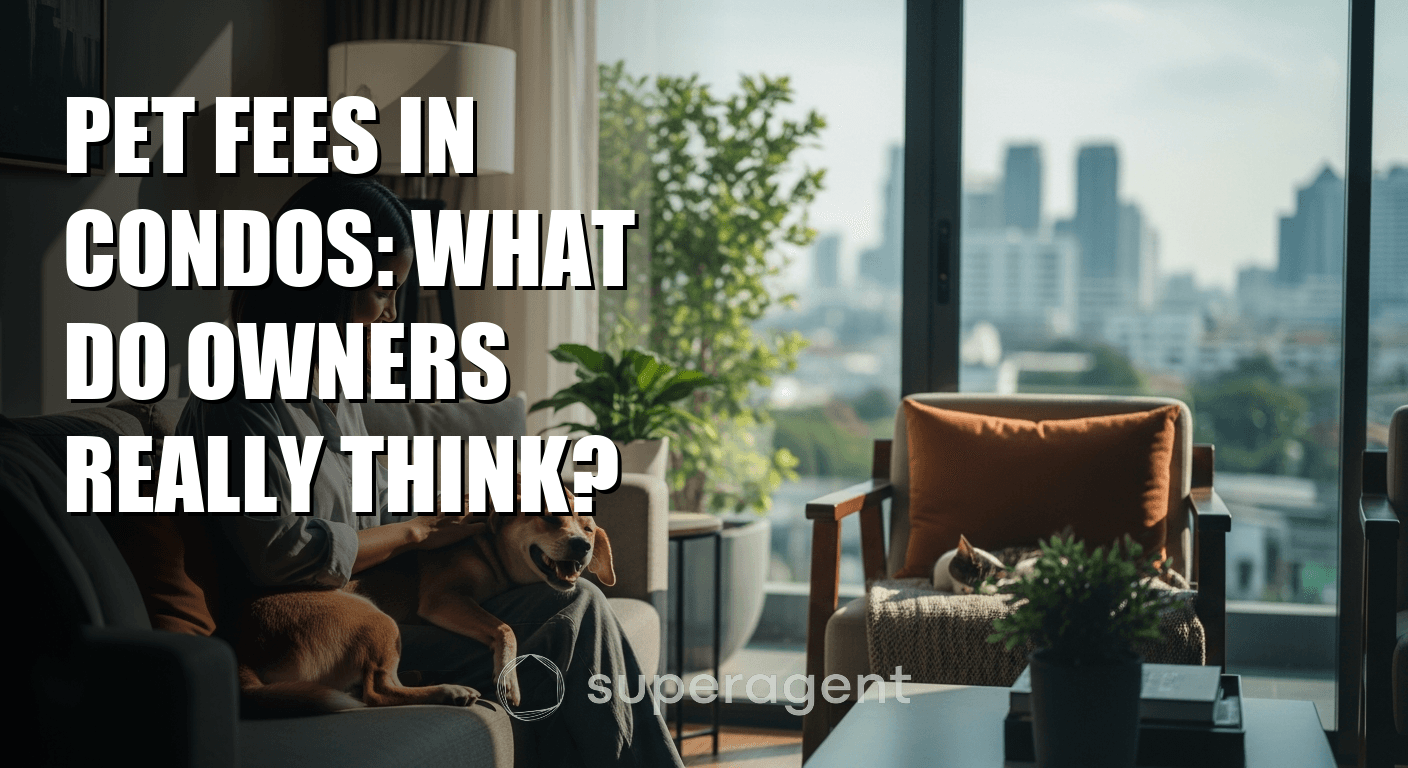
Pet Fees in Condos: What Do Owners Really Think?
Discover why pet fees matter and how condo owners view them
Summary
ค่าธรรมเนียมสัตว์เลี้ยงคอนโด varies widely across Bangkok properties. Learn what owners think about pet policies and fees in their buildings.
If you're hunting for a condo in Bangkok with a dog or cat in tow, you've probably already discovered that pet policies aren't one-size-fits-all. Some buildings welcome your furry friend like family. Others? They'll slap a pet fee on your contract faster than you can say "Soi Thonglor." Understanding what condo owners actually think about pet fees is the difference between landing your dream apartment at Ploenchit or getting rejected before your landlord even meets you.
Let's be real: Bangkok landlords care about three things when it comes to pets. They want to know your pet won't trash the unit, won't annoy neighbors with barking at 3 AM, and won't turn their investment into a liability nightmare. Pet fees exist because these concerns are legitimate. But what exactly are condo owners thinking when they set those fees, and how much should you actually expect to pay?
Why Condo Owners Charge Pet Fees in the First Place
Bangkok condo owners aren't just making up random numbers when they hit you with a monthly pet charge. There's actual math behind it, and understanding their logic helps you negotiate better or find buildings that align with your budget.
First, there's depreciation. Pets scratch floors, damage walls, and leave odors that require professional cleaning between tenants. A unit that rented for 30,000 THB per month suddenly needs 5,000 to 8,000 THB worth of repairs after a dog lived there for two years. Owners spread that risk across the tenancy with a monthly pet fee. That's how they think.
Second, there's liability. If your dog bites a neighbor or damages someone else's unit, who's responsible? The building management worries about getting sued. Pet fees give them a financial cushion and, more importantly, documentation that they were aware of the pet and took precautions. It protects them legally.
Third, there's the neighbor factor. A building with too many pets becomes chaotic. Barking, smell complaints, territorial issues in lobbies and common areas. Owners who've experienced this nightmare are happy to charge premium fees to limit the pet population. You'll see this at older buildings on Soi 39 or Soi 55 where management wants to keep things quiet and residential.
What Bangkok Landlords Actually Expect to See in Your Pet Application
When you tell a condo owner you have a pet, they're running through a mental checklist. Getting ahead of this saves you thousands in fees or rejection.
Pet vaccination records are non-negotiable at most professional buildings. Veterinary clinics like Bumrungrad can provide certificates proving your pet is up to date on rabies shots. This is the single biggest thing owners want to see. No certificate? They assume you're hiding something or don't take pet care seriously. That translates to higher fees or a flat no.
References from previous landlords matter more than you'd think. If you can show that you lived somewhere else with a pet and the landlord vouched for you, owners relax. They see proof, not promises. One expat in Phrom Phong managed to secure a mid-rise condo at 45,000 THB per month with a cat by providing a reference from her previous Bangkok landlord. Without it, the same unit would've cost an extra 3,000 THB monthly pet fee.
Some buildings now ask for pet insurance or a damage deposit specifically for pets. This is getting more common at newer, higher-end condos around BTS Chit Lom and BTS Ploenchit. A pet damage deposit typically ranges from 5,000 to 15,000 THB and is refundable if your pet causes no damage.
Pet Fee Ranges You'll Actually See in Bangkok Right Now
Monthly pet fees in Bangkok vary wildly depending on the building, the neighborhood, and the pet. Here's what the market looks like in late 2024, based on actual rental listings and landlord feedback.
In premium areas like Thonglor, Phrom Phong, and Sukhumvit Soi 33, expect 2,000 to 5,000 THB per month for a single pet. Some luxury buildings allow only one pet total and charge you for the privilege. Buildings like those near BTS Thonglor are tight about it because they have long waiting lists and can afford to be selective.
Mid-range neighborhoods around Ekkamai, Rama 9, and Ladprao? You're looking at 1,000 to 3,000 THB monthly. These areas have more landlords willing to negotiate, especially if you sign a longer lease or offer a larger deposit upfront. A two-bedroom near BTS Ekkamai rents for roughly 28,000 to 38,000 THB per month, and a pet fee of 1,500 THB monthly is standard but often negotiable to 1,000 THB if you show good credentials.
Outer areas and new developments in Rama 2, Bangna, and Minburi are more relaxed. Pet fees drop to 500 to 1,500 THB monthly, or some buildings waive them entirely if the pet is small or you sign a longer contract. The trade-off is a 30-minute commute to central Bangkok.
Large dogs or multiple pets? Add 50 to 100 percent to whatever fee you're quoted. A second pet often costs as much as the first because management liability doesn't scale down.
One-Time Pet Deposits vs. Monthly Fees: What's Really Better?
Some Bangkok condos prefer a one-time pet deposit instead of monthly fees. This sounds cheaper on paper, but the total cost often ends up the same or higher. Let's break this down.
A one-time pet deposit typically ranges from 3,000 to 15,000 THB, depending on the pet size and building prestige. Sounds reasonable until you realize you're paying that upfront and it covers only potential damage, not the ongoing "pet presence" cost that owners factor in. You still might owe monthly fees on top of the deposit.
A monthly fee approach spreads the cost over time, which is actually easier for your budget. If a building charges 2,000 THB per month for a pet and you stay two years, you're paying 48,000 THB total. That's uncomfortable, sure. But if they'd instead charged a 12,000 THB deposit and 1,000 THB monthly, you'd pay 36,000 THB over the same period. Always ask what the total is, not just the headline number.
One expat in Rama 4 near BTS Phaya Thai initially chose a condo with a 10,000 THB one-time pet fee, thinking he was saving money compared to a building charging 2,000 THB monthly. But the first building's lease later added a 500 THB monthly "pet maintenance" charge anyway. He would've been better off with the transparent 2,000 THB setup from the start.
How Pet Policies Are Actually Written Into Leases
Condo owners protect themselves through lease language, and you need to know what to look for before you sign anything.
Most Bangkok leases require you to keep pets in the unit during specified hours, usually between 10 PM and 7 AM on weekdays. This prevents lobby chaos and noise complaints. The lease also typically prohibits you from leaving pets unattended for more than 8 hours, which is theoretically to prevent animal cruelty but really is about neighbors reporting abandoned dogs.
You'll also see clauses about what happens if a pet injures someone or damages someone else's property. Under Thai law and most condo rules, you're liable. The lease makes you acknowledge this and agree to carry liability coverage or reimburse the building. Some buildings won't rent to you without pet liability insurance, which costs 500 to 2,000 THB monthly from Thai insurers.
Pet breed restrictions are common at older, more conservative buildings. You won't rent a Rottweiler or Pitbull to a building on Soi 39 or near Lumphini Park. Newer buildings are less strict about this, but they'll still charge triple fees for large aggressive breeds. Ask specifically about breed policy before you spend time on an application.
Negotiating Pet Fees: What Actually Works in Bangkok
Pet fees aren't always set in stone, especially in a competitive rental market. Here's what landlords respond to when you push back.
Long-term commitment is your best negotiating tool. A landlord charging 2,000 THB monthly pet fee might drop it to 1,000 THB or waive it entirely if you sign a two-year lease instead of one year. They want stability and predictable income. Duration reduces their risk because you're less likely to bail mid-lease and leave them a damaged unit.
A larger security deposit works too. Offering an extra 10,000 THB deposit earmarked for pet damage sometimes gets a landlord to lower the monthly fee. They see the deposit as insurance against their biggest worry, which is actually what matters to them.
Concrete evidence matters most. Don't just say your dog is friendly. Bring vet records showing training, behavioral notes, and vaccination proof. Photos of the pet in a previous apartment help. A reference email from a previous Bangkok landlord confirming the pet caused no issues? That's gold. One tenant at a Sukhumvit building near BTS Asok negotiated a monthly pet fee from 3,000 down to 1,500 THB by showing professional training certificates and a reference from her former landlord.
Some buildings are simply non-negotiable because they have long waiting lists and can afford to be. You'll figure this out in the first conversation. It's not worth three weeks of back-and-forth emails if the owner says no pets. Move on to a more flexible building.
Comparing Pet Policies Across Bangkok Neighborhoods
| Neighborhood | Typical Monthly Rent (1-bed) | Pet Fee Range | Negotiability | Best For |
|---|---|---|---|---|
| Thonglor / Phrom Phong | 40,000 - 65,000 THB | 3,000 - 5,000 THB | Low | High-income earners, strict policies |
| Ekkamai / Rama 9 | 28,000 - 38,000 THB | 1,000 - 3,000 THB | Medium | Professionals, some flexibility |
| Rama 4 / Phaya Thai | 25,000 - 35,000 THB | 1,000 - 2,500 THB | Medium | Expats, stable tenants |
| Bangna / Rama 2 | 18,000 - 28,000 THB | 500 - 1,500 THB | High | Budget-conscious, pet-friendly |
| Minburi / Lasalle | 15,000 - 25,000 THB | 300 - 1,000 THB | High | Families, multiple pets |
According to recent Bangkok rental market data, average condo rental rates have increased approximately 5 to 8 percent annually over the past three years, but pet fees have risen closer to 10 to 15 percent. This means pet-friendly accommodations are getting more expensive relative to the overall market, so locking in a good rate sooner rather than later makes financial sense.
The Real Cost of Having a Pet in a Bangkok Condo
Pet fees are just the beginning. Smart renters factor in the total cost before they commit.
Vet care is your biggest ongoing expense. A basic checkup at a Bangkok vet clinic costs 500 to 1,200 THB. Annual vaccinations run another 1,000 to 2,000 THB. Emergency care? You're looking at 2,000 to 8,000 THB for something serious. Pet insurance covers some of this but isn't widely available in Thailand, and when it is, it's expensive and excludes pre-existing conditions.
Food, litter, and supplies add 1,500 to 4,000 THB monthly depending on the pet and your standards. Grooming for dogs that need it is another 800 to 2,000 THB monthly. Pet sitters or day care run 400 to 800 THB per day when you travel, which in Bangkok happens often.
The damage deposit risk is real too. Even if you never claim against it, landlords often use normal wear and tear as an excuse to deduct pet damage from your security deposit. A scratched floor or stained carpet can easily consume 5,000 to 15,000 THB of your refund. Budget this as a potential loss, not a guarantee you'll get it back.
Bottom line: a pet in a Bangkok condo costs 5,000 to 12,000 THB monthly when you add it all up. That's significant when you're already paying 30,000 to 50,000 THB in rent.
If you're searching for a pet-friendly condo in Bangkok right now, you're probably juggling multiple concerns at once: budget, location, commute time, and actual pet policies that make sense. The good news is that understanding how landlords think about pet fees takes away a lot of the mystery. You'll spot the non-negotiable buildings immediately and focus your energy on places where you actually have a shot at a fair deal.
Finding the right condo fit is easier when you have the market context. Browse available pet-friendly units on Superagent, where you can filter by specific pet policies and see exactly what landlords are asking for before you apply. You'll save time and keep your sanity in the process.
If you're hunting for a condo in Bangkok with a dog or cat in tow, you've probably already discovered that pet policies aren't one-size-fits-all. Some buildings welcome your furry friend like family. Others? They'll slap a pet fee on your contract faster than you can say "Soi Thonglor." Understanding what condo owners actually think about pet fees is the difference between landing your dream apartment at Ploenchit or getting rejected before your landlord even meets you.
Let's be real: Bangkok landlords care about three things when it comes to pets. They want to know your pet won't trash the unit, won't annoy neighbors with barking at 3 AM, and won't turn their investment into a liability nightmare. Pet fees exist because these concerns are legitimate. But what exactly are condo owners thinking when they set those fees, and how much should you actually expect to pay?
Why Condo Owners Charge Pet Fees in the First Place
Bangkok condo owners aren't just making up random numbers when they hit you with a monthly pet charge. There's actual math behind it, and understanding their logic helps you negotiate better or find buildings that align with your budget.
First, there's depreciation. Pets scratch floors, damage walls, and leave odors that require professional cleaning between tenants. A unit that rented for 30,000 THB per month suddenly needs 5,000 to 8,000 THB worth of repairs after a dog lived there for two years. Owners spread that risk across the tenancy with a monthly pet fee. That's how they think.
Second, there's liability. If your dog bites a neighbor or damages someone else's unit, who's responsible? The building management worries about getting sued. Pet fees give them a financial cushion and, more importantly, documentation that they were aware of the pet and took precautions. It protects them legally.
Third, there's the neighbor factor. A building with too many pets becomes chaotic. Barking, smell complaints, territorial issues in lobbies and common areas. Owners who've experienced this nightmare are happy to charge premium fees to limit the pet population. You'll see this at older buildings on Soi 39 or Soi 55 where management wants to keep things quiet and residential.
What Bangkok Landlords Actually Expect to See in Your Pet Application
When you tell a condo owner you have a pet, they're running through a mental checklist. Getting ahead of this saves you thousands in fees or rejection.
Pet vaccination records are non-negotiable at most professional buildings. Veterinary clinics like Bumrungrad can provide certificates proving your pet is up to date on rabies shots. This is the single biggest thing owners want to see. No certificate? They assume you're hiding something or don't take pet care seriously. That translates to higher fees or a flat no.
References from previous landlords matter more than you'd think. If you can show that you lived somewhere else with a pet and the landlord vouched for you, owners relax. They see proof, not promises. One expat in Phrom Phong managed to secure a mid-rise condo at 45,000 THB per month with a cat by providing a reference from her previous Bangkok landlord. Without it, the same unit would've cost an extra 3,000 THB monthly pet fee.
Some buildings now ask for pet insurance or a damage deposit specifically for pets. This is getting more common at newer, higher-end condos around BTS Chit Lom and BTS Ploenchit. A pet damage deposit typically ranges from 5,000 to 15,000 THB and is refundable if your pet causes no damage.
Pet Fee Ranges You'll Actually See in Bangkok Right Now
Monthly pet fees in Bangkok vary wildly depending on the building, the neighborhood, and the pet. Here's what the market looks like in late 2024, based on actual rental listings and landlord feedback.
In premium areas like Thonglor, Phrom Phong, and Sukhumvit Soi 33, expect 2,000 to 5,000 THB per month for a single pet. Some luxury buildings allow only one pet total and charge you for the privilege. Buildings like those near BTS Thonglor are tight about it because they have long waiting lists and can afford to be selective.
Mid-range neighborhoods around Ekkamai, Rama 9, and Ladprao? You're looking at 1,000 to 3,000 THB monthly. These areas have more landlords willing to negotiate, especially if you sign a longer lease or offer a larger deposit upfront. A two-bedroom near BTS Ekkamai rents for roughly 28,000 to 38,000 THB per month, and a pet fee of 1,500 THB monthly is standard but often negotiable to 1,000 THB if you show good credentials.
Outer areas and new developments in Rama 2, Bangna, and Minburi are more relaxed. Pet fees drop to 500 to 1,500 THB monthly, or some buildings waive them entirely if the pet is small or you sign a longer contract. The trade-off is a 30-minute commute to central Bangkok.
Large dogs or multiple pets? Add 50 to 100 percent to whatever fee you're quoted. A second pet often costs as much as the first because management liability doesn't scale down.
One-Time Pet Deposits vs. Monthly Fees: What's Really Better?
Some Bangkok condos prefer a one-time pet deposit instead of monthly fees. This sounds cheaper on paper, but the total cost often ends up the same or higher. Let's break this down.
A one-time pet deposit typically ranges from 3,000 to 15,000 THB, depending on the pet size and building prestige. Sounds reasonable until you realize you're paying that upfront and it covers only potential damage, not the ongoing "pet presence" cost that owners factor in. You still might owe monthly fees on top of the deposit.
A monthly fee approach spreads the cost over time, which is actually easier for your budget. If a building charges 2,000 THB per month for a pet and you stay two years, you're paying 48,000 THB total. That's uncomfortable, sure. But if they'd instead charged a 12,000 THB deposit and 1,000 THB monthly, you'd pay 36,000 THB over the same period. Always ask what the total is, not just the headline number.
One expat in Rama 4 near BTS Phaya Thai initially chose a condo with a 10,000 THB one-time pet fee, thinking he was saving money compared to a building charging 2,000 THB monthly. But the first building's lease later added a 500 THB monthly "pet maintenance" charge anyway. He would've been better off with the transparent 2,000 THB setup from the start.
How Pet Policies Are Actually Written Into Leases
Condo owners protect themselves through lease language, and you need to know what to look for before you sign anything.
Most Bangkok leases require you to keep pets in the unit during specified hours, usually between 10 PM and 7 AM on weekdays. This prevents lobby chaos and noise complaints. The lease also typically prohibits you from leaving pets unattended for more than 8 hours, which is theoretically to prevent animal cruelty but really is about neighbors reporting abandoned dogs.
You'll also see clauses about what happens if a pet injures someone or damages someone else's property. Under Thai law and most condo rules, you're liable. The lease makes you acknowledge this and agree to carry liability coverage or reimburse the building. Some buildings won't rent to you without pet liability insurance, which costs 500 to 2,000 THB monthly from Thai insurers.
Pet breed restrictions are common at older, more conservative buildings. You won't rent a Rottweiler or Pitbull to a building on Soi 39 or near Lumphini Park. Newer buildings are less strict about this, but they'll still charge triple fees for large aggressive breeds. Ask specifically about breed policy before you spend time on an application.
Talk to us about renting
Share your details and keep reading — we’ll get back to you.
Negotiating Pet Fees: What Actually Works in Bangkok
Pet fees aren't always set in stone, especially in a competitive rental market. Here's what landlords respond to when you push back.
Long-term commitment is your best negotiating tool. A landlord charging 2,000 THB monthly pet fee might drop it to 1,000 THB or waive it entirely if you sign a two-year lease instead of one year. They want stability and predictable income. Duration reduces their risk because you're less likely to bail mid-lease and leave them a damaged unit.
A larger security deposit works too. Offering an extra 10,000 THB deposit earmarked for pet damage sometimes gets a landlord to lower the monthly fee. They see the deposit as insurance against their biggest worry, which is actually what matters to them.
Concrete evidence matters most. Don't just say your dog is friendly. Bring vet records showing training, behavioral notes, and vaccination proof. Photos of the pet in a previous apartment help. A reference email from a previous Bangkok landlord confirming the pet caused no issues? That's gold. One tenant at a Sukhumvit building near BTS Asok negotiated a monthly pet fee from 3,000 down to 1,500 THB by showing professional training certificates and a reference from her former landlord.
Some buildings are simply non-negotiable because they have long waiting lists and can afford to be. You'll figure this out in the first conversation. It's not worth three weeks of back-and-forth emails if the owner says no pets. Move on to a more flexible building.
Comparing Pet Policies Across Bangkok Neighborhoods
| Neighborhood | Typical Monthly Rent (1-bed) | Pet Fee Range | Negotiability | Best For |
|---|---|---|---|---|
| Thonglor / Phrom Phong | 40,000 - 65,000 THB | 3,000 - 5,000 THB | Low | High-income earners, strict policies |
| Ekkamai / Rama 9 | 28,000 - 38,000 THB | 1,000 - 3,000 THB | Medium | Professionals, some flexibility |
| Rama 4 / Phaya Thai | 25,000 - 35,000 THB | 1,000 - 2,500 THB | Medium | Expats, stable tenants |
| Bangna / Rama 2 | 18,000 - 28,000 THB | 500 - 1,500 THB | High | Budget-conscious, pet-friendly |
| Minburi / Lasalle | 15,000 - 25,000 THB | 300 - 1,000 THB | High | Families, multiple pets |
According to recent Bangkok rental market data, average condo rental rates have increased approximately 5 to 8 percent annually over the past three years, but pet fees have risen closer to 10 to 15 percent. This means pet-friendly accommodations are getting more expensive relative to the overall market, so locking in a good rate sooner rather than later makes financial sense.
The Real Cost of Having a Pet in a Bangkok Condo
Pet fees are just the beginning. Smart renters factor in the total cost before they commit.
Vet care is your biggest ongoing expense. A basic checkup at a Bangkok vet clinic costs 500 to 1,200 THB. Annual vaccinations run another 1,000 to 2,000 THB. Emergency care? You're looking at 2,000 to 8,000 THB for something serious. Pet insurance covers some of this but isn't widely available in Thailand, and when it is, it's expensive and excludes pre-existing conditions.
Food, litter, and supplies add 1,500 to 4,000 THB monthly depending on the pet and your standards. Grooming for dogs that need it is another 800 to 2,000 THB monthly. Pet sitters or day care run 400 to 800 THB per day when you travel, which in Bangkok happens often.
The damage deposit risk is real too. Even if you never claim against it, landlords often use normal wear and tear as an excuse to deduct pet damage from your security deposit. A scratched floor or stained carpet can easily consume 5,000 to 15,000 THB of your refund. Budget this as a potential loss, not a guarantee you'll get it back.
Bottom line: a pet in a Bangkok condo costs 5,000 to 12,000 THB monthly when you add it all up. That's significant when you're already paying 30,000 to 50,000 THB in rent.
If you're searching for a pet-friendly condo in Bangkok right now, you're probably juggling multiple concerns at once: budget, location, commute time, and actual pet policies that make sense. The good news is that understanding how landlords think about pet fees takes away a lot of the mystery. You'll spot the non-negotiable buildings immediately and focus your energy on places where you actually have a shot at a fair deal.
Finding the right condo fit is easier when you have the market context. Browse available pet-friendly units on Superagent, where you can filter by specific pet policies and see exactly what landlords are asking for before you apply. You'll save time and keep your sanity in the process.
Share this article
Properties you may like
![[For Rent] CONDO I Aguston Sukhumvit 22 I Pet Friendly I 2 Beds I 2 Baths I Rent 55,000THB/mo](/_next/image?url=https%3A%2F%2Fstorage.googleapis.com%2Fsuperagent-web%2Fattachments%2Flistings%2F2266%2Fd3afcd25-6b79-46cb-9f1f-396acdc3dd10-955-3.jpg&w=3840&q=75)
฿55,000
2 Bed295 sqm
[For Rent] CONDO I Aguston Sukhumvit 22 I Pet Friendly I 2 Beds I 2 Baths I Rent 55,000THB/mo
Phrom Phong
Condo![[For Rent] CONDO I SUPALAI PLACE Sukhumvit 39 I 2 Beds I 2 Baths (1 Jacuzzi) I 55,555THB/mo](/_next/image?url=https%3A%2F%2Fstorage.googleapis.com%2Fsuperagent-web%2Fattachments%2Flistings%2F6743%2Fba530743-48b9-4ac6-92d3-c2247e743cf6-01-supalai-place-skv39-2b-link-heaven.jpg&w=3840&q=75)
฿55,555
2 Bed2142 sqm
[For Rent] CONDO I SUPALAI PLACE Sukhumvit 39 I 2 Beds I 2 Baths (1 Jacuzzi) I 55,555THB/mo
Phrom Phong
Condo![[For Rent] CONDO I Maru Ekkamai 2 I Pet friendly I 2 Beds I 2 Baths I 68,000 THB/mo](/_next/image?url=https%3A%2F%2Fstorage.googleapis.com%2Fsuperagent-web%2Fattachments%2Flistings%2F6602%2F9f1d8f71-ee43-435f-9a44-da16c4092c92-968-1.jpg&w=3840&q=75)
฿68,000
2 Bed360 sqm
[For Rent] CONDO I Maru Ekkamai 2 I Pet friendly I 2 Beds I 2 Baths I 68,000 THB/mo
Ekkamai
Condo![[For Rent] CONDO I Noble State 39 I 2 Beds I 2 Baths I 63,000THB/mo](/_next/image?url=https%3A%2F%2Fstorage.googleapis.com%2Fsuperagent-web%2Fattachments%2Flistings%2F2237%2F60eb58f3-eae5-41ed-a80b-406e004f05d8-940-1.jpg&w=3840&q=75)
฿63,000
2 Bed260 sqm
[For Rent] CONDO I Noble State 39 I 2 Beds I 2 Baths I 63,000THB/mo
Phrom Phong
Condo![[For Rent] CONDO I Rhythm Sukhumvit 36-38 I 2 Beds I 2 Baths I 38,999THB/mo](/_next/image?url=https%3A%2F%2Fstorage.googleapis.com%2Fsuperagent-web%2Fattachments%2Flistings%2F1788%2F942a0215-4128-4c2c-a064-f607e84e7aa4-656-2.jpg&w=3840&q=75)
฿38,999
2 Bed256 sqm
[For Rent] CONDO I Rhythm Sukhumvit 36-38 I 2 Beds I 2 Baths I 38,999THB/mo
Thonglor
Condo![[For Rent] CONDO I CLOUD Thonglor-Phetchaburi I 1 Bed I 1 Bath I 22,500THB/mo](/_next/image?url=https%3A%2F%2Fstorage.googleapis.com%2Fsuperagent-web%2Fattachments%2Flistings%2F6742%2F6cef5361-0dac-4dba-98f1-b0d187559c84-1118-1.jpg&w=3840&q=75)
฿22,500
1 Bed132 sqm
[For Rent] CONDO I CLOUD Thonglor-Phetchaburi I 1 Bed I 1 Bath I 22,500THB/mo
Thonglor
Condo![[For Rent] CONDO I City Smart Sukhumvit 18 I 3 Beds I 3 Baths I 65,000mo/THB](/_next/image?url=https%3A%2F%2Fstorage.googleapis.com%2Fsuperagent-web%2Fattachments%2Flistings%2F6741%2Fd371c89d-a913-42c4-a673-e540afae4f46-1116-1.jpg&w=3840&q=75)
฿65,000
3 Bed3125 sqm
[For Rent] CONDO I City Smart Sukhumvit 18 I 3 Beds I 3 Baths I 65,000mo/THB
Condo![[For Rent] CONDO I The Coast Bangkok I 1 Bed I 1 Bath I 20,000mo/THB](/_next/image?url=https%3A%2F%2Fstorage.googleapis.com%2Fsuperagent-web%2Fattachments%2Flistings%2F6740%2F498477ce-4ffa-4e4c-ab08-0e565d9c4bbe-1115-3.jpg&w=3840&q=75)
฿20,000
1 Bed146 sqm
[For Rent] CONDO I The Coast Bangkok I 1 Bed I 1 Bath I 20,000mo/THB
Bang Na
Condo![[For Rent] CONDO I IDEO Sukhumvit-RAMA 4 I 2 Beds I 2 Baths I 55,000mo/THB](/_next/image?url=https%3A%2F%2Fstorage.googleapis.com%2Fsuperagent-web%2Fattachments%2Flistings%2F6739%2F15df221d-5b8e-497c-b7ce-a6b9b6412cab-1113-1.jpg&w=3840&q=75)
฿55,000
2 Bed265 sqm
[For Rent] CONDO I IDEO Sukhumvit-RAMA 4 I 2 Beds I 2 Baths I 55,000mo/THB
Phra Khanong
Condo![[For Rent] CONDO I Downtown 49 I Pet Friendly I 1 Bed I 1 Bath I 23,000mo/THB](/_next/image?url=https%3A%2F%2Fstorage.googleapis.com%2Fsuperagent-web%2Fattachments%2Flistings%2F6738%2F11cf2ffe-1f01-4ccc-991c-2ad608f1ba73-1112-1.jpg&w=3840&q=75)
฿23,000
1 Bed135 sqm
[For Rent] CONDO I Downtown 49 I Pet Friendly I 1 Bed I 1 Bath I 23,000mo/THB
Thonglor
CondoMore like this
 In Guides · Superagent EditorialHidden Costs of Renting a Condo in Bangkok Nobody Warns You AboutBangkok condo rent looks affordable until month one hits. Here are the real costs beyond the headline figure that catch most renters off guard.25 May 20261 min read
 In Guides · Superagent EditorialWhat a Long-Vacant Bangkok Condo Unit Is Actually Telling YouA Bangkok condo vacant for months signals overpricing, landlord issues, or real problems. Here is how to read the signs.25 May 20261 min read
 In Guides · Superagent EditorialRed Flags in a Bangkok Rental Contract to Watch Out ForBangkok rental contracts often hide risky clauses. Here are the red flags every tenant must catch before signing any lease.25 May 20261 min read
 In Guides · Superagent EditorialWorking Online from a Condo: How to Choose the Perfect Room for ProductivityLearn how to choose the best condo room for working online with tips on lighting, noise, and furniture setup to maximize productivity.9 May 20261 min read