Real Cost of Living in Bangkok for Expats in 2025
Lifestyle
Real Cost of Living in Bangkok for Expats in 2025
A neighborhood-by-neighborhood breakdown of what expats actually spend on rent, food, and daily life in Bangkok.

Summary
Discover the real cost of living in Bangkok for expats in 2025, from budget condos to luxury apartments across every major neighborhood.
Bangkok is one of those cities where you can live like royalty on a modest budget or blow through cash faster than you thought possible. The cost of living in Bangkok really depends on the choices you make, and those choices start with where you live and how you rent. If you are planning a move in 2025, here is what the numbers actually look like on the ground.
Rent: The Biggest Line Item in Your Budget
Let's start with the elephant in the room. Rent will eat up the largest chunk of your monthly expenses, and prices vary wildly depending on neighborhood and building quality.
A studio or one bedroom condo near BTS Ari or MRT Phra Ram 9 will typically run you 12,000 to 20,000 THB per month. Something more modern, like a unit at Life Ladprao or The Line Jatujak, pushes that range to 18,000 to 28,000 THB. If you want the full Sukhumvit lifestyle near BTS Phrom Phong or Thong Lo, expect to pay 25,000 to 50,000 THB for a decent one bedroom. Two bedroom units in those areas easily cross 45,000 THB.
Take someone like James, a digital nomad who just relocated from Chiang Mai. He found a furnished studio at Ideo Mobi Asoke for 16,500 THB per month. It is a five minute walk to MRT Phetchaburi and ARL Makkasan. For him, that location meant ditching the need for a car entirely. If you are comparing neighborhoods, check out our guide on the best areas to live in Bangkok to figure out what fits your lifestyle.
Food: Street Stalls to Steakhouses
This is where Bangkok genuinely shines. You can eat extremely well for very little money, or you can dine out at restaurants that rival anything in Singapore or Tokyo.
A plate of pad kra pao with a fried egg at a street stall on Soi Rangnam will cost you 50 to 60 THB. A bowl of boat noodles near Victory Monument runs 30 to 40 THB. If you cook at home and shop at Makro or Tops, a weekly grocery run for one person usually lands between 1,500 and 2,500 THB depending on whether you buy imported products.
Eating out at mid range restaurants, think places like Sushi Hiro on Sukhumvit Soi 26 or Baan Ice in the Saphan Taksin area, a meal for two with drinks runs about 800 to 1,500 THB. Fine dining and rooftop bars will obviously cost more, but most expats I know mix street food lunches with a couple of nice dinners per week and spend roughly 8,000 to 15,000 THB per month on food total.
Transport: BTS, MRT, and the Occasional Grab
If you live near a BTS or MRT station, your transport costs stay low. A single trip costs 16 to 62 THB depending on distance. A monthly Rabbit card top up for daily commuters usually comes to about 1,500 to 2,000 THB.
Grab rides add up faster than people expect. A Grab from Ekkamai to Silom during evening rush hour can hit 200 to 300 THB. Compare that to the BTS doing the same trip for about 44 THB. My neighbor Sarah, who works at an office near BTS Chong Nonsi, made a conscious decision to rent within walking distance of a BTS station. She spends less than 1,800 THB per month on all transport combined. That is a fraction of what her colleagues who live off the train lines spend on Grab alone.
This is also why renting a condo near the BTS is such a popular strategy for keeping monthly costs in check.
Utilities, Internet, and Phone
Electricity is the sneaky cost that surprises newcomers. Most condos charge per unit of electricity at a marked up rate, often 7 to 9 THB per unit versus the government rate of around 4 THB. If you run your air conditioning heavily, expect electricity bills between 2,000 and 4,000 THB per month for a one bedroom. Water is cheap, usually 100 to 300 THB monthly.
High speed internet from AIS or True runs about 600 to 900 THB per month for fiber packages. A phone plan with generous data costs 400 to 700 THB. All in, your utilities and connectivity probably total 3,500 to 5,500 THB each month.
Health, Fitness, and the Extras
Health insurance is non negotiable for most expats. A solid outpatient and inpatient plan from a provider like Cigna or Pacific Cross costs roughly 25,000 to 60,000 THB per year depending on your age and coverage level. A visit to Bumrungrad Hospital without insurance can cost 2,000 to 5,000 THB for a basic consultation.
Gym memberships range from 1,500 THB per month at Jetts Fitness to 3,500 THB or more at Virgin Active. Many newer condos like Whizdom Essence Sukhumvit or IDEO Q Sukhumvit 36 include solid gym facilities, which saves you that expense entirely. If you are curious how condo amenities can offset lifestyle costs, our piece on Bangkok condo amenities breaks it all down.
So What Does It All Add Up To?
For a single expat living comfortably in Bangkok in 2025, a realistic monthly budget looks something like this. Rent at 18,000 to 30,000 THB. Food at 10,000 to 15,000 THB. Transport at 1,500 to 3,000 THB. Utilities at 3,500 to 5,500 THB. Insurance, gym, and personal spending at 5,000 to 10,000 THB. That puts you in the range of 38,000 to 63,500 THB per month, or roughly 1,100 to 1,800 USD.
You can absolutely live on less if you choose a neighborhood further from central Sukhumvit, and you can spend much more if rooftop cocktails and Japanese omakase are your thing. The cost of living in Bangkok is incredibly flexible, which is exactly why so many people fall in love with this city.
If you are starting your apartment search, Superagent at superagent.co makes it easy to browse condos by location, budget, and BTS proximity. It is the fastest way to find a place that fits your life and your wallet.
Bangkok is one of those cities where you can live like royalty on a modest budget or blow through cash faster than you thought possible. The cost of living in Bangkok really depends on the choices you make, and those choices start with where you live and how you rent. If you are planning a move in 2025, here is what the numbers actually look like on the ground.
Rent: The Biggest Line Item in Your Budget
Let's start with the elephant in the room. Rent will eat up the largest chunk of your monthly expenses, and prices vary wildly depending on neighborhood and building quality.
A studio or one bedroom condo near BTS Ari or MRT Phra Ram 9 will typically run you 12,000 to 20,000 THB per month. Something more modern, like a unit at Life Ladprao or The Line Jatujak, pushes that range to 18,000 to 28,000 THB. If you want the full Sukhumvit lifestyle near BTS Phrom Phong or Thong Lo, expect to pay 25,000 to 50,000 THB for a decent one bedroom. Two bedroom units in those areas easily cross 45,000 THB.
Take someone like James, a digital nomad who just relocated from Chiang Mai. He found a furnished studio at Ideo Mobi Asoke for 16,500 THB per month. It is a five minute walk to MRT Phetchaburi and ARL Makkasan. For him, that location meant ditching the need for a car entirely. If you are comparing neighborhoods, check out our guide on the best areas to live in Bangkok to figure out what fits your lifestyle.
Continue reading after that.
Looking for a condo
to rent?
Leave your name and phone. We'll follow up while you keep reading.
100% Secure
Fast Response
Free Consultation
Food: Street Stalls to Steakhouses
This is where Bangkok genuinely shines. You can eat extremely well for very little money, or you can dine out at restaurants that rival anything in Singapore or Tokyo.
A plate of pad kra pao with a fried egg at a street stall on Soi Rangnam will cost you 50 to 60 THB. A bowl of boat noodles near Victory Monument runs 30 to 40 THB. If you cook at home and shop at Makro or Tops, a weekly grocery run for one person usually lands between 1,500 and 2,500 THB depending on whether you buy imported products.
Eating out at mid range restaurants, think places like Sushi Hiro on Sukhumvit Soi 26 or Baan Ice in the Saphan Taksin area, a meal for two with drinks runs about 800 to 1,500 THB. Fine dining and rooftop bars will obviously cost more, but most expats I know mix street food lunches with a couple of nice dinners per week and spend roughly 8,000 to 15,000 THB per month on food total.
Transport: BTS, MRT, and the Occasional Grab
If you live near a BTS or MRT station, your transport costs stay low. A single trip costs 16 to 62 THB depending on distance. A monthly Rabbit card top up for daily commuters usually comes to about 1,500 to 2,000 THB.
Grab rides add up faster than people expect. A Grab from Ekkamai to Silom during evening rush hour can hit 200 to 300 THB. Compare that to the BTS doing the same trip for about 44 THB. My neighbor Sarah, who works at an office near BTS Chong Nonsi, made a conscious decision to rent within walking distance of a BTS station. She spends less than 1,800 THB per month on all transport combined. That is a fraction of what her colleagues who live off the train lines spend on Grab alone.
This is also why renting a condo near the BTS is such a popular strategy for keeping monthly costs in check.
Utilities, Internet, and Phone
Electricity is the sneaky cost that surprises newcomers. Most condos charge per unit of electricity at a marked up rate, often 7 to 9 THB per unit versus the government rate of around 4 THB. If you run your air conditioning heavily, expect electricity bills between 2,000 and 4,000 THB per month for a one bedroom. Water is cheap, usually 100 to 300 THB monthly.
High speed internet from AIS or True runs about 600 to 900 THB per month for fiber packages. A phone plan with generous data costs 400 to 700 THB. All in, your utilities and connectivity probably total 3,500 to 5,500 THB each month.
Health, Fitness, and the Extras
Health insurance is non negotiable for most expats. A solid outpatient and inpatient plan from a provider like Cigna or Pacific Cross costs roughly 25,000 to 60,000 THB per year depending on your age and coverage level. A visit to Bumrungrad Hospital without insurance can cost 2,000 to 5,000 THB for a basic consultation.
Continue reading after that.
Looking for a condo
to rent?
Leave your name and phone. We'll follow up while you keep reading.
100% Secure
Fast Response
Free Consultation
Gym memberships range from 1,500 THB per month at Jetts Fitness to 3,500 THB or more at Virgin Active. Many newer condos like Whizdom Essence Sukhumvit or IDEO Q Sukhumvit 36 include solid gym facilities, which saves you that expense entirely. If you are curious how condo amenities can offset lifestyle costs, our piece on Bangkok condo amenities breaks it all down.
So What Does It All Add Up To?
For a single expat living comfortably in Bangkok in 2025, a realistic monthly budget looks something like this. Rent at 18,000 to 30,000 THB. Food at 10,000 to 15,000 THB. Transport at 1,500 to 3,000 THB. Utilities at 3,500 to 5,500 THB. Insurance, gym, and personal spending at 5,000 to 10,000 THB. That puts you in the range of 38,000 to 63,500 THB per month, or roughly 1,100 to 1,800 USD.
You can absolutely live on less if you choose a neighborhood further from central Sukhumvit, and you can spend much more if rooftop cocktails and Japanese omakase are your thing. The cost of living in Bangkok is incredibly flexible, which is exactly why so many people fall in love with this city.
If you are starting your apartment search, Superagent at superagent.co makes it easy to browse condos by location, budget, and BTS proximity. It is the fastest way to find a place that fits your life and your wallet.
Share this article
Properties you may like
![[For Rent] CONDO I Las Colinas Condominium I 2 Beds I 3 Baths I 85,000THB/mo](/_next/image?url=https%3A%2F%2Fstorage.googleapis.com%2Fsuperagent-web%2Fattachments%2Flistings%2F6828%2F80f345c4-488e-43b2-b017-c9fbb17b520d-99486dd8-4237-4ba2-9207-01ce4f66b21f-media.jpg&w=3840&q=75)
฿85,000
2 Bed3170 sqm
[For Rent] CONDO I Las Colinas Condominium I 2 Beds I 3 Baths I 85,000THB/mo
Asoke
Condo![[For Rent] CONDO I Aspire Sukhumvit 48 I 2 Beds I 2 Baths I 24,000THB/mo](/_next/image?url=https%3A%2F%2Fstorage.googleapis.com%2Fsuperagent-web%2Fattachments%2Flistings%2F1199%2F130cd37f-3e03-4538-ad28-bdb3d47916ce-93-9.jpg&w=3840&q=75)
฿24,000
2 Bed254 sqm
[For Rent] CONDO I Aspire Sukhumvit 48 I 2 Beds I 2 Baths I 24,000THB/mo
On Nut
Condo![[For Rent] CONDO I BEATNIQ Sukhumvit32 I 2 Beds I 1 Baths I 110,000THB/mo](/_next/image?url=https%3A%2F%2Fstorage.googleapis.com%2Fsuperagent-web%2Fattachments%2Flistings%2F6806%2F8024fbb5-880d-428a-b7f7-d8caf46fe4d1-1190-1.jpg&w=3840&q=75)
฿110,000
2 Bed1107 sqm
[For Rent] CONDO I BEATNIQ Sukhumvit32 I 2 Beds I 1 Baths I 110,000THB/mo
Phrom Phong
Condo![[For Rent] CONDO I The Diplomat 39 I 2 Beds I 2 Baths I 89,000THB/mo](/_next/image?url=https%3A%2F%2Fstorage.googleapis.com%2Fsuperagent-web%2Fattachments%2Flistings%2F6784%2Ff92c62cc-d3be-42df-adca-b8f96fb02cfb-1163-1.jpg&w=3840&q=75)
฿89,000
2 Bed286 sqm
[For Rent] CONDO I The Diplomat 39 I 2 Beds I 2 Baths I 89,000THB/mo
Phrom Phong
Condo![[For Rent] CONDO I Noble State 39 I 3 Beds I 2 Baths I 85,000 THB/mo](/_next/image?url=https%3A%2F%2Fstorage.googleapis.com%2Fsuperagent-web%2Fattachments%2Flistings%2F1454%2Fdc7f3742-b148-4d56-9e26-1961f002d674-384-19.jpg&w=3840&q=75)
฿85,000
3 Bed285 sqm
[For Rent] CONDO I Noble State 39 I 3 Beds I 2 Baths I 85,000 THB/mo
Phrom Phong
Condo![[For Rent] CONDO I Piyathip Place I 2 Beds I 2 Baths I 77,000THB/mo](/_next/image?url=https%3A%2F%2Fstorage.googleapis.com%2Fsuperagent-web%2Fattachments%2Flistings%2F6817%2F2943cf16-53ee-4779-8edb-2e1be7291556-1191-1.jpg&w=3840&q=75)
฿77,000
2 Bed2173 sqm
[For Rent] CONDO I Piyathip Place I 2 Beds I 2 Baths I 77,000THB/mo
Condo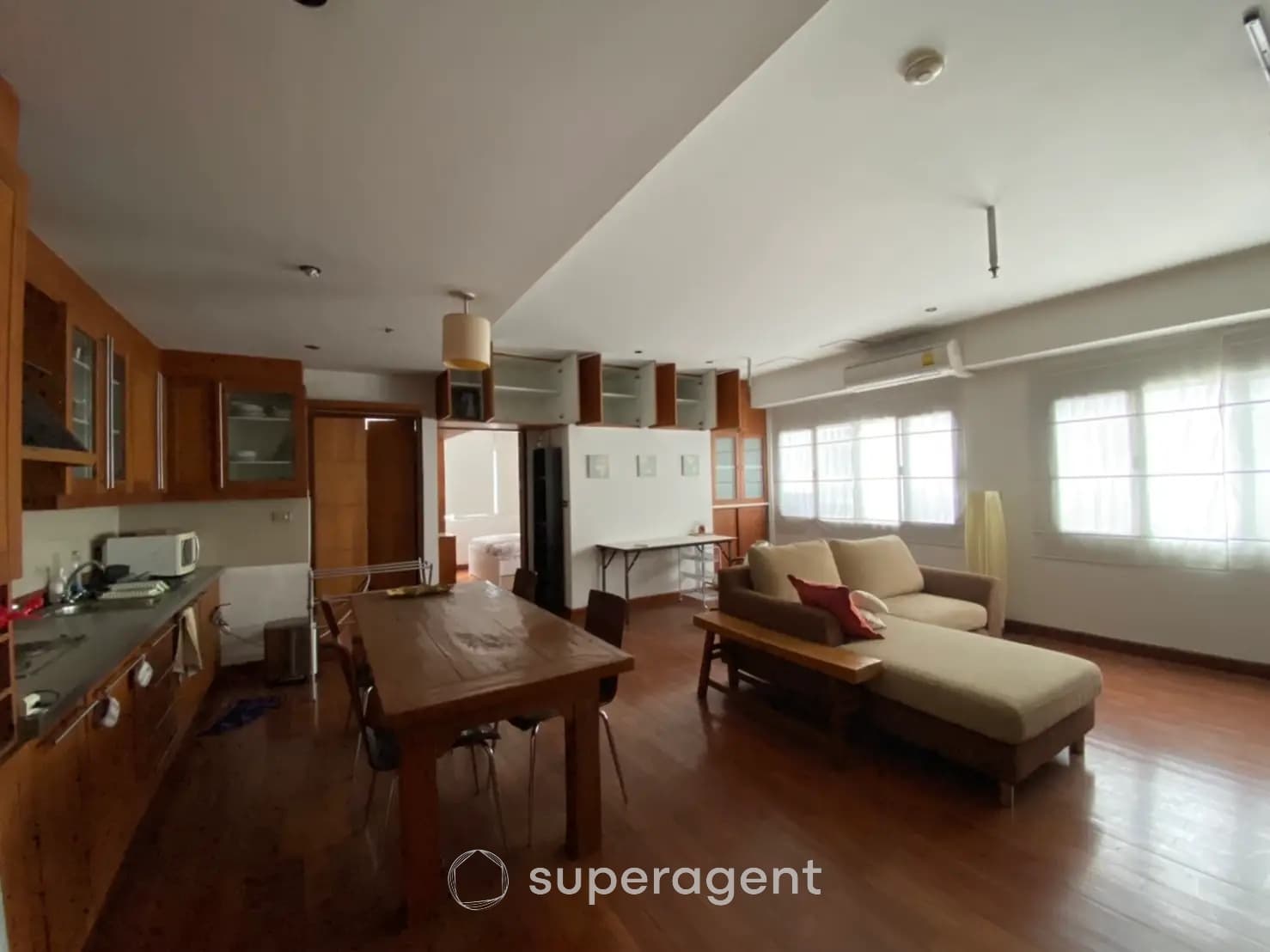
฿28,000
1 Bed167 sqm
1-BR Condo at Wittayu Complex near BTS Phloen Chit
Condo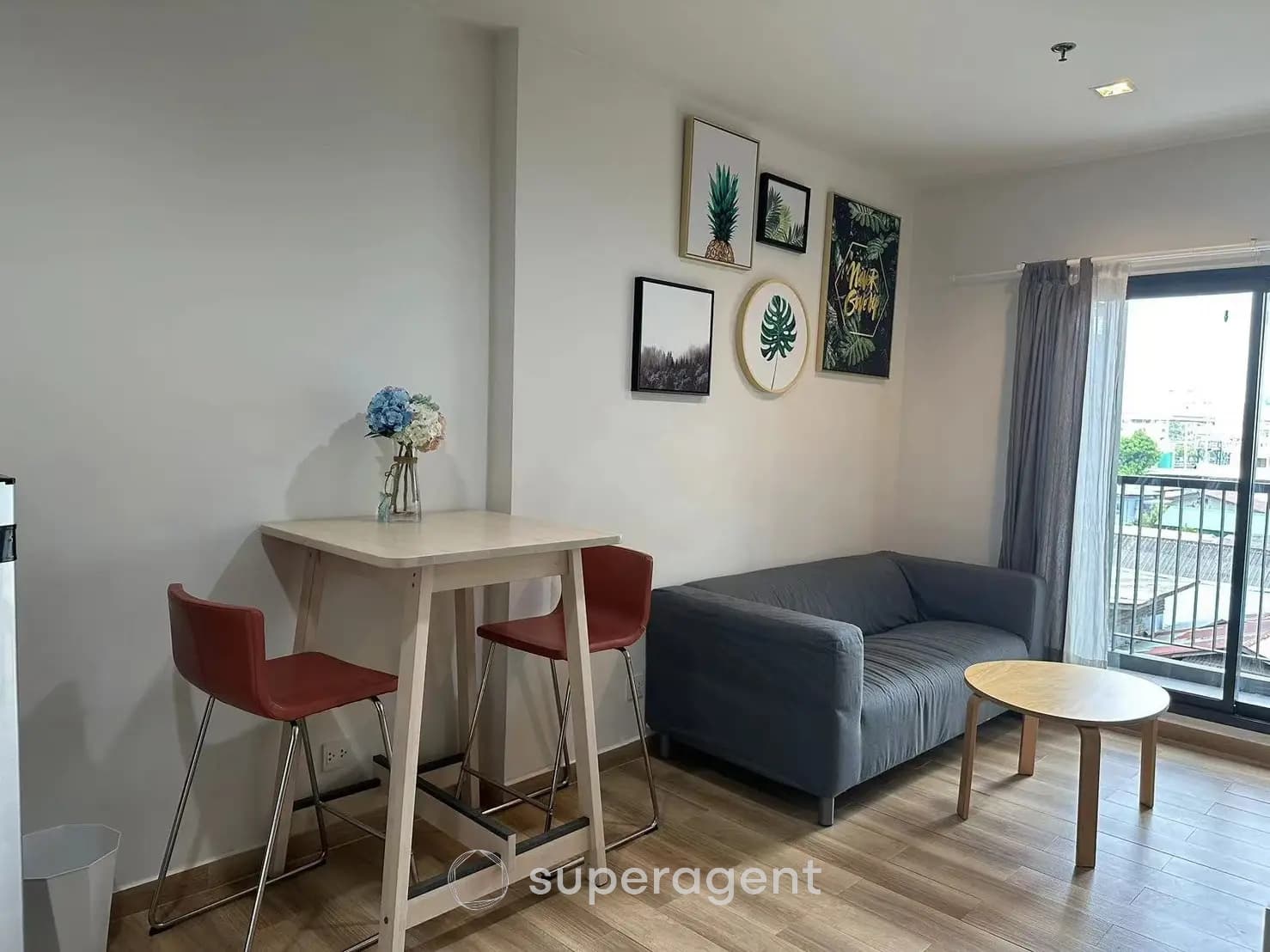
฿23,000
2 Bed150 sqm
2-BR Condo at Life Sukhumvit 48 near BTS Phra Khanong
On Nut
Condo![[For Rent] CONDO I Maestro 14 Siam-Ratchathewi Pet Friendly I 1 Bed I 1 Bath I 22,000THB/mo](/_next/image?url=https%3A%2F%2Fstorage.googleapis.com%2Fsuperagent-web%2Fattachments%2Flistings%2F6686%2F5ae8a77f-b6fb-4578-a765-e56f493cd25f-1058.png&w=3840&q=75)
฿25,000
1 Bed130 sqm
[For Rent] CONDO I Maestro 14 Siam-Ratchathewi Pet Friendly I 1 Bed I 1 Bath I 22,000THB/mo
Siam
Condo![[For Rent] CONDO I KEN Attitude Rattanathibet I Duplex I 2 Beds I 2 Baths I 40,000THB/mo](/_next/image?url=https%3A%2F%2Fstorage.googleapis.com%2Fsuperagent-web%2Fattachments%2Flistings%2F6852%2F17c1715e-4458-4008-bb0b-072a4c081166-img_0557.jpeg&w=3840&q=75)
฿40,000
2 Bed277 sqm
[For Rent] CONDO I KEN Attitude Rattanathibet I Duplex I 2 Beds I 2 Baths I 40,000THB/mo
CondoMore like this
 In Lifestyle · Superagent EditorialWhere Bangkok's Expat Communities Are Concentrated: Rental Guide by NationalityDiscover where Bangkok's expat community areas are located. Our rental guide maps out neighborhoods by nationality to help you find your ideal home.12 Apr 20241 min read
 In Lifestyle · Superagent EditorialThe AI Rental Revolution in Bangkok: How Technology Is Changing How Expats Find HomesBangkok rental revolution ai is reshaping how expats find homes. Explore smart technology, virtual tours, and AI-powered matching tools transforming the ma16 Apr 20211 min read
 In Lifestyle · Superagent EditorialMonthly Condo Rentals in Bangkok: Why They Beat Daily Rates Once Your Stay Passes Two WeeksCompare Bangkok daily and monthly condo rates near BTS Thong Lo, Asoke, Ari and On Nut, and see why monthly leases save tens of thousands of baht.19 Jul 20191 min read
 In Lifestyle · Superagent EditorialHow to Negotiate Rent With Thai Condo Landlords: Techniques That Actually Work in BangkokProven tactics for negotiating condo rent with Bangkok landlords, from market research and counter offers to lease length, timing and low season.18 Jul 20191 min read