Renting Near Bangkok Expressways: Faster Commute or Noise Problem?
Guides
Renting Near Bangkok Expressways: Faster Commute or Noise Problem?
Weigh the convenience of quick commutes against potential noise and air quality concerns.
Summary
Discover pros and cons of renting a condo near expressway Bangkok. Learn if the faster commute outweighs noise pollution and traffic concerns.
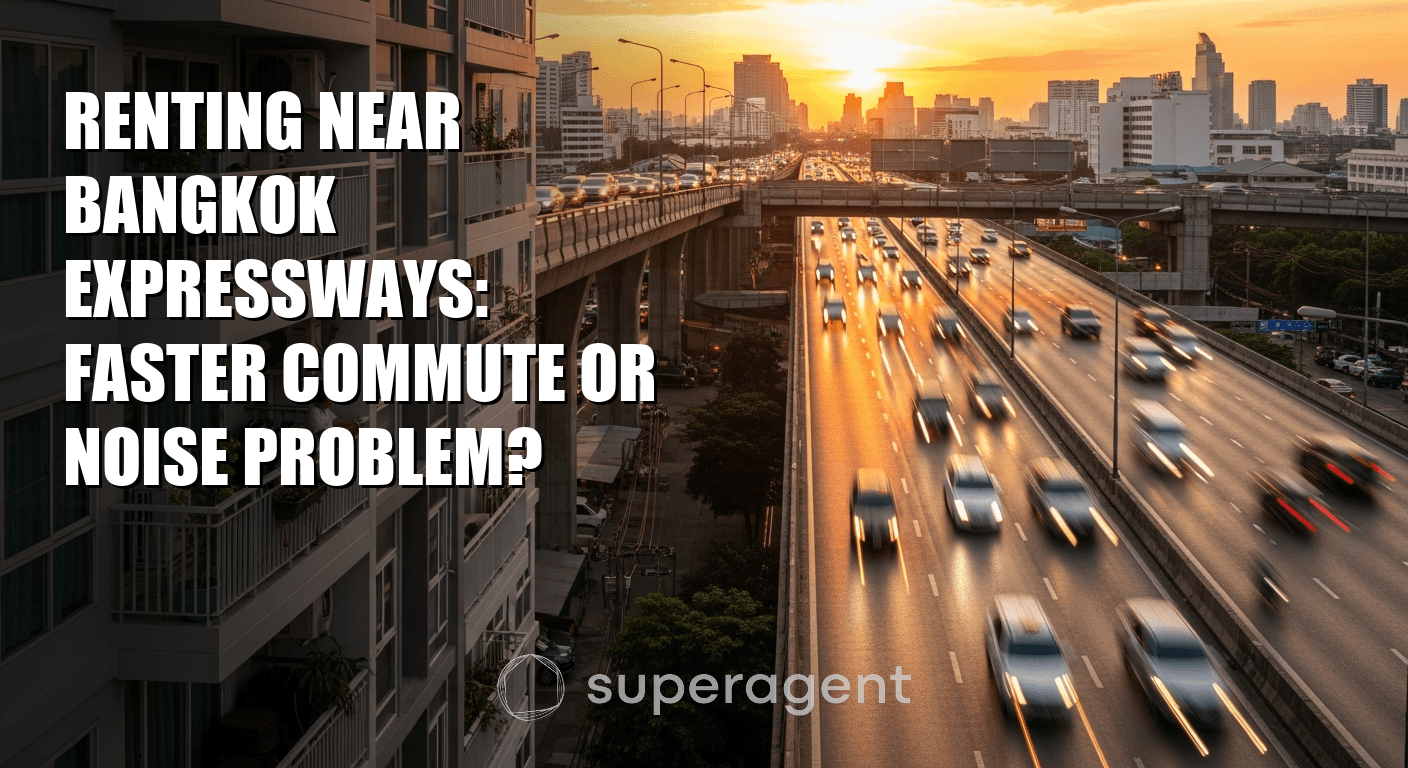
You found a great condo listing. The photos look amazing, the price is right, and then you notice it sits right next to a major expressway. Your first thought: will I hear trucks rumbling past at 2 AM? Your second thought: but that commute to Sathorn would be incredibly fast. Welcome to one of the most common dilemmas in Bangkok renting. Living near an expressway in this city is a genuine trade-off, and most rental guides skip right past the nuances. Having spent years helping renters sort through these exact decisions, I can tell you the answer is rarely a simple yes or no. Let me break down what actually matters when you are eyeing a condo near expressway Bangkok locations.
Why Expressway-Adjacent Condos Keep Showing Up in Your Search
Bangkok has an extensive elevated expressway network stretching over 200 kilometers across the metro area. The major routes, including the Chalerm Maha Nakhon Expressway (the original "first stage"), the Si Rat Expressway, and the Chalong Rat Expressway, cut through some of the city's most popular residential zones. That means a lot of condos sit within earshot of these roads, and developers keep building near them because the land is accessible and the demand is real.
Here is a concrete example. Along Rama 9 Road near the Si Rat Expressway on-ramp, you will find buildings like The Line Asoke-Ratchada and Life Asoke-Rama 9, both sitting within a few hundred meters of an expressway entrance. A one-bedroom unit in these buildings typically goes for 18,000 to 28,000 THB per month. Compare that to a similar unit deeper inside Sukhumvit where you might pay 30,000 to 45,000 THB. The price gap is not always because of expressway noise, but the proximity definitely plays a role in keeping some listings more affordable.
According to data from DDproperty, average asking rents for condos near major expressway interchanges in Bangkok tend to be 10 to 20 percent lower than comparable units in the same district located further from the highway. That is a meaningful discount if you can live with the trade-offs.
The Noise Factor: How Bad Is It Really?
Let me be honest. If you are on a low floor facing directly toward the expressway with nothing between you and the road, it can be loud. I visited a friend's unit on the 6th floor of a building near the Dao Khanong interchange once, and with the balcony door open, we had to raise our voices to have a conversation during evening rush hour. That is the worst case scenario.
But the reality varies wildly from building to building. Several factors determine how much noise actually reaches your unit: the floor level, the direction your windows face, the type of glass installed, and whether there are other structures between you and the expressway. Newer buildings like Ideo Mobi Rama 9 or Knightsbridge Prime Ratchayothin use double-glazed windows and sound-dampening designs specifically because the developers know expressway noise is a concern.
A practical tip: always schedule your viewing during peak traffic hours, ideally between 5 PM and 7 PM on a weekday. Stand in the unit with the windows closed and then open them. That 30-second test will tell you more than any listing description ever could. If the building has units facing both toward and away from the expressway, ask to see both. The rent difference between the two sides of the same building can be 2,000 to 5,000 THB per month, and the quieter side is often worth every baht.
The Commute Advantage: Getting Around Bangkok Faster
Now for the upside, and it is a big one. If your workplace is not near a BTS or MRT station, living close to an expressway on-ramp can genuinely transform your daily commute. Bangkok's surface streets are notoriously congested. A drive from Ratchada to Silom on regular roads can take 60 to 90 minutes during rush hour. Hop on the expressway and you might cut that to 25 to 35 minutes.
Consider someone working at an office near Bang Na. If they rent a condo near the Ekamai on-ramp to the Chalerm Maha Nakhon Expressway, like Taka Haus Ekamai 12 or Mori Haus near Sukhumvit Soi 53, they can reach Bang Na in about 20 minutes via expressway even during moderate traffic. The same trip on Sukhumvit Road itself could take well over an hour. The Expressway Authority of Thailand operates a real-time traffic monitoring system that lets you check conditions before you leave, which is genuinely useful for planning.
Expressway tolls in Bangkok range from 25 to 120 THB per trip depending on distance. If you commute twice a day, budget around 3,000 to 6,000 THB per month for tolls. Still, when you factor in time saved and the lower rent you might pay for an expressway-adjacent unit, the math often works out in your favor.
Neighborhood Breakdown: Popular Expressway-Adjacent Rental Zones
Not all expressway-adjacent areas are created equal. Some neighborhoods have managed to blend highway access with genuine livability. Others feel more like you are camping on a highway shoulder. Here are some of the most popular zones where renters weigh this trade-off.
- Rama 9 / Ratchada: Si Rat Expressway | MRT Rama 9, MRT Phra Ram 9 | 15,000 to 25,000 | Moderate | Fast access to Bangna, Don Mueang
- Ekamai / Phra Khanong: Chalerm Maha Nakhon | BTS Ekkamai, BTS Phra Khanong | 18,000 to 35,000 | Low to Moderate | Quick route to Bangna, Suvarnabhumi
- Phahonyothin / Ratchayothin: Si Rat / Chalong Rat | BTS Ratchayothin, MRT Phahon Yothin | 12,000 to 22,000 | Moderate to High | Good access to Don Mueang, north Bangkok
- Din Daeng / Huai Khwang: Si Rat Expressway | MRT Huai Khwang, MRT Din Daeng | 10,000 to 20,000 | Moderate | Central access point, multiple routes
- Dao Khanong / Wongwian Yai: Chalerm Maha Nakhon | BTS Wongwian Yai, BTS Krung Thon Buri | 10,000 to 18,000 | High near interchange | Fast route to Sathorn, Silom
The Ekamai and Phra Khanong zone is probably the best balance for most renters. You get expressway access without feeling like you live on the expressway. Buildings set back on Soi Ekkamai (Sukhumvit 63) enjoy a buffer of shophouses, trees, and side streets that absorb a lot of the highway noise before it reaches your window.
Air Quality: The Factor Most Renters Forget
Noise gets all the attention, but air quality is arguably a bigger concern with expressway-adjacent living. Bangkok's PM2.5 levels regularly exceed WHO guidelines during the dry season from November through February. Living right next to a major road with constant diesel truck traffic does not help.
A study referenced by Knight Frank Thailand in their residential market review noted that buildings within 100 meters of major highways tend to have higher particulate readings on lower floors. If you are renting in one of these locations, a unit on the 15th floor or above, facing away from the road, with a good air purifier inside, makes a significant difference.
Check whether the condo building has a central air filtration system in common areas. Newer developments like Whizdom Essence Sukhumvit and some of the Ideo series buildings have started marketing PM2.5 filtration as a selling point. It sounds like a gimmick until you spend a February in Bangkok breathing construction dust and exhaust fumes. Then it feels essential.
Practical Tips Before You Sign That Lease
If you are seriously considering a condo near an expressway in Bangkok, run through this checklist before you commit.
First, visit at multiple times of day. Morning rush, evening rush, and late at night. Expressway noise patterns change dramatically. Some stretches get quieter after 10 PM. Others carry heavy truck traffic through the night because commercial vehicles are restricted from certain surface roads during daytime hours.
Second, check the unit orientation. Same building, same floor, but a unit facing the pool courtyard versus the expressway can feel like two completely different apartments. Always ask the landlord or agent which direction the bedroom windows face.
Third, look at the building's age and window quality. Anything built after 2015 in Bangkok typically has better insulation and glass than older stock. If you are looking at a building from 2008, test the windows carefully. You might need to budget for blackout curtains with noise-dampening properties or even aftermarket window film.
Fourth, calculate your total commute cost. Expressway tolls, fuel or taxi fares, and the value of your time. Compare that against renting closer to your workplace at a higher monthly rent but with lower transport costs. Sometimes the "cheaper" expressway condo ends up costing the same once you add everything up.
Finally, talk to current residents if you can. The building's common area, the lobby, or even the Facebook group for the condo juristic can give you unfiltered opinions about noise, air quality, and daily living. Real feedback from people who sleep there every night beats any listing description.
Renting near a Bangkok expressway is not automatically a bad decision or a great one. It depends on your specific commute, your sensitivity to noise, the exact building you choose, and whether you end up on the 4th floor facing the highway or the 20th floor facing a park. The key is going in with your eyes open and testing the unit in real conditions, not just scrolling through photos on your phone at midnight.
If you want to compare expressway-adjacent condos with options further from the highway, Superagent at superagent.co lets you search by location, filter by price, and get AI-powered recommendations based on your actual commute needs. It is the fastest way to figure out whether that expressway condo is a time-saving gem or a noise headache waiting to happen.
You found a great condo listing. The photos look amazing, the price is right, and then you notice it sits right next to a major expressway. Your first thought: will I hear trucks rumbling past at 2 AM? Your second thought: but that commute to Sathorn would be incredibly fast. Welcome to one of the most common dilemmas in Bangkok renting. Living near an expressway in this city is a genuine trade-off, and most rental guides skip right past the nuances. Having spent years helping renters sort through these exact decisions, I can tell you the answer is rarely a simple yes or no. Let me break down what actually matters when you are eyeing a condo near expressway Bangkok locations.
Why Expressway-Adjacent Condos Keep Showing Up in Your Search
Bangkok has an extensive elevated expressway network stretching over 200 kilometers across the metro area. The major routes, including the Chalerm Maha Nakhon Expressway (the original "first stage"), the Si Rat Expressway, and the Chalong Rat Expressway, cut through some of the city's most popular residential zones. That means a lot of condos sit within earshot of these roads, and developers keep building near them because the land is accessible and the demand is real.
Here is a concrete example. Along Rama 9 Road near the Si Rat Expressway on-ramp, you will find buildings like The Line Asoke-Ratchada and Life Asoke-Rama 9, both sitting within a few hundred meters of an expressway entrance. A one-bedroom unit in these buildings typically goes for 18,000 to 28,000 THB per month. Compare that to a similar unit deeper inside Sukhumvit where you might pay 30,000 to 45,000 THB. The price gap is not always because of expressway noise, but the proximity definitely plays a role in keeping some listings more affordable.
According to data from DDproperty, average asking rents for condos near major expressway interchanges in Bangkok tend to be 10 to 20 percent lower than comparable units in the same district located further from the highway. That is a meaningful discount if you can live with the trade-offs.
Continue reading after that.
Looking for a condo
to rent?
Leave your name and phone. We'll follow up while you keep reading.
100% Secure
Fast Response
Free Consultation
The Noise Factor: How Bad Is It Really?
Let me be honest. If you are on a low floor facing directly toward the expressway with nothing between you and the road, it can be loud. I visited a friend's unit on the 6th floor of a building near the Dao Khanong interchange once, and with the balcony door open, we had to raise our voices to have a conversation during evening rush hour. That is the worst case scenario.
But the reality varies wildly from building to building. Several factors determine how much noise actually reaches your unit: the floor level, the direction your windows face, the type of glass installed, and whether there are other structures between you and the expressway. Newer buildings like Ideo Mobi Rama 9 or Knightsbridge Prime Ratchayothin use double-glazed windows and sound-dampening designs specifically because the developers know expressway noise is a concern.
A practical tip: always schedule your viewing during peak traffic hours, ideally between 5 PM and 7 PM on a weekday. Stand in the unit with the windows closed and then open them. That 30-second test will tell you more than any listing description ever could. If the building has units facing both toward and away from the expressway, ask to see both. The rent difference between the two sides of the same building can be 2,000 to 5,000 THB per month, and the quieter side is often worth every baht.
The Commute Advantage: Getting Around Bangkok Faster
Now for the upside, and it is a big one. If your workplace is not near a BTS or MRT station, living close to an expressway on-ramp can genuinely transform your daily commute. Bangkok's surface streets are notoriously congested. A drive from Ratchada to Silom on regular roads can take 60 to 90 minutes during rush hour. Hop on the expressway and you might cut that to 25 to 35 minutes.
Consider someone working at an office near Bang Na. If they rent a condo near the Ekamai on-ramp to the Chalerm Maha Nakhon Expressway, like Taka Haus Ekamai 12 or Mori Haus near Sukhumvit Soi 53, they can reach Bang Na in about 20 minutes via expressway even during moderate traffic. The same trip on Sukhumvit Road itself could take well over an hour. The Expressway Authority of Thailand operates a real-time traffic monitoring system that lets you check conditions before you leave, which is genuinely useful for planning.
Expressway tolls in Bangkok range from 25 to 120 THB per trip depending on distance. If you commute twice a day, budget around 3,000 to 6,000 THB per month for tolls. Still, when you factor in time saved and the lower rent you might pay for an expressway-adjacent unit, the math often works out in your favor.
Neighborhood Breakdown: Popular Expressway-Adjacent Rental Zones
Not all expressway-adjacent areas are created equal. Some neighborhoods have managed to blend highway access with genuine livability. Others feel more like you are camping on a highway shoulder. Here are some of the most popular zones where renters weigh this trade-off.
- Rama 9 / Ratchada: Si Rat Expressway | MRT Rama 9, MRT Phra Ram 9 | 15,000 to 25,000 | Moderate | Fast access to Bangna, Don Mueang
- Ekamai / Phra Khanong: Chalerm Maha Nakhon | BTS Ekkamai, BTS Phra Khanong | 18,000 to 35,000 | Low to Moderate | Quick route to Bangna, Suvarnabhumi
- Phahonyothin / Ratchayothin: Si Rat / Chalong Rat | BTS Ratchayothin, MRT Phahon Yothin | 12,000 to 22,000 | Moderate to High | Good access to Don Mueang, north Bangkok
- Din Daeng / Huai Khwang: Si Rat Expressway | MRT Huai Khwang, MRT Din Daeng | 10,000 to 20,000 | Moderate | Central access point, multiple routes
- Dao Khanong / Wongwian Yai: Chalerm Maha Nakhon | BTS Wongwian Yai, BTS Krung Thon Buri | 10,000 to 18,000 | High near interchange | Fast route to Sathorn, Silom
The Ekamai and Phra Khanong zone is probably the best balance for most renters. You get expressway access without feeling like you live on the expressway. Buildings set back on Soi Ekkamai (Sukhumvit 63) enjoy a buffer of shophouses, trees, and side streets that absorb a lot of the highway noise before it reaches your window.
Air Quality: The Factor Most Renters Forget
Noise gets all the attention, but air quality is arguably a bigger concern with expressway-adjacent living. Bangkok's PM2.5 levels regularly exceed WHO guidelines during the dry season from November through February. Living right next to a major road with constant diesel truck traffic does not help.
A study referenced by Knight Frank Thailand in their residential market review noted that buildings within 100 meters of major highways tend to have higher particulate readings on lower floors. If you are renting in one of these locations, a unit on the 15th floor or above, facing away from the road, with a good air purifier inside, makes a significant difference.
Continue reading after that.
Looking for a condo
to rent?
Leave your name and phone. We'll follow up while you keep reading.
100% Secure
Fast Response
Free Consultation
Check whether the condo building has a central air filtration system in common areas. Newer developments like Whizdom Essence Sukhumvit and some of the Ideo series buildings have started marketing PM2.5 filtration as a selling point. It sounds like a gimmick until you spend a February in Bangkok breathing construction dust and exhaust fumes. Then it feels essential.
Practical Tips Before You Sign That Lease
If you are seriously considering a condo near an expressway in Bangkok, run through this checklist before you commit.
First, visit at multiple times of day. Morning rush, evening rush, and late at night. Expressway noise patterns change dramatically. Some stretches get quieter after 10 PM. Others carry heavy truck traffic through the night because commercial vehicles are restricted from certain surface roads during daytime hours.
Second, check the unit orientation. Same building, same floor, but a unit facing the pool courtyard versus the expressway can feel like two completely different apartments. Always ask the landlord or agent which direction the bedroom windows face.
Third, look at the building's age and window quality. Anything built after 2015 in Bangkok typically has better insulation and glass than older stock. If you are looking at a building from 2008, test the windows carefully. You might need to budget for blackout curtains with noise-dampening properties or even aftermarket window film.
Fourth, calculate your total commute cost. Expressway tolls, fuel or taxi fares, and the value of your time. Compare that against renting closer to your workplace at a higher monthly rent but with lower transport costs. Sometimes the "cheaper" expressway condo ends up costing the same once you add everything up.
Finally, talk to current residents if you can. The building's common area, the lobby, or even the Facebook group for the condo juristic can give you unfiltered opinions about noise, air quality, and daily living. Real feedback from people who sleep there every night beats any listing description.
Renting near a Bangkok expressway is not automatically a bad decision or a great one. It depends on your specific commute, your sensitivity to noise, the exact building you choose, and whether you end up on the 4th floor facing the highway or the 20th floor facing a park. The key is going in with your eyes open and testing the unit in real conditions, not just scrolling through photos on your phone at midnight.
If you want to compare expressway-adjacent condos with options further from the highway, Superagent at superagent.co lets you search by location, filter by price, and get AI-powered recommendations based on your actual commute needs. It is the fastest way to figure out whether that expressway condo is a time-saving gem or a noise headache waiting to happen.
Share this article
Properties you may like
![[For Rent] CONDO I Park Origin 24 I 2 Beds I 1 Baths I 48,000THB/mo](/_next/image?url=https%3A%2F%2Fstorage.googleapis.com%2Fsuperagent-web%2Fattachments%2Flistings%2F6890%2Ffb28cb5c-9a1b-424b-9b52-b844aeba7bf2-1291-1.jpg&w=3840&q=75)
฿48,000
2 Bed152.1 sqm
[For Rent] CONDO I Park Origin 24 I 2 Beds I 1 Baths I 48,000THB/mo
Phrom Phong
Condo![[For Rent] CONDO I Grand Parkview Asoke I 2 Beds I 1 Bath I 35,000THB/mo](/_next/image?url=https%3A%2F%2Fstorage.googleapis.com%2Fsuperagent-web%2Fattachments%2Flistings%2F6889%2F9cb3631b-7a06-4438-9425-a5c78df563d4-1303-1.jpg&w=3840&q=75)
฿35,000
2 Bed168.4 sqm
[For Rent] CONDO I Grand Parkview Asoke I 2 Beds I 1 Bath I 35,000THB/mo
Asoke
Condo![[For Rent] CONDO I Culture Thonglor I 1 Bed I 1 Bath I 22,000THB/mo](/_next/image?url=https%3A%2F%2Fstorage.googleapis.com%2Fsuperagent-web%2Fattachments%2Flistings%2F2271%2Fcb90f802-330c-49a2-a142-2e33a8127032-culture_thonglor_for_rent_02.jpg&w=3840&q=75)
฿22,000
1 Bed126 sqm
[For Rent] CONDO I Culture Thonglor I 1 Bed I 1 Bath I 22,000THB/mo
Thonglor
Condo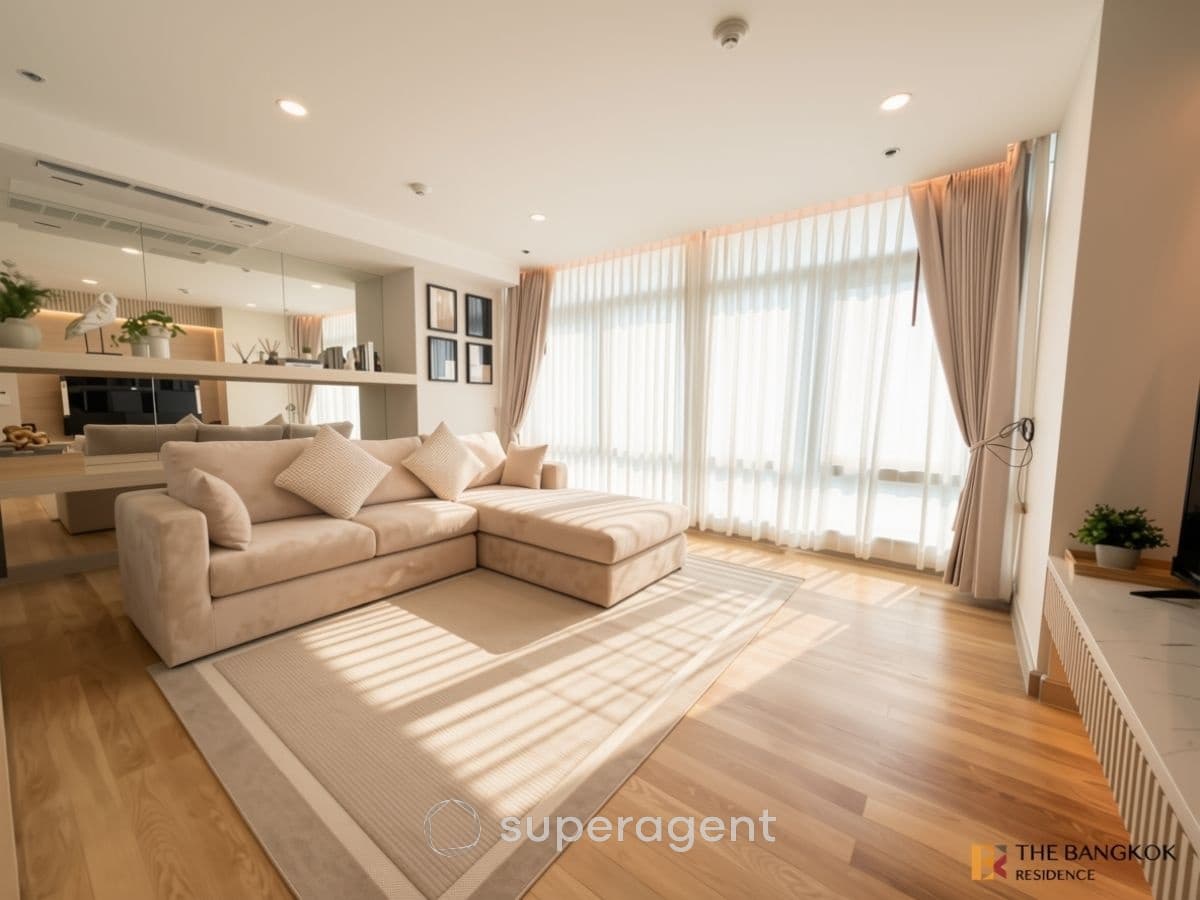
฿120,000
3 Bed3165 sqm
The Height Thonglor, 3BR 165 sq.m. 120K Show Unit Feel, Great Price, Rare Item in the Heart of Thonglor, Near BTS Thonglo
Condo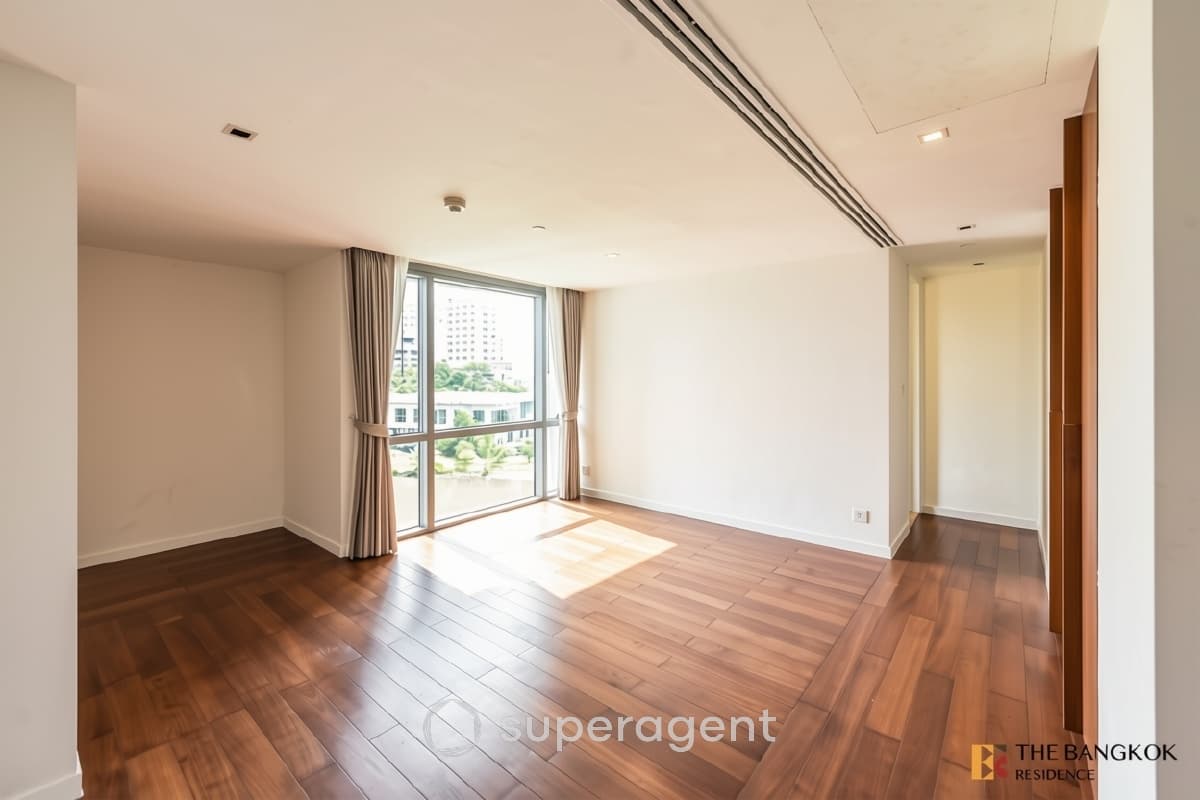
฿180,000
3 Bed4453 sqm
The Pano, 3BR 453sq.m. 180K Spacious Unit, Stunning Views
Condo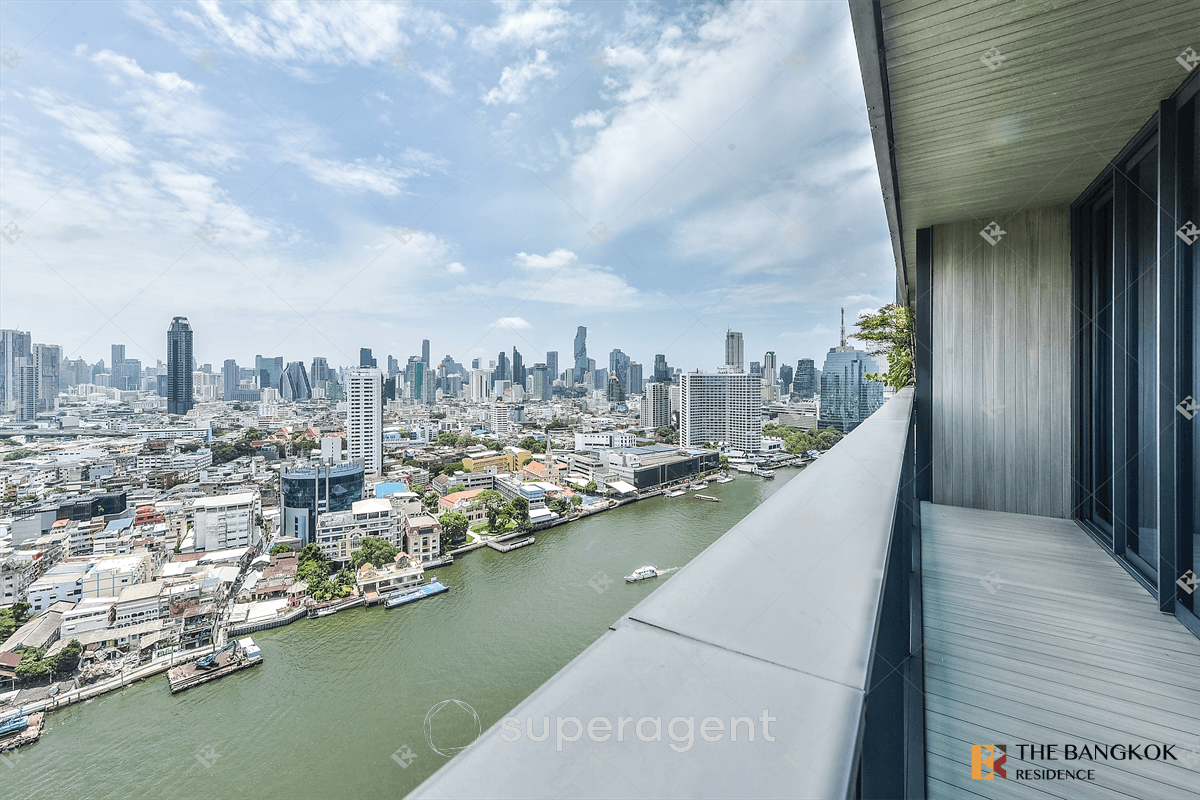
฿190,000
2 Bed2178.3 sqm
Banyan Tree Residence Riverside Bangkok, 2BR 178.34 sq.m. 190K Beautiful Fully Furnished Unit, Near BTS Saphan Taksin
Charoen Nakhon
Condo
฿59,000
1 Bed155.8 sqm
The Bangkok Thonglor, 1BR 55.8 sq.m. 59K, Premium High Floor Unit, Near BTS Thonglo
Thonglor
Condo![[For Rent] CONDO I Culture Chula I Duplex I 1 Bed I 1 Bath I 35,000THB/mo](/_next/image?url=https%3A%2F%2Fstorage.googleapis.com%2Fsuperagent-web%2Fattachments%2Flistings%2F6760%2F8deaff98-ecb1-4c62-b9be-aecac2f65797-1140-1.jpg&w=3840&q=75)
฿35,000
1 Bed138 sqm
[For Rent] CONDO I Culture Chula I Duplex I 1 Bed I 1 Bath I 35,000THB/mo
Siam
Condo![[For Rent] CONDO I Ideo Chula Samyan I 1 Bed I 1 Bath I 30,000THB/mo](/_next/image?url=https%3A%2F%2Fstorage.googleapis.com%2Fsuperagent-web%2Fattachments%2Flistings%2F6872%2Ff9ab570c-e4ca-41d6-90ee-a8e581218438-1271-8.jpg&w=3840&q=75)
฿30,000
1 Bed135 sqm
[For Rent] CONDO I Ideo Chula Samyan I 1 Bed I 1 Bath I 30,000THB/mo
Siam
Condo![[For Rent] TOWNHOME I Quarter 31 I 4 Beds I 5 Baths I 280,000THB/mo](/_next/image?url=https%3A%2F%2Fstorage.googleapis.com%2Fsuperagent-web%2Fattachments%2Flistings%2F1724%2Fb24f7c3a-8acd-49e4-ae85-6a31498207e4-600-2.jpg&w=3840&q=75)
฿280,000
4 Bed5425 sqm
[For Rent] TOWNHOME I Quarter 31 I 4 Beds I 5 Baths I 280,000THB/mo
Phrom Phong
CondoMore like this
 In Guides · Superagent EditorialHidden Costs of Renting a Condo in Bangkok Nobody Warns You AboutBangkok condo rent looks affordable until month one hits. Here are the real costs beyond the headline figure that catch most renters off guard.25 May 20261 min read
 In Guides · Superagent EditorialWhat a Long-Vacant Bangkok Condo Unit Is Actually Telling YouA Bangkok condo vacant for months signals overpricing, landlord issues, or real problems. Here is how to read the signs.25 May 20261 min read
 In Guides · Superagent EditorialRed Flags in a Bangkok Rental Contract to Watch Out ForBangkok rental contracts often hide risky clauses. Here are the red flags every tenant must catch before signing any lease.25 May 20261 min read
 In Guides · Superagent EditorialWorking Online from a Condo: How to Choose the Perfect Room for ProductivityLearn how to choose the best condo room for working online with tips on lighting, noise, and furniture setup to maximize productivity.9 May 20261 min read