Things Your Agent Never Tells You Before Signing a Bangkok Lease
Guides
Things Your Agent Never Tells You Before Signing a Bangkok Lease
Seven gaps in the standard agent briefing that cost tenants money
Summary
Agents in Bangkok focus on closing the deal, not protecting you. Here are seven things they rarely disclose before you sign.
Why Agents Stay Quiet on the Details
A Bangkok rental agent earns a commission when you sign. That incentive means they answer what you ask, but rarely volunteer what you don't know to ask. The seven items below are almost never covered in a standard property showing, yet every one of them can affect your wallet or your comfort for the entire lease term.
1. Utility Rates Are Not the Government Rate
Most condo buildings in Bangkok charge a marked-up rate for electricity. The Provincial Electricity Authority (PEA) retail rate sits around 4.18 THB per unit, but buildings are legally allowed to charge up to 8 THB per unit to cover their transformer and billing costs. Water can run 30 to 50 THB per cubic meter on top of the Metropolitan Waterworks Authority rate.
Before you sign, ask the juristic office for their utility rate sheet. A one-bedroom tenant using 300 units of electricity per month could pay 1,140 THB more each month than a tenant connected directly to PEA. Over a one-year lease that is 13,680 THB in extra costs your agent never mentioned.
2. The Deposit and Advance Structure Varies by Building
The Bangkok market standard is two months security deposit plus one to two months advance rent, paid upfront at signing. That means for a 25,000 THB per month unit you need at least 75,000 THB on day one, and sometimes 100,000 THB.
Some older or premium buildings require three months deposit plus two months advance. Always confirm the exact structure before you arrange your funds. Agents often quote only the monthly rent in their first message.
3. The Juristic Office Has Its Own Rules
Every condo building in Bangkok has a juristic person office that enforces building regulations. These rules can prohibit pets, ban short-term subletting on platforms like Airbnb, restrict guests from staying beyond two weeks, or require advance notice for moving furniture. The agent is selling you the unit, not the building rulebook.
Request a copy of the building regulations before you sign. A no-pets policy found after move-in is a serious problem. Buildings around Thong Lo and Sukhumvit tend to have stricter rules than older walk-up buildings in areas like Ari or Ekkamai.
4. Building Age Can Mean Hidden Costs Ahead
Bangkok has a large stock of condos built in the 1990s and early 2000s. Buildings over 15 years old may be approaching major maintenance cycles for elevators, common-area plumbing, or exterior facade work. These expenses are funded through special assessments on unit owners, who may pass costs to tenants through higher rent or reduced willingness to fix things.
Ask to see the juristic office meeting minutes from the past year. If the committee is debating a large repair fund or special levy, that building's landlords are under financial pressure. It is useful information before you commit to a two-year lease.
5. Subletting Is Almost Always Prohibited
Standard Bangkok lease agreements contain a clause prohibiting subletting without the written consent of the landlord. Agents rarely highlight this. If you plan to travel for extended periods and want to sublet your unit, or if you intend to run a short-term rental, you need written permission built into the contract before signing, not assumed after.
This is especially relevant for digital nomads and expats who travel frequently. Getting the right clause added costs nothing at the negotiation stage and protects you completely.
6. Early Termination Penalties Are Steep
The standard Bangkok lease penalty for breaking a contract early is two months rent. Some landlords write three months into the agreement. On a 30,000 THB per month lease, a three-month penalty means 90,000 THB to exit early.
Always negotiate the early termination clause before you sign, especially if your visa situation, job, or living plans are uncertain. Getting it down to one month is possible if you ask at the right moment, which is before the landlord thinks they already have you committed.
7. Meter Reading Photos Prevent Deposit Disputes
A large share of deposit disputes in Bangkok come down to one thing: the final utility bill. Tenants and landlords disagree on the meter reading at move-in, and there is no record to resolve it.
On the day you receive your keys, photograph every meter, the electricity meter, the water sub-meter if there is one, and the date on your phone alongside the reading. Send the photos to the landlord by Line or email immediately so there is a timestamped record. This one habit eliminates the most common cause of losing part of your deposit.
How Superagent Handles This Differently
Superagent operates as the tenant's side of the transaction, not the building's. Before you commit to any listing, Superagent verifies the utility rates with the juristic office, reviews the lease terms including termination clauses, confirms the deposit structure, and flags any building rules that may affect your lifestyle. You see the real monthly cost before you sign, not after.
Provincial Electricity Authority Thailand -- official residential electricity tariff rates for Bangkok and surrounding areas.
US Federal Trade Commission: Renting a Home -- tenant rights framework referenced for lease clause best practices.
Why Agents Stay Quiet on the Details
A Bangkok rental agent earns a commission when you sign. That incentive means they answer what you ask, but rarely volunteer what you don't know to ask. The seven items below are almost never covered in a standard property showing, yet every one of them can affect your wallet or your comfort for the entire lease term.
1. Utility Rates Are Not the Government Rate
Most condo buildings in Bangkok charge a marked-up rate for electricity. The Provincial Electricity Authority (PEA) retail rate sits around 4.18 THB per unit, but buildings are legally allowed to charge up to 8 THB per unit to cover their transformer and billing costs. Water can run 30 to 50 THB per cubic meter on top of the Metropolitan Waterworks Authority rate.
Before you sign, ask the juristic office for their utility rate sheet. A one-bedroom tenant using 300 units of electricity per month could pay 1,140 THB more each month than a tenant connected directly to PEA. Over a one-year lease that is 13,680 THB in extra costs your agent never mentioned.
Continue reading after that.
Looking for a condo
to rent?
Leave your name and phone. We'll follow up while you keep reading.
100% Secure
Fast Response
Free Consultation
2. The Deposit and Advance Structure Varies by Building
The Bangkok market standard is two months security deposit plus one to two months advance rent, paid upfront at signing. That means for a 25,000 THB per month unit you need at least 75,000 THB on day one, and sometimes 100,000 THB.
Some older or premium buildings require three months deposit plus two months advance. Always confirm the exact structure before you arrange your funds. Agents often quote only the monthly rent in their first message.
3. The Juristic Office Has Its Own Rules
Every condo building in Bangkok has a juristic person office that enforces building regulations. These rules can prohibit pets, ban short-term subletting on platforms like Airbnb, restrict guests from staying beyond two weeks, or require advance notice for moving furniture. The agent is selling you the unit, not the building rulebook.
Request a copy of the building regulations before you sign. A no-pets policy found after move-in is a serious problem. Buildings around Thong Lo and Sukhumvit tend to have stricter rules than older walk-up buildings in areas like Ari or Ekkamai.
4. Building Age Can Mean Hidden Costs Ahead
Bangkok has a large stock of condos built in the 1990s and early 2000s. Buildings over 15 years old may be approaching major maintenance cycles for elevators, common-area plumbing, or exterior facade work. These expenses are funded through special assessments on unit owners, who may pass costs to tenants through higher rent or reduced willingness to fix things.
Ask to see the juristic office meeting minutes from the past year. If the committee is debating a large repair fund or special levy, that building's landlords are under financial pressure. It is useful information before you commit to a two-year lease.
5. Subletting Is Almost Always Prohibited
Standard Bangkok lease agreements contain a clause prohibiting subletting without the written consent of the landlord. Agents rarely highlight this. If you plan to travel for extended periods and want to sublet your unit, or if you intend to run a short-term rental, you need written permission built into the contract before signing, not assumed after.
This is especially relevant for digital nomads and expats who travel frequently. Getting the right clause added costs nothing at the negotiation stage and protects you completely.
6. Early Termination Penalties Are Steep
The standard Bangkok lease penalty for breaking a contract early is two months rent. Some landlords write three months into the agreement. On a 30,000 THB per month lease, a three-month penalty means 90,000 THB to exit early.
Continue reading after that.
Looking for a condo
to rent?
Leave your name and phone. We'll follow up while you keep reading.
100% Secure
Fast Response
Free Consultation
Always negotiate the early termination clause before you sign, especially if your visa situation, job, or living plans are uncertain. Getting it down to one month is possible if you ask at the right moment, which is before the landlord thinks they already have you committed.
7. Meter Reading Photos Prevent Deposit Disputes
A large share of deposit disputes in Bangkok come down to one thing: the final utility bill. Tenants and landlords disagree on the meter reading at move-in, and there is no record to resolve it.
On the day you receive your keys, photograph every meter, the electricity meter, the water sub-meter if there is one, and the date on your phone alongside the reading. Send the photos to the landlord by Line or email immediately so there is a timestamped record. This one habit eliminates the most common cause of losing part of your deposit.
How Superagent Handles This Differently
Superagent operates as the tenant's side of the transaction, not the building's. Before you commit to any listing, Superagent verifies the utility rates with the juristic office, reviews the lease terms including termination clauses, confirms the deposit structure, and flags any building rules that may affect your lifestyle. You see the real monthly cost before you sign, not after.
Provincial Electricity Authority Thailand -- official residential electricity tariff rates for Bangkok and surrounding areas.
US Federal Trade Commission: Renting a Home -- tenant rights framework referenced for lease clause best practices.
Share this article
Properties you may like
![[For Rent] CONDO I Park Origin 24 I 2 Beds I 1 Baths I 48,000THB/mo](/_next/image?url=https%3A%2F%2Fstorage.googleapis.com%2Fsuperagent-web%2Fattachments%2Flistings%2F6890%2Ffb28cb5c-9a1b-424b-9b52-b844aeba7bf2-1291-1.jpg&w=3840&q=75)
฿48,000
2 Bed152.1 sqm
[For Rent] CONDO I Park Origin 24 I 2 Beds I 1 Baths I 48,000THB/mo
Phrom Phong
Condo![[For Rent] CONDO I Grand Parkview Asoke I 2 Beds I 1 Bath I 35,000THB/mo](/_next/image?url=https%3A%2F%2Fstorage.googleapis.com%2Fsuperagent-web%2Fattachments%2Flistings%2F6889%2F9cb3631b-7a06-4438-9425-a5c78df563d4-1303-1.jpg&w=3840&q=75)
฿35,000
2 Bed168.4 sqm
[For Rent] CONDO I Grand Parkview Asoke I 2 Beds I 1 Bath I 35,000THB/mo
Asoke
Condo![[For Rent] CONDO I Culture Thonglor I 1 Bed I 1 Bath I 22,000THB/mo](/_next/image?url=https%3A%2F%2Fstorage.googleapis.com%2Fsuperagent-web%2Fattachments%2Flistings%2F2271%2Fcb90f802-330c-49a2-a142-2e33a8127032-culture_thonglor_for_rent_02.jpg&w=3840&q=75)
฿22,000
1 Bed126 sqm
[For Rent] CONDO I Culture Thonglor I 1 Bed I 1 Bath I 22,000THB/mo
Thonglor
Condo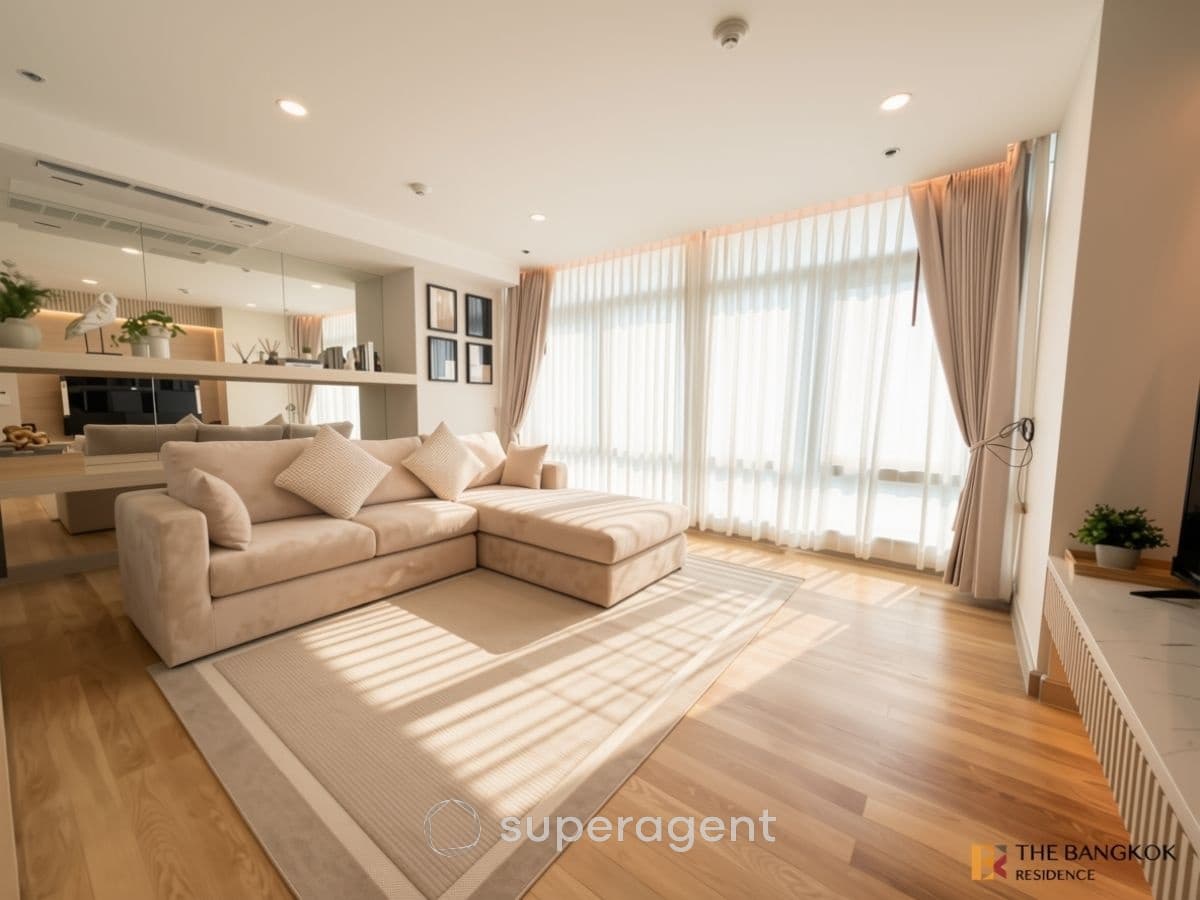
฿120,000
3 Bed3165 sqm
The Height Thonglor, 3BR 165 sq.m. 120K Show Unit Feel, Great Price, Rare Item in the Heart of Thonglor, Near BTS Thonglo
Condo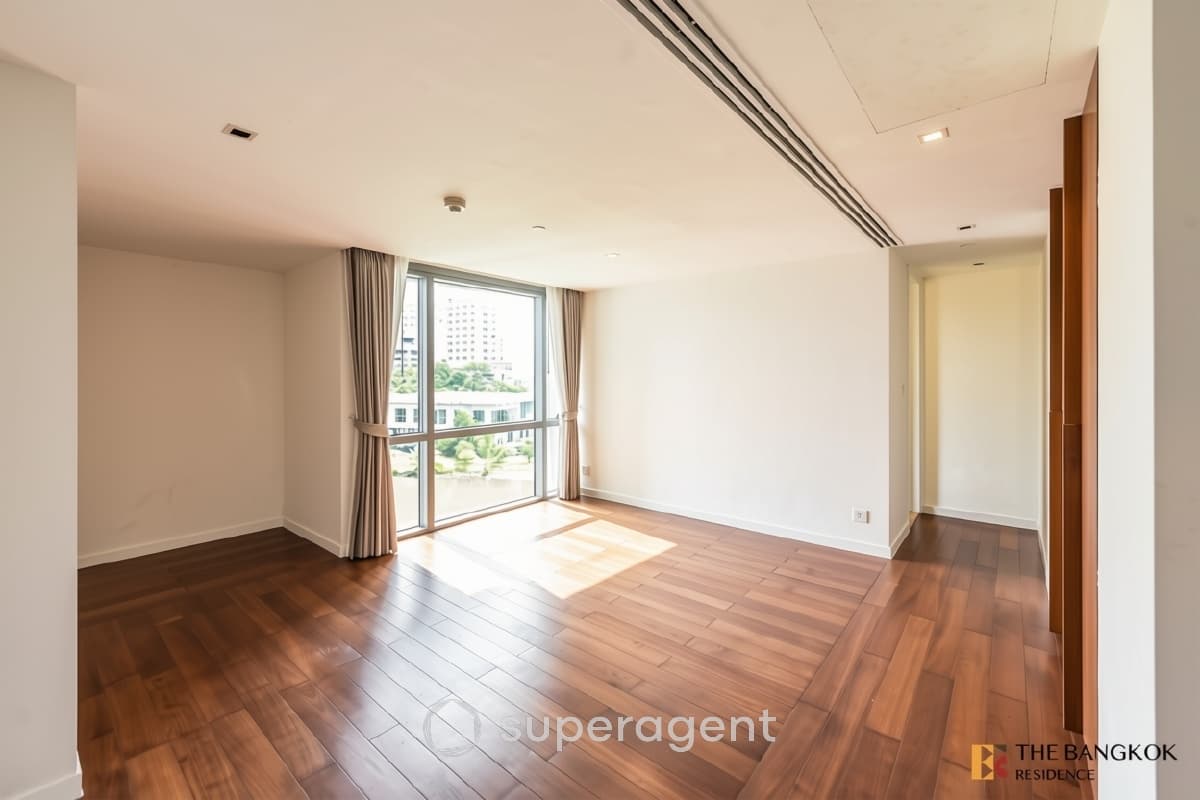
฿180,000
3 Bed4453 sqm
The Pano, 3BR 453sq.m. 180K Spacious Unit, Stunning Views
Condo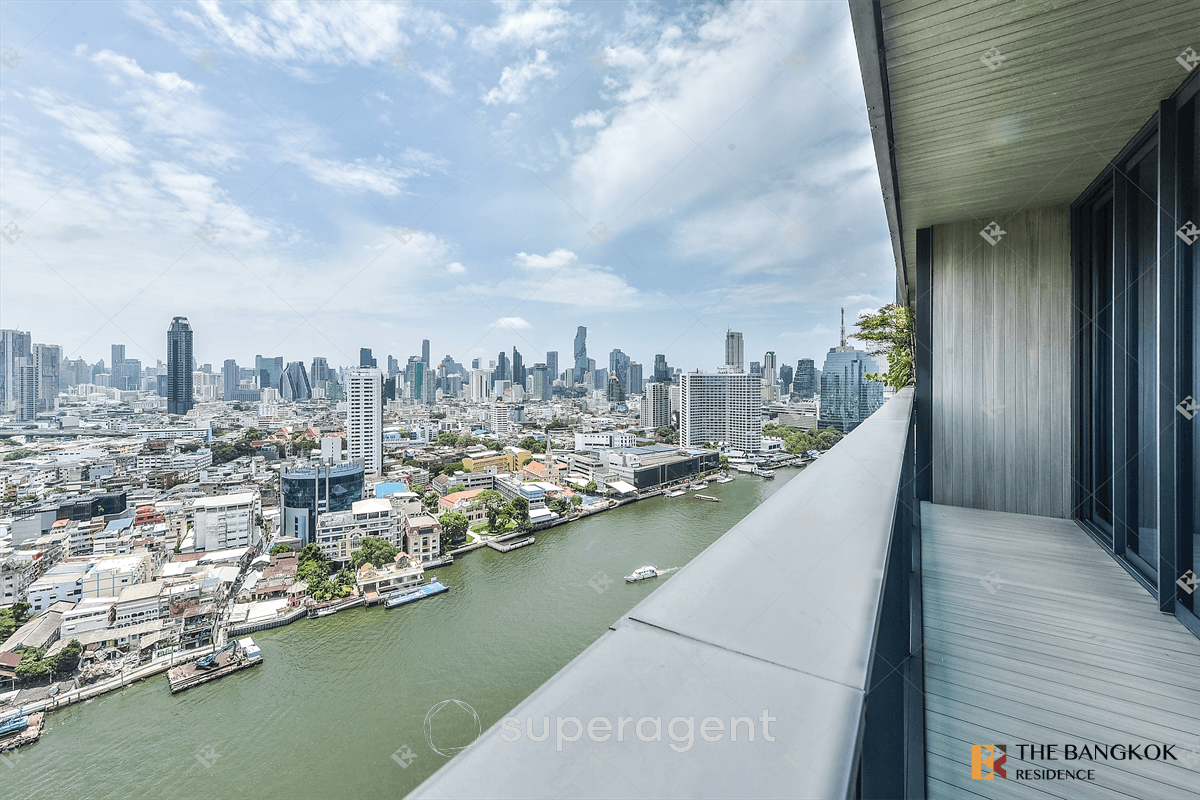
฿190,000
2 Bed2178.3 sqm
Banyan Tree Residence Riverside Bangkok, 2BR 178.34 sq.m. 190K Beautiful Fully Furnished Unit, Near BTS Saphan Taksin
Charoen Nakhon
Condo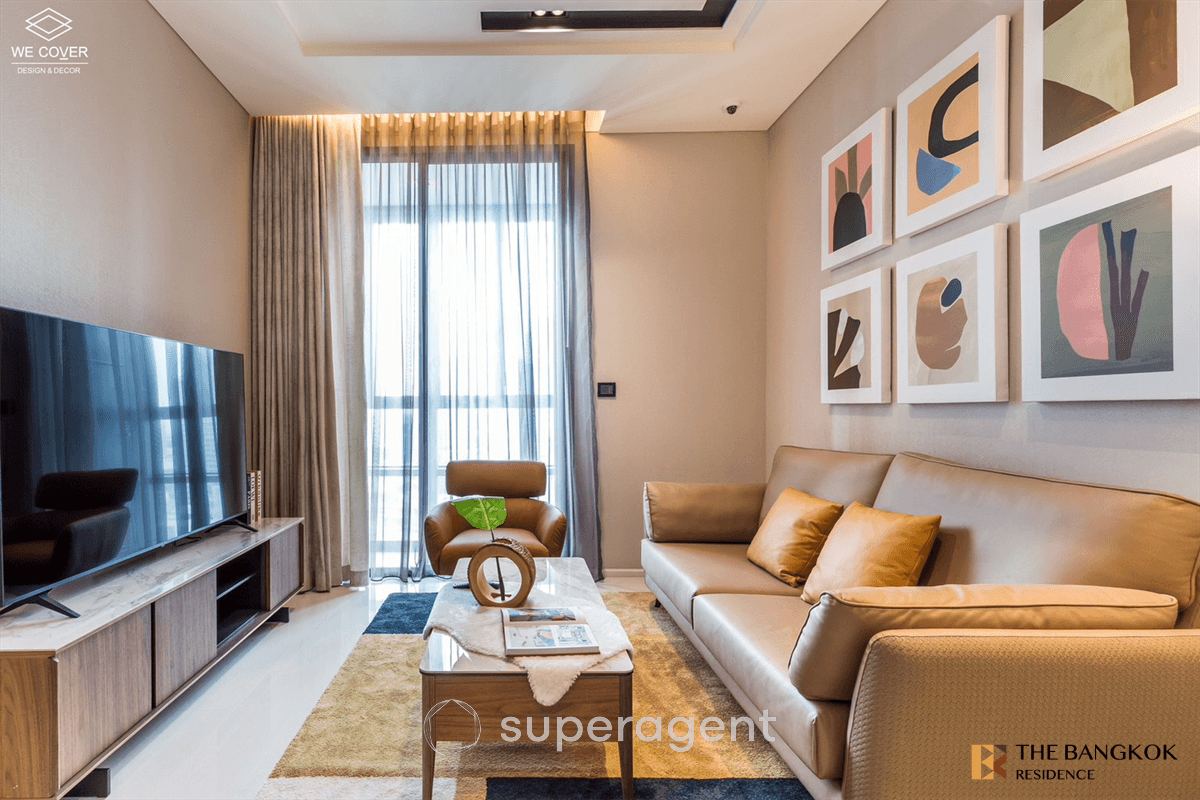
฿59,000
1 Bed155.8 sqm
The Bangkok Thonglor, 1BR 55.8 sq.m. 59K, Premium High Floor Unit, Near BTS Thonglo
Thonglor
Condo![[For Rent] CONDO I Culture Chula I Duplex I 1 Bed I 1 Bath I 35,000THB/mo](/_next/image?url=https%3A%2F%2Fstorage.googleapis.com%2Fsuperagent-web%2Fattachments%2Flistings%2F6760%2F8deaff98-ecb1-4c62-b9be-aecac2f65797-1140-1.jpg&w=3840&q=75)
฿35,000
1 Bed138 sqm
[For Rent] CONDO I Culture Chula I Duplex I 1 Bed I 1 Bath I 35,000THB/mo
Siam
Condo![[For Rent] CONDO I Ideo Chula Samyan I 1 Bed I 1 Bath I 30,000THB/mo](/_next/image?url=https%3A%2F%2Fstorage.googleapis.com%2Fsuperagent-web%2Fattachments%2Flistings%2F6872%2Ff9ab570c-e4ca-41d6-90ee-a8e581218438-1271-8.jpg&w=3840&q=75)
฿30,000
1 Bed135 sqm
[For Rent] CONDO I Ideo Chula Samyan I 1 Bed I 1 Bath I 30,000THB/mo
Siam
Condo![[For Rent] TOWNHOME I Quarter 31 I 4 Beds I 5 Baths I 280,000THB/mo](/_next/image?url=https%3A%2F%2Fstorage.googleapis.com%2Fsuperagent-web%2Fattachments%2Flistings%2F1724%2Fb24f7c3a-8acd-49e4-ae85-6a31498207e4-600-2.jpg&w=3840&q=75)
฿280,000
4 Bed5425 sqm
[For Rent] TOWNHOME I Quarter 31 I 4 Beds I 5 Baths I 280,000THB/mo
Phrom Phong
CondoMore like this
 In Guides · Superagent EditorialHidden Costs of Renting a Condo in Bangkok Nobody Warns You AboutBangkok condo rent looks affordable until month one hits. Here are the real costs beyond the headline figure that catch most renters off guard.25 May 20261 min read
 In Guides · Superagent EditorialWhat a Long-Vacant Bangkok Condo Unit Is Actually Telling YouA Bangkok condo vacant for months signals overpricing, landlord issues, or real problems. Here is how to read the signs.25 May 20261 min read
 In Guides · Superagent EditorialRed Flags in a Bangkok Rental Contract to Watch Out ForBangkok rental contracts often hide risky clauses. Here are the red flags every tenant must catch before signing any lease.25 May 20261 min read
 In Guides · Superagent EditorialWorking Online from a Condo: How to Choose the Perfect Room for ProductivityLearn how to choose the best condo room for working online with tips on lighting, noise, and furniture setup to maximize productivity.9 May 20261 min read