Condo Electricity Bills Too High: Tenant Rights and Complaint Procedures
Guides
Condo Electricity Bills Too High: Tenant Rights and Complaint Procedures
Learn your rights when condo electricity charges seem excessive and how to file complaints effectively.
Summary
ค่าไฟคอนโดแพงเกินไป can drain your budget. Discover tenant rights, billing transparency rules, and step-by-step complaint procedures for Bangkok renters.
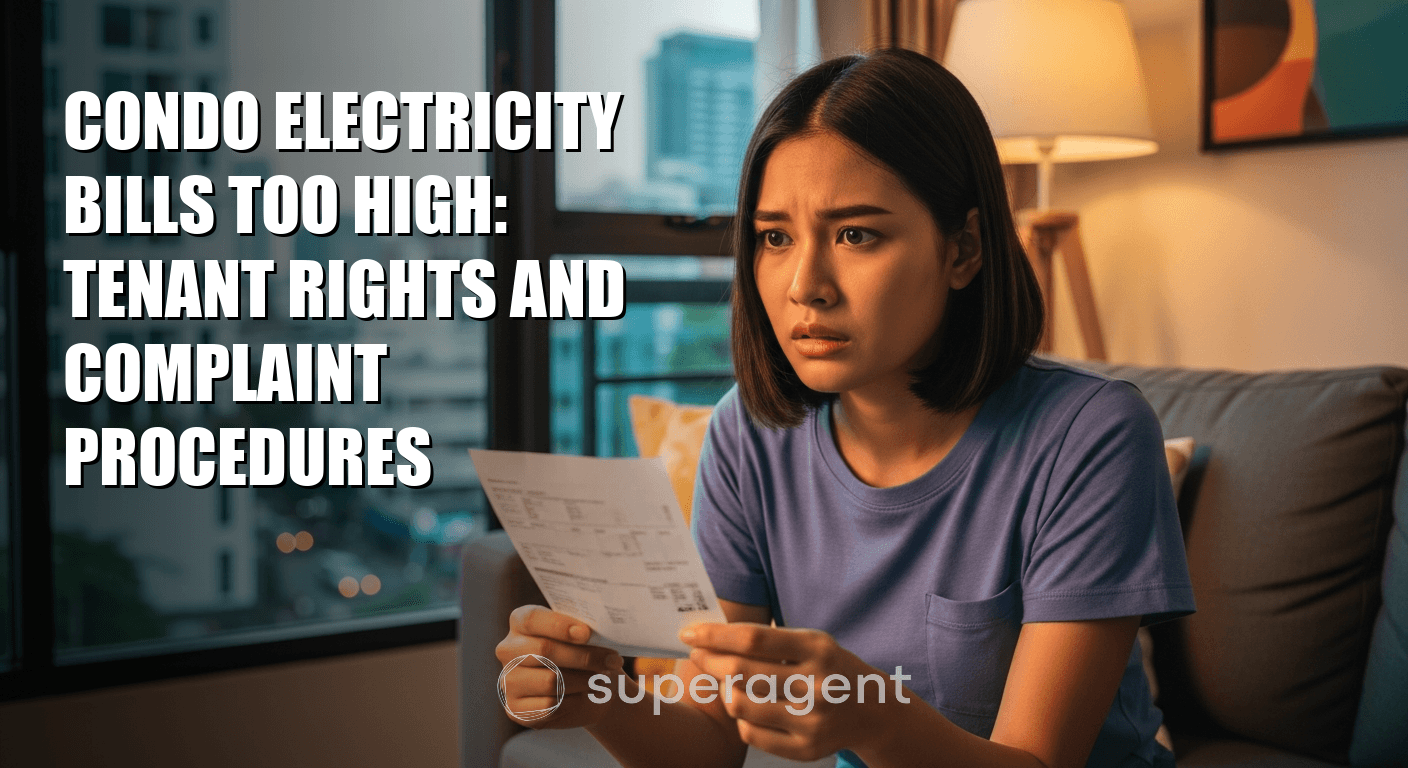
Your electricity bill just arrived, and you nearly fell off your chair. Three thousand baht for a one-bedroom condo? That cannot be right. Welcome to one of the most frustrating parts of renting in Bangkok. Overcharged electricity is a real problem here, especially in older buildings or those with poorly maintained meters. The good news: you have rights, and you know how to fight back. This guide walks you through exactly what you can do when your condo's power bill looks completely out of control.
Understanding Your Rights as a Renter in Bangkok
Thai law actually protects renters from unfair utility charges. The Residential Building Act and various consumer protection regulations mean you are not powerless when facing inflated electricity costs. Many landlords and management companies rely on tenants simply accepting whatever bill lands in their mailbox each month.
Your first right is transparency. Your landlord must show you the meter readings before you sign a lease and provide you with accurate, itemized bills each month. If the building's electrical system is faulty, the landlord is responsible for maintaining it properly. You should never pay for inefficiency or negligence.
A tenant in a mid-rise condo near Ari BTS, renting a 35-square-meter unit for 18,000 THB monthly, discovered her bill was running 2,500 to 3,000 THB every month. After demanding a meter check, the building discovered a shared circuit problem affecting six units. The landlord had to refund three months of overcharges.
Common Reasons for Inflated Electricity Bills
Before you lodge a complaint, understand why your bill might be so high. Not every spike means you are being cheated. Bangkok's heat means air conditioning runs constantly, often 24 hours in many condos. Water heaters, electric stoves, and constant appliance use add up fast.
That said, real problems do happen. Faulty meters that run too fast are surprisingly common in older buildings. Shared circuit issues, where your unit is billed for corridors or common areas, occur regularly. Poor insulation means your AC works twice as hard. Some buildings simply have outdated electrical infrastructure that wastes energy at every junction.
A three-bedroom unit in Phromphong (near BTS Phromphong) using AC eight hours daily might reasonably see 3,500 to 4,500 THB monthly. The same unit running AC 20 hours daily could hit 6,000 to 7,500 THB. But if you are using similar appliances to neighbors in the same building and your bill is 40 percent higher, something is wrong.
Meter tampering, though less common now, still happens in some buildings. Cross-wiring between units occasionally occurs during sloppy maintenance. These are legitimate reasons to pursue a formal complaint.
How to Document and Request a Meter Inspection
Do not just complain vaguely. Build your case with evidence. Start by recording your meter readings yourself, weekly if possible. Take photos of the meter display and the meter box. Note the date, time, and image metadata clearly. Keep your electricity bills for at least six months so you can show the pattern.
Compare your usage to similar units. If you know neighbors in your building, ask casually what they pay. If three similar one-bedroom units average 1,800 THB but yours is 3,200 THB, document that discrepancy. Online condo communities and expat Facebook groups often share this information freely.
Submit a formal request to your building management or landlord in writing. Email is fine, but print and sign a hard copy too. Request a professional meter inspection by an official meter checker. Thailand's electrical utility company can arrange independent meter verification. This is a legal right you can demand.
The inspection typically takes five to seven working days. A trained technician will check if your meter is functioning accurately and whether your unit is properly isolated on its own circuit. Inspection costs are usually paid by the building if a fault is found, or split if no problem is discovered.
Filing an Official Complaint: Step by Step
If building management ignores your request or the inspection shows they are billing you incorrectly, escalate formally. Thailand's Department of Consumer Protection handles utility disputes. You can file a complaint online at dcp.go.th, or visit your local office in person.
Provide copies of all documentation: your meter readings, bills, inspection reports, written requests to management, and photographic evidence. Include dates for everything. State clearly what you are requesting, whether that is a refund, monthly rate adjustment, or building repair.
Your local Bangkok District Office (Amphoe) also handles consumer complaints. Many expats overlook this avenue, but it is remarkably effective. A complaint filed here gets flagged quickly, and building management usually responds within 14 days once they know an official inquiry is underway.
The Thai Revenue Department and local property authorities take seriously any suggestion of systematic overcharging. They can audit a building's electrical system and billing practices. This option is more serious and should be your last resort, but it is available.
Negotiating with Your Landlord and Building Management
Sometimes the fastest solution is direct negotiation. Schedule a meeting with your landlord or building management. Come prepared with your evidence. Stay calm and professional. Many landlords will work with you once they realize you are serious and have documentation.
Propose reasonable solutions. If the meter is running fast, ask for a refund of the overcharge amount once verified. If the problem is shared circuit costs being split unfairly, ask for the billing formula to be corrected going forward. If the building infrastructure needs repair, offer a timeline.
In one case, a tenant at a mid-range condo in Sukhumvit Soi 38 (near BTS Thonglor) negotiated a 30 percent rate reduction after proving her unit was cross-metered with the building's water pump system. The building simply rerouted her electrical supply to a separate meter. The negotiation took three weeks but saved her 700 to 900 THB monthly.
If negotiation stalls, mention that you are prepared to file an official complaint. Most management companies prefer to settle quietly. Once a formal complaint enters the system, it becomes documented, and future disputes become harder to dismiss.
Practical Steps to Reduce Your Electricity Bill Right Now
While you resolve the dispute, cut costs where you can. Air conditioning accounts for 40 to 60 percent of most Bangkok condo electricity bills. Set your thermostat to 26 to 27 degrees Celsius instead of 24. Use a ceiling fan. Close curtains during the day. These changes alone can drop your bill 15 to 20 percent without sacrificing comfort.
Unplug phone chargers, coffee makers, and other devices when not in use. Switch to LED bulbs if you have not already. Run your washing machine and dishwasher only with full loads. An electric water heater is often the second-biggest drain. Lower the temperature setting or consider upgrading to an instant heater.
Monitor your usage during peak hours (9 AM to 10 PM). Some buildings offer time-of-use rates where peak hour electricity costs more. Shift heavy appliance use to late evening or early morning if your rates vary.
Comparing Your Options When Renting Matters
- Direct negotiation with landlord: 1-2 weeks | 0 THB | High (70-80%) | Reasonable landlords, small overcharges
- Independent meter inspection: 1-2 weeks | 500-2,000 THB (often refunded) | High (85%) | Suspected meter fault, clear usage anomaly
- Department of Consumer Protection complaint: 3-6 weeks | 0 THB | Medium (60%) | Unresponsive landlords, persistent overcharges
- District Office formal complaint: 2-4 weeks | 0 THB | Medium (65%) | When DCP response is slow, need local authority
- Legal action via small claims court: 2-3 months | 1,000-5,000 THB | Medium (50-60%) | Large refund amounts, deliberate fraud suspected
Most renters in Bangkok resolve electricity billing disputes through the first two methods. Meter inspections almost always identify the real problem. Direct negotiation works best when you come prepared with evidence and a clear, reasonable proposal.
Protecting Yourself Going Forward
Once you resolve the current dispute, take steps to prevent it happening again. Request that your lease explicitly state the electricity rate and billing method. Get your meter number in writing. Photograph your baseline meter reading when you move in, with a dated photo showing your lease document for proof of timing.
Check your bill every single month. Do not assume the building is correct. Meter reading errors happen, and staff sometimes bills the wrong unit. Catching problems in month two is far easier than discovering you have been overcharged for a year.
Keep contact information for your local District Office and the Department of Consumer Protection. Knowing your options before a problem arises means you respond faster when one does.
When searching for your next condo on Superagent.co, ask specifically about utility costs and billing transparency. Reputable buildings are happy to share this information. Condo management that hesitates when you ask about electricity billing is a red flag worth taking seriously.
Overcharged electricity in Bangkok is frustrating, but it is not inevitable. You have legal protections, documentation methods, and escalation paths. Start with evidence, try negotiation, and escalate formally if needed. Most landlords and buildings prefer to resolve these quietly once they realize you will not simply accept an inflated bill. Your Bangkok rental experience should not be drained by phantom electricity charges.
Your electricity bill just arrived, and you nearly fell off your chair. Three thousand baht for a one-bedroom condo? That cannot be right. Welcome to one of the most frustrating parts of renting in Bangkok. Overcharged electricity is a real problem here, especially in older buildings or those with poorly maintained meters. The good news: you have rights, and you know how to fight back. This guide walks you through exactly what you can do when your condo's power bill looks completely out of control.
Understanding Your Rights as a Renter in Bangkok
Thai law actually protects renters from unfair utility charges. The Residential Building Act and various consumer protection regulations mean you are not powerless when facing inflated electricity costs. Many landlords and management companies rely on tenants simply accepting whatever bill lands in their mailbox each month.
Your first right is transparency. Your landlord must show you the meter readings before you sign a lease and provide you with accurate, itemized bills each month. If the building's electrical system is faulty, the landlord is responsible for maintaining it properly. You should never pay for inefficiency or negligence.
A tenant in a mid-rise condo near Ari BTS, renting a 35-square-meter unit for 18,000 THB monthly, discovered her bill was running 2,500 to 3,000 THB every month. After demanding a meter check, the building discovered a shared circuit problem affecting six units. The landlord had to refund three months of overcharges.
Common Reasons for Inflated Electricity Bills
Before you lodge a complaint, understand why your bill might be so high. Not every spike means you are being cheated. Bangkok's heat means air conditioning runs constantly, often 24 hours in many condos. Water heaters, electric stoves, and constant appliance use add up fast.
That said, real problems do happen. Faulty meters that run too fast are surprisingly common in older buildings. Shared circuit issues, where your unit is billed for corridors or common areas, occur regularly. Poor insulation means your AC works twice as hard. Some buildings simply have outdated electrical infrastructure that wastes energy at every junction.
Continue reading after that.
Looking for a condo
to rent?
Leave your name and phone. We'll follow up while you keep reading.
100% Secure
Fast Response
Free Consultation
A three-bedroom unit in Phromphong (near BTS Phromphong) using AC eight hours daily might reasonably see 3,500 to 4,500 THB monthly. The same unit running AC 20 hours daily could hit 6,000 to 7,500 THB. But if you are using similar appliances to neighbors in the same building and your bill is 40 percent higher, something is wrong.
Meter tampering, though less common now, still happens in some buildings. Cross-wiring between units occasionally occurs during sloppy maintenance. These are legitimate reasons to pursue a formal complaint.
How to Document and Request a Meter Inspection
Do not just complain vaguely. Build your case with evidence. Start by recording your meter readings yourself, weekly if possible. Take photos of the meter display and the meter box. Note the date, time, and image metadata clearly. Keep your electricity bills for at least six months so you can show the pattern.
Compare your usage to similar units. If you know neighbors in your building, ask casually what they pay. If three similar one-bedroom units average 1,800 THB but yours is 3,200 THB, document that discrepancy. Online condo communities and expat Facebook groups often share this information freely.
Submit a formal request to your building management or landlord in writing. Email is fine, but print and sign a hard copy too. Request a professional meter inspection by an official meter checker. Thailand's electrical utility company can arrange independent meter verification. This is a legal right you can demand.
The inspection typically takes five to seven working days. A trained technician will check if your meter is functioning accurately and whether your unit is properly isolated on its own circuit. Inspection costs are usually paid by the building if a fault is found, or split if no problem is discovered.
Filing an Official Complaint: Step by Step
If building management ignores your request or the inspection shows they are billing you incorrectly, escalate formally. Thailand's Department of Consumer Protection handles utility disputes. You can file a complaint online at dcp.go.th, or visit your local office in person.
Provide copies of all documentation: your meter readings, bills, inspection reports, written requests to management, and photographic evidence. Include dates for everything. State clearly what you are requesting, whether that is a refund, monthly rate adjustment, or building repair.
Your local Bangkok District Office (Amphoe) also handles consumer complaints. Many expats overlook this avenue, but it is remarkably effective. A complaint filed here gets flagged quickly, and building management usually responds within 14 days once they know an official inquiry is underway.
The Thai Revenue Department and local property authorities take seriously any suggestion of systematic overcharging. They can audit a building's electrical system and billing practices. This option is more serious and should be your last resort, but it is available.
Negotiating with Your Landlord and Building Management
Sometimes the fastest solution is direct negotiation. Schedule a meeting with your landlord or building management. Come prepared with your evidence. Stay calm and professional. Many landlords will work with you once they realize you are serious and have documentation.
Propose reasonable solutions. If the meter is running fast, ask for a refund of the overcharge amount once verified. If the problem is shared circuit costs being split unfairly, ask for the billing formula to be corrected going forward. If the building infrastructure needs repair, offer a timeline.
In one case, a tenant at a mid-range condo in Sukhumvit Soi 38 (near BTS Thonglor) negotiated a 30 percent rate reduction after proving her unit was cross-metered with the building's water pump system. The building simply rerouted her electrical supply to a separate meter. The negotiation took three weeks but saved her 700 to 900 THB monthly.
If negotiation stalls, mention that you are prepared to file an official complaint. Most management companies prefer to settle quietly. Once a formal complaint enters the system, it becomes documented, and future disputes become harder to dismiss.
Practical Steps to Reduce Your Electricity Bill Right Now
While you resolve the dispute, cut costs where you can. Air conditioning accounts for 40 to 60 percent of most Bangkok condo electricity bills. Set your thermostat to 26 to 27 degrees Celsius instead of 24. Use a ceiling fan. Close curtains during the day. These changes alone can drop your bill 15 to 20 percent without sacrificing comfort.
Unplug phone chargers, coffee makers, and other devices when not in use. Switch to LED bulbs if you have not already. Run your washing machine and dishwasher only with full loads. An electric water heater is often the second-biggest drain. Lower the temperature setting or consider upgrading to an instant heater.
Continue reading after that.
Looking for a condo
to rent?
Leave your name and phone. We'll follow up while you keep reading.
100% Secure
Fast Response
Free Consultation
Monitor your usage during peak hours (9 AM to 10 PM). Some buildings offer time-of-use rates where peak hour electricity costs more. Shift heavy appliance use to late evening or early morning if your rates vary.
Comparing Your Options When Renting Matters
- Direct negotiation with landlord: 1-2 weeks | 0 THB | High (70-80%) | Reasonable landlords, small overcharges
- Independent meter inspection: 1-2 weeks | 500-2,000 THB (often refunded) | High (85%) | Suspected meter fault, clear usage anomaly
- Department of Consumer Protection complaint: 3-6 weeks | 0 THB | Medium (60%) | Unresponsive landlords, persistent overcharges
- District Office formal complaint: 2-4 weeks | 0 THB | Medium (65%) | When DCP response is slow, need local authority
- Legal action via small claims court: 2-3 months | 1,000-5,000 THB | Medium (50-60%) | Large refund amounts, deliberate fraud suspected
Most renters in Bangkok resolve electricity billing disputes through the first two methods. Meter inspections almost always identify the real problem. Direct negotiation works best when you come prepared with evidence and a clear, reasonable proposal.
Protecting Yourself Going Forward
Once you resolve the current dispute, take steps to prevent it happening again. Request that your lease explicitly state the electricity rate and billing method. Get your meter number in writing. Photograph your baseline meter reading when you move in, with a dated photo showing your lease document for proof of timing.
Check your bill every single month. Do not assume the building is correct. Meter reading errors happen, and staff sometimes bills the wrong unit. Catching problems in month two is far easier than discovering you have been overcharged for a year.
Keep contact information for your local District Office and the Department of Consumer Protection. Knowing your options before a problem arises means you respond faster when one does.
When searching for your next condo on Superagent.co, ask specifically about utility costs and billing transparency. Reputable buildings are happy to share this information. Condo management that hesitates when you ask about electricity billing is a red flag worth taking seriously.
Overcharged electricity in Bangkok is frustrating, but it is not inevitable. You have legal protections, documentation methods, and escalation paths. Start with evidence, try negotiation, and escalate formally if needed. Most landlords and buildings prefer to resolve these quietly once they realize you will not simply accept an inflated bill. Your Bangkok rental experience should not be drained by phantom electricity charges.
Share this article
Properties you may like
![[For Rent] CONDO I Las Colinas Condominium I 2 Beds I 3 Baths I 85,000THB/mo](/_next/image?url=https%3A%2F%2Fstorage.googleapis.com%2Fsuperagent-web%2Fattachments%2Flistings%2F6828%2F80f345c4-488e-43b2-b017-c9fbb17b520d-99486dd8-4237-4ba2-9207-01ce4f66b21f-media.jpg&w=3840&q=75)
฿85,000
2 Bed3170 sqm
[For Rent] CONDO I Las Colinas Condominium I 2 Beds I 3 Baths I 85,000THB/mo
Asoke
Condo![[For Rent] CONDO I Ashton Asoke I 1 Bed I 1 Bath I 30,000THB/mo](/_next/image?url=https%3A%2F%2Fstorage.googleapis.com%2Fsuperagent-web%2Fattachments%2Flistings%2F6876%2Fb7ce9bbe-f877-4ff5-bb54-8ad0026db940-1272-4.jpg&w=3840&q=75)
฿30,000
1 Bed135 sqm
[For Rent] CONDO I Ashton Asoke I 1 Bed I 1 Bath I 30,000THB/mo
Asoke
Condo![[For Rent] CONDO I Skyrise Avenue Sukhumvit 64 I 2 Beds I 2 Baths I 27,000THB/mo](/_next/image?url=https%3A%2F%2Fstorage.googleapis.com%2Fsuperagent-web%2Fattachments%2Flistings%2F2001%2F670f91de-c251-4e81-971c-8e30ed2158cd-screenshot-2026-07-05-at-11.38.53-pm.png&w=3840&q=75)
฿27,000
2 Bed252 sqm
[For Rent] CONDO I Skyrise Avenue Sukhumvit 64 I 2 Beds I 2 Baths I 27,000THB/mo
Punnawithi
Condo![[For Rent] CONDO I Park Origin Ratchathewi I Duplex I 2 Beds I 1 Bath I 32,000THB/mo](/_next/image?url=https%3A%2F%2Fstorage.googleapis.com%2Fsuperagent-web%2Fattachments%2Flistings%2F6896%2Fb79a7d21-7533-4b0d-bb19-762ebfafab62-1318-6.jpg&w=3840&q=75)
฿32,000
2 Bed135.9 sqm
[For Rent] CONDO I Park Origin Ratchathewi I Duplex I 2 Beds I 1 Bath I 32,000THB/mo
Ratchathewi
Condo![[For Rent] CONDO I Park Origin Phayathai I Studio I 1 Bath I 28,000THB/mo](/_next/image?url=https%3A%2F%2Fstorage.googleapis.com%2Fsuperagent-web%2Fattachments%2Flistings%2F6757%2Fb226df93-94c6-46fa-aeba-ebfadc7f81b8-1000006042.jpg&w=3840&q=75)
฿28,000
Studio129 sqm
[For Rent] CONDO I Park Origin Phayathai I Studio I 1 Bath I 28,000THB/mo
Phaya Thai
Condo![[For Rent] CONDO I Ideo Mobi Sukhumvit 81 I Duplex I 1 Bed I 1 Bath I 28,000THB/mo](/_next/image?url=https%3A%2F%2Fstorage.googleapis.com%2Fsuperagent-web%2Fattachments%2Flistings%2F1849%2Fc8b2c033-3b5f-4615-b2b0-4972f40141f0-705-13.jpg&w=3840&q=75)
฿28,000
1 Bed143 sqm
[For Rent] CONDO I Ideo Mobi Sukhumvit 81 I Duplex I 1 Bed I 1 Bath I 28,000THB/mo
On Nut
Condo![[For Rent] CONDO I Siamese Sukhumvit 48 I 1 Bed I 1 Bath I 28,000THB/mo](/_next/image?url=https%3A%2F%2Fstorage.googleapis.com%2Fsuperagent-web%2Fattachments%2Flistings%2F6841%2Febc2dce2-2e9b-4e6d-a01c-0cfa619dfa13-1231-6.jpg&w=3840&q=75)
฿28,000
1 Bed144 sqm
[For Rent] CONDO I Siamese Sukhumvit 48 I 1 Bed I 1 Bath I 28,000THB/mo
Condo![[For Rent] CONDO I Ashton Asoke I 1 Bed I 1 Bath I 22,000THB/mo](/_next/image?url=https%3A%2F%2Fstorage.googleapis.com%2Fsuperagent-web%2Fattachments%2Flistings%2F6802%2Fe06b9b73-1207-414a-ab04-1685de0c7eaa-20220808_153124_0.jpg&w=3840&q=75)
฿22,000
1 Bed134 sqm
[For Rent] CONDO I Ashton Asoke I 1 Bed I 1 Bath I 22,000THB/mo
Asoke
Condo![[For Rent] CONDO I HQ Thonglor Soi 4 I 1 Bed I 1 Bath I 35,000 THB/mo](/_next/image?url=https%3A%2F%2Fstorage.googleapis.com%2Fsuperagent-web%2Fattachments%2Flistings%2F1445%2F72352585-1bc2-41a8-bd62-ddcbf8189fe9-376-5.jpg&w=3840&q=75)
฿35,000
1 Bed143.6 sqm
[For Rent] CONDO I HQ Thonglor Soi 4 I 1 Bed I 1 Bath I 35,000 THB/mo
Thonglor
Condo![[For Rent] CONDO I The Master Centrium Asoke - Sukhumvit I Duplex I 2 Beds I 3 Baths I 75,000 THB/mo](/_next/image?url=https%3A%2F%2Fstorage.googleapis.com%2Fsuperagent-web%2Fattachments%2Flistings%2F1545%2F97932b6a-c358-45e4-b5f9-995dbf5a3cf0-441-2.jpg&w=3840&q=75)
฿75,000
2 Bed3150 sqm
[For Rent] CONDO I The Master Centrium Asoke - Sukhumvit I Duplex I 2 Beds I 3 Baths I 75,000 THB/mo
Asoke
CondoMore like this
 In Guides · Superagent EditorialHidden Costs of Renting a Condo in Bangkok Nobody Warns You AboutBangkok condo rent looks affordable until month one hits. Here are the real costs beyond the headline figure that catch most renters off guard.25 May 20261 min read
 In Guides · Superagent EditorialWhat a Long-Vacant Bangkok Condo Unit Is Actually Telling YouA Bangkok condo vacant for months signals overpricing, landlord issues, or real problems. Here is how to read the signs.25 May 20261 min read
 In Guides · Superagent EditorialRed Flags in a Bangkok Rental Contract to Watch Out ForBangkok rental contracts often hide risky clauses. Here are the red flags every tenant must catch before signing any lease.25 May 20261 min read
 In Guides · Superagent EditorialWorking Online from a Condo: How to Choose the Perfect Room for ProductivityLearn how to choose the best condo room for working online with tips on lighting, noise, and furniture setup to maximize productivity.9 May 20261 min read