How to Claim Your Security Deposit Back from a Condo Owner: Steps and Documents
Guides
How to Claim Your Security Deposit Back from a Condo Owner: Steps and Documents
Master the process of recovering your rental deposit with our complete guide to Thai condo claims.
Summary
Learn how to claim your security deposit back effectively. Our guide covers all necessary steps and documents required for successful condo deposit recover
Getting your security deposit back from a condo owner in Bangkok is one of those tasks that sounds simple until it isn't. You move out, the inspection happens, and then weeks pass with no word. Or worse, the owner keeps half of it for "damages" you never agreed to. It happens constantly in Bangkok's rental market, especially for expats who don't know the ground rules or local tenant rights.
The truth is, knowing exactly how to claim your deposit back, what paperwork you need, and what your rights are can save you thousands of baht. I've seen friends lose 30,000 THB over a scratched door frame or a tiny wall mark that shouldn't have cost anything. This guide walks you through the real process, step by step, using actual Bangkok scenarios so you know exactly what to do when you move out.
Understand Your Rights Before You Move
Thailand's Residential Tenancy Act doesn't give renters a ton of protection, but it does exist. The law says your landlord can only deduct from your deposit for actual damages beyond normal wear and tear, unpaid rent, or utility bills. They cannot charge you for painting walls between tenants or replacing worn-out flooring, even if the contract says otherwise.
Here's what most people miss: your rights depend partly on what your lease actually says. Some contracts in Bangkok (especially older ones in buildings like those around Nana or Pratunam) have clauses that are actually illegal under Thai law. For example, a clause forcing you to repaint everything before moving out is not enforceable. But you need to know this ahead of time.
The key point is understanding the difference between normal wear and tear and damage. A small scuff on the wall from moving furniture is normal. A large dent caused by a nail you drove into the wall is damage. A slightly faded paint job from three years of sunlight is normal. Stains from food or pet accidents are damage. When you're negotiating your deposit back, this distinction matters hugely.
Document Everything in Writing Before Moving Out
The best deposit claim starts months before you leave. When you move in, you should photograph and document the condition of the entire condo. Take clear photos of walls, floors, appliances, fixtures, and any existing marks or damage. This is your insurance policy. Upload these to cloud storage so you have timestamped proof.
Before your final walkthrough with the owner, write a simple email or LINE message (most Bangkok landlords use LINE constantly) summarizing what condition the place was in when you arrived and what it's in when you leave. Something like: "Hi [Owner name], I'm moving out on [date]. When I moved in on [date], there was a small crack in the bathroom tile (photo attached) and a water stain on the bedroom wall (photo attached). The unit is now in the same condition except for normal wear. Please confirm your inspection date." This creates a written record the owner cannot deny later.
Get the owner to sign or acknowledge a move-out inspection report, ideally with both of you present and taking photos together. If they refuse to do a joint inspection, you're dealing with someone who's planning trouble. Document that refusal. Many condos in buildings like Aguston Sukhumvit or Voque Nana have property management staff who can serve as witnesses, so ask them to be present too.
Know the Timeline and Follow Up Immediately
Thai rental law doesn't specify exactly how long a landlord has to return your deposit, which is frustrating. However, standard practice in Bangkok is 7 to 14 days after you move out and return the keys. Some contracts say 30 days. Whatever your lease says, that's your timeline. Do not wait passively.
Within three days of moving out, send a follow-up message listing your bank account details and asking for confirmation of the return date. Keep it polite but clear: "I have vacated the unit and returned the keys. Please confirm the date the deposit will be transferred to [your bank account number]. The lease states [30 days / 14 days / whatever it says]. Thank you." This creates a paper trail showing you followed up promptly.
If the owner says they need time for the inspection or the bank transfer, that's normal. But if two weeks pass and you haven't heard anything, send another message. Many Bangkok landlords are slow purely out of disorganization, not malice. A second friendly reminder often gets things moving. If they then claim damage and want to deduct, ask them to provide itemized photos and cost estimates for each item.
Handle Deductions and Disputed Amounts
The moment a landlord tries to deduct from your deposit, you need specific documentation. They should provide a list of damages with photos, quotes for repairs, and the amount being deducted. Do not accept a vague message like "repairs needed, 5,000 baht deducted." That's not valid. Request the breakdown, and inspect the alleged damage yourself if possible.
Here's what happens in a real Bangkok scenario: You rented a one-bedroom in Thonglor near BTS Thonglor for 28,000 THB per month with a 56,000 THB deposit. When you move out, the owner claims 15,000 THB in damages for "wall repairs and deep cleaning." You haven't paid for a cleaner, and the walls had minor scuffs normal for three years of living there. What do you do?
First, respond immediately with your documentation photos from move-in day. Second, ask for itemized quotes from actual repair contractors. A professional wall repair and repainting for a one-bedroom shouldn't cost more than 3,000 to 5,000 THB, not 15,000. Use this to counter their claim. Third, propose a compromise if there's genuine minor damage you caused, like 2,000 to 3,000 THB instead of 15,000. Most owners will accept half their claim rather than fight.
If the owner still won't budge and is keeping your money unfairly, you have legal options, though they're slow. You can file a complaint with the Subdistric Administrative Office (Tambon Office) or pursue a small claims case at the District Court. These are real avenues, but they take months and cost money. Better to resolve it now through negotiation and documentation.
Essential Documents and Evidence You Need
- Move-in photos: Timestamped photos of unit condition on day 1 vs Proves what damage existed before you rented
- Lease agreement: Original signed rental contract vs Shows deposit amount, timeline, and terms
- Move-out inspection report: Signed document with owner confirming final condition vs Owner cannot claim new damage months later
- Repair quotes: Estimates from contractors for alleged damages vs Challenges inflated deduction claims
- Payment receipts: Bank transfer confirmation or receipt from owner vs Proves you paid the deposit initially
- LINE/email messages: All communications about deposit and damages vs Creates written record of agreements and disputes
Keep everything digital and backed up. WhatsApp and LINE messages can disappear if accounts are deleted. Export important conversations to PDF and email them to yourself. Use Google Photos or a cloud service with automatic timestamps. When you sit down to claim your deposit, have all these documents organized in a folder on your phone or laptop.
When to Escalate and Get Professional Help
Most Bangkok rental disputes resolve through firm but friendly negotiation. But sometimes you're dealing with a genuinely unreasonable owner or a property management company known for keeping deposits. That's when you need backup. Several organizations in Bangkok offer free or low-cost legal consultation for tenants, and a few lawyers specialize in rental disputes.
If your deposit is 50,000 THB or more and the dispute is significant, hiring a lawyer for 3,000 to 5,000 THB in consultation fees is actually smart. They can send a formal letter in Thai (which landlords take seriously) demanding itemized deductions and threatening legal action. Often, that letter alone gets your money back. Check CBRE Thailand or local tenant advocacy groups for referrals to experienced rental lawyers.
Another option is filing a complaint with the local Tambon Administrative Office if you believe the owner is breaking tenancy law. This is free and creates an official record. You'll need your lease, move-out documentation, and photos. Staff can sometimes mediate between you and the owner. If the owner continues to ignore their obligations after an official complaint, you have stronger grounds for small claims court.
For expats living in areas like Ekkamai or Bangna with many international residents, sometimes the building itself has a dispute resolution process. Ask the property management office if they mediate deposit disputes. Many modern condos now require owners to itemize deductions within a specific timeframe as a building rule, which helps protect you.
How to Avoid Deposit Problems From Day One
The easiest way to claim your deposit back cleanly is to prevent problems before they start. When you're signing a new lease, spend 10 minutes reviewing the deposit clause. It should say the deposit is refundable in full minus legitimate damages, unpaid rent, and utilities. If it says the owner can keep it for "wear and tear" or "maintenance," negotiate that language out or walk away.
On move-in day, walk through with the owner or agent with your phone camera. Take photos of every wall, floor, appliance, light fixture, AC unit, and anything else that could be charged for damage. If you see existing damage, like a crack in the bathroom tile or a stain on carpet, photograph it and send the photo to the owner that same day with a message: "Just confirming these marks were present on [date]. Correct?" This prevents them from claiming you caused it.
During your tenancy, maintain the unit reasonably well. Deep clean before you leave, fix any nail holes you made, and deal with small repairs rather than ignoring them. You don't need to hire contractors for every tiny thing, but showing you took care of the place matters psychologically when deposit time comes. Many Bangkok owners are more generous with deposits for tenants who clearly maintained the unit.
Rent in Ari near BTS Ari runs 22,000 to 32,000 THB per month for a one-bedroom, with typical deposits at one to two months' rent. Choose buildings with professional management, which tend to have clearer deposit policies and faster processing. Buildings on Sukhumvit near BTS and MRT stations, especially around Ploenchit or Phrom Phong, handle hundreds of deposits yearly and have systems in place. That consistency protects you.
When you're about two months from moving out, start the conversation early. Send the owner a message: "I'll be vacating on [date]. I'd like to schedule a final inspection with you a few days before so we can document the condition together. Once you've completed any assessments, I'll arrange for the deposit return within [your lease timeline]." Starting early shows professionalism and removes the surprise factor that sometimes triggers aggressive deduction claims.
Getting your security deposit back shouldn't require a legal battle, and in most Bangkok rental situations, it doesn't. The key is documenting everything in writing, responding quickly to communication, and being willing to negotiate small amounts for genuine minor damage you caused. Keep your move-in photos, maintain organized records of all messages, and understand what damages are actually legitimate under Thai law. When a dispute does happen, you'll have the evidence to resolve it quickly.
If you're looking for your next condo in Bangkok and want to start fresh with a landlord who has a clear, transparent deposit policy, Superagent makes it simple to filter by building management standards and read reviews from other renters about their deposit experiences. Check out superagent.co to find a place where you can rent with confidence.
Getting your security deposit back from a condo owner in Bangkok is one of those tasks that sounds simple until it isn't. You move out, the inspection happens, and then weeks pass with no word. Or worse, the owner keeps half of it for "damages" you never agreed to. It happens constantly in Bangkok's rental market, especially for expats who don't know the ground rules or local tenant rights.
The truth is, knowing exactly how to claim your deposit back, what paperwork you need, and what your rights are can save you thousands of baht. I've seen friends lose 30,000 THB over a scratched door frame or a tiny wall mark that shouldn't have cost anything. This guide walks you through the real process, step by step, using actual Bangkok scenarios so you know exactly what to do when you move out.
Understand Your Rights Before You Move
Thailand's Residential Tenancy Act doesn't give renters a ton of protection, but it does exist. The law says your landlord can only deduct from your deposit for actual damages beyond normal wear and tear, unpaid rent, or utility bills. They cannot charge you for painting walls between tenants or replacing worn-out flooring, even if the contract says otherwise.
Here's what most people miss: your rights depend partly on what your lease actually says. Some contracts in Bangkok (especially older ones in buildings like those around Nana or Pratunam) have clauses that are actually illegal under Thai law. For example, a clause forcing you to repaint everything before moving out is not enforceable. But you need to know this ahead of time.
The key point is understanding the difference between normal wear and tear and damage. A small scuff on the wall from moving furniture is normal. A large dent caused by a nail you drove into the wall is damage. A slightly faded paint job from three years of sunlight is normal. Stains from food or pet accidents are damage. When you're negotiating your deposit back, this distinction matters hugely.
Document Everything in Writing Before Moving Out
The best deposit claim starts months before you leave. When you move in, you should photograph and document the condition of the entire condo. Take clear photos of walls, floors, appliances, fixtures, and any existing marks or damage. This is your insurance policy. Upload these to cloud storage so you have timestamped proof.
Before your final walkthrough with the owner, write a simple email or LINE message (most Bangkok landlords use LINE constantly) summarizing what condition the place was in when you arrived and what it's in when you leave. Something like: "Hi [Owner name], I'm moving out on [date]. When I moved in on [date], there was a small crack in the bathroom tile (photo attached) and a water stain on the bedroom wall (photo attached). The unit is now in the same condition except for normal wear. Please confirm your inspection date." This creates a written record the owner cannot deny later.
Continue reading after that.
Looking for a condo
to rent?
Leave your name and phone. We'll follow up while you keep reading.
100% Secure
Fast Response
Free Consultation
Get the owner to sign or acknowledge a move-out inspection report, ideally with both of you present and taking photos together. If they refuse to do a joint inspection, you're dealing with someone who's planning trouble. Document that refusal. Many condos in buildings like Aguston Sukhumvit or Voque Nana have property management staff who can serve as witnesses, so ask them to be present too.
Know the Timeline and Follow Up Immediately
Thai rental law doesn't specify exactly how long a landlord has to return your deposit, which is frustrating. However, standard practice in Bangkok is 7 to 14 days after you move out and return the keys. Some contracts say 30 days. Whatever your lease says, that's your timeline. Do not wait passively.
Within three days of moving out, send a follow-up message listing your bank account details and asking for confirmation of the return date. Keep it polite but clear: "I have vacated the unit and returned the keys. Please confirm the date the deposit will be transferred to [your bank account number]. The lease states [30 days / 14 days / whatever it says]. Thank you." This creates a paper trail showing you followed up promptly.
If the owner says they need time for the inspection or the bank transfer, that's normal. But if two weeks pass and you haven't heard anything, send another message. Many Bangkok landlords are slow purely out of disorganization, not malice. A second friendly reminder often gets things moving. If they then claim damage and want to deduct, ask them to provide itemized photos and cost estimates for each item.
Handle Deductions and Disputed Amounts
The moment a landlord tries to deduct from your deposit, you need specific documentation. They should provide a list of damages with photos, quotes for repairs, and the amount being deducted. Do not accept a vague message like "repairs needed, 5,000 baht deducted." That's not valid. Request the breakdown, and inspect the alleged damage yourself if possible.
Here's what happens in a real Bangkok scenario: You rented a one-bedroom in Thonglor near BTS Thonglor for 28,000 THB per month with a 56,000 THB deposit. When you move out, the owner claims 15,000 THB in damages for "wall repairs and deep cleaning." You haven't paid for a cleaner, and the walls had minor scuffs normal for three years of living there. What do you do?
First, respond immediately with your documentation photos from move-in day. Second, ask for itemized quotes from actual repair contractors. A professional wall repair and repainting for a one-bedroom shouldn't cost more than 3,000 to 5,000 THB, not 15,000. Use this to counter their claim. Third, propose a compromise if there's genuine minor damage you caused, like 2,000 to 3,000 THB instead of 15,000. Most owners will accept half their claim rather than fight.
If the owner still won't budge and is keeping your money unfairly, you have legal options, though they're slow. You can file a complaint with the Subdistric Administrative Office (Tambon Office) or pursue a small claims case at the District Court. These are real avenues, but they take months and cost money. Better to resolve it now through negotiation and documentation.
Essential Documents and Evidence You Need
- Move-in photos: Timestamped photos of unit condition on day 1 vs Proves what damage existed before you rented
- Lease agreement: Original signed rental contract vs Shows deposit amount, timeline, and terms
- Move-out inspection report: Signed document with owner confirming final condition vs Owner cannot claim new damage months later
- Repair quotes: Estimates from contractors for alleged damages vs Challenges inflated deduction claims
- Payment receipts: Bank transfer confirmation or receipt from owner vs Proves you paid the deposit initially
- LINE/email messages: All communications about deposit and damages vs Creates written record of agreements and disputes
Keep everything digital and backed up. WhatsApp and LINE messages can disappear if accounts are deleted. Export important conversations to PDF and email them to yourself. Use Google Photos or a cloud service with automatic timestamps. When you sit down to claim your deposit, have all these documents organized in a folder on your phone or laptop.
When to Escalate and Get Professional Help
Most Bangkok rental disputes resolve through firm but friendly negotiation. But sometimes you're dealing with a genuinely unreasonable owner or a property management company known for keeping deposits. That's when you need backup. Several organizations in Bangkok offer free or low-cost legal consultation for tenants, and a few lawyers specialize in rental disputes.
If your deposit is 50,000 THB or more and the dispute is significant, hiring a lawyer for 3,000 to 5,000 THB in consultation fees is actually smart. They can send a formal letter in Thai (which landlords take seriously) demanding itemized deductions and threatening legal action. Often, that letter alone gets your money back. Check CBRE Thailand or local tenant advocacy groups for referrals to experienced rental lawyers.
Another option is filing a complaint with the local Tambon Administrative Office if you believe the owner is breaking tenancy law. This is free and creates an official record. You'll need your lease, move-out documentation, and photos. Staff can sometimes mediate between you and the owner. If the owner continues to ignore their obligations after an official complaint, you have stronger grounds for small claims court.
Continue reading after that.
Looking for a condo
to rent?
Leave your name and phone. We'll follow up while you keep reading.
100% Secure
Fast Response
Free Consultation
For expats living in areas like Ekkamai or Bangna with many international residents, sometimes the building itself has a dispute resolution process. Ask the property management office if they mediate deposit disputes. Many modern condos now require owners to itemize deductions within a specific timeframe as a building rule, which helps protect you.
How to Avoid Deposit Problems From Day One
The easiest way to claim your deposit back cleanly is to prevent problems before they start. When you're signing a new lease, spend 10 minutes reviewing the deposit clause. It should say the deposit is refundable in full minus legitimate damages, unpaid rent, and utilities. If it says the owner can keep it for "wear and tear" or "maintenance," negotiate that language out or walk away.
On move-in day, walk through with the owner or agent with your phone camera. Take photos of every wall, floor, appliance, light fixture, AC unit, and anything else that could be charged for damage. If you see existing damage, like a crack in the bathroom tile or a stain on carpet, photograph it and send the photo to the owner that same day with a message: "Just confirming these marks were present on [date]. Correct?" This prevents them from claiming you caused it.
During your tenancy, maintain the unit reasonably well. Deep clean before you leave, fix any nail holes you made, and deal with small repairs rather than ignoring them. You don't need to hire contractors for every tiny thing, but showing you took care of the place matters psychologically when deposit time comes. Many Bangkok owners are more generous with deposits for tenants who clearly maintained the unit.
Rent in Ari near BTS Ari runs 22,000 to 32,000 THB per month for a one-bedroom, with typical deposits at one to two months' rent. Choose buildings with professional management, which tend to have clearer deposit policies and faster processing. Buildings on Sukhumvit near BTS and MRT stations, especially around Ploenchit or Phrom Phong, handle hundreds of deposits yearly and have systems in place. That consistency protects you.
When you're about two months from moving out, start the conversation early. Send the owner a message: "I'll be vacating on [date]. I'd like to schedule a final inspection with you a few days before so we can document the condition together. Once you've completed any assessments, I'll arrange for the deposit return within [your lease timeline]." Starting early shows professionalism and removes the surprise factor that sometimes triggers aggressive deduction claims.
Getting your security deposit back shouldn't require a legal battle, and in most Bangkok rental situations, it doesn't. The key is documenting everything in writing, responding quickly to communication, and being willing to negotiate small amounts for genuine minor damage you caused. Keep your move-in photos, maintain organized records of all messages, and understand what damages are actually legitimate under Thai law. When a dispute does happen, you'll have the evidence to resolve it quickly.
If you're looking for your next condo in Bangkok and want to start fresh with a landlord who has a clear, transparent deposit policy, Superagent makes it simple to filter by building management standards and read reviews from other renters about their deposit experiences. Check out superagent.co to find a place where you can rent with confidence.
Share this article
Properties you may like
![[For Rent] CONDO I Park Origin 24 I 2 Beds I 1 Baths I 48,000THB/mo](/_next/image?url=https%3A%2F%2Fstorage.googleapis.com%2Fsuperagent-web%2Fattachments%2Flistings%2F6890%2Ffb28cb5c-9a1b-424b-9b52-b844aeba7bf2-1291-1.jpg&w=3840&q=75)
฿48,000
2 Bed152.1 sqm
[For Rent] CONDO I Park Origin 24 I 2 Beds I 1 Baths I 48,000THB/mo
Phrom Phong
Condo![[For Rent] CONDO I Grand Parkview Asoke I 2 Beds I 1 Bath I 35,000THB/mo](/_next/image?url=https%3A%2F%2Fstorage.googleapis.com%2Fsuperagent-web%2Fattachments%2Flistings%2F6889%2F9cb3631b-7a06-4438-9425-a5c78df563d4-1303-1.jpg&w=3840&q=75)
฿35,000
2 Bed168.4 sqm
[For Rent] CONDO I Grand Parkview Asoke I 2 Beds I 1 Bath I 35,000THB/mo
Asoke
Condo![[For Rent] CONDO I Culture Thonglor I 1 Bed I 1 Bath I 22,000THB/mo](/_next/image?url=https%3A%2F%2Fstorage.googleapis.com%2Fsuperagent-web%2Fattachments%2Flistings%2F2271%2Fcb90f802-330c-49a2-a142-2e33a8127032-culture_thonglor_for_rent_02.jpg&w=3840&q=75)
฿22,000
1 Bed126 sqm
[For Rent] CONDO I Culture Thonglor I 1 Bed I 1 Bath I 22,000THB/mo
Thonglor
Condo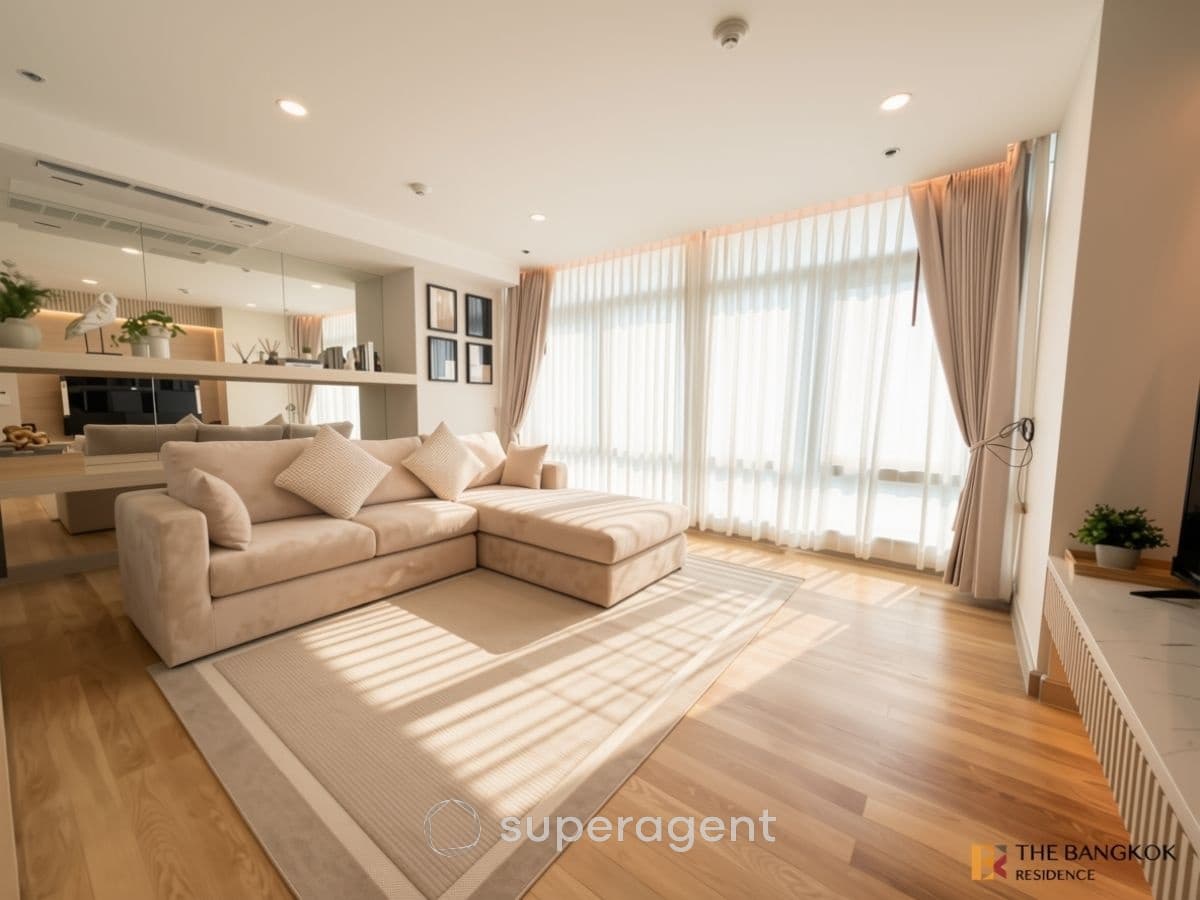
฿120,000
3 Bed3165 sqm
The Height Thonglor, 3BR 165 sq.m. 120K Show Unit Feel, Great Price, Rare Item in the Heart of Thonglor, Near BTS Thonglo
Condo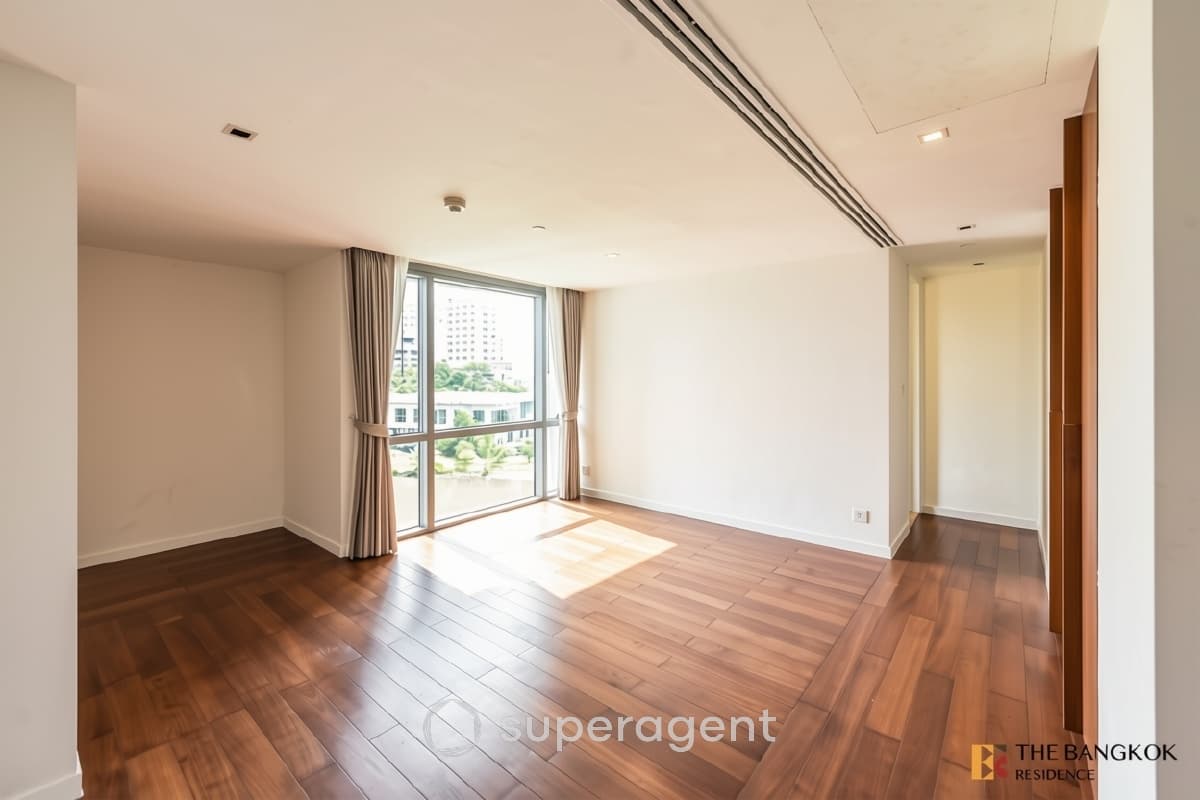
฿180,000
3 Bed4453 sqm
The Pano, 3BR 453sq.m. 180K Spacious Unit, Stunning Views
Condo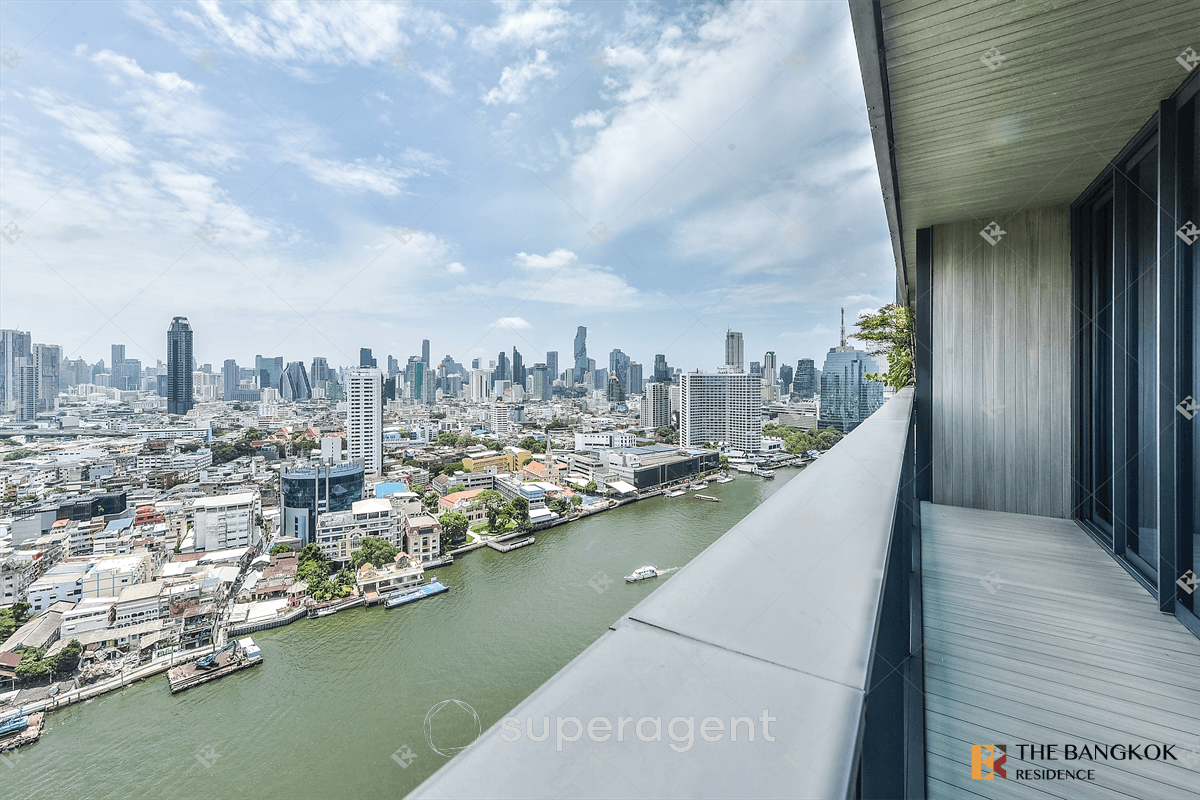
฿190,000
2 Bed2178.3 sqm
Banyan Tree Residence Riverside Bangkok, 2BR 178.34 sq.m. 190K Beautiful Fully Furnished Unit, Near BTS Saphan Taksin
Charoen Nakhon
Condo
฿59,000
1 Bed155.8 sqm
The Bangkok Thonglor, 1BR 55.8 sq.m. 59K, Premium High Floor Unit, Near BTS Thonglo
Thonglor
Condo![[For Rent] CONDO I Culture Chula I Duplex I 1 Bed I 1 Bath I 35,000THB/mo](/_next/image?url=https%3A%2F%2Fstorage.googleapis.com%2Fsuperagent-web%2Fattachments%2Flistings%2F6760%2F8deaff98-ecb1-4c62-b9be-aecac2f65797-1140-1.jpg&w=3840&q=75)
฿35,000
1 Bed138 sqm
[For Rent] CONDO I Culture Chula I Duplex I 1 Bed I 1 Bath I 35,000THB/mo
Siam
Condo![[For Rent] CONDO I Ideo Chula Samyan I 1 Bed I 1 Bath I 30,000THB/mo](/_next/image?url=https%3A%2F%2Fstorage.googleapis.com%2Fsuperagent-web%2Fattachments%2Flistings%2F6872%2Ff9ab570c-e4ca-41d6-90ee-a8e581218438-1271-8.jpg&w=3840&q=75)
฿30,000
1 Bed135 sqm
[For Rent] CONDO I Ideo Chula Samyan I 1 Bed I 1 Bath I 30,000THB/mo
Siam
Condo![[For Rent] TOWNHOME I Quarter 31 I 4 Beds I 5 Baths I 280,000THB/mo](/_next/image?url=https%3A%2F%2Fstorage.googleapis.com%2Fsuperagent-web%2Fattachments%2Flistings%2F1724%2Fb24f7c3a-8acd-49e4-ae85-6a31498207e4-600-2.jpg&w=3840&q=75)
฿280,000
4 Bed5425 sqm
[For Rent] TOWNHOME I Quarter 31 I 4 Beds I 5 Baths I 280,000THB/mo
Phrom Phong
CondoMore like this
 In Guides · Superagent EditorialHidden Costs of Renting a Condo in Bangkok Nobody Warns You AboutBangkok condo rent looks affordable until month one hits. Here are the real costs beyond the headline figure that catch most renters off guard.25 May 20261 min read
 In Guides · Superagent EditorialWhat a Long-Vacant Bangkok Condo Unit Is Actually Telling YouA Bangkok condo vacant for months signals overpricing, landlord issues, or real problems. Here is how to read the signs.25 May 20261 min read
 In Guides · Superagent EditorialRed Flags in a Bangkok Rental Contract to Watch Out ForBangkok rental contracts often hide risky clauses. Here are the red flags every tenant must catch before signing any lease.25 May 20261 min read
 In Guides · Superagent EditorialWorking Online from a Condo: How to Choose the Perfect Room for ProductivityLearn how to choose the best condo room for working online with tips on lighting, noise, and furniture setup to maximize productivity.9 May 20261 min read