How to Inspect Your Rental Room Before Moving Out: A Guide to Protecting Your Deposit
Guides
How to Inspect Your Rental Room Before Moving Out: A Guide to Protecting Your Deposit
Protect your security deposit by knowing exactly what to check before vacating your Bangkok rental.
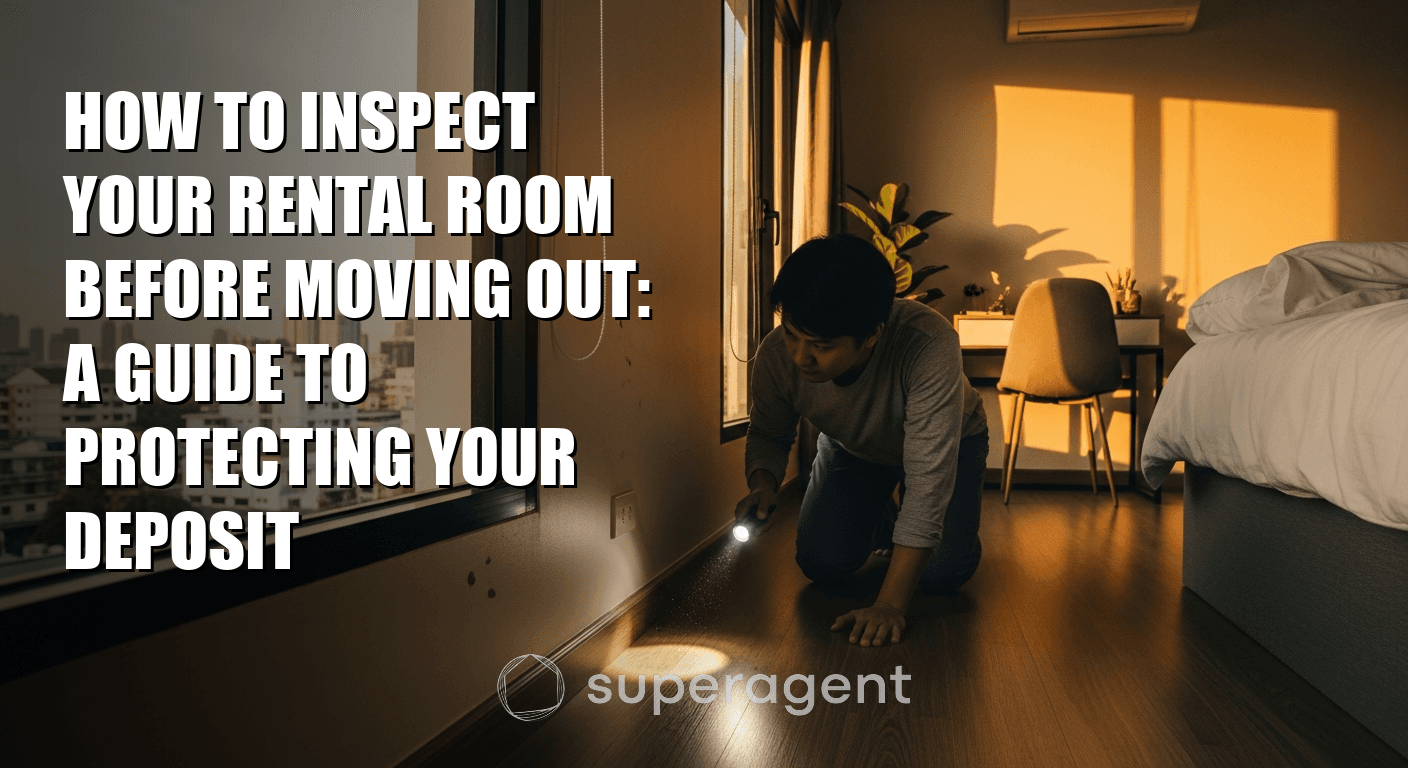
Summary
เช็คสภาพห้องก่อนย้ายออก is essential to avoid losing your deposit. Learn the complete inspection checklist and documentation tips for Bangkok renters.
You're packing your bags, ready to move out of your Bangkok condo, and suddenly a thought hits you: what if the landlord deducts half your security deposit for "damage" you never caused? It happens more often than you'd think in Bangkok's rental market. Thai landlords can be strict about property condition, and without proper documentation, you're basically fighting blind when disputes arise.
The truth is simple. A thorough pre-move inspection, documented in writing, is your only real defense. Whether you're leaving a studio in Ari or a two-bedroom near BTS Thonglor, knowing exactly what condition your place is in before you leave protects your money and your peace of mind.
Why Pre-Move Inspections Matter in Bangkok
Bangkok landlords hold your security deposit for a reason, and Thai law actually gives them quite a bit of leeway in deducting from it. Without clear, timestamped evidence of the property's condition when you move out, disputes over deposits can drag on for weeks. The landlord says there's a hole in the wall. You swear it was there when you arrived. Who wins? Whoever has the better documentation.
Consider this real scenario: a young professional renting a one-bedroom condo on Soi 26 near BTS Prompong for 22,000 THB per month moves out after two years. The landlord claims damaged parquet flooring in the bedroom requires a full replacement, costing 45,000 THB, and deducts this from the 60,000 THB security deposit. The tenant has no photos from move-in day. Result: the tenant loses 45,000 THB with no recourse.
A proper pre-move inspection prevents this. You're creating an undeniable record of what was already wrong before you left.
Step One: Photograph and Video Everything (With Date Stamps)
Before you pack a single box, take photos and videos of every room, every surface, every corner. Use your phone's camera, not some undated snapshot from months ago. Timestamps matter because they prove you documented the condition right before move-out.
Cover these specific areas in your photos: walls (close-ups of any marks, stains, or existing damage), flooring (entire rooms from different angles), ceiling (check for water stains, cracks, peeling paint), appliances (refrigerator, stove, microwave, washer condition), bathroom tiles (grout, caulking, fixtures), electrical outlets and switches, window frames and glass, air conditioning units, and door handles and locks.
In a typical condo near BTS Chitlom or Ploenchit, you'll find wear and tear that's simply normal after a year or two of living there. Faded paint, minor scuffs, small appliance marks. Document these. If a window blind is slightly damaged, photograph it. If the fridge has a small dent on the side, record it. Your landlord will reference these later, so beat them to it.
Store these photos and videos in cloud backup (Google Drive, Dropbox, iCloud) immediately. Don't rely on your phone alone. This is insurance.
Step Two: Create a Written Room-by-Room Condition Report
A written document is legally weightier than just photos. Create a detailed room-by-room inventory of the property's condition. Use a simple Google Doc or Word file with this format for each room: Room name, description of condition, any existing damage noted, appliances present and their condition, and date documented.
Be specific. Instead of "walls look okay," write "walls painted white, no cracks observed, minor scuff marks visible on living room wall near light switch (pre-existing)." Instead of "bathroom fine," describe: "bathroom tiles white, grout appears original with minor discoloration visible near floor, faucet functions normally, no leaks observed."
For a typical Bangkok condo renting in the 18,000 to 32,000 THB range (common pricing in areas like Ekamai, Asok, and Nana), landlords will expect normal wear and tear. Your written report acknowledges what normal wear looks like, protecting you from inflated damage claims later.
Have your landlord or property manager sign and date this document before you move out, if possible. If they refuse to sign, at minimum photograph or screenshot the unsigned version with today's date visible.
Step Three: Handle the Official Move-Out Inspection with Your Landlord
Most serious Bangkok condo buildings and managed properties require a formal move-out inspection. Schedule this at least three to five days before your actual move date, not the day you're leaving. You need time to address any legitimate issues if the inspection reveals something fixable.
Attend the inspection in person. Bring your pre-move documentation (photos, written report) on your phone or printed. Walk through each room with your landlord or property manager. For every item they mention as damaged or needing repair, ask: was this damage caused by me, or was it pre-existing? Show them your documentation.
A landlord in a Silom or Sathorn building might claim the kitchen cabinet door is scratched. You show your move-in photo or your dated pre-move inspection photo showing the same scratch. This conversation, witnessed by both parties in real time, is worth its weight in gold later.
Request the inspection checklist in writing. Most professional buildings provide one. Ask for an itemized list of any damages claimed, with estimated repair costs. Do not accept vague claims. Insist on specificity: "scratched cabinet door in master bathroom, repair cost 3,500 THB" is useful. "General wear and tear in bathrooms, repair cost 8,000 THB" is not.
Step Four: Understand Thai Rental Law on Deposits and Damage Liability
Thailand's rental law, governed by the Thai Civil and Commercial Code, states that a landlord can only deduct from a security deposit for damage caused by the tenant, not for normal wear and tear. The problem is "normal wear and tear" is subjective, and many landlords push the boundaries.
According to CBRE Thailand's rental market insights, disputes over security deposits are among the top three reasons renters file complaints with property management bodies. Most disputes are avoidable with proper documentation.
Know these specific protections: a landlord cannot charge for painting if it's been more than a few years since the unit was painted (Thai law considers this normal maintenance), minor scuffs and marks from normal living are not billable, worn appliances that still function are not your responsibility to replace, and the landlord must provide itemized, cost-justified deduction claims within a reasonable timeframe (most professional buildings do this within 30 days of move-out).
If you're renting near BTS stations or MRT lines where turnover is high, like Phetchaburi or Rama 9, landlords have seen hundreds of move-outs. They know the rules because they've dealt with disputes before.
Common Damage Claims (And How to Protect Yourself)
Here are the four most frequent deposit disputes in Bangkok and how to defend against them:
- Stained or marked walls: 5,000-15,000 THB (partial or full repainting) vs Document wall condition before move-out. Distinguish between pre-existing marks and new damage. Take close-up photos of any stains with timestamp.
- Damaged flooring or scratches: 8,000-35,000 THB (polishing, repair, or section replacement) vs Photograph flooring in all rooms at move-in and move-out. Minor scratches and wear are normal in a rental after 1-2 years. Have this in writing on your inspection checklist.
- Appliance damage or malfunction: 3,000-12,000 THB per appliance (repair or replacement) vs Test all appliances before move-in and document their condition in your written report. Note any pre-existing issues. Photo evidence of normal operation at move-out is crucial.
- Plumbing or water damage: 10,000-50,000 THB (repairs, restoration, potential mold remediation) vs Get a pre-move inspection from a plumber if worried. Document that you reported any leaks or issues to management during your tenancy. Keep receipts or photos of maintenance requests.
Real Bangkok example: a tenant at a mid-range condo near BTS Ratchathewi (typical rent 20,000-28,000 THB monthly) moved out after 18 months. Landlord claimed 25,000 THB for wall repainting due to "stains." Tenant had timestamped photos from move-out showing the same marks visible in the original lease photos provided by the building. Landlord backed down and returned the full deposit. Documentation won.
What to Do After You Move Out and Leave the Keys
After your official move-out inspection and before you hand over the keys, request a written move-out report from the landlord or property manager. This document should list the condition of the property, any damages noted during the inspection, and estimated repair costs for each item.
Do not hand over your keys until you have this in writing. Keep a copy (photo or scan) immediately. Within 3-5 days of move-out, send a formal message (email or Line chat) to your landlord summarizing the inspection and confirming the items discussed. Something like: "Hi [Landlord Name], thank you for the move-out inspection on [date]. As discussed, the following items were noted: [list]. I understand a deposit reconciliation will be provided within 30 days per our lease agreement. Please confirm receipt."
This creates a paper trail. When the landlord tries to claim additional deductions two weeks later (which happens), you have evidence you've already discussed the inspection and agreed on items at move-out.
According to DDproperty's Bangkok rental trend reports, security deposit disputes resolved within 30 days of move-out are 85% more likely to result in fair outcomes than disputes that drag on longer. The longer you wait to challenge deductions, the harder your case becomes.
When to Involve a Property Management Company or Legal Help
If your landlord deducts more than 10% of your security deposit or claims damages you clearly did not cause, you have options. Most professional Bangkok buildings are managed by companies registered with the Thai Condominium Association or similar bodies. Contact the property management office and file a formal complaint with your documentation.
For deposits larger than 100,000 THB or serious disputes, consulting a property lawyer in Bangkok (many expat-friendly lawyers handle this) costs 3,000-8,000 THB for a review and demand letter. That letter alone often resolves disputes because it signals you're serious.
You don't need to go to small claims court (Thailand's system is slow and costly for renters). A formal complaint to the building management or a lawyer's letter recovers most legitimate disputes within days.
Renting in Bangkok is straightforward when both landlord and tenant respect the terms. The key is documentation. Every photo, every written note, every timestamped message creates proof that protects your deposit. You're not being paranoid. You're being smart about your money.
When you're ready to move to your next place in Bangkok, use platforms like Superagent to find verified listings with transparent landlords who understand that clear communication prevents disputes. Many of the buildings on Superagent have professional management and standard move-out procedures that favor tenants with proper documentation.
You're packing your bags, ready to move out of your Bangkok condo, and suddenly a thought hits you: what if the landlord deducts half your security deposit for "damage" you never caused? It happens more often than you'd think in Bangkok's rental market. Thai landlords can be strict about property condition, and without proper documentation, you're basically fighting blind when disputes arise.
The truth is simple. A thorough pre-move inspection, documented in writing, is your only real defense. Whether you're leaving a studio in Ari or a two-bedroom near BTS Thonglor, knowing exactly what condition your place is in before you leave protects your money and your peace of mind.
Why Pre-Move Inspections Matter in Bangkok
Bangkok landlords hold your security deposit for a reason, and Thai law actually gives them quite a bit of leeway in deducting from it. Without clear, timestamped evidence of the property's condition when you move out, disputes over deposits can drag on for weeks. The landlord says there's a hole in the wall. You swear it was there when you arrived. Who wins? Whoever has the better documentation.
Consider this real scenario: a young professional renting a one-bedroom condo on Soi 26 near BTS Prompong for 22,000 THB per month moves out after two years. The landlord claims damaged parquet flooring in the bedroom requires a full replacement, costing 45,000 THB, and deducts this from the 60,000 THB security deposit. The tenant has no photos from move-in day. Result: the tenant loses 45,000 THB with no recourse.
A proper pre-move inspection prevents this. You're creating an undeniable record of what was already wrong before you left.
Step One: Photograph and Video Everything (With Date Stamps)
Before you pack a single box, take photos and videos of every room, every surface, every corner. Use your phone's camera, not some undated snapshot from months ago. Timestamps matter because they prove you documented the condition right before move-out.
Cover these specific areas in your photos: walls (close-ups of any marks, stains, or existing damage), flooring (entire rooms from different angles), ceiling (check for water stains, cracks, peeling paint), appliances (refrigerator, stove, microwave, washer condition), bathroom tiles (grout, caulking, fixtures), electrical outlets and switches, window frames and glass, air conditioning units, and door handles and locks.
Continue reading after that.
Looking for a condo
to rent?
Leave your name and phone. We'll follow up while you keep reading.
100% Secure
Fast Response
Free Consultation
In a typical condo near BTS Chitlom or Ploenchit, you'll find wear and tear that's simply normal after a year or two of living there. Faded paint, minor scuffs, small appliance marks. Document these. If a window blind is slightly damaged, photograph it. If the fridge has a small dent on the side, record it. Your landlord will reference these later, so beat them to it.
Store these photos and videos in cloud backup (Google Drive, Dropbox, iCloud) immediately. Don't rely on your phone alone. This is insurance.
Step Two: Create a Written Room-by-Room Condition Report
A written document is legally weightier than just photos. Create a detailed room-by-room inventory of the property's condition. Use a simple Google Doc or Word file with this format for each room: Room name, description of condition, any existing damage noted, appliances present and their condition, and date documented.
Be specific. Instead of "walls look okay," write "walls painted white, no cracks observed, minor scuff marks visible on living room wall near light switch (pre-existing)." Instead of "bathroom fine," describe: "bathroom tiles white, grout appears original with minor discoloration visible near floor, faucet functions normally, no leaks observed."
For a typical Bangkok condo renting in the 18,000 to 32,000 THB range (common pricing in areas like Ekamai, Asok, and Nana), landlords will expect normal wear and tear. Your written report acknowledges what normal wear looks like, protecting you from inflated damage claims later.
Have your landlord or property manager sign and date this document before you move out, if possible. If they refuse to sign, at minimum photograph or screenshot the unsigned version with today's date visible.
Step Three: Handle the Official Move-Out Inspection with Your Landlord
Most serious Bangkok condo buildings and managed properties require a formal move-out inspection. Schedule this at least three to five days before your actual move date, not the day you're leaving. You need time to address any legitimate issues if the inspection reveals something fixable.
Attend the inspection in person. Bring your pre-move documentation (photos, written report) on your phone or printed. Walk through each room with your landlord or property manager. For every item they mention as damaged or needing repair, ask: was this damage caused by me, or was it pre-existing? Show them your documentation.
A landlord in a Silom or Sathorn building might claim the kitchen cabinet door is scratched. You show your move-in photo or your dated pre-move inspection photo showing the same scratch. This conversation, witnessed by both parties in real time, is worth its weight in gold later.
Request the inspection checklist in writing. Most professional buildings provide one. Ask for an itemized list of any damages claimed, with estimated repair costs. Do not accept vague claims. Insist on specificity: "scratched cabinet door in master bathroom, repair cost 3,500 THB" is useful. "General wear and tear in bathrooms, repair cost 8,000 THB" is not.
Step Four: Understand Thai Rental Law on Deposits and Damage Liability
Thailand's rental law, governed by the Thai Civil and Commercial Code, states that a landlord can only deduct from a security deposit for damage caused by the tenant, not for normal wear and tear. The problem is "normal wear and tear" is subjective, and many landlords push the boundaries.
According to CBRE Thailand's rental market insights, disputes over security deposits are among the top three reasons renters file complaints with property management bodies. Most disputes are avoidable with proper documentation.
Know these specific protections: a landlord cannot charge for painting if it's been more than a few years since the unit was painted (Thai law considers this normal maintenance), minor scuffs and marks from normal living are not billable, worn appliances that still function are not your responsibility to replace, and the landlord must provide itemized, cost-justified deduction claims within a reasonable timeframe (most professional buildings do this within 30 days of move-out).
If you're renting near BTS stations or MRT lines where turnover is high, like Phetchaburi or Rama 9, landlords have seen hundreds of move-outs. They know the rules because they've dealt with disputes before.
Common Damage Claims (And How to Protect Yourself)
Here are the four most frequent deposit disputes in Bangkok and how to defend against them:
- Stained or marked walls: 5,000-15,000 THB (partial or full repainting) vs Document wall condition before move-out. Distinguish between pre-existing marks and new damage. Take close-up photos of any stains with timestamp.
- Damaged flooring or scratches: 8,000-35,000 THB (polishing, repair, or section replacement) vs Photograph flooring in all rooms at move-in and move-out. Minor scratches and wear are normal in a rental after 1-2 years. Have this in writing on your inspection checklist.
- Appliance damage or malfunction: 3,000-12,000 THB per appliance (repair or replacement) vs Test all appliances before move-in and document their condition in your written report. Note any pre-existing issues. Photo evidence of normal operation at move-out is crucial.
- Plumbing or water damage: 10,000-50,000 THB (repairs, restoration, potential mold remediation) vs Get a pre-move inspection from a plumber if worried. Document that you reported any leaks or issues to management during your tenancy. Keep receipts or photos of maintenance requests.
Real Bangkok example: a tenant at a mid-range condo near BTS Ratchathewi (typical rent 20,000-28,000 THB monthly) moved out after 18 months. Landlord claimed 25,000 THB for wall repainting due to "stains." Tenant had timestamped photos from move-out showing the same marks visible in the original lease photos provided by the building. Landlord backed down and returned the full deposit. Documentation won.
Continue reading after that.
Looking for a condo
to rent?
Leave your name and phone. We'll follow up while you keep reading.
100% Secure
Fast Response
Free Consultation
What to Do After You Move Out and Leave the Keys
After your official move-out inspection and before you hand over the keys, request a written move-out report from the landlord or property manager. This document should list the condition of the property, any damages noted during the inspection, and estimated repair costs for each item.
Do not hand over your keys until you have this in writing. Keep a copy (photo or scan) immediately. Within 3-5 days of move-out, send a formal message (email or Line chat) to your landlord summarizing the inspection and confirming the items discussed. Something like: "Hi [Landlord Name], thank you for the move-out inspection on [date]. As discussed, the following items were noted: [list]. I understand a deposit reconciliation will be provided within 30 days per our lease agreement. Please confirm receipt."
This creates a paper trail. When the landlord tries to claim additional deductions two weeks later (which happens), you have evidence you've already discussed the inspection and agreed on items at move-out.
According to DDproperty's Bangkok rental trend reports, security deposit disputes resolved within 30 days of move-out are 85% more likely to result in fair outcomes than disputes that drag on longer. The longer you wait to challenge deductions, the harder your case becomes.
When to Involve a Property Management Company or Legal Help
If your landlord deducts more than 10% of your security deposit or claims damages you clearly did not cause, you have options. Most professional Bangkok buildings are managed by companies registered with the Thai Condominium Association or similar bodies. Contact the property management office and file a formal complaint with your documentation.
For deposits larger than 100,000 THB or serious disputes, consulting a property lawyer in Bangkok (many expat-friendly lawyers handle this) costs 3,000-8,000 THB for a review and demand letter. That letter alone often resolves disputes because it signals you're serious.
You don't need to go to small claims court (Thailand's system is slow and costly for renters). A formal complaint to the building management or a lawyer's letter recovers most legitimate disputes within days.
Renting in Bangkok is straightforward when both landlord and tenant respect the terms. The key is documentation. Every photo, every written note, every timestamped message creates proof that protects your deposit. You're not being paranoid. You're being smart about your money.
When you're ready to move to your next place in Bangkok, use platforms like Superagent to find verified listings with transparent landlords who understand that clear communication prevents disputes. Many of the buildings on Superagent have professional management and standard move-out procedures that favor tenants with proper documentation.
Share this article
Properties you may like
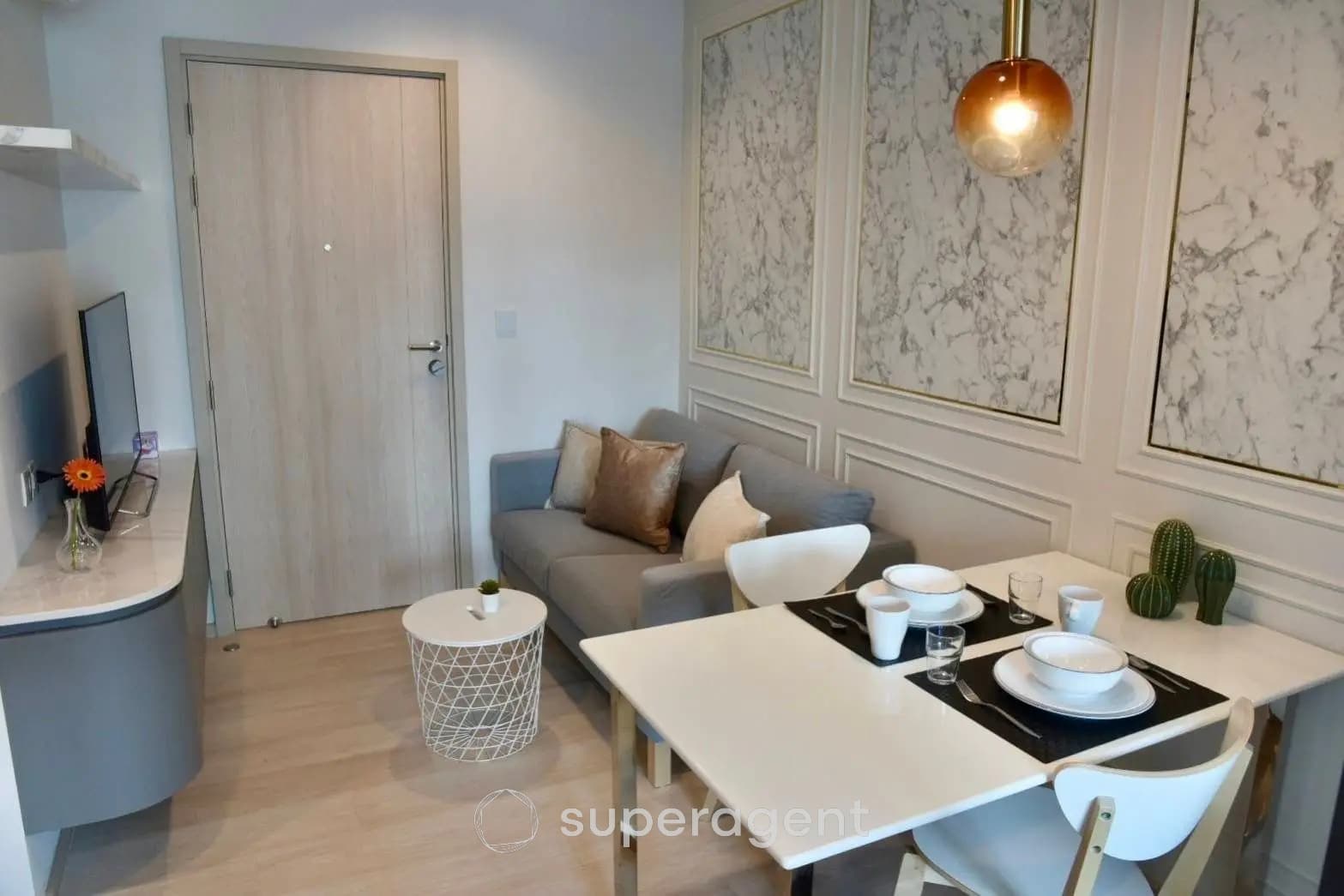
฿24,000
1 Bed135 sqm
1-BR Condo at Life One Wireless near BTS Phloen Chit
Ploenchit
Condo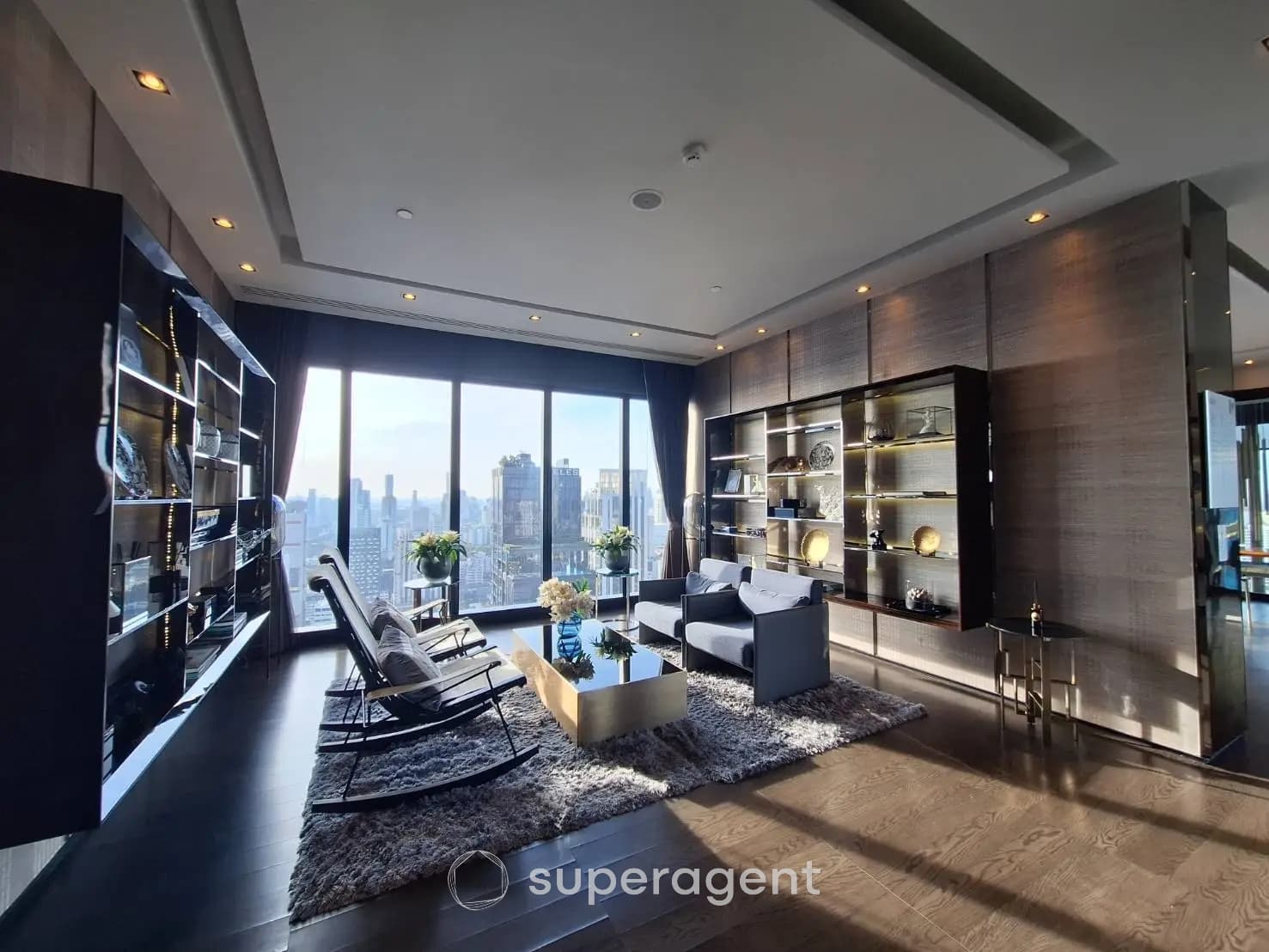
฿25,000
1 Bed133 sqm
1-BR Condo at Ashton Asoke near MRT Sukhumvit
Asoke
Condo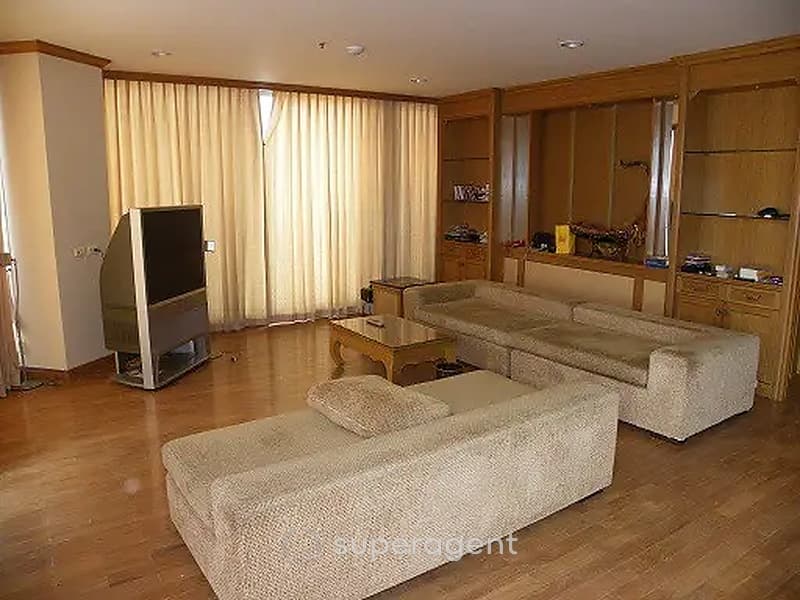
฿70,000
3 Bed3230 sqm
3-BR Condo at River Heaven Chareonkrung in Bang Kho Laem
Condo
฿63,000
3 Bed2102 sqm
3-BR Condo at Noble Remix near BTS Thong Lor
Thonglor
Condo
฿27,000
Studio135 sqm
Studio Condo at Ideo Q Victory near BTS Victory Monument
Victory Monument
Condo
฿30,000
2 Bed252.9 sqm
2-BR Condo at The Key Sathorn - Charoenraj in Bang Khlo
Condo
฿17,000
1 Bed136 sqm
1-BR Condo at The Trendy Condominium near BTS Nana
Condo
฿42,000
2 Bed287 sqm
2-BR Condo at Ideo Mobi Sukhumvit 81 near BTS On Nut
Condo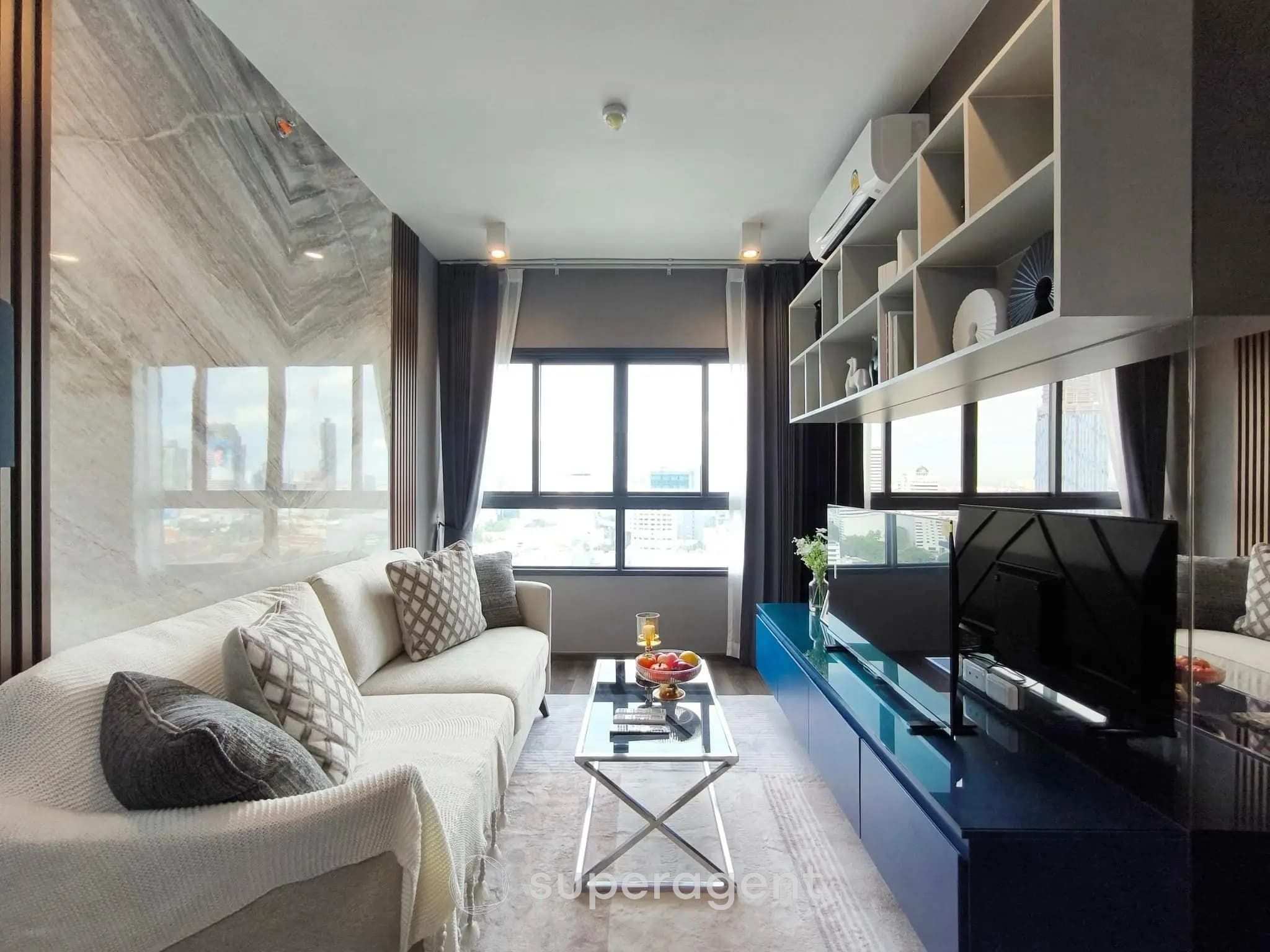
฿38,000
2 Bed258 sqm
2-BR Condo at Ideo Rama 9 - Asoke near MRT Phra Ram 9
Condo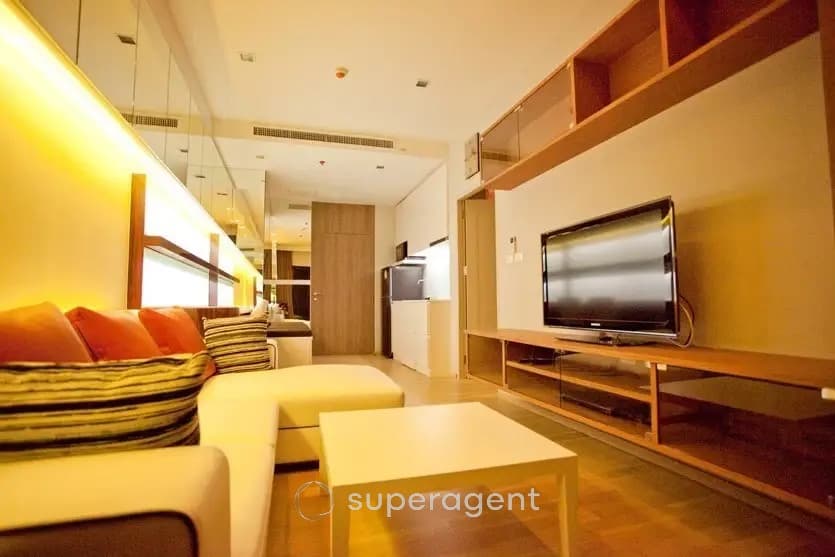
฿27,000
1 Bed145 sqm
1-BR Condo at Noble Reveal Ekamai near BTS Ekkamai
Ekkamai
CondoMore like this
 In Guides · Superagent EditorialHidden Costs of Renting a Condo in Bangkok Nobody Warns You AboutBangkok condo rent looks affordable until month one hits. Here are the real costs beyond the headline figure that catch most renters off guard.25 May 20261 min read
 In Guides · Superagent EditorialWhat a Long-Vacant Bangkok Condo Unit Is Actually Telling YouA Bangkok condo vacant for months signals overpricing, landlord issues, or real problems. Here is how to read the signs.25 May 20261 min read
 In Guides · Superagent EditorialRed Flags in a Bangkok Rental Contract to Watch Out ForBangkok rental contracts often hide risky clauses. Here are the red flags every tenant must catch before signing any lease.25 May 20261 min read
 In Guides · Superagent EditorialWorking Online from a Condo: How to Choose the Perfect Room for ProductivityLearn how to choose the best condo room for working online with tips on lighting, noise, and furniture setup to maximize productivity.9 May 20261 min read