Landlord Raises Rent Without Notice: Is It Legal and What Can You Do?
Guides
Landlord Raises Rent Without Notice: Is It Legal and What Can You Do?
Learn your rights when landlords increase rent without proper notification.

Summary
Discover if raising rent without notice is legal in Bangkok. Know your tenant rights, notice requirements, and steps to take against unauthorized increases
You're three months into your condo lease in Phrom Phong, paying 28,000 baht a month, and suddenly your landlord sends a message: "New price is 32,000 starting next month." No warning. No discussion. No lease amendment. Just a flat increase because the market's hot and they know you've settled in.
This happens in Bangkok more often than most renters realize. It's frustrating, it's stressful, and the first question everyone asks is the same: "Is that even legal?"
The short answer is no, not without notice. Thai rental law is actually clearer on this than many expats think. But knowing your rights and actually enforcing them are two very different things, especially when you're juggling work, visa obligations, and the simple desire to keep your apartment. Let's walk through exactly what the law says, what landlords can and cannot do, and what your realistic options actually are in Bangkok's rental market.
What Thailand's Rental Law Actually Says About Rent Increases
Thailand's Apartment Act, B.E. 2522 (1979), is the governing law for condo rentals across Bangkok. It's not a long or complicated document, but it's surprisingly tenant-friendly compared to what many people expect.
The core rule is this: a landlord cannot increase rent without written notice given at least 30 days in advance. That 30-day window is not a suggestion. It's a legal requirement. If your landlord tries to jump your rent without that notice period, they are breaking the law. Full stop.
Here's the scenario that plays out constantly: you get a text message, an email, or a verbal notice from your agent saying the new rent is higher. You ask why. They say "market rate" or "owner's decision." You ask when it takes effect. They say "next month" or "immediately." That's a violation.
According to the Apartment Act, rent increases must follow this process: written notice delivered to your address (or your agent if you're using one), minimum 30 days before the increase takes effect, and ideally a signed amendment to your original lease contract.
How Bangkok Landlords Usually Try to Get Away With It
The reason so many landlords attempt undisclosed increases is simple: enforcement in Bangkok is practically nonexistent. The law exists, but it's rarely enforced unless a tenant formally files a complaint. Most landlords bet (correctly, often) that tenants won't pursue legal action over a few thousand baht.
Here are the most common tactics you'll encounter in the Bangkok rental market:
The "I forgot to tell you" approach happens when an agent casually mentions a higher rate during a lease renewal conversation, expecting you to just accept it because you're already committed to the building. The "market adjustment" angle frames it as inevitable, like you should be grateful it's not higher. The "owner needs it" plea appeals to emotion, as if the landlord's financial situation is your responsibility.
In Sukhumvit sois, this happens constantly with foreign landlords who own multiple units. They rely on tenant turnover and the assumption that expats won't know their rights or won't want the hassle of fighting back.
Your Legal Rights When a Landlord Raises Rent Without Notice
Here's what the law gives you, and it's more powerful than most people realize:
First, you have the right to refuse the increase if proper notice was not given. You can keep paying the original amount while the landlord figures out whether they want to follow the law. This isn't you being difficult. This is you enforcing a contract they signed.
Second, you can demand a signed lease amendment that documents the new rent, the effective date, and that proper notice was given (even if it wasn't, in writing). Many landlords will back down when asked to put something in writing, because they know they're in violation.
Third, if the landlord tries to evict you for refusing an illegal increase, that eviction is itself illegal. Thai courts will not enforce an eviction based on a tenant refusing an improperly noticed rent hike. You have protection here.
Finally, you can file a complaint with the local district office (Amphur) or the court. The Apartment Act gives you a legal basis to challenge the increase. You can also request the Subdistict office (Tambol) to mediate if things get heated.
The reality in Bangkok, though, is that most tenants never get to that stage because most landlords back down when you calmly reference the 30-day notice requirement.
What You Should Do Right Now If This Happens to You
Step one is to respond calmly and in writing. Do not argue over text message or in person. Use email or WeChat, with your building agent CC'd if you have one. Say something like: "Thank you for informing me of the rent adjustment. According to the Apartment Act, I need written notice 30 days before any increase takes effect. Could you please send me a formal written notice with the effective date?"
This email does two critical things: it documents that you received improper notice, and it signals that you know your rights. Many landlords read that and immediately become cooperative.
Step two is to wait for a proper response. If the landlord clarifies that they meant the increase for 30 days from now, great. If they argue or push back, you've now got written evidence of the dispute.
Step three is escalation only if needed. Contact your building's management office and ask them to verify the lease terms with the landlord. Often, the management office will explain to the owner that they can't just raise rent on a whim. If that doesn't work, involve your country's embassy or a local tenant advocacy group.
For example, if you're renting in a Sukhumvit condo near Nana BTS, your building's management company wants to avoid disputes as much as you do. A quick call to them often resolves the issue faster than anything else.
Rent Increases That Actually Are Legal (And How to Spot Them)
Not every rent increase is illegal. Thai law does allow landlords to raise rent, but only under specific conditions.
A rent increase is legal if the landlord provides written notice at least 30 days before the increase takes effect. That's really the only condition. Whether the increase is 2,000 baht or 8,000 baht doesn't matter legally. A 3% rise is just as valid as a 20% rise, as long as notice is given properly.
Some leases also include automatic adjustment clauses, though these are less common in Bangkok's condo market. If your original contract says "rent increases 3% annually on the anniversary date," that's baked in legally, but it still requires 30 days' written notice at the time of the increase.
The key distinction is notice, not amount. A landlord can raise your rent from 25,000 to 35,000 baht tomorrow if they give you proper written notice today that the increase takes effect 30 days from now. That's legal. Telling you today that it takes effect tomorrow is not.
- Landlord increases rent with 30+ days written notice: Legal vs Accept, negotiate, or leave when lease ends
- Landlord increases rent with less than 30 days notice or no written notice: Illegal vs Refuse to pay increase, demand proper notice, file complaint if needed
- Lease includes automatic adjustment clause and proper notice given: Legal vs Accept or negotiate lease renewal without that clause
- Landlord tries to evict you for refusing illegal increase: Illegal eviction vs Courts will not enforce, file complaint with district office
How to Protect Yourself Going Forward
The best defense is a clear lease agreement from day one. When you sign your original contract, make sure it specifies exactly what triggers a rent increase, what notice period applies, and what the process looks like. Get this in writing in English and Thai.
Before signing any lease in Bangkok, ask explicitly: "What is your policy on rent increases?" If the landlord or agent is vague, that's a red flag. A legitimate landlord will have a clear answer because they've thought about it.
Keep all communication about rent in writing. If your agent mentions anything about future increases, follow up with an email asking for clarification. This creates a paper trail that protects you if disputes arise later.
Most importantly, know that rental agreements in Bangkok typically run 12 months. At the renewal point, both parties can negotiate freely. That's the legitimate time for a landlord to propose a new rate. If they're increasing mid-lease without consent, that's the violation.
For average Bangkok condo rentals, current market rates range from 25,000 to 35,000 baht per month for a 1-bedroom in mid-tier neighborhoods like Phrom Phong or Asoke, and 18,000 to 28,000 baht in Phraya Thai or Bang Khapi. If your landlord's increase brings you significantly above these ranges, you also have the option to simply move.
Know Your Rights, But Know Your Leverage Too
Here's the honest part that doesn't usually make it into legal guides: knowing you're right and being able to enforce it are different things in Bangkok. Thai courts can take months. The process is frustrating if you're just trying to live your life. Most expats would rather move than fight.
That's actually okay. Sometimes the leverage is knowing that you can leave. If a landlord raises your rent without proper notice and you respond by saying you'll move when your lease ends, many will back down because finding a quality tenant takes time and effort.
But if you want to stay and want it to be legitimate, the law is on your side. Write that email. Reference the 30-day notice requirement. Most Bangkok landlords understand the rules even if they sometimes try to skirt them.
If you're looking for a condo where transparency and fair dealing actually matter, Superagent connects you with verified listings and landlords who follow Bangkok's rental regulations. You'll know exactly what you're getting into before you sign, with proper lease terms and clear communication from the start.
You're three months into your condo lease in Phrom Phong, paying 28,000 baht a month, and suddenly your landlord sends a message: "New price is 32,000 starting next month." No warning. No discussion. No lease amendment. Just a flat increase because the market's hot and they know you've settled in.
This happens in Bangkok more often than most renters realize. It's frustrating, it's stressful, and the first question everyone asks is the same: "Is that even legal?"
The short answer is no, not without notice. Thai rental law is actually clearer on this than many expats think. But knowing your rights and actually enforcing them are two very different things, especially when you're juggling work, visa obligations, and the simple desire to keep your apartment. Let's walk through exactly what the law says, what landlords can and cannot do, and what your realistic options actually are in Bangkok's rental market.
What Thailand's Rental Law Actually Says About Rent Increases
Thailand's Apartment Act, B.E. 2522 (1979), is the governing law for condo rentals across Bangkok. It's not a long or complicated document, but it's surprisingly tenant-friendly compared to what many people expect.
The core rule is this: a landlord cannot increase rent without written notice given at least 30 days in advance. That 30-day window is not a suggestion. It's a legal requirement. If your landlord tries to jump your rent without that notice period, they are breaking the law. Full stop.
Here's the scenario that plays out constantly: you get a text message, an email, or a verbal notice from your agent saying the new rent is higher. You ask why. They say "market rate" or "owner's decision." You ask when it takes effect. They say "next month" or "immediately." That's a violation.
According to the Apartment Act, rent increases must follow this process: written notice delivered to your address (or your agent if you're using one), minimum 30 days before the increase takes effect, and ideally a signed amendment to your original lease contract.
Continue reading after that.
Looking for a condo
to rent?
Leave your name and phone. We'll follow up while you keep reading.
100% Secure
Fast Response
Free Consultation
How Bangkok Landlords Usually Try to Get Away With It
The reason so many landlords attempt undisclosed increases is simple: enforcement in Bangkok is practically nonexistent. The law exists, but it's rarely enforced unless a tenant formally files a complaint. Most landlords bet (correctly, often) that tenants won't pursue legal action over a few thousand baht.
Here are the most common tactics you'll encounter in the Bangkok rental market:
The "I forgot to tell you" approach happens when an agent casually mentions a higher rate during a lease renewal conversation, expecting you to just accept it because you're already committed to the building. The "market adjustment" angle frames it as inevitable, like you should be grateful it's not higher. The "owner needs it" plea appeals to emotion, as if the landlord's financial situation is your responsibility.
In Sukhumvit sois, this happens constantly with foreign landlords who own multiple units. They rely on tenant turnover and the assumption that expats won't know their rights or won't want the hassle of fighting back.
Your Legal Rights When a Landlord Raises Rent Without Notice
Here's what the law gives you, and it's more powerful than most people realize:
First, you have the right to refuse the increase if proper notice was not given. You can keep paying the original amount while the landlord figures out whether they want to follow the law. This isn't you being difficult. This is you enforcing a contract they signed.
Second, you can demand a signed lease amendment that documents the new rent, the effective date, and that proper notice was given (even if it wasn't, in writing). Many landlords will back down when asked to put something in writing, because they know they're in violation.
Third, if the landlord tries to evict you for refusing an illegal increase, that eviction is itself illegal. Thai courts will not enforce an eviction based on a tenant refusing an improperly noticed rent hike. You have protection here.
Finally, you can file a complaint with the local district office (Amphur) or the court. The Apartment Act gives you a legal basis to challenge the increase. You can also request the Subdistict office (Tambol) to mediate if things get heated.
The reality in Bangkok, though, is that most tenants never get to that stage because most landlords back down when you calmly reference the 30-day notice requirement.
What You Should Do Right Now If This Happens to You
Step one is to respond calmly and in writing. Do not argue over text message or in person. Use email or WeChat, with your building agent CC'd if you have one. Say something like: "Thank you for informing me of the rent adjustment. According to the Apartment Act, I need written notice 30 days before any increase takes effect. Could you please send me a formal written notice with the effective date?"
This email does two critical things: it documents that you received improper notice, and it signals that you know your rights. Many landlords read that and immediately become cooperative.
Step two is to wait for a proper response. If the landlord clarifies that they meant the increase for 30 days from now, great. If they argue or push back, you've now got written evidence of the dispute.
Step three is escalation only if needed. Contact your building's management office and ask them to verify the lease terms with the landlord. Often, the management office will explain to the owner that they can't just raise rent on a whim. If that doesn't work, involve your country's embassy or a local tenant advocacy group.
For example, if you're renting in a Sukhumvit condo near Nana BTS, your building's management company wants to avoid disputes as much as you do. A quick call to them often resolves the issue faster than anything else.
Rent Increases That Actually Are Legal (And How to Spot Them)
Not every rent increase is illegal. Thai law does allow landlords to raise rent, but only under specific conditions.
A rent increase is legal if the landlord provides written notice at least 30 days before the increase takes effect. That's really the only condition. Whether the increase is 2,000 baht or 8,000 baht doesn't matter legally. A 3% rise is just as valid as a 20% rise, as long as notice is given properly.
Some leases also include automatic adjustment clauses, though these are less common in Bangkok's condo market. If your original contract says "rent increases 3% annually on the anniversary date," that's baked in legally, but it still requires 30 days' written notice at the time of the increase.
The key distinction is notice, not amount. A landlord can raise your rent from 25,000 to 35,000 baht tomorrow if they give you proper written notice today that the increase takes effect 30 days from now. That's legal. Telling you today that it takes effect tomorrow is not.
- Landlord increases rent with 30+ days written notice: Legal vs Accept, negotiate, or leave when lease ends
- Landlord increases rent with less than 30 days notice or no written notice: Illegal vs Refuse to pay increase, demand proper notice, file complaint if needed
- Lease includes automatic adjustment clause and proper notice given: Legal vs Accept or negotiate lease renewal without that clause
- Landlord tries to evict you for refusing illegal increase: Illegal eviction vs Courts will not enforce, file complaint with district office
How to Protect Yourself Going Forward
The best defense is a clear lease agreement from day one. When you sign your original contract, make sure it specifies exactly what triggers a rent increase, what notice period applies, and what the process looks like. Get this in writing in English and Thai.
Continue reading after that.
Looking for a condo
to rent?
Leave your name and phone. We'll follow up while you keep reading.
100% Secure
Fast Response
Free Consultation
Before signing any lease in Bangkok, ask explicitly: "What is your policy on rent increases?" If the landlord or agent is vague, that's a red flag. A legitimate landlord will have a clear answer because they've thought about it.
Keep all communication about rent in writing. If your agent mentions anything about future increases, follow up with an email asking for clarification. This creates a paper trail that protects you if disputes arise later.
Most importantly, know that rental agreements in Bangkok typically run 12 months. At the renewal point, both parties can negotiate freely. That's the legitimate time for a landlord to propose a new rate. If they're increasing mid-lease without consent, that's the violation.
For average Bangkok condo rentals, current market rates range from 25,000 to 35,000 baht per month for a 1-bedroom in mid-tier neighborhoods like Phrom Phong or Asoke, and 18,000 to 28,000 baht in Phraya Thai or Bang Khapi. If your landlord's increase brings you significantly above these ranges, you also have the option to simply move.
Know Your Rights, But Know Your Leverage Too
Here's the honest part that doesn't usually make it into legal guides: knowing you're right and being able to enforce it are different things in Bangkok. Thai courts can take months. The process is frustrating if you're just trying to live your life. Most expats would rather move than fight.
That's actually okay. Sometimes the leverage is knowing that you can leave. If a landlord raises your rent without proper notice and you respond by saying you'll move when your lease ends, many will back down because finding a quality tenant takes time and effort.
But if you want to stay and want it to be legitimate, the law is on your side. Write that email. Reference the 30-day notice requirement. Most Bangkok landlords understand the rules even if they sometimes try to skirt them.
If you're looking for a condo where transparency and fair dealing actually matter, Superagent connects you with verified listings and landlords who follow Bangkok's rental regulations. You'll know exactly what you're getting into before you sign, with proper lease terms and clear communication from the start.
Share this article
Properties you may like
![[For Rent] CONDO I Park Origin 24 I 2 Beds I 1 Baths I 48,000THB/mo](/_next/image?url=https%3A%2F%2Fstorage.googleapis.com%2Fsuperagent-web%2Fattachments%2Flistings%2F6890%2Ffb28cb5c-9a1b-424b-9b52-b844aeba7bf2-1291-1.jpg&w=3840&q=75)
฿48,000
2 Bed152.1 sqm
[For Rent] CONDO I Park Origin 24 I 2 Beds I 1 Baths I 48,000THB/mo
Phrom Phong
Condo![[For Rent] CONDO I Grand Parkview Asoke I 2 Beds I 1 Bath I 35,000THB/mo](/_next/image?url=https%3A%2F%2Fstorage.googleapis.com%2Fsuperagent-web%2Fattachments%2Flistings%2F6889%2F9cb3631b-7a06-4438-9425-a5c78df563d4-1303-1.jpg&w=3840&q=75)
฿35,000
2 Bed168.4 sqm
[For Rent] CONDO I Grand Parkview Asoke I 2 Beds I 1 Bath I 35,000THB/mo
Asoke
Condo![[For Rent] CONDO I Culture Thonglor I 1 Bed I 1 Bath I 22,000THB/mo](/_next/image?url=https%3A%2F%2Fstorage.googleapis.com%2Fsuperagent-web%2Fattachments%2Flistings%2F2271%2Fcb90f802-330c-49a2-a142-2e33a8127032-culture_thonglor_for_rent_02.jpg&w=3840&q=75)
฿22,000
1 Bed126 sqm
[For Rent] CONDO I Culture Thonglor I 1 Bed I 1 Bath I 22,000THB/mo
Thonglor
Condo
฿120,000
3 Bed3165 sqm
The Height Thonglor, 3BR 165 sq.m. 120K Show Unit Feel, Great Price, Rare Item in the Heart of Thonglor, Near BTS Thonglo
Condo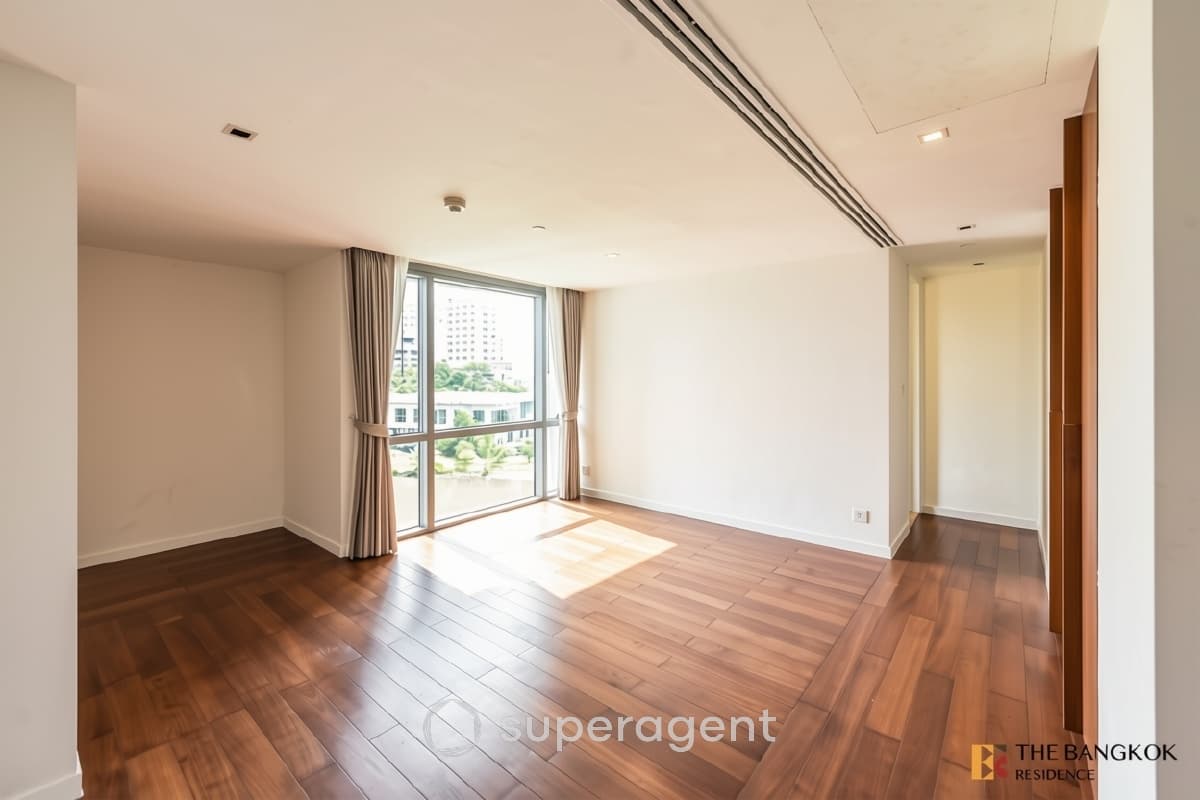
฿180,000
3 Bed4453 sqm
The Pano, 3BR 453sq.m. 180K Spacious Unit, Stunning Views
Condo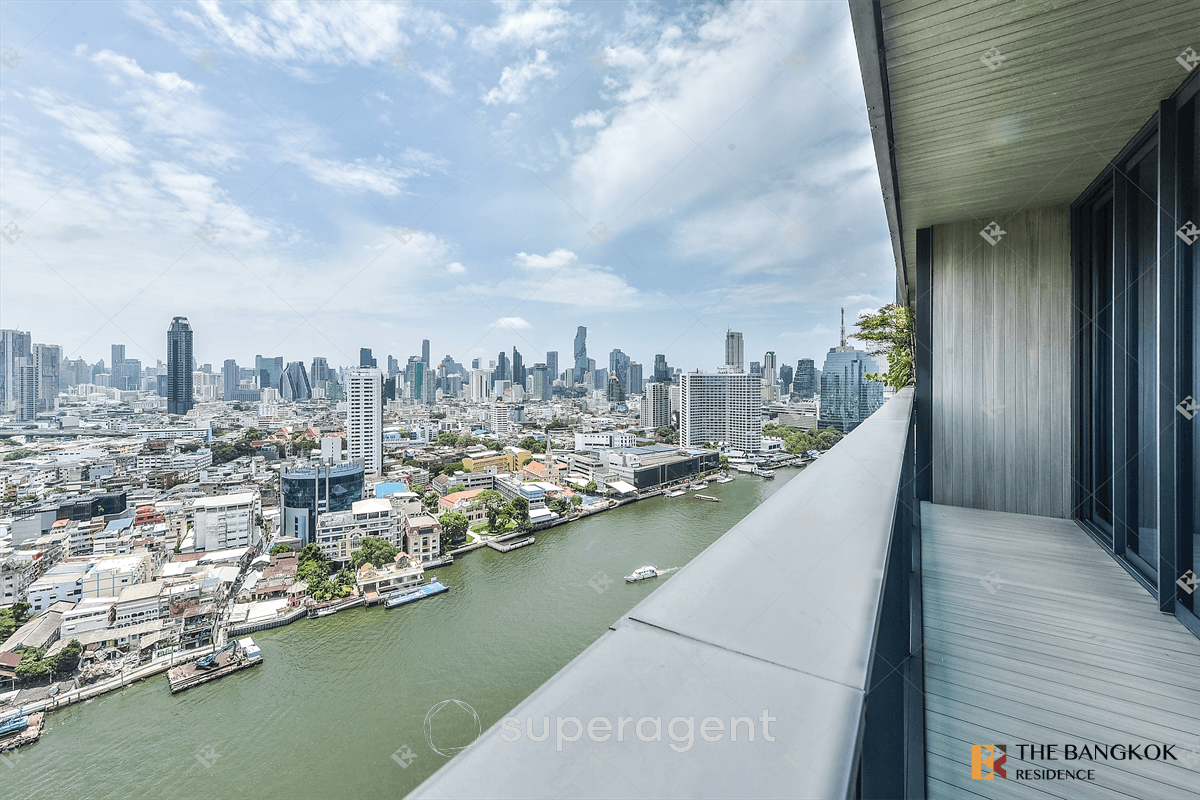
฿190,000
2 Bed2178.3 sqm
Banyan Tree Residence Riverside Bangkok, 2BR 178.34 sq.m. 190K Beautiful Fully Furnished Unit, Near BTS Saphan Taksin
Charoen Nakhon
Condo
฿59,000
1 Bed155.8 sqm
The Bangkok Thonglor, 1BR 55.8 sq.m. 59K, Premium High Floor Unit, Near BTS Thonglo
Thonglor
Condo![[For Rent] CONDO I Culture Chula I Duplex I 1 Bed I 1 Bath I 35,000THB/mo](/_next/image?url=https%3A%2F%2Fstorage.googleapis.com%2Fsuperagent-web%2Fattachments%2Flistings%2F6760%2F8deaff98-ecb1-4c62-b9be-aecac2f65797-1140-1.jpg&w=3840&q=75)
฿35,000
1 Bed138 sqm
[For Rent] CONDO I Culture Chula I Duplex I 1 Bed I 1 Bath I 35,000THB/mo
Siam
Condo![[For Rent] CONDO I Ideo Chula Samyan I 1 Bed I 1 Bath I 30,000THB/mo](/_next/image?url=https%3A%2F%2Fstorage.googleapis.com%2Fsuperagent-web%2Fattachments%2Flistings%2F6872%2Ff9ab570c-e4ca-41d6-90ee-a8e581218438-1271-8.jpg&w=3840&q=75)
฿30,000
1 Bed135 sqm
[For Rent] CONDO I Ideo Chula Samyan I 1 Bed I 1 Bath I 30,000THB/mo
Siam
Condo![[For Rent] TOWNHOME I Quarter 31 I 4 Beds I 5 Baths I 280,000THB/mo](/_next/image?url=https%3A%2F%2Fstorage.googleapis.com%2Fsuperagent-web%2Fattachments%2Flistings%2F1724%2Fb24f7c3a-8acd-49e4-ae85-6a31498207e4-600-2.jpg&w=3840&q=75)
฿280,000
4 Bed5425 sqm
[For Rent] TOWNHOME I Quarter 31 I 4 Beds I 5 Baths I 280,000THB/mo
Phrom Phong
CondoMore like this
 In Guides · Superagent EditorialHidden Costs of Renting a Condo in Bangkok Nobody Warns You AboutBangkok condo rent looks affordable until month one hits. Here are the real costs beyond the headline figure that catch most renters off guard.25 May 20261 min read
 In Guides · Superagent EditorialWhat a Long-Vacant Bangkok Condo Unit Is Actually Telling YouA Bangkok condo vacant for months signals overpricing, landlord issues, or real problems. Here is how to read the signs.25 May 20261 min read
 In Guides · Superagent EditorialRed Flags in a Bangkok Rental Contract to Watch Out ForBangkok rental contracts often hide risky clauses. Here are the red flags every tenant must catch before signing any lease.25 May 20261 min read
 In Guides · Superagent EditorialWorking Online from a Condo: How to Choose the Perfect Room for ProductivityLearn how to choose the best condo room for working online with tips on lighting, noise, and furniture setup to maximize productivity.9 May 20261 min read