Pet Deposits in Bangkok Condos: How Much and How to Negotiate
Guides
Pet Deposits in Bangkok Condos: How Much and How to Negotiate
Navigate pet deposit costs and learn negotiation strategies for Bangkok rental condos.
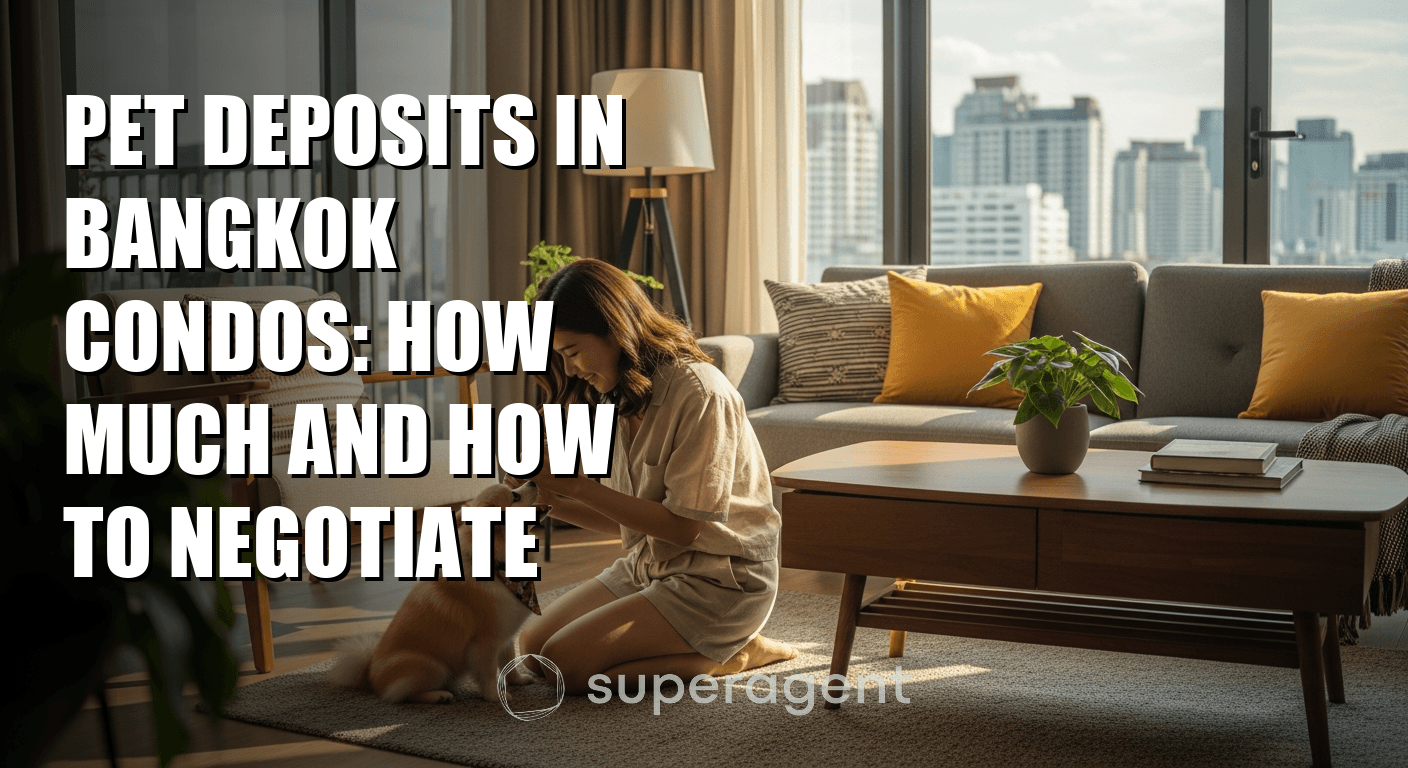
Summary
Discover typical pet deposit bangkok condo costs, negotiation tips, and what to expect when renting with pets in Thailand's capital.
You finally found a condo you love near BTS Thong Lo. The building allows pets, the landlord seems friendly, and the rent fits your budget at 28,000 THB per month for a one bedroom. Then comes the question that makes every pet owner in Bangkok sweat: "How much is the pet deposit?" The landlord says 50,000 THB on top of the standard two month security deposit. You do the math and realize you need to hand over 106,000 THB before you even move your cat's litter box inside. Welcome to the world of pet deposits in Bangkok condos, where the numbers can sting but the terms are almost always negotiable if you know how.
What Is a Pet Deposit and Why Do Bangkok Landlords Charge One?
A pet deposit is a separate sum of money you pay on top of your standard security deposit. It exists to cover potential damage your pet might cause, things like scratched hardwood floors, chewed door frames, stained carpets, or the lingering smell that seems to follow certain dog breeds into every room they have ever entered.
Bangkok landlords are especially cautious because most condos here come fully furnished with built in wardrobes, leather sofas, and curtains that your cat will absolutely try to climb. Replacing a damaged sofa in a furnished condo on Sukhumvit Soi 24 can easily cost 15,000 to 30,000 THB. A scratched marble floor? Even more. So from the landlord's perspective, the deposit makes sense.
It is important to understand that pet deposits in Thailand are not regulated by any specific law. The Thai Revenue Department governs tax on rental income, but there is no government cap on how much a landlord can charge as a pet deposit. Everything is negotiated between you and the property owner, which is exactly why knowing the market rates matters.
How Much Do Pet Deposits Actually Cost in Bangkok?
Based on current market data, the average pet deposit for a condo in central Bangkok ranges from 10,000 to 50,000 THB, depending on the building, the unit's furnishing level, and the type of pet. According to listings tracked on DDproperty, approximately 65% of pet friendly condo listings in central Bangkok charge a pet deposit equivalent to one month's rent or less.
For a condo renting at 20,000 THB per month near MRT Phra Ram 9, a typical pet deposit sits around 10,000 to 15,000 THB for a small dog or cat. Move up to a luxury two bedroom at Noble Remix near BTS Thong Lo renting for 55,000 THB, and you could be looking at 30,000 to 50,000 THB. Some high end buildings like Marque Sukhumvit or The Diplomat Sathorn charge flat rates regardless of rent, sometimes as high as 50,000 THB.
Here is a general breakdown based on what pet owners are actually paying across different areas of Bangkok right now.
- On Nut / BTS On Nut: 12,000 to 20,000 THB | 5,000 to 15,000 THB | Small dogs and cats
- Thong Lo / BTS Thong Lo: 25,000 to 45,000 THB | 15,000 to 30,000 THB | Small to medium dogs and cats
- Sathorn / BTS Chong Nonsi: 20,000 to 40,000 THB | 10,000 to 25,000 THB | Small dogs and cats
- Ari / BTS Ari: 15,000 to 30,000 THB | 10,000 to 20,000 THB | Small dogs and cats
- Rama 9 / MRT Phra Ram 9: 12,000 to 22,000 THB | 5,000 to 15,000 THB | Small dogs and cats
- Asoke / BTS Asok: 25,000 to 50,000 THB | 15,000 to 40,000 THB | Small to medium dogs and cats
Refundable vs. Non Refundable: Know the Difference Before You Sign
This is where many renters in Bangkok get caught off guard. Not all pet deposits are refundable. Some landlords treat the pet deposit as a non refundable fee, essentially a premium you pay for the privilege of keeping your pet in their unit. Others treat it like a standard security deposit, meaning you get it back at the end of the lease if there is no damage.
Take this real scenario: a friend rented a studio at Ideo Mobi Sukhumvit near BTS On Nut for 14,000 THB per month. The landlord charged a 10,000 THB pet deposit, non refundable, for her two cats. She kept the place immaculate for a full year, but that 10,000 THB was gone from day one. Had she asked upfront and pushed back, she might have negotiated it down to 5,000 THB or converted it to a refundable deposit.
Always, always ask whether the pet deposit is refundable before you sign the lease. Get it in writing. If the contract is vague, ask for a clause that specifically states the conditions under which the deposit will be returned. Thai rental contracts are flexible documents, and most landlords will add a line or two if you ask politely.
How to Negotiate Your Pet Deposit Like a Pro
Negotiation is not just possible in Bangkok. It is expected. Most landlords set their initial pet deposit high because they anticipate being talked down. Here are strategies that actually work in this market.
First, offer to provide a pet resume. Yes, it sounds ridiculous, but showing a landlord that your dog is vaccinated, trained, and has references from a previous landlord goes a long way. Bring printed vaccination records from a vet like Bumrungrad Hospital affiliated veterinary services or Thonglor Pet Hospital. It shows you are a responsible owner.
Second, propose a smaller deposit with a damage clause. Instead of paying 30,000 THB upfront, suggest 15,000 THB with a written agreement that you will cover any verified pet damage beyond that amount. This reduces your cash outlay while still giving the landlord protection.
Third, use the length of your lease as a bargaining chip. A landlord renting a two bedroom at Life Asoke Hype near MRT Phetchaburi for 30,000 THB per month would rather lock in a tenant for two years at a lower pet deposit than risk a vacancy. Offer a longer lease in exchange for a reduced or waived pet deposit.
Fourth, highlight your pet's size. A 3 kilogram cat is not going to cause the same damage as a 25 kilogram Labrador. If your pet is small, make that clear and argue for a deposit that matches the actual risk.
Buildings That Are Genuinely Pet Friendly vs. Buildings That Just Tolerate Pets
There is a massive difference between a condo that has a pet garden, dog washing station, and clear pet rules versus one where the juristic office reluctantly allows a small dog if you pay extra. Knowing the difference saves you money and headaches.
Genuinely pet friendly buildings in Bangkok include places like Mori Haus on Sukhumvit Soi 77, which has a dedicated pet area and welcomes dogs of various sizes. Hasu Haus near BTS On Nut is another favorite among pet owners. These buildings tend to have standardized pet deposit policies, often more reasonable because they have already priced pet wear and tear into their common area maintenance fees.
On the other hand, older buildings along Sukhumvit Soi 11 or Soi 15 might allow pets on a case by case basis, but the landlord sets the deposit independently. In these situations, you might face wildly inconsistent pricing. One owner on the 12th floor charges 10,000 THB while the owner on the 8th floor wants 40,000 THB for the same building and same pet type.
Research the building's juristic office rules before you even view a unit. Some condos have weight limits, typically 5 to 10 kilograms, that are set by the building management, not the landlord. Even if the owner says yes, the building can say no.
Protecting Your Deposit: Documentation and Move In Tips
The single best thing you can do to protect your pet deposit is document everything on move in day. Take photos and videos of every surface your pet might touch. Floors, walls, furniture legs, curtains, doors, and balcony railings. Send these photos to your landlord via email or a messaging app so there is a timestamped record both parties can reference.
Consider this example: a couple moved into a two bedroom at The Base Park West near BTS On Nut, paying 22,000 THB per month with a 15,000 THB pet deposit for their French Bulldog. On move out, the landlord tried to deduct for scratches on the living room floor. Because the couple had photos showing those exact scratches existed before move in, they got their full deposit back. Without those photos, they would have lost the entire 15,000 THB.
You should also consider investing in protective measures during your tenancy. Scratch guards for door frames cost around 200 to 500 THB. Furniture leg covers run about 100 THB for a pack. A good quality pet mat for feeding areas prevents water stains on wooden floors. These tiny investments can save you thousands when it is time to move out.
Pet deposits in Bangkok are a fact of life for renters with furry companions, but they do not have to drain your savings. Know the market rates, ask the right questions before signing, document everything, and never be afraid to negotiate. The landlord wants a tenant. You want a home for you and your pet. There is always a middle ground.
If you are searching for pet friendly condos in Bangkok and want to compare deposits, rules, and building policies all in one place, try Superagent at superagent.co. It is built to help you find the right condo faster, pets and all.
You finally found a condo you love near BTS Thong Lo. The building allows pets, the landlord seems friendly, and the rent fits your budget at 28,000 THB per month for a one bedroom. Then comes the question that makes every pet owner in Bangkok sweat: "How much is the pet deposit?" The landlord says 50,000 THB on top of the standard two month security deposit. You do the math and realize you need to hand over 106,000 THB before you even move your cat's litter box inside. Welcome to the world of pet deposits in Bangkok condos, where the numbers can sting but the terms are almost always negotiable if you know how.
What Is a Pet Deposit and Why Do Bangkok Landlords Charge One?
A pet deposit is a separate sum of money you pay on top of your standard security deposit. It exists to cover potential damage your pet might cause, things like scratched hardwood floors, chewed door frames, stained carpets, or the lingering smell that seems to follow certain dog breeds into every room they have ever entered.
Bangkok landlords are especially cautious because most condos here come fully furnished with built in wardrobes, leather sofas, and curtains that your cat will absolutely try to climb. Replacing a damaged sofa in a furnished condo on Sukhumvit Soi 24 can easily cost 15,000 to 30,000 THB. A scratched marble floor? Even more. So from the landlord's perspective, the deposit makes sense.
It is important to understand that pet deposits in Thailand are not regulated by any specific law. The Thai Revenue Department governs tax on rental income, but there is no government cap on how much a landlord can charge as a pet deposit. Everything is negotiated between you and the property owner, which is exactly why knowing the market rates matters.
How Much Do Pet Deposits Actually Cost in Bangkok?
Based on current market data, the average pet deposit for a condo in central Bangkok ranges from 10,000 to 50,000 THB, depending on the building, the unit's furnishing level, and the type of pet. According to listings tracked on DDproperty, approximately 65% of pet friendly condo listings in central Bangkok charge a pet deposit equivalent to one month's rent or less.
Continue reading after that.
Looking for a condo
to rent?
Leave your name and phone. We'll follow up while you keep reading.
100% Secure
Fast Response
Free Consultation
For a condo renting at 20,000 THB per month near MRT Phra Ram 9, a typical pet deposit sits around 10,000 to 15,000 THB for a small dog or cat. Move up to a luxury two bedroom at Noble Remix near BTS Thong Lo renting for 55,000 THB, and you could be looking at 30,000 to 50,000 THB. Some high end buildings like Marque Sukhumvit or The Diplomat Sathorn charge flat rates regardless of rent, sometimes as high as 50,000 THB.
Here is a general breakdown based on what pet owners are actually paying across different areas of Bangkok right now.
- On Nut / BTS On Nut: 12,000 to 20,000 THB | 5,000 to 15,000 THB | Small dogs and cats
- Thong Lo / BTS Thong Lo: 25,000 to 45,000 THB | 15,000 to 30,000 THB | Small to medium dogs and cats
- Sathorn / BTS Chong Nonsi: 20,000 to 40,000 THB | 10,000 to 25,000 THB | Small dogs and cats
- Ari / BTS Ari: 15,000 to 30,000 THB | 10,000 to 20,000 THB | Small dogs and cats
- Rama 9 / MRT Phra Ram 9: 12,000 to 22,000 THB | 5,000 to 15,000 THB | Small dogs and cats
- Asoke / BTS Asok: 25,000 to 50,000 THB | 15,000 to 40,000 THB | Small to medium dogs and cats
Refundable vs. Non Refundable: Know the Difference Before You Sign
This is where many renters in Bangkok get caught off guard. Not all pet deposits are refundable. Some landlords treat the pet deposit as a non refundable fee, essentially a premium you pay for the privilege of keeping your pet in their unit. Others treat it like a standard security deposit, meaning you get it back at the end of the lease if there is no damage.
Take this real scenario: a friend rented a studio at Ideo Mobi Sukhumvit near BTS On Nut for 14,000 THB per month. The landlord charged a 10,000 THB pet deposit, non refundable, for her two cats. She kept the place immaculate for a full year, but that 10,000 THB was gone from day one. Had she asked upfront and pushed back, she might have negotiated it down to 5,000 THB or converted it to a refundable deposit.
Always, always ask whether the pet deposit is refundable before you sign the lease. Get it in writing. If the contract is vague, ask for a clause that specifically states the conditions under which the deposit will be returned. Thai rental contracts are flexible documents, and most landlords will add a line or two if you ask politely.
How to Negotiate Your Pet Deposit Like a Pro
Negotiation is not just possible in Bangkok. It is expected. Most landlords set their initial pet deposit high because they anticipate being talked down. Here are strategies that actually work in this market.
First, offer to provide a pet resume. Yes, it sounds ridiculous, but showing a landlord that your dog is vaccinated, trained, and has references from a previous landlord goes a long way. Bring printed vaccination records from a vet like Bumrungrad Hospital affiliated veterinary services or Thonglor Pet Hospital. It shows you are a responsible owner.
Second, propose a smaller deposit with a damage clause. Instead of paying 30,000 THB upfront, suggest 15,000 THB with a written agreement that you will cover any verified pet damage beyond that amount. This reduces your cash outlay while still giving the landlord protection.
Third, use the length of your lease as a bargaining chip. A landlord renting a two bedroom at Life Asoke Hype near MRT Phetchaburi for 30,000 THB per month would rather lock in a tenant for two years at a lower pet deposit than risk a vacancy. Offer a longer lease in exchange for a reduced or waived pet deposit.
Fourth, highlight your pet's size. A 3 kilogram cat is not going to cause the same damage as a 25 kilogram Labrador. If your pet is small, make that clear and argue for a deposit that matches the actual risk.
Buildings That Are Genuinely Pet Friendly vs. Buildings That Just Tolerate Pets
There is a massive difference between a condo that has a pet garden, dog washing station, and clear pet rules versus one where the juristic office reluctantly allows a small dog if you pay extra. Knowing the difference saves you money and headaches.
Genuinely pet friendly buildings in Bangkok include places like Mori Haus on Sukhumvit Soi 77, which has a dedicated pet area and welcomes dogs of various sizes. Hasu Haus near BTS On Nut is another favorite among pet owners. These buildings tend to have standardized pet deposit policies, often more reasonable because they have already priced pet wear and tear into their common area maintenance fees.
Continue reading after that.
Looking for a condo
to rent?
Leave your name and phone. We'll follow up while you keep reading.
100% Secure
Fast Response
Free Consultation
On the other hand, older buildings along Sukhumvit Soi 11 or Soi 15 might allow pets on a case by case basis, but the landlord sets the deposit independently. In these situations, you might face wildly inconsistent pricing. One owner on the 12th floor charges 10,000 THB while the owner on the 8th floor wants 40,000 THB for the same building and same pet type.
Research the building's juristic office rules before you even view a unit. Some condos have weight limits, typically 5 to 10 kilograms, that are set by the building management, not the landlord. Even if the owner says yes, the building can say no.
Protecting Your Deposit: Documentation and Move In Tips
The single best thing you can do to protect your pet deposit is document everything on move in day. Take photos and videos of every surface your pet might touch. Floors, walls, furniture legs, curtains, doors, and balcony railings. Send these photos to your landlord via email or a messaging app so there is a timestamped record both parties can reference.
Consider this example: a couple moved into a two bedroom at The Base Park West near BTS On Nut, paying 22,000 THB per month with a 15,000 THB pet deposit for their French Bulldog. On move out, the landlord tried to deduct for scratches on the living room floor. Because the couple had photos showing those exact scratches existed before move in, they got their full deposit back. Without those photos, they would have lost the entire 15,000 THB.
You should also consider investing in protective measures during your tenancy. Scratch guards for door frames cost around 200 to 500 THB. Furniture leg covers run about 100 THB for a pack. A good quality pet mat for feeding areas prevents water stains on wooden floors. These tiny investments can save you thousands when it is time to move out.
Pet deposits in Bangkok are a fact of life for renters with furry companions, but they do not have to drain your savings. Know the market rates, ask the right questions before signing, document everything, and never be afraid to negotiate. The landlord wants a tenant. You want a home for you and your pet. There is always a middle ground.
If you are searching for pet friendly condos in Bangkok and want to compare deposits, rules, and building policies all in one place, try Superagent at superagent.co. It is built to help you find the right condo faster, pets and all.
Share this article
Properties you may like
![[For Rent] CONDO I Park Origin 24 I 2 Beds I 1 Baths I 48,000THB/mo](/_next/image?url=https%3A%2F%2Fstorage.googleapis.com%2Fsuperagent-web%2Fattachments%2Flistings%2F6890%2Ffb28cb5c-9a1b-424b-9b52-b844aeba7bf2-1291-1.jpg&w=3840&q=75)
฿48,000
2 Bed152.1 sqm
[For Rent] CONDO I Park Origin 24 I 2 Beds I 1 Baths I 48,000THB/mo
Phrom Phong
Condo![[For Rent] CONDO I Grand Parkview Asoke I 2 Beds I 1 Bath I 35,000THB/mo](/_next/image?url=https%3A%2F%2Fstorage.googleapis.com%2Fsuperagent-web%2Fattachments%2Flistings%2F6889%2F9cb3631b-7a06-4438-9425-a5c78df563d4-1303-1.jpg&w=3840&q=75)
฿35,000
2 Bed168.4 sqm
[For Rent] CONDO I Grand Parkview Asoke I 2 Beds I 1 Bath I 35,000THB/mo
Asoke
Condo![[For Rent] CONDO I Culture Thonglor I 1 Bed I 1 Bath I 22,000THB/mo](/_next/image?url=https%3A%2F%2Fstorage.googleapis.com%2Fsuperagent-web%2Fattachments%2Flistings%2F2271%2Fcb90f802-330c-49a2-a142-2e33a8127032-culture_thonglor_for_rent_02.jpg&w=3840&q=75)
฿22,000
1 Bed126 sqm
[For Rent] CONDO I Culture Thonglor I 1 Bed I 1 Bath I 22,000THB/mo
Thonglor
Condo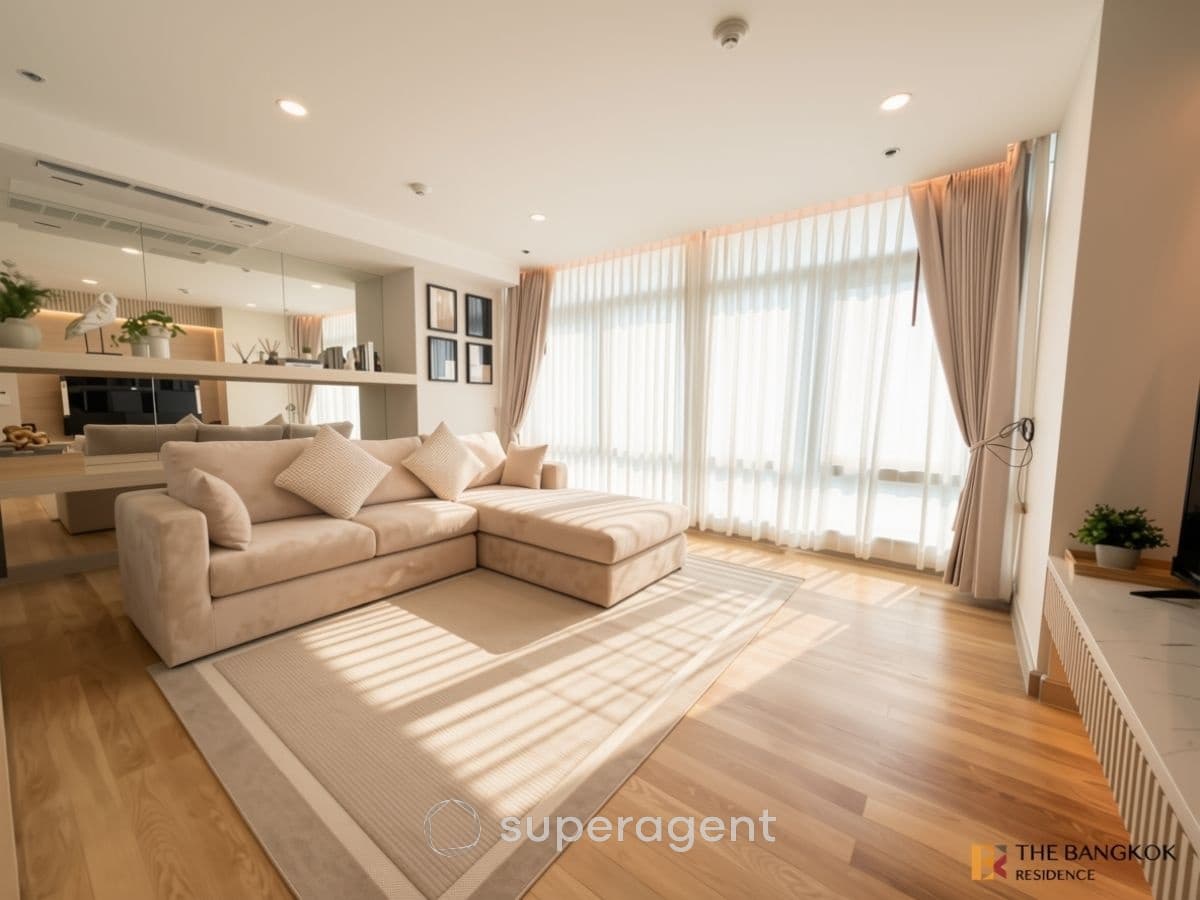
฿120,000
3 Bed3165 sqm
The Height Thonglor, 3BR 165 sq.m. 120K Show Unit Feel, Great Price, Rare Item in the Heart of Thonglor, Near BTS Thonglo
Condo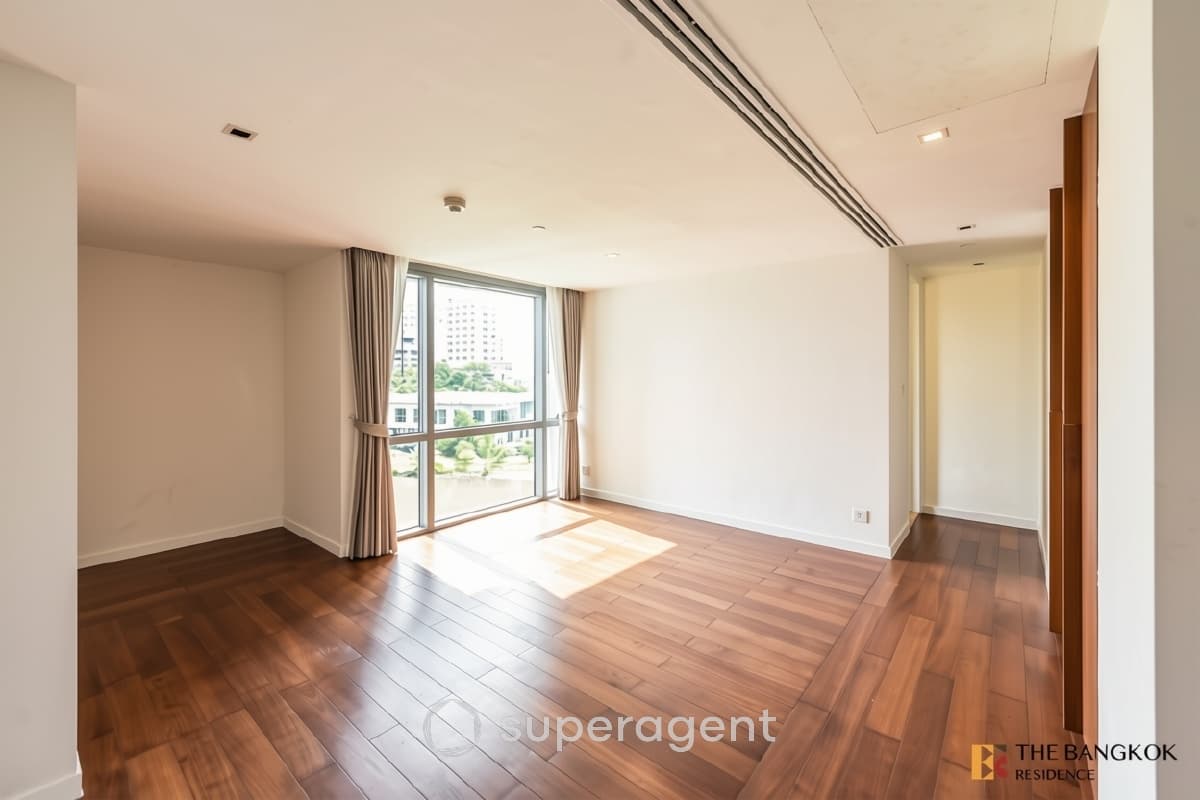
฿180,000
3 Bed4453 sqm
The Pano, 3BR 453sq.m. 180K Spacious Unit, Stunning Views
Condo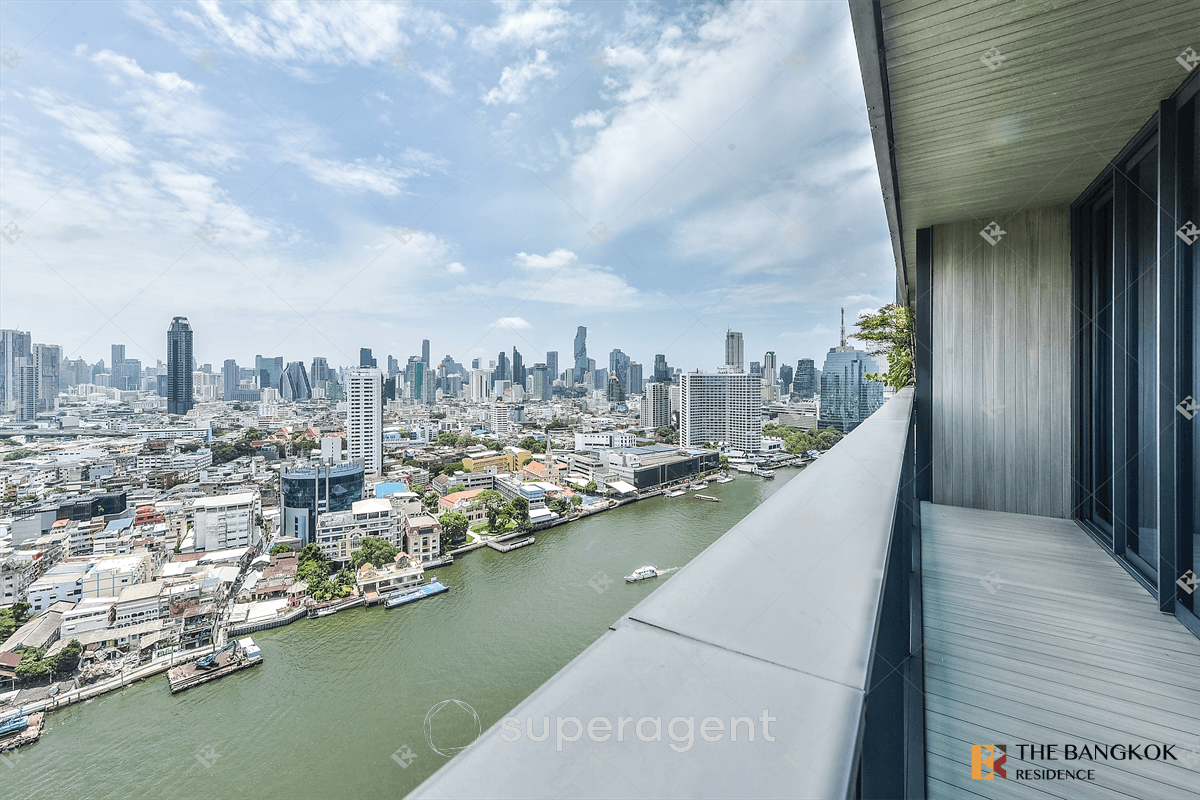
฿190,000
2 Bed2178.3 sqm
Banyan Tree Residence Riverside Bangkok, 2BR 178.34 sq.m. 190K Beautiful Fully Furnished Unit, Near BTS Saphan Taksin
Charoen Nakhon
Condo
฿59,000
1 Bed155.8 sqm
The Bangkok Thonglor, 1BR 55.8 sq.m. 59K, Premium High Floor Unit, Near BTS Thonglo
Thonglor
Condo![[For Rent] CONDO I Culture Chula I Duplex I 1 Bed I 1 Bath I 35,000THB/mo](/_next/image?url=https%3A%2F%2Fstorage.googleapis.com%2Fsuperagent-web%2Fattachments%2Flistings%2F6760%2F8deaff98-ecb1-4c62-b9be-aecac2f65797-1140-1.jpg&w=3840&q=75)
฿35,000
1 Bed138 sqm
[For Rent] CONDO I Culture Chula I Duplex I 1 Bed I 1 Bath I 35,000THB/mo
Siam
Condo![[For Rent] CONDO I Ideo Chula Samyan I 1 Bed I 1 Bath I 30,000THB/mo](/_next/image?url=https%3A%2F%2Fstorage.googleapis.com%2Fsuperagent-web%2Fattachments%2Flistings%2F6872%2Ff9ab570c-e4ca-41d6-90ee-a8e581218438-1271-8.jpg&w=3840&q=75)
฿30,000
1 Bed135 sqm
[For Rent] CONDO I Ideo Chula Samyan I 1 Bed I 1 Bath I 30,000THB/mo
Siam
Condo![[For Rent] TOWNHOME I Quarter 31 I 4 Beds I 5 Baths I 280,000THB/mo](/_next/image?url=https%3A%2F%2Fstorage.googleapis.com%2Fsuperagent-web%2Fattachments%2Flistings%2F1724%2Fb24f7c3a-8acd-49e4-ae85-6a31498207e4-600-2.jpg&w=3840&q=75)
฿280,000
4 Bed5425 sqm
[For Rent] TOWNHOME I Quarter 31 I 4 Beds I 5 Baths I 280,000THB/mo
Phrom Phong
CondoMore like this
 In Guides · Superagent EditorialHidden Costs of Renting a Condo in Bangkok Nobody Warns You AboutBangkok condo rent looks affordable until month one hits. Here are the real costs beyond the headline figure that catch most renters off guard.25 May 20261 min read
 In Guides · Superagent EditorialWhat a Long-Vacant Bangkok Condo Unit Is Actually Telling YouA Bangkok condo vacant for months signals overpricing, landlord issues, or real problems. Here is how to read the signs.25 May 20261 min read
 In Guides · Superagent EditorialRed Flags in a Bangkok Rental Contract to Watch Out ForBangkok rental contracts often hide risky clauses. Here are the red flags every tenant must catch before signing any lease.25 May 20261 min read
 In Guides · Superagent EditorialWorking Online from a Condo: How to Choose the Perfect Room for ProductivityLearn how to choose the best condo room for working online with tips on lighting, noise, and furniture setup to maximize productivity.9 May 20261 min read