What Is TM30? What Every Bangkok Condo Owner Must Know About Reporting Foreign Tenants
Guides
What Is TM30? What Every Bangkok Condo Owner Must Know About Reporting Foreign Tenants
The 24-hour foreigner reporting rule that Thai landlords cannot afford to ignore.
Summary
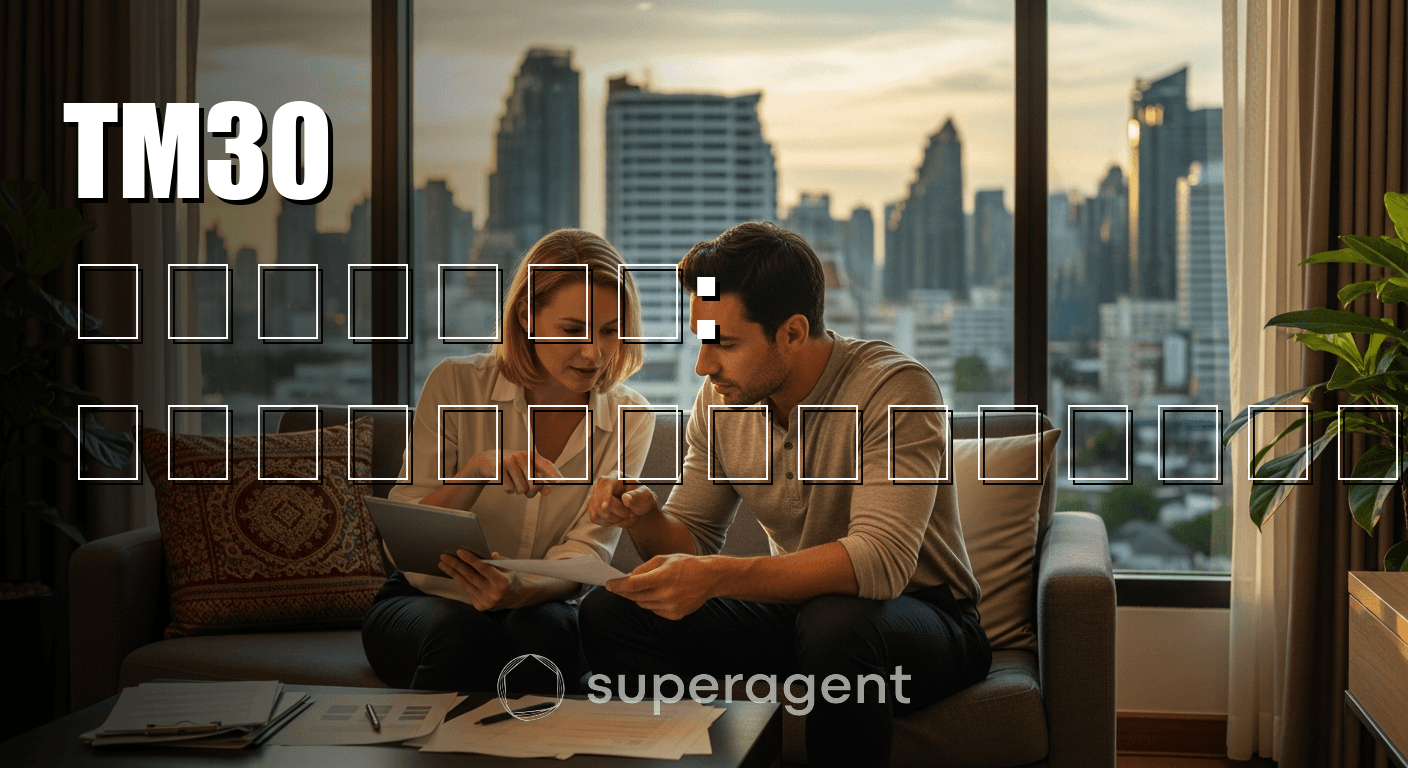
TM30 explained for Bangkok condo owners: the 24-hour foreigner reporting rule, documents needed, where to file, and fines up to 10,000 baht.
If you own a condo that you rent out to foreigners, or you are about to start renting one out, there is one thing you need to understand clearly first: TM30. Many people have heard the name but are still confused about what it actually is, how to do it, and what happens if they skip it. Today we will explain everything in a single article, in plain language rather than bureaucratic jargon, because this really does matter, especially if you rent out a condo in Bangkok in popular areas like Sukhumvit, Silom or Ratchada where foreign tenants are everywhere.
What Is TM30 and Why Should Condo Owners Care
TM30, whose full name is the "Notification of Residence for Foreign Nationals", is a form required under Section 38 of the Immigration Act B.E. 2522. The law states clearly that the owner of the residence, or the person in possession of the premises, who allows a foreign national to stay there must report it to the Immigration Bureau within 24 hours from the moment the foreigner takes up residence.
Yes, you read that correctly, 24 hours. Not 24 days, not within the month, but within one day after your foreign tenant moves in. Whether it is a luxury condo along the Chao Phraya River, a rental unit in the Phrom Phong area at 35,000 baht per month, or a small studio around Bang Na at 8,000 baht a month, the rule applies exactly the same way.
Many people mistakenly believe TM30 is the foreign tenant's responsibility, but in reality it is the direct duty of the property owner or landlord. The foreign tenant has to complete a different form, TM28, which is a notification of their own address, but that is a topic for another time.
What Documents Do You Need to Prepare
Filing a TM30 is not as complicated as you might think. The documents you need are as follows: a copy of the condo owner's Thai ID card, a copy of the house registration book or the condominium title deed, a copy of the foreign tenant's passport including the visa page and the entry stamp, the lease agreement (if you have one), and the TM30 form itself, fully filled in.
A tip from someone who has done this many times: make several sets of copies in advance, because officers sometimes ask for extras, and sign every single copy to certify it as a true copy. That way you will not have to run back and forth.
Where Can You File TM30 and How Many Ways Are There
These days it is far more convenient. You no longer have to sit in a long queue at the Chaeng Watthana Immigration Office the way people used to. There are several channels to choose from.
In person: Immigration Bureau, Government Complex Chaeng Watthana, Building B, 2nd Floor, Chaeng Watthana Road, near MRT Government Complex Nonthaburi station. Open Monday to Friday, 08:30 to 16:30. Go early in the morning and you will not wait long, because the afternoons get very crowded.
Online: Through the Immigration Bureau website at extranet.immigration.go.th, but you have to register and create an account first. The first time can be a little messy since you need to verify your identity at an Immigration office before you can use the online system. Once you are registered, though, every time after that is very convenient and you can do it from home.
By registered mail: This method works too, but be careful about timing, because the clock counts from the date Immigration receives the documents, not the date you sent them. If the post is slow, you can easily blow past the 24-hour window.
What Happens If You Do Not File TM30
Now for the part many people worry about. The legal penalty for failing to file a TM30 is a fine of up to 10,000 baht per tenant. That may not sound like much, but if you have several units rented out to foreigners, it adds up to a figure that is far from small.
More important than the fine, though, is the impact on your foreign tenant. If the owner does not file the TM30, the tenant cannot complete their TM28 and will run into problems when extending a visa, applying for a driving licence, or handling other government paperwork. Plenty of foreign tenants renting condos in Thonglor, Ekkamai or Sathorn have described running into trouble at visa extension time because the owner forgot to file the TM30. When that happens often enough, tenants simply do not want to renew their lease.
Common Misunderstandings About TM30
"You only file once and you are done." Not true. Every time a foreign tenant leaves the country and comes back to stay again, the owner has to file a TM30 again, even for the same room and the same lease. A three-day trip to Vietnam and back means a new filing. It sounds like a hassle, but if you are registered online it only takes a few minutes.
"The tenant can just file it themselves." Under the law, the duty to report belongs to the owner or the person in possession of the premises. You can grant power of attorney for the tenant to file on your behalf, but the authorisation letter has to be properly prepared. In practice, many condo owners in the Ratchada, Huai Khwang and Rama 9 areas, where foreign tenants are common, grant power of attorney to the tenant or an agent to handle it for convenience.
"Short-term rentals do not need to be reported." Short or long, one night or one year, it all has to be reported. Hotels and serviced apartments file automatically, but if you rent out the unit yourself, you have to handle it yourself.
Summary: A Bit of a Hassle, but Not Optional
TM30 may sound like a headache, but once you know the routine it is genuinely easy, especially if you register for the online system, where it takes under 10 minutes per filing. The key is to do it every single time a foreign tenant moves in or re-enters the country. Do not forget and do not let it slide, because it affects both you as the owner and your tenant.
If you are a condo owner looking for good foreign tenants, or a foreigner searching for a condo to rent in Bangkok, take a look at Superagent, Thailand's first AI platform that helps match tenants with the right condo.
If you own a condo that you rent out to foreigners, or you are about to start renting one out, there is one thing you need to understand clearly first: TM30. Many people have heard the name but are still confused about what it actually is, how to do it, and what happens if they skip it. Today we will explain everything in a single article, in plain language rather than bureaucratic jargon, because this really does matter, especially if you rent out a condo in Bangkok in popular areas like Sukhumvit, Silom or Ratchada where foreign tenants are everywhere.
What Is TM30 and Why Should Condo Owners Care
TM30, whose full name is the "Notification of Residence for Foreign Nationals", is a form required under Section 38 of the Immigration Act B.E. 2522. The law states clearly that the owner of the residence, or the person in possession of the premises, who allows a foreign national to stay there must report it to the Immigration Bureau within 24 hours from the moment the foreigner takes up residence.
Yes, you read that correctly, 24 hours. Not 24 days, not within the month, but within one day after your foreign tenant moves in. Whether it is a luxury condo along the Chao Phraya River, a rental unit in the Phrom Phong area at 35,000 baht per month, or a small studio around Bang Na at 8,000 baht a month, the rule applies exactly the same way.
Many people mistakenly believe TM30 is the foreign tenant's responsibility, but in reality it is the direct duty of the property owner or landlord. The foreign tenant has to complete a different form, TM28, which is a notification of their own address, but that is a topic for another time.
What Documents Do You Need to Prepare
Filing a TM30 is not as complicated as you might think. The documents you need are as follows: a copy of the condo owner's Thai ID card, a copy of the house registration book or the condominium title deed, a copy of the foreign tenant's passport including the visa page and the entry stamp, the lease agreement (if you have one), and the TM30 form itself, fully filled in.
A tip from someone who has done this many times: make several sets of copies in advance, because officers sometimes ask for extras, and sign every single copy to certify it as a true copy. That way you will not have to run back and forth.
Where Can You File TM30 and How Many Ways Are There
These days it is far more convenient. You no longer have to sit in a long queue at the Chaeng Watthana Immigration Office the way people used to. There are several channels to choose from.
In person: Immigration Bureau, Government Complex Chaeng Watthana, Building B, 2nd Floor, Chaeng Watthana Road, near MRT Government Complex Nonthaburi station. Open Monday to Friday, 08:30 to 16:30. Go early in the morning and you will not wait long, because the afternoons get very crowded.
Online: Through the Immigration Bureau website at extranet.immigration.go.th, but you have to register and create an account first. The first time can be a little messy since you need to verify your identity at an Immigration office before you can use the online system. Once you are registered, though, every time after that is very convenient and you can do it from home.
By registered mail: This method works too, but be careful about timing, because the clock counts from the date Immigration receives the documents, not the date you sent them. If the post is slow, you can easily blow past the 24-hour window.
What Happens If You Do Not File TM30
Now for the part many people worry about. The legal penalty for failing to file a TM30 is a fine of up to 10,000 baht per tenant. That may not sound like much, but if you have several units rented out to foreigners, it adds up to a figure that is far from small.
Talk to us about renting
Share your details and keep reading — we’ll get back to you.
More important than the fine, though, is the impact on your foreign tenant. If the owner does not file the TM30, the tenant cannot complete their TM28 and will run into problems when extending a visa, applying for a driving licence, or handling other government paperwork. Plenty of foreign tenants renting condos in Thonglor, Ekkamai or Sathorn have described running into trouble at visa extension time because the owner forgot to file the TM30. When that happens often enough, tenants simply do not want to renew their lease.
Common Misunderstandings About TM30
"You only file once and you are done." Not true. Every time a foreign tenant leaves the country and comes back to stay again, the owner has to file a TM30 again, even for the same room and the same lease. A three-day trip to Vietnam and back means a new filing. It sounds like a hassle, but if you are registered online it only takes a few minutes.
"The tenant can just file it themselves." Under the law, the duty to report belongs to the owner or the person in possession of the premises. You can grant power of attorney for the tenant to file on your behalf, but the authorisation letter has to be properly prepared. In practice, many condo owners in the Ratchada, Huai Khwang and Rama 9 areas, where foreign tenants are common, grant power of attorney to the tenant or an agent to handle it for convenience.
"Short-term rentals do not need to be reported." Short or long, one night or one year, it all has to be reported. Hotels and serviced apartments file automatically, but if you rent out the unit yourself, you have to handle it yourself.
Summary: A Bit of a Hassle, but Not Optional
TM30 may sound like a headache, but once you know the routine it is genuinely easy, especially if you register for the online system, where it takes under 10 minutes per filing. The key is to do it every single time a foreign tenant moves in or re-enters the country. Do not forget and do not let it slide, because it affects both you as the owner and your tenant.
If you are a condo owner looking for good foreign tenants, or a foreigner searching for a condo to rent in Bangkok, take a look at Superagent, Thailand's first AI platform that helps match tenants with the right condo.
Share this article
Properties you may like
![[For Rent] CONDO I The Room 69 I 1 Bed I 1 Bath I 35,000THB/mo](/_next/image?url=https%3A%2F%2Fstorage.googleapis.com%2Fsuperagent-web%2Fattachments%2Flistings%2F6756%2F445213f0-c378-46a2-b3fe-7a5ba62b623f-1135-1.jpg&w=3840&q=75)
฿35,000
1 Bed144.7 sqm
[For Rent] CONDO I The Room 69 I 1 Bed I 1 Bath I 35,000THB/mo
Condo![[For Rent] HOUSE I Mantana Bangna Km.7 I 3 BedsI 3 Baths I 68,000THB/mo](/_next/image?url=https%3A%2F%2Fstorage.googleapis.com%2Fsuperagent-web%2Fattachments%2Flistings%2F6755%2F673e8400-a19a-43b4-b994-7c0d717c8d40-1128-4.jpg&w=3840&q=75)
฿68,000
3 Bed3172 sqm
[For Rent] HOUSE I Mantana Bangna Km.7 I 3 BedsI 3 Baths I 68,000THB/mo
Bang Na
House![[For Rent] CONDO I Rhythm Sukhumvit 42 I 1 Bed I 1 Bath I 40,000THB/mo](/_next/image?url=https%3A%2F%2Fstorage.googleapis.com%2Fsuperagent-web%2Fattachments%2Flistings%2F6754%2F8bbb6bb3-98f5-49b6-8b48-0c2321f81b70-1127-3.jpg&w=3840&q=75)
฿40,000
1 Bed148 sqm
[For Rent] CONDO I Rhythm Sukhumvit 42 I 1 Bed I 1 Bath I 40,000THB/mo
Ekkamai
Condo![[For Rent&Sale] CONDO I The Waterford Sukhumvit 50 I Pet Friendly I 2 Beds I 2 Baths I Rent 50,000THB/mo - Sale 9mb THB](/_next/image?url=https%3A%2F%2Fstorage.googleapis.com%2Fsuperagent-web%2Fattachments%2Flistings%2F6753%2F9b31da57-144a-4728-bac2-010477b1614d-112-5.jpg&w=3840&q=75)
฿50,000
2 Bed292 sqm
[For Rent&Sale] CONDO I The Waterford Sukhumvit 50 I Pet Friendly I 2 Beds I 2 Baths I Rent 50,000THB/mo - Sale 9mb THB
On Nut
Condo![[For Rent&Sale] HOUSE I Perfect Masterpiece Rama 9–Krungthep Kreetha I 5 Beds I 6 Baths I Rent 400,000THB/mo - Sale 70 ล้านบาท](/_next/image?url=https%3A%2F%2Fstorage.googleapis.com%2Fsuperagent-web%2Fattachments%2Flistings%2F6752%2F1f1b4e6f-23df-48bb-a7ea-7a3252f44588-1125-1.jpg&w=3840&q=75)
฿400,000
5 Bed+6700 sqm
[For Rent&Sale] HOUSE I Perfect Masterpiece Rama 9–Krungthep Kreetha I 5 Beds I 6 Baths I Rent 400,000THB/mo - Sale 70 ล้านบาท
Condo![[For Rent] CONDO I Ashton Asoke I 3 Beds I 3 Baths I 100,000THB/mo](/_next/image?url=https%3A%2F%2Fstorage.googleapis.com%2Fsuperagent-web%2Fattachments%2Flistings%2F6751%2F5e37d6d9-2e62-43e6-b358-15d8b92aad47-1124.jpg&w=3840&q=75)
฿100,000
3 Bed3100 sqm
[For Rent] CONDO I Ashton Asoke I 3 Beds I 3 Baths I 100,000THB/mo
Asoke
Condo![[For Rent&Sale] CONDO I TC Green Rama 9 I 1 Bed I 1 Bath I Rent 15,000THB/mo - Sale 2.8mb THB](/_next/image?url=https%3A%2F%2Fstorage.googleapis.com%2Fsuperagent-web%2Fattachments%2Flistings%2F6750%2F47e9c291-b440-4d94-8168-c22bdaf34baf-1123-1.jpg&w=3840&q=75)
฿15,000
1 Bed139 sqm
[For Rent&Sale] CONDO I TC Green Rama 9 I 1 Bed I 1 Bath I Rent 15,000THB/mo - Sale 2.8mb THB
Rama 9
Condo![[For Rent&Sale] CONDO I Riviera 4 I 2 Beds I 2 Baths I Rent 18,000THB/mo - Sale 3.2mb THB](/_next/image?url=https%3A%2F%2Fstorage.googleapis.com%2Fsuperagent-web%2Fattachments%2Flistings%2F6748%2F5a58104a-d990-4793-8366-1acd0390940b-1121-6.jpg&w=3840&q=75)
฿18,000
2 Bed290 sqm
[For Rent&Sale] CONDO I Riviera 4 I 2 Beds I 2 Baths I Rent 18,000THB/mo - Sale 3.2mb THB
Condo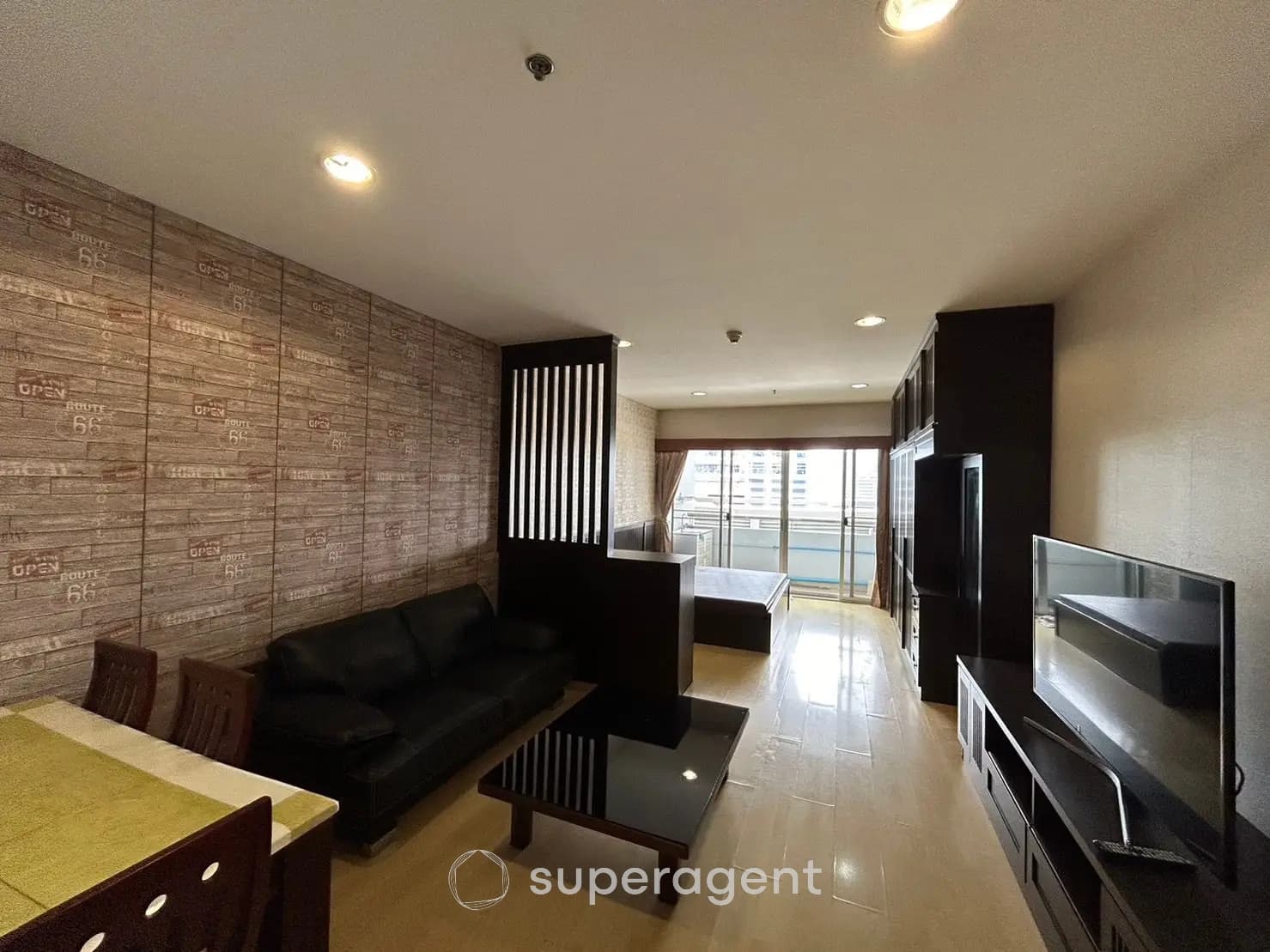
฿15,000
1 Bed145 sqm
1-BR Condo at The Platinum Condominium near ARL Ratchaprarop
Condo![[For Rent] CONDO I Park 24 I Studio I 1 Bath I 25,000THB/mo](/_next/image?url=https%3A%2F%2Fstorage.googleapis.com%2Fsuperagent-web%2Fattachments%2Flistings%2F6747%2F99e94009-1261-4181-ab16-6c2c80017f7d-1130-2.jpg&w=3840&q=75)
฿25,000
Studio129 sqm
[For Rent] CONDO I Park 24 I Studio I 1 Bath I 25,000THB/mo
Phrom Phong
CondoMore like this
 In Guides · Superagent EditorialHidden Costs of Renting a Condo in Bangkok Nobody Warns You AboutBangkok condo rent looks affordable until month one hits. Here are the real costs beyond the headline figure that catch most renters off guard.25 May 20261 min read
 In Guides · Superagent EditorialWhat a Long-Vacant Bangkok Condo Unit Is Actually Telling YouA Bangkok condo vacant for months signals overpricing, landlord issues, or real problems. Here is how to read the signs.25 May 20261 min read
 In Guides · Superagent EditorialRed Flags in a Bangkok Rental Contract to Watch Out ForBangkok rental contracts often hide risky clauses. Here are the red flags every tenant must catch before signing any lease.25 May 20261 min read
 In Guides · Superagent EditorialWorking Online from a Condo: How to Choose the Perfect Room for ProductivityLearn how to choose the best condo room for working online with tips on lighting, noise, and furniture setup to maximize productivity.9 May 20261 min read