Are Verbal Rental Agreements Legally Binding in Thailand: Risks and Solutions
Guides
Are Verbal Rental Agreements Legally Binding in Thailand: Risks and Solutions
Understand the legal validity of verbal rental agreements and protect yourself from costly disputes.
Summary
Learn whether สัญญาเช่าปากเปล่า (verbal rental agreements) are legally binding in Thailand, plus key risks and practical solutions to safeguard your lease.
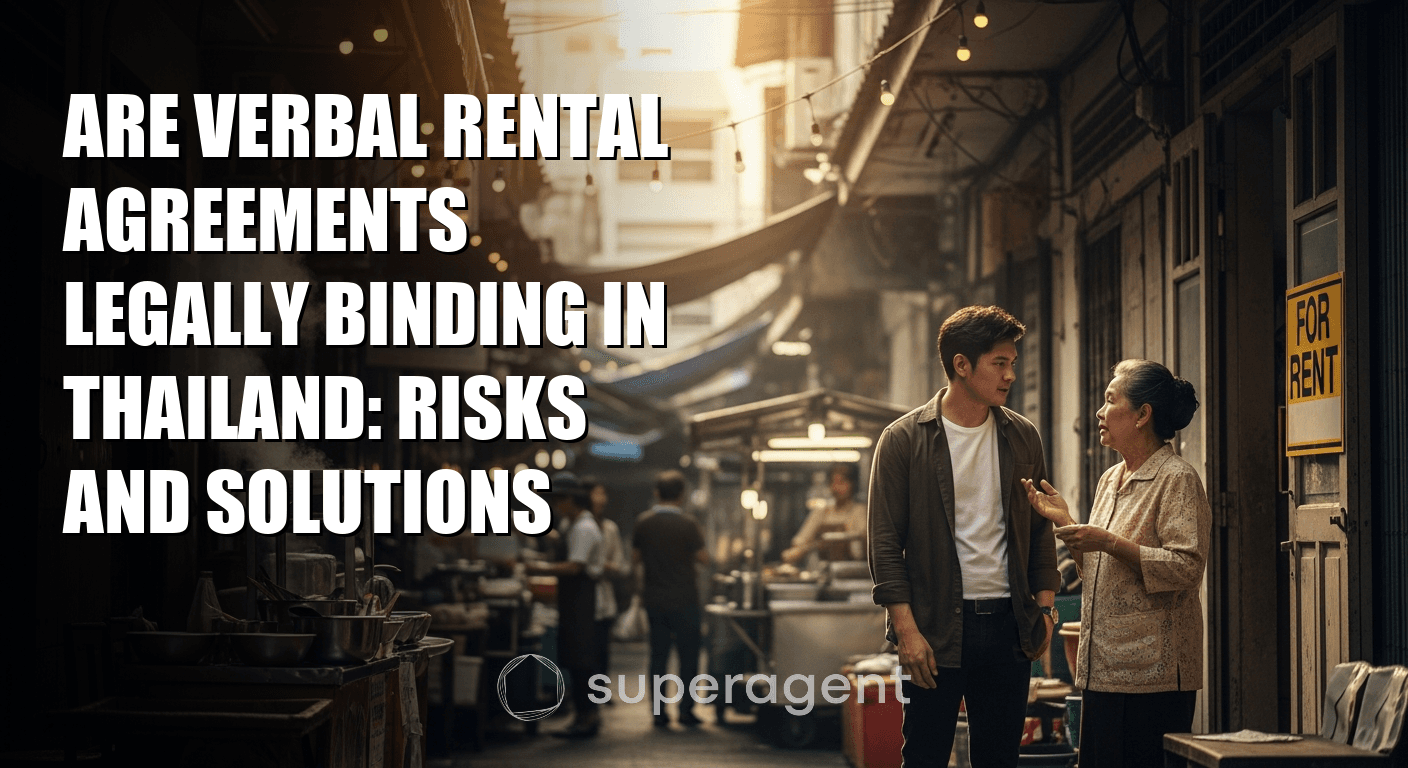
You sign a rental agreement with a landlord, everything is verbal, maybe written on a napkin, and now you are wondering: does this actually hold up in court? If the landlord kicks you out or keeps your deposit, do you have any legal ground to stand on? This is one of the most common headaches for renters in Bangkok, from expats in Thonglor to Thai families in Ramintra. A verbal or informal rental agreement without proper documentation creates enormous risk, and understanding what makes a contract legally binding is the difference between protecting your money and losing it completely.
What Makes a Rental Contract Actually Valid in Thailand
Thai law does recognize verbal rental agreements, but they come with serious limitations. A verbal contract can be binding if you can prove the landlord agreed to specific terms, rent amount, duration, and that you paid. The problem is proving that in court without documentation. Most judges will demand written evidence before they will take your side.
A properly executed written contract must include the tenant name, landlord name, property address, rent amount, payment dates, lease period, and both signatures. If even one of these elements is missing or unclear, the contract becomes vulnerable to dispute. I have seen landlords in Ekkamai refuse to return deposits because the agreement never specified when the tenancy would end.
The Thai Civil and Commercial Code requires that for rental periods longer than three years, the contract must be registered at the Land Department (Chanoting) to have full legal weight. Most residential leases are one or two years, so registration is not required, but many landlords and tenants still skip basic written documentation entirely. This is your first major risk.
The Real Dangers of Informal Agreements
Without a written contract, you have almost no protection if a dispute arises. Let us walk through a real scenario: you rent a one-bedroom condo in Ari for 18,000 THB per month on a handshake deal. After eight months, the landlord decides to evict you because a relative wants the unit. No written lease exists. You cannot prove the agreed rent, duration, or terms. The landlord tells you to leave, and even if you refuse, obtaining a court eviction order will be extremely difficult because you have no formal rental contract to point to.
Landlords in Bangkok sometimes issue informal agreements because they want to avoid tax reporting. A written contract creates a paper trail and may trigger income tax obligations under Thai law. This is not your responsibility as a tenant, but it explains why some landlords resist putting agreements in writing. The cost of this avoidance falls entirely on you.
Deposit disputes are the most common outcome of informal arrangements. You hand over 36,000 THB as security for that 18,000 THB Ari unit, damage the wall slightly during move-out, and the landlord claims the damage is severe and withholds the full deposit. Without a written inspection checklist or photos documenting the unit's condition at check-in, you cannot prove the landlord is lying. Thai tenancy courts expect evidence, not just your word.
What the Law Actually Says About Rent and Disputes
Thai civil law allows either party to terminate a month-to-month or annual lease with written notice, typically 30 days. If no notice period is specified in the contract, the law assumes 30 days. A landlord cannot simply evict you without legal process, even if your agreement is informal. They must file a case in the District Civil Court (Tha Phra district court handles most central Bangkok cases) and obtain a judgment before you are legally required to vacate.
That said, winning the case is much harder without a written contract. The burden of proof rests on whoever is suing. If the landlord claims you broke the lease and you claim the opposite, the judge will favor whoever has documentation. An audio recording of an agreement is better than nothing but still weaker than a signed written contract.
Rent increases are another area where informal agreements cause problems. Thai law allows landlords to raise rent, but only with written notice and often only after the lease period expires. If you have no written agreement specifying the original rent or lease term, the landlord can claim you agreed to any amount. I know a tenant in Ladprao who was told her rent was going up 40 percent mid-lease with no documentation to prove otherwise.
How to Protect Yourself Right Now
The simplest solution is to insist on a written contract before handing over any money. A standard one-year rental agreement for a condo in Bangkok should include: names and ID numbers of both parties, property address and unit number, rent amount in Thai baht, payment due date, lease start and end dates, security deposit amount, damage liability terms, and utility responsibility.
Take photos and video of the unit before move-in, showing the condition of walls, appliances, furniture, and any existing damage. Share these photos with the landlord and request a written acknowledgment. This is your best defense against false damage claims. Many condo buildings in Sukhumvit have experienced tenants who insist on this step, and most landlords accept it without complaint.
Get everything in writing, including agreements about repairs, maintenance responsibilities, and what happens if either party terminates early. If your landlord refuses to provide a written contract, that is a red flag. Legitimate property owners in Bangkok routinely provide contracts. Those who resist are either avoiding taxes or planning to behave dishonestly.
Keep copies of all payments, whether bank transfers, checks, or receipts. A paper trail proving you paid rent on time supports your credibility in any dispute. Digital bank records are increasingly accepted as evidence in Thai courts.
When You Already Have a Verbal Agreement
If you are already renting without a written contract, you can still protect yourself. Write a letter to the landlord summarizing the agreed terms: rent amount, due date, lease period, and deposit. Ask the landlord to sign it. Frame it as a clarification, not a legal accusation. Most landlords will sign because it actually protects them too. If they refuse, that tells you everything you need to know.
Document all communications from that point forward in writing. If the landlord calls about a repair issue, follow up with an email recapping what was discussed. If you pay rent in cash, request a receipt with the month and amount written clearly. These small steps build a written record that strengthens your position if a dispute emerges.
For ongoing month-to-month arrangements with no fixed end date, you have less security but also less risk of mid-lease disputes. The risk increases if you are in a long-term arrangement without terms specified in writing. Many Bangkok expats in Prompong or Ploenchit are in exactly this position after years of informal tenancy with the same landlord.
The Financial Reality of Informal Agreements in Bangkok
- Written contract, registered: 15,000-35,000 THB | 45,000-105,000 THB | Low
- Written contract, not registered: 15,000-35,000 THB | 45,000-105,000 THB | Medium
- Verbal agreement only: 15,000-35,000 THB | 45,000-105,000 THB | High
- Informal written (napkin/text): 15,000-35,000 THB | 45,000-105,000 THB | High
According to market data from DDproperty, average one-bedroom condo rents in central Bangkok range from 18,000 to 32,000 THB per month depending on location and amenities. A deposit of two months rent is standard, meaning 36,000 to 64,000 THB at risk. That is real money. Losing it because you lack documentation is entirely preventable.
Formal written agreements also help establish your tenancy history, which matters if you ever need a Thai bank account, a work permit, or proof of residence for school enrollment. Immigration and government agencies routinely request rental contracts as documentation. A verbal agreement proves nothing.
Your Best Move Today
If you are searching for a rental in Bangkok right now, use a platform that provides contract templates and guidance. If you already rent informally, sit down with your landlord this week and write up a simple agreement. It takes 30 minutes and saves you thousands of baht and months of legal stress.
Verbal and loosely documented rental agreements do carry legal weight in Thai courts if you can prove their terms, but the burden of proof is on you. Without written evidence, a judge will be skeptical. The safer path is clear: get it in writing, keep copies, document the unit condition, and maintain a payment record. This is not paranoia or excessive. It is standard renter protection in Bangkok, practiced by experienced expats and Thai tenants alike.
Finding the right rental and protecting yourself legally go hand in hand. On Superagent.co, you can browse verified listings from landlords who understand proper rental practices and can provide clear contracts upfront. Your peace of mind is worth the effort to rent the right way.
You sign a rental agreement with a landlord, everything is verbal, maybe written on a napkin, and now you are wondering: does this actually hold up in court? If the landlord kicks you out or keeps your deposit, do you have any legal ground to stand on? This is one of the most common headaches for renters in Bangkok, from expats in Thonglor to Thai families in Ramintra. A verbal or informal rental agreement without proper documentation creates enormous risk, and understanding what makes a contract legally binding is the difference between protecting your money and losing it completely.
What Makes a Rental Contract Actually Valid in Thailand
Thai law does recognize verbal rental agreements, but they come with serious limitations. A verbal contract can be binding if you can prove the landlord agreed to specific terms, rent amount, duration, and that you paid. The problem is proving that in court without documentation. Most judges will demand written evidence before they will take your side.
A properly executed written contract must include the tenant name, landlord name, property address, rent amount, payment dates, lease period, and both signatures. If even one of these elements is missing or unclear, the contract becomes vulnerable to dispute. I have seen landlords in Ekkamai refuse to return deposits because the agreement never specified when the tenancy would end.
The Thai Civil and Commercial Code requires that for rental periods longer than three years, the contract must be registered at the Land Department (Chanoting) to have full legal weight. Most residential leases are one or two years, so registration is not required, but many landlords and tenants still skip basic written documentation entirely. This is your first major risk.
The Real Dangers of Informal Agreements
Without a written contract, you have almost no protection if a dispute arises. Let us walk through a real scenario: you rent a one-bedroom condo in Ari for 18,000 THB per month on a handshake deal. After eight months, the landlord decides to evict you because a relative wants the unit. No written lease exists. You cannot prove the agreed rent, duration, or terms. The landlord tells you to leave, and even if you refuse, obtaining a court eviction order will be extremely difficult because you have no formal rental contract to point to.
Continue reading after that.
Looking for a condo
to rent?
Leave your name and phone. We'll follow up while you keep reading.
100% Secure
Fast Response
Free Consultation
Landlords in Bangkok sometimes issue informal agreements because they want to avoid tax reporting. A written contract creates a paper trail and may trigger income tax obligations under Thai law. This is not your responsibility as a tenant, but it explains why some landlords resist putting agreements in writing. The cost of this avoidance falls entirely on you.
Deposit disputes are the most common outcome of informal arrangements. You hand over 36,000 THB as security for that 18,000 THB Ari unit, damage the wall slightly during move-out, and the landlord claims the damage is severe and withholds the full deposit. Without a written inspection checklist or photos documenting the unit's condition at check-in, you cannot prove the landlord is lying. Thai tenancy courts expect evidence, not just your word.
What the Law Actually Says About Rent and Disputes
Thai civil law allows either party to terminate a month-to-month or annual lease with written notice, typically 30 days. If no notice period is specified in the contract, the law assumes 30 days. A landlord cannot simply evict you without legal process, even if your agreement is informal. They must file a case in the District Civil Court (Tha Phra district court handles most central Bangkok cases) and obtain a judgment before you are legally required to vacate.
That said, winning the case is much harder without a written contract. The burden of proof rests on whoever is suing. If the landlord claims you broke the lease and you claim the opposite, the judge will favor whoever has documentation. An audio recording of an agreement is better than nothing but still weaker than a signed written contract.
Rent increases are another area where informal agreements cause problems. Thai law allows landlords to raise rent, but only with written notice and often only after the lease period expires. If you have no written agreement specifying the original rent or lease term, the landlord can claim you agreed to any amount. I know a tenant in Ladprao who was told her rent was going up 40 percent mid-lease with no documentation to prove otherwise.
How to Protect Yourself Right Now
The simplest solution is to insist on a written contract before handing over any money. A standard one-year rental agreement for a condo in Bangkok should include: names and ID numbers of both parties, property address and unit number, rent amount in Thai baht, payment due date, lease start and end dates, security deposit amount, damage liability terms, and utility responsibility.
Take photos and video of the unit before move-in, showing the condition of walls, appliances, furniture, and any existing damage. Share these photos with the landlord and request a written acknowledgment. This is your best defense against false damage claims. Many condo buildings in Sukhumvit have experienced tenants who insist on this step, and most landlords accept it without complaint.
Get everything in writing, including agreements about repairs, maintenance responsibilities, and what happens if either party terminates early. If your landlord refuses to provide a written contract, that is a red flag. Legitimate property owners in Bangkok routinely provide contracts. Those who resist are either avoiding taxes or planning to behave dishonestly.
Keep copies of all payments, whether bank transfers, checks, or receipts. A paper trail proving you paid rent on time supports your credibility in any dispute. Digital bank records are increasingly accepted as evidence in Thai courts.
When You Already Have a Verbal Agreement
If you are already renting without a written contract, you can still protect yourself. Write a letter to the landlord summarizing the agreed terms: rent amount, due date, lease period, and deposit. Ask the landlord to sign it. Frame it as a clarification, not a legal accusation. Most landlords will sign because it actually protects them too. If they refuse, that tells you everything you need to know.
Document all communications from that point forward in writing. If the landlord calls about a repair issue, follow up with an email recapping what was discussed. If you pay rent in cash, request a receipt with the month and amount written clearly. These small steps build a written record that strengthens your position if a dispute emerges.
Continue reading after that.
Looking for a condo
to rent?
Leave your name and phone. We'll follow up while you keep reading.
100% Secure
Fast Response
Free Consultation
For ongoing month-to-month arrangements with no fixed end date, you have less security but also less risk of mid-lease disputes. The risk increases if you are in a long-term arrangement without terms specified in writing. Many Bangkok expats in Prompong or Ploenchit are in exactly this position after years of informal tenancy with the same landlord.
The Financial Reality of Informal Agreements in Bangkok
- Written contract, registered: 15,000-35,000 THB | 45,000-105,000 THB | Low
- Written contract, not registered: 15,000-35,000 THB | 45,000-105,000 THB | Medium
- Verbal agreement only: 15,000-35,000 THB | 45,000-105,000 THB | High
- Informal written (napkin/text): 15,000-35,000 THB | 45,000-105,000 THB | High
According to market data from DDproperty, average one-bedroom condo rents in central Bangkok range from 18,000 to 32,000 THB per month depending on location and amenities. A deposit of two months rent is standard, meaning 36,000 to 64,000 THB at risk. That is real money. Losing it because you lack documentation is entirely preventable.
Formal written agreements also help establish your tenancy history, which matters if you ever need a Thai bank account, a work permit, or proof of residence for school enrollment. Immigration and government agencies routinely request rental contracts as documentation. A verbal agreement proves nothing.
Your Best Move Today
If you are searching for a rental in Bangkok right now, use a platform that provides contract templates and guidance. If you already rent informally, sit down with your landlord this week and write up a simple agreement. It takes 30 minutes and saves you thousands of baht and months of legal stress.
Verbal and loosely documented rental agreements do carry legal weight in Thai courts if you can prove their terms, but the burden of proof is on you. Without written evidence, a judge will be skeptical. The safer path is clear: get it in writing, keep copies, document the unit condition, and maintain a payment record. This is not paranoia or excessive. It is standard renter protection in Bangkok, practiced by experienced expats and Thai tenants alike.
Finding the right rental and protecting yourself legally go hand in hand. On Superagent.co, you can browse verified listings from landlords who understand proper rental practices and can provide clear contracts upfront. Your peace of mind is worth the effort to rent the right way.
Share this article
Properties you may like
![[For Rent] CONDO I Park Origin 24 I 2 Beds I 1 Baths I 48,000THB/mo](/_next/image?url=https%3A%2F%2Fstorage.googleapis.com%2Fsuperagent-web%2Fattachments%2Flistings%2F6890%2Ffb28cb5c-9a1b-424b-9b52-b844aeba7bf2-1291-1.jpg&w=3840&q=75)
฿48,000
2 Bed152.1 sqm
[For Rent] CONDO I Park Origin 24 I 2 Beds I 1 Baths I 48,000THB/mo
Phrom Phong
Condo![[For Rent] CONDO I Grand Parkview Asoke I 2 Beds I 1 Bath I 35,000THB/mo](/_next/image?url=https%3A%2F%2Fstorage.googleapis.com%2Fsuperagent-web%2Fattachments%2Flistings%2F6889%2F9cb3631b-7a06-4438-9425-a5c78df563d4-1303-1.jpg&w=3840&q=75)
฿35,000
2 Bed168.4 sqm
[For Rent] CONDO I Grand Parkview Asoke I 2 Beds I 1 Bath I 35,000THB/mo
Asoke
Condo![[For Rent] CONDO I Culture Thonglor I 1 Bed I 1 Bath I 22,000THB/mo](/_next/image?url=https%3A%2F%2Fstorage.googleapis.com%2Fsuperagent-web%2Fattachments%2Flistings%2F2271%2Fcb90f802-330c-49a2-a142-2e33a8127032-culture_thonglor_for_rent_02.jpg&w=3840&q=75)
฿22,000
1 Bed126 sqm
[For Rent] CONDO I Culture Thonglor I 1 Bed I 1 Bath I 22,000THB/mo
Thonglor
Condo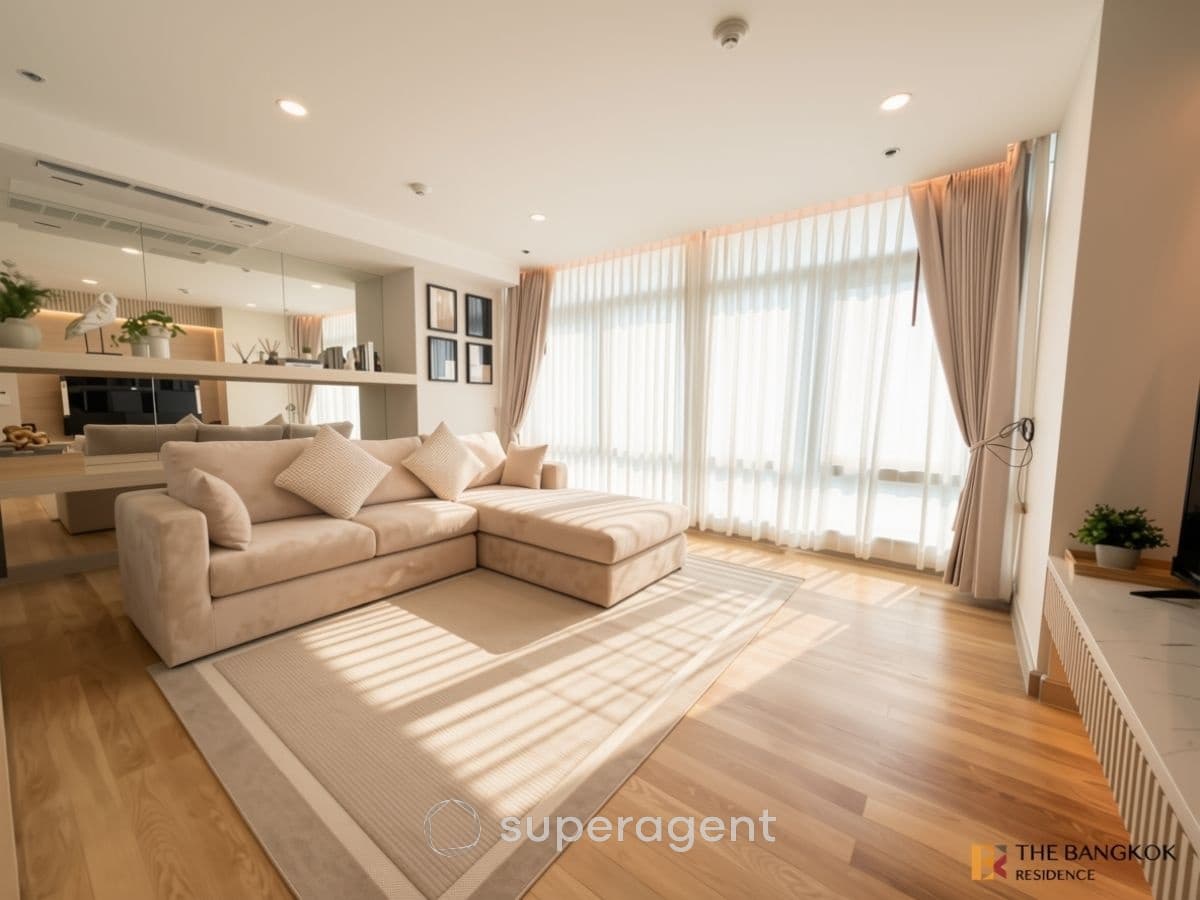
฿120,000
3 Bed3165 sqm
The Height Thonglor, 3BR 165 sq.m. 120K Show Unit Feel, Great Price, Rare Item in the Heart of Thonglor, Near BTS Thonglo
Condo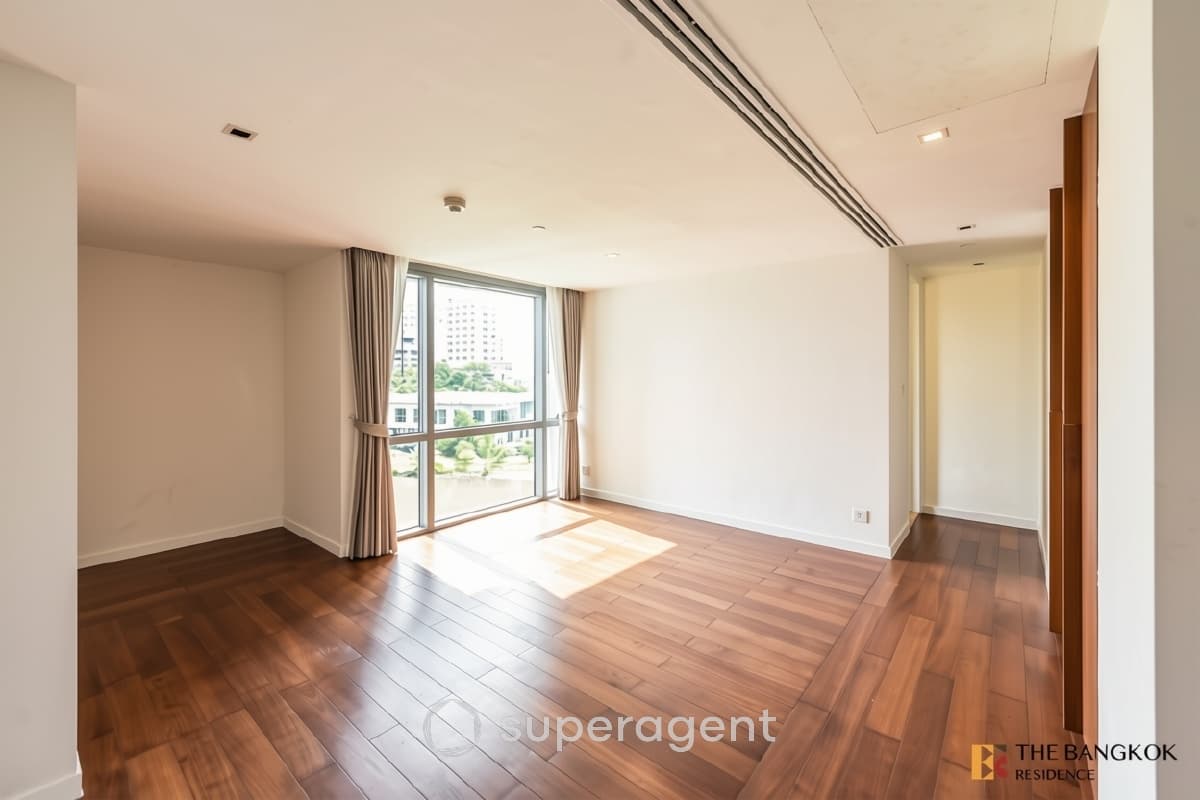
฿180,000
3 Bed4453 sqm
The Pano, 3BR 453sq.m. 180K Spacious Unit, Stunning Views
Condo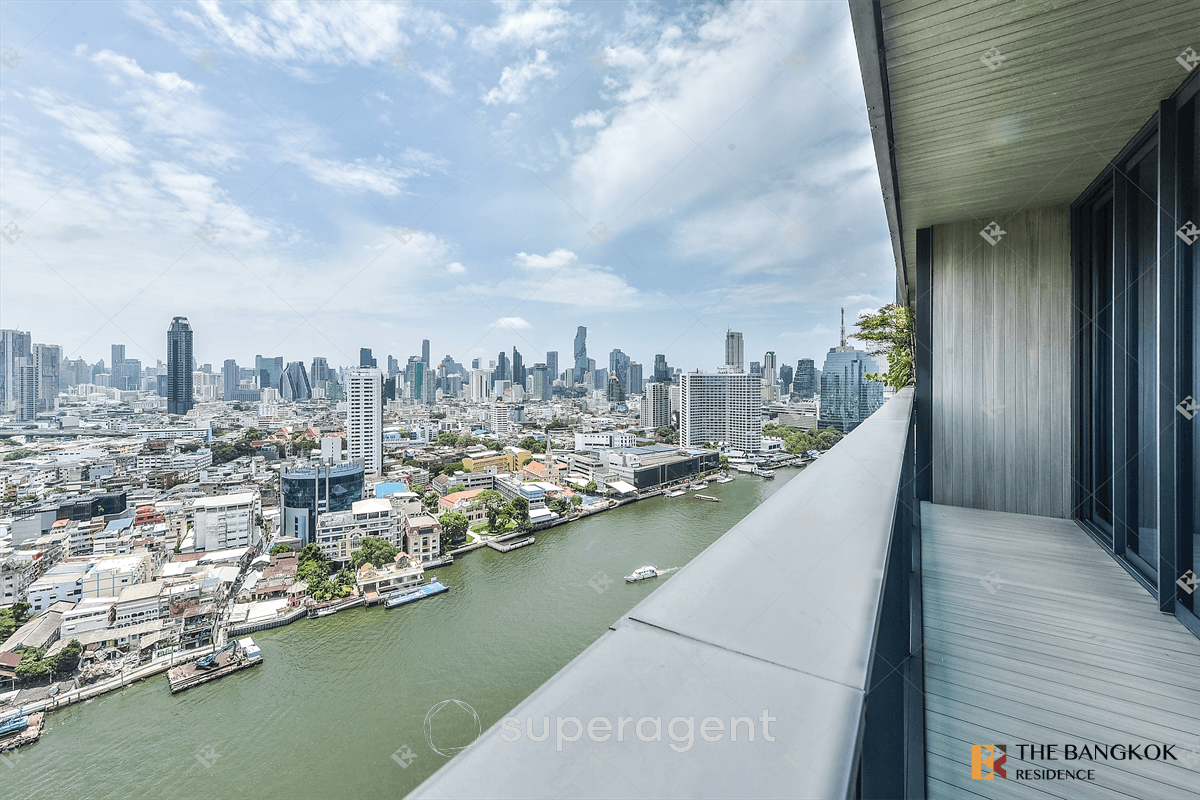
฿190,000
2 Bed2178.3 sqm
Banyan Tree Residence Riverside Bangkok, 2BR 178.34 sq.m. 190K Beautiful Fully Furnished Unit, Near BTS Saphan Taksin
Charoen Nakhon
Condo
฿59,000
1 Bed155.8 sqm
The Bangkok Thonglor, 1BR 55.8 sq.m. 59K, Premium High Floor Unit, Near BTS Thonglo
Thonglor
Condo![[For Rent] CONDO I Culture Chula I Duplex I 1 Bed I 1 Bath I 35,000THB/mo](/_next/image?url=https%3A%2F%2Fstorage.googleapis.com%2Fsuperagent-web%2Fattachments%2Flistings%2F6760%2F8deaff98-ecb1-4c62-b9be-aecac2f65797-1140-1.jpg&w=3840&q=75)
฿35,000
1 Bed138 sqm
[For Rent] CONDO I Culture Chula I Duplex I 1 Bed I 1 Bath I 35,000THB/mo
Siam
Condo![[For Rent] CONDO I Ideo Chula Samyan I 1 Bed I 1 Bath I 30,000THB/mo](/_next/image?url=https%3A%2F%2Fstorage.googleapis.com%2Fsuperagent-web%2Fattachments%2Flistings%2F6872%2Ff9ab570c-e4ca-41d6-90ee-a8e581218438-1271-8.jpg&w=3840&q=75)
฿30,000
1 Bed135 sqm
[For Rent] CONDO I Ideo Chula Samyan I 1 Bed I 1 Bath I 30,000THB/mo
Siam
Condo![[For Rent] TOWNHOME I Quarter 31 I 4 Beds I 5 Baths I 280,000THB/mo](/_next/image?url=https%3A%2F%2Fstorage.googleapis.com%2Fsuperagent-web%2Fattachments%2Flistings%2F1724%2Fb24f7c3a-8acd-49e4-ae85-6a31498207e4-600-2.jpg&w=3840&q=75)
฿280,000
4 Bed5425 sqm
[For Rent] TOWNHOME I Quarter 31 I 4 Beds I 5 Baths I 280,000THB/mo
Phrom Phong
CondoMore like this
 In Guides · Superagent EditorialHidden Costs of Renting a Condo in Bangkok Nobody Warns You AboutBangkok condo rent looks affordable until month one hits. Here are the real costs beyond the headline figure that catch most renters off guard.25 May 20261 min read
 In Guides · Superagent EditorialWhat a Long-Vacant Bangkok Condo Unit Is Actually Telling YouA Bangkok condo vacant for months signals overpricing, landlord issues, or real problems. Here is how to read the signs.25 May 20261 min read
 In Guides · Superagent EditorialRed Flags in a Bangkok Rental Contract to Watch Out ForBangkok rental contracts often hide risky clauses. Here are the red flags every tenant must catch before signing any lease.25 May 20261 min read
 In Guides · Superagent EditorialWorking Online from a Condo: How to Choose the Perfect Room for ProductivityLearn how to choose the best condo room for working online with tips on lighting, noise, and furniture setup to maximize productivity.9 May 20261 min read