Do You Need to Change Your House Registration When Renting a Condo in Bangkok?
Guides
Do You Need to Change Your House Registration When Renting a Condo in Bangkok?
Everything you need to know about house registration changes for Bangkok condo rentals

Summary
Learn whether you must update your house registration when renting a condo in Bangkok, what steps are involved, and how to handle this important legal requ
You've just signed a lease on a nice condo in Thonglor or maybe something more affordable in Ramkhamhaeng. The furniture is arriving next week. Then someone mentions it: "Have you filed for a house registration transfer yet?" Your stomach drops. Is that actually something you need to do? How do you even do it? And will it cost you a fortune in fees and paperwork?
This is one of the most common questions renters ask in Bangkok, and the answer is more nuanced than most landlords or property agents explain. Let's break down what's actually required, when you need to do it, and how to handle it without losing a week to government offices.
Do You Actually Need to Transfer the House Registration?
The short answer: it depends on what you need the house registration for, but as a renter, you probably do not have a legal obligation to transfer it. That's the key thing to understand upfront.
In Thailand, the house registration (called "Tabien Baan" in Thai) belongs to the property owner, not the tenant. The landlord is the one registered at the address by default. If you're renting short-term or even medium-term, many renters live in Bangkok condos for 1 to 3 years without ever transferring the registration, and there's no legal penalty for that.
However, there are real, practical reasons why you might want to transfer it anyway. If you need to prove your residence for a visa extension, a work permit application, school enrollment for your kids, or opening a bank account, Thai authorities often ask for official address documentation. That's where the house registration becomes valuable.
Let's say you're a British expat working at a tech company in the CBD near Chong Nonsi BTS station. You've rented a 1-bedroom condo in Sukhumvit Soi 26 for 18,000 to 22,000 THB per month. When you apply to renew your work permit through the Department of Labour, they want proof of residence. A signed lease and a utility bill might get you through, but a formal house registration transfer takes all doubt off the table.
The Legal Requirements and What the Landlord Must Agree To
Here's what actually matters: the landlord has to approve the transfer, and they have to go with you to the Land Department to register it. This is not something you can do alone, no matter how much paperwork you file.
Thailand's land laws require the owner to be physically present when the house registration is updated. Your landlord needs to bring their ID and the title deed. You bring your ID and lease agreement. Then you both go to the Land Department office (District Office level, or the main one at Soi Aree in Phayathai) and submit the transfer request together.
Some landlords are hesitant about this. They worry it complicates things or creates a paper trail they'd rather avoid. That's a conversation you should have honestly before signing the lease. If your landlord refuses point-blank, you need to know that early. Most professional property management companies at larger buildings like those near Petchburi MRT are fine with it, but smaller slumlords can be stubborn.
One thing that helps: the house registration transfer does not give you ownership or legal claim to the property. You're simply updating the official record to show you live there. The landlord remains the owner.
Step-by-Step Process: How to File a House Registration Transfer
If your landlord agrees, the process is surprisingly straightforward, though it does require a trip to a government office.
First, gather documents. You'll need your lease agreement (a properly signed copy is fine), your national ID or passport, your landlord's national ID or passport, the property title deed, and a form called TM.28 (which is available at the Land Department). Some offices let you fill it out on the spot.
Next, go to your local District Office (Amphoe) during business hours, which are usually 08.30 to 16.00, Monday through Friday. If you live in Watthana District (Thonglor, Phrom Phong area), that office is on Soi Watthana near Thonglor BTS. If you're in Khlong Toei (Rama 4 area near Lumphini MRT), that office is more central. Every district has one, and staff speak basic English, though bringing a Thai friend is always smarter.
The actual filing takes 15 to 30 minutes once you're in the queue. The fee is minimal, usually around 100 to 200 THB. The hard part is just getting your landlord to show up on the same day, which is why you need to plan this carefully.
Processing time is typically 3 to 7 days. You'll get a confirmation slip, and then you can pick up the new house registration document. Keep a copy for your records.
What About Condos and Building Management?
If you're renting a condo at a larger development like Q House or Ideo Mobi Sukhumvit, the building's management office might have their own process or requirements. Some buildings ask tenants to notify them of a house registration transfer. Some don't care.
Always ask the building management first. A few larger properties near BTS Asok or Phloen Chit actually handle part of the paperwork internally, which can save you a trip. Others simply tell you to handle it yourself with the landlord.
The point is that condo buildings themselves do not block house registration transfers. The registration happens at the District Office level, not at the building level. The management company has no legal authority to prevent it, though they might request documentation for their records.
Costs and Timeline: What You Actually Pay
The direct cost of filing a house registration transfer is negligible. The Land Department fee is between 100 and 200 THB. Some people hire a legal service or a property agent to handle the paperwork, which costs 500 to 1,500 THB, depending on the service and how busy they are. But you do not need to do that.
The real cost is time: you need to coordinate with your landlord, possibly take time off work, and spend a few hours at the District Office. If your landlord lives far away or is difficult to reach, that coordination can take weeks.
For example, if you're renting a 2-bedroom in Bang Rak near Chao Phraya MRT for 28,000 to 35,000 THB per month, and you need the house registration for a school enrollment by next month, start the conversation with your landlord now. Do not wait until two weeks before the deadline.
- Work permit renewal: Recommended | 100-200 | 7-10 days
- Visa extension (non-immigrant): Recommended | 100-200 | 7-10 days
- School enrollment: Often required | 100-200 | 7-10 days
- Bank account opening: May be needed | 100-200 | 7-10 days
- Casual renting, no government dealings: Not required | 0 | N/A
When You Absolutely Should Not Transfer It
If you're renting month-to-month and might leave Bangkok in 3 months, transferring the house registration is probably not worth the hassle. You'll just have to reverse it again, which requires another trip to the District Office with your landlord.
Similarly, if your landlord has already made it clear they don't want the transfer, do not push. You can still prove residence through a lease agreement and a recent utility bill (electricity or water) for many purposes. Immigration offices and government agencies accept alternative documentation.
One more thing: if you're planning to claim tax deductions on rent or report rental income, the house registration actually matters less than you'd think. Tax filing and house registration are separate systems. Talk to an accountant, not the Land Department, about tax stuff.
What Happens When You Move Out
When your lease ends, you or your landlord can apply to cancel or transfer the house registration back. The process is the same: both parties go to the District Office, bring ID and documents, and file a cancellation form. Cost is the same, 100 to 200 THB.
Some landlords ask tenants to handle this before moving out. Others do it themselves after you leave. Make sure you clarify this in the lease or at least in writing before your final month, so there's no confusion about who's responsible.
If the house registration is still in your name and you've moved to a different soi or even a different city, it will eventually cause problems for the next tenant, the landlord, or both. Handle it cleanly.
Transferring a house registration when you rent in Bangkok is optional, but it solves real problems if you need official address documentation. The process is cheap and straightforward, but it absolutely requires your landlord's cooperation and presence. Have the conversation early, before you need the registration desperately. Check with the Department of Labour website for specific requirements tied to your work permit, or contact the Immigration Bureau if you're unsure whether your visa extension will require it.
When you're searching for your next condo in Bangkok, use Superagent to find landlords and properties where communication is straightforward and documentation is clear. A professional listing tells you upfront whether the landlord is open to a house registration transfer, which saves you headaches later.
You've just signed a lease on a nice condo in Thonglor or maybe something more affordable in Ramkhamhaeng. The furniture is arriving next week. Then someone mentions it: "Have you filed for a house registration transfer yet?" Your stomach drops. Is that actually something you need to do? How do you even do it? And will it cost you a fortune in fees and paperwork?
This is one of the most common questions renters ask in Bangkok, and the answer is more nuanced than most landlords or property agents explain. Let's break down what's actually required, when you need to do it, and how to handle it without losing a week to government offices.
Do You Actually Need to Transfer the House Registration?
The short answer: it depends on what you need the house registration for, but as a renter, you probably do not have a legal obligation to transfer it. That's the key thing to understand upfront.
In Thailand, the house registration (called "Tabien Baan" in Thai) belongs to the property owner, not the tenant. The landlord is the one registered at the address by default. If you're renting short-term or even medium-term, many renters live in Bangkok condos for 1 to 3 years without ever transferring the registration, and there's no legal penalty for that.
However, there are real, practical reasons why you might want to transfer it anyway. If you need to prove your residence for a visa extension, a work permit application, school enrollment for your kids, or opening a bank account, Thai authorities often ask for official address documentation. That's where the house registration becomes valuable.
Let's say you're a British expat working at a tech company in the CBD near Chong Nonsi BTS station. You've rented a 1-bedroom condo in Sukhumvit Soi 26 for 18,000 to 22,000 THB per month. When you apply to renew your work permit through the Department of Labour, they want proof of residence. A signed lease and a utility bill might get you through, but a formal house registration transfer takes all doubt off the table.
Continue reading after that.
Looking for a condo
to rent?
Leave your name and phone. We'll follow up while you keep reading.
100% Secure
Fast Response
Free Consultation
The Legal Requirements and What the Landlord Must Agree To
Here's what actually matters: the landlord has to approve the transfer, and they have to go with you to the Land Department to register it. This is not something you can do alone, no matter how much paperwork you file.
Thailand's land laws require the owner to be physically present when the house registration is updated. Your landlord needs to bring their ID and the title deed. You bring your ID and lease agreement. Then you both go to the Land Department office (District Office level, or the main one at Soi Aree in Phayathai) and submit the transfer request together.
Some landlords are hesitant about this. They worry it complicates things or creates a paper trail they'd rather avoid. That's a conversation you should have honestly before signing the lease. If your landlord refuses point-blank, you need to know that early. Most professional property management companies at larger buildings like those near Petchburi MRT are fine with it, but smaller slumlords can be stubborn.
One thing that helps: the house registration transfer does not give you ownership or legal claim to the property. You're simply updating the official record to show you live there. The landlord remains the owner.
Step-by-Step Process: How to File a House Registration Transfer
If your landlord agrees, the process is surprisingly straightforward, though it does require a trip to a government office.
First, gather documents. You'll need your lease agreement (a properly signed copy is fine), your national ID or passport, your landlord's national ID or passport, the property title deed, and a form called TM.28 (which is available at the Land Department). Some offices let you fill it out on the spot.
Next, go to your local District Office (Amphoe) during business hours, which are usually 08.30 to 16.00, Monday through Friday. If you live in Watthana District (Thonglor, Phrom Phong area), that office is on Soi Watthana near Thonglor BTS. If you're in Khlong Toei (Rama 4 area near Lumphini MRT), that office is more central. Every district has one, and staff speak basic English, though bringing a Thai friend is always smarter.
The actual filing takes 15 to 30 minutes once you're in the queue. The fee is minimal, usually around 100 to 200 THB. The hard part is just getting your landlord to show up on the same day, which is why you need to plan this carefully.
Processing time is typically 3 to 7 days. You'll get a confirmation slip, and then you can pick up the new house registration document. Keep a copy for your records.
What About Condos and Building Management?
If you're renting a condo at a larger development like Q House or Ideo Mobi Sukhumvit, the building's management office might have their own process or requirements. Some buildings ask tenants to notify them of a house registration transfer. Some don't care.
Always ask the building management first. A few larger properties near BTS Asok or Phloen Chit actually handle part of the paperwork internally, which can save you a trip. Others simply tell you to handle it yourself with the landlord.
The point is that condo buildings themselves do not block house registration transfers. The registration happens at the District Office level, not at the building level. The management company has no legal authority to prevent it, though they might request documentation for their records.
Costs and Timeline: What You Actually Pay
The direct cost of filing a house registration transfer is negligible. The Land Department fee is between 100 and 200 THB. Some people hire a legal service or a property agent to handle the paperwork, which costs 500 to 1,500 THB, depending on the service and how busy they are. But you do not need to do that.
The real cost is time: you need to coordinate with your landlord, possibly take time off work, and spend a few hours at the District Office. If your landlord lives far away or is difficult to reach, that coordination can take weeks.
For example, if you're renting a 2-bedroom in Bang Rak near Chao Phraya MRT for 28,000 to 35,000 THB per month, and you need the house registration for a school enrollment by next month, start the conversation with your landlord now. Do not wait until two weeks before the deadline.
- Work permit renewal: Recommended | 100-200 | 7-10 days
- Visa extension (non-immigrant): Recommended | 100-200 | 7-10 days
- School enrollment: Often required | 100-200 | 7-10 days
- Bank account opening: May be needed | 100-200 | 7-10 days
- Casual renting, no government dealings: Not required | 0 | N/A
When You Absolutely Should Not Transfer It
If you're renting month-to-month and might leave Bangkok in 3 months, transferring the house registration is probably not worth the hassle. You'll just have to reverse it again, which requires another trip to the District Office with your landlord.
Continue reading after that.
Looking for a condo
to rent?
Leave your name and phone. We'll follow up while you keep reading.
100% Secure
Fast Response
Free Consultation
Similarly, if your landlord has already made it clear they don't want the transfer, do not push. You can still prove residence through a lease agreement and a recent utility bill (electricity or water) for many purposes. Immigration offices and government agencies accept alternative documentation.
One more thing: if you're planning to claim tax deductions on rent or report rental income, the house registration actually matters less than you'd think. Tax filing and house registration are separate systems. Talk to an accountant, not the Land Department, about tax stuff.
What Happens When You Move Out
When your lease ends, you or your landlord can apply to cancel or transfer the house registration back. The process is the same: both parties go to the District Office, bring ID and documents, and file a cancellation form. Cost is the same, 100 to 200 THB.
Some landlords ask tenants to handle this before moving out. Others do it themselves after you leave. Make sure you clarify this in the lease or at least in writing before your final month, so there's no confusion about who's responsible.
If the house registration is still in your name and you've moved to a different soi or even a different city, it will eventually cause problems for the next tenant, the landlord, or both. Handle it cleanly.
Transferring a house registration when you rent in Bangkok is optional, but it solves real problems if you need official address documentation. The process is cheap and straightforward, but it absolutely requires your landlord's cooperation and presence. Have the conversation early, before you need the registration desperately. Check with the Department of Labour website for specific requirements tied to your work permit, or contact the Immigration Bureau if you're unsure whether your visa extension will require it.
When you're searching for your next condo in Bangkok, use Superagent to find landlords and properties where communication is straightforward and documentation is clear. A professional listing tells you upfront whether the landlord is open to a house registration transfer, which saves you headaches later.
Share this article
Properties you may like
![[For Rent] CONDO I Park Origin 24 I 2 Beds I 1 Baths I 48,000THB/mo](/_next/image?url=https%3A%2F%2Fstorage.googleapis.com%2Fsuperagent-web%2Fattachments%2Flistings%2F6890%2Ffb28cb5c-9a1b-424b-9b52-b844aeba7bf2-1291-1.jpg&w=3840&q=75)
฿48,000
2 Bed152.1 sqm
[For Rent] CONDO I Park Origin 24 I 2 Beds I 1 Baths I 48,000THB/mo
Phrom Phong
Condo![[For Rent] CONDO I Grand Parkview Asoke I 2 Beds I 1 Bath I 35,000THB/mo](/_next/image?url=https%3A%2F%2Fstorage.googleapis.com%2Fsuperagent-web%2Fattachments%2Flistings%2F6889%2F9cb3631b-7a06-4438-9425-a5c78df563d4-1303-1.jpg&w=3840&q=75)
฿35,000
2 Bed168.4 sqm
[For Rent] CONDO I Grand Parkview Asoke I 2 Beds I 1 Bath I 35,000THB/mo
Asoke
Condo![[For Rent] CONDO I Culture Thonglor I 1 Bed I 1 Bath I 22,000THB/mo](/_next/image?url=https%3A%2F%2Fstorage.googleapis.com%2Fsuperagent-web%2Fattachments%2Flistings%2F2271%2Fcb90f802-330c-49a2-a142-2e33a8127032-culture_thonglor_for_rent_02.jpg&w=3840&q=75)
฿22,000
1 Bed126 sqm
[For Rent] CONDO I Culture Thonglor I 1 Bed I 1 Bath I 22,000THB/mo
Thonglor
Condo
฿120,000
3 Bed3165 sqm
The Height Thonglor, 3BR 165 sq.m. 120K Show Unit Feel, Great Price, Rare Item in the Heart of Thonglor, Near BTS Thonglo
Condo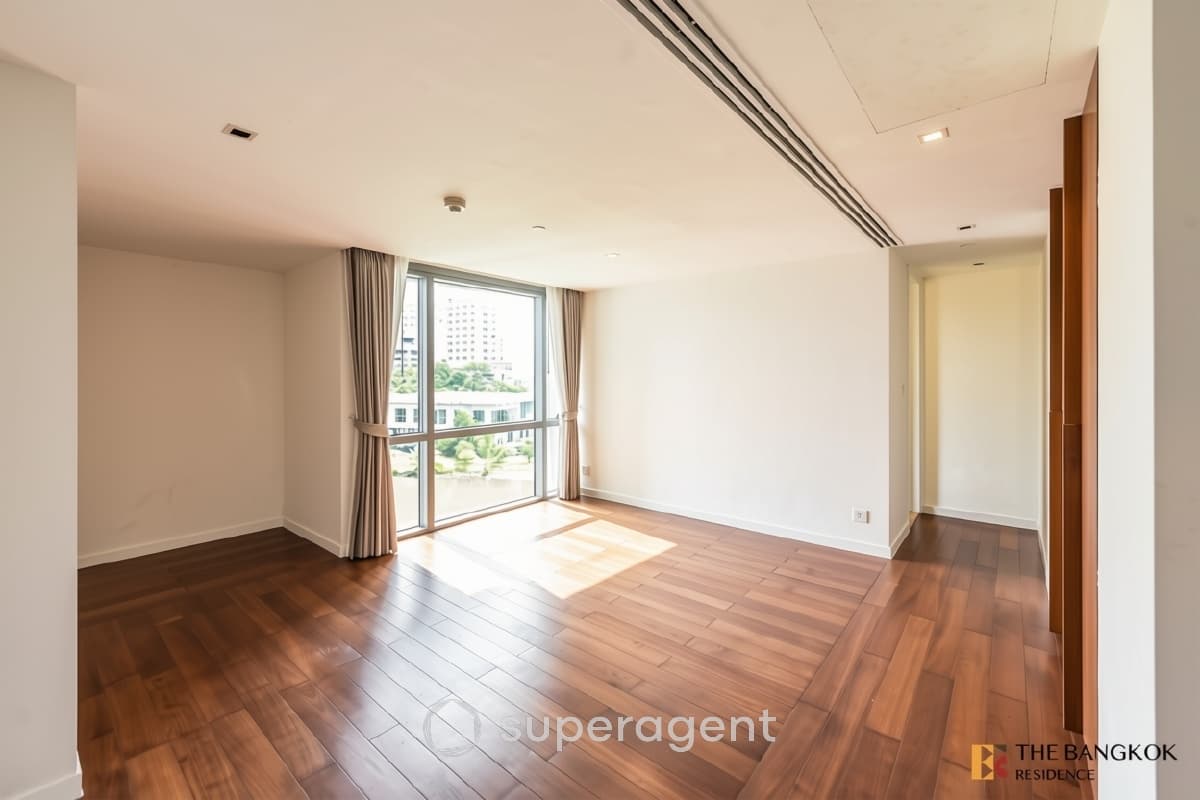
฿180,000
3 Bed4453 sqm
The Pano, 3BR 453sq.m. 180K Spacious Unit, Stunning Views
Condo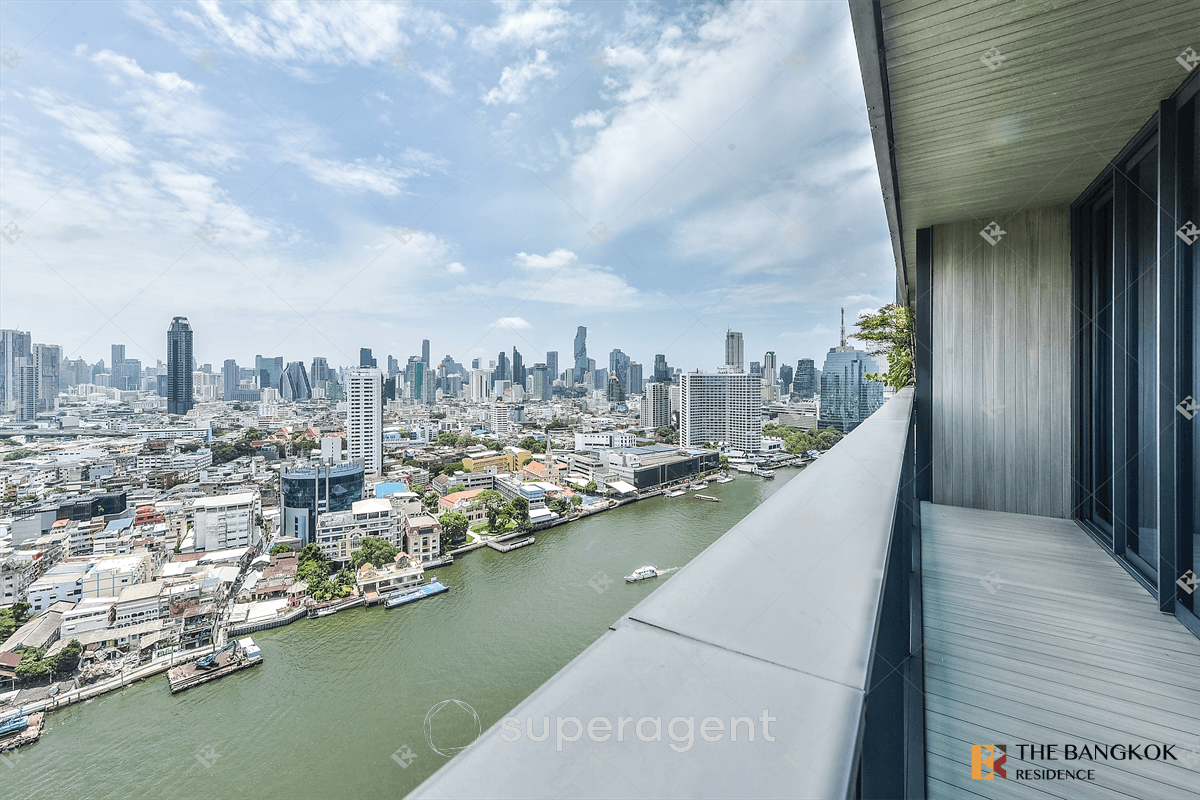
฿190,000
2 Bed2178.3 sqm
Banyan Tree Residence Riverside Bangkok, 2BR 178.34 sq.m. 190K Beautiful Fully Furnished Unit, Near BTS Saphan Taksin
Charoen Nakhon
Condo
฿59,000
1 Bed155.8 sqm
The Bangkok Thonglor, 1BR 55.8 sq.m. 59K, Premium High Floor Unit, Near BTS Thonglo
Thonglor
Condo![[For Rent] CONDO I Culture Chula I Duplex I 1 Bed I 1 Bath I 35,000THB/mo](/_next/image?url=https%3A%2F%2Fstorage.googleapis.com%2Fsuperagent-web%2Fattachments%2Flistings%2F6760%2F8deaff98-ecb1-4c62-b9be-aecac2f65797-1140-1.jpg&w=3840&q=75)
฿35,000
1 Bed138 sqm
[For Rent] CONDO I Culture Chula I Duplex I 1 Bed I 1 Bath I 35,000THB/mo
Siam
Condo![[For Rent] CONDO I Ideo Chula Samyan I 1 Bed I 1 Bath I 30,000THB/mo](/_next/image?url=https%3A%2F%2Fstorage.googleapis.com%2Fsuperagent-web%2Fattachments%2Flistings%2F6872%2Ff9ab570c-e4ca-41d6-90ee-a8e581218438-1271-8.jpg&w=3840&q=75)
฿30,000
1 Bed135 sqm
[For Rent] CONDO I Ideo Chula Samyan I 1 Bed I 1 Bath I 30,000THB/mo
Siam
Condo![[For Rent] TOWNHOME I Quarter 31 I 4 Beds I 5 Baths I 280,000THB/mo](/_next/image?url=https%3A%2F%2Fstorage.googleapis.com%2Fsuperagent-web%2Fattachments%2Flistings%2F1724%2Fb24f7c3a-8acd-49e4-ae85-6a31498207e4-600-2.jpg&w=3840&q=75)
฿280,000
4 Bed5425 sqm
[For Rent] TOWNHOME I Quarter 31 I 4 Beds I 5 Baths I 280,000THB/mo
Phrom Phong
CondoMore like this
 In Guides · Superagent EditorialHidden Costs of Renting a Condo in Bangkok Nobody Warns You AboutBangkok condo rent looks affordable until month one hits. Here are the real costs beyond the headline figure that catch most renters off guard.25 May 20261 min read
 In Guides · Superagent EditorialWhat a Long-Vacant Bangkok Condo Unit Is Actually Telling YouA Bangkok condo vacant for months signals overpricing, landlord issues, or real problems. Here is how to read the signs.25 May 20261 min read
 In Guides · Superagent EditorialRed Flags in a Bangkok Rental Contract to Watch Out ForBangkok rental contracts often hide risky clauses. Here are the red flags every tenant must catch before signing any lease.25 May 20261 min read
 In Guides · Superagent EditorialWorking Online from a Condo: How to Choose the Perfect Room for ProductivityLearn how to choose the best condo room for working online with tips on lighting, noise, and furniture setup to maximize productivity.9 May 20261 min read