How Many Days Notice Required for Moving Out: Bangkok Rental Laws and Etiquette Guide
Guides
How Many Days Notice Required for Moving Out: Bangkok Rental Laws and Etiquette Guide
Know your rights and responsibilities before ending your Bangkok rental agreement

Summary
แจ้งย้ายออกล่วงหน้ากี่วัน is crucial for Thai rentals. Learn legal notice periods, tenant rights, and proper procedures for moving out of Bangkok apartment
You're scrolling through Superagent looking at a gorgeous 1-bedroom condo in Thonglor, the light's perfect, the balcony overlooks Sukhumvit soi 55, and you're ready to hit the button. Then reality hits. You're living somewhere now. You have a lease. How much notice do you actually need to give before you move out?
If you're renting in Bangkok, this question can feel murky. Thailand's tenant laws exist, but they're not always crystal clear, and what your landlord told you might differ wildly from what the law actually says. Get it wrong, and you could lose your deposit, face legal trouble, or damage your reputation in a market where word travels fast between expats and locals alike.
Let's walk through what you actually need to know about giving notice to move out in Bangkok, what the law says, and what landlords actually expect.
What Thai Law Says About Notice Period
Thailand's Rents Control Act B.E. 2542 (1999) sets a baseline: if your lease doesn't specify a notice period, you need to give 30 days' written notice before vacating. That's the legal floor, not a suggestion. A landlord can't force you to leave faster than that without breaching your rights, and you can't sneak out without consequences either.
The catch? Most leases in Bangkok do specify a notice period, and it's often longer than 30 days. Some contracts ask for 60 days, others 90 days. That landlord in Asok who says you need three months' notice? They're probably not breaking the law if the lease says so. The Department of Land website has official guidance on rental agreements, though the language can be dense if you're not fluent in Thai bureaucracy.
The golden rule: check your lease document. Seriously. Pull it out now if you're thinking about moving. The notice period is almost always written there in black and white. If you can't find it, contact your landlord immediately. Guessing can cost you thousands of baht.
Standard Notice Periods in Bangkok's Rental Market
Talk to anyone who's rented in Bangkok long enough, and you'll hear the same refrain: 30 days is the minimum, but most landlords want more. Here's what you'll actually encounter in the market right now.
For furnished condos and serviced apartments aimed at short-term or expat renters, 30 days is standard. You'll see this in buildings around Nana, Phrom Phong, and Ekkamai, where the turnover is high and landlords expect frequent moves. These are typically contract lengths of 6 months to a year, and the landlord knows the risk going in.
For unfurnished apartments and longer-term leases, 60 days is becoming the market norm in central Bangkok. Buildings in Thonglor, Ari, and even out to Rama 9 consistently ask for two months' notice. That gives the landlord enough time to advertise, show the unit, and secure a new tenant. Average rent in these areas runs 25,000 to 45,000 THB per month for a 1-bedroom, and landlords protect their income accordingly.
For big houses, standalone properties, or premium condos, 90 days is not uncommon. You're looking at 60,000 THB and up monthly, and the landlord wants maximum protection. Think single-family homes in On Nut, villas in Ladprao, or luxury units in Emporium or EmQuartier.
- Furnished Condo, Short-term: 30 days | 18,000 - 30,000 | Nana, Phrom Phong, Ekkamai
- Unfurnished Apartment, Mid-term: 60 days | 25,000 - 45,000 | Thonglor, Ari, Rama 9
- House or Luxury Condo: 90 days | 60,000+ | On Nut, Ladprao, Emporium
These ranges are based on what's actively listed and renting across Bangkok right now. Your specific lease trumps everything. Always check the paperwork.
How to Give Proper Notice
Telling your landlord over coffee that you're moving next month doesn't count. In Thailand's eyes, and certainly in your lease, notice needs to be in writing. This is where a lot of people slip up.
Send a formal letter or email stating your intention to vacate, the specific date you'll be leaving, and acknowledge that you understand the notice period requirements. Keep it professional and straightforward. Something like: "I am writing to formally notify you of my intention to vacate the property at [address] on [date]. This letter serves as [number of days] days' advance notice as required by our lease agreement dated [lease start date]."
Send it via email and ask for read confirmation. Better yet, send it both via email and hand-deliver a printed copy. Get a receipt or acknowledgment from your landlord or their representative. You need proof. If there's ever a dispute about your deposit or whether you broke the lease, having that evidence protects you.
A real scenario: a British expat in Ploenchit gave verbal notice and moved out 45 days later, assuming that was enough. The landlord claimed they never received notice and withheld half the deposit. Months of back-and-forth followed. Email confirmation from the start would have saved headaches and money.
Common Disputes and How to Avoid Them
Notice periods create friction because both sides want clarity but often don't have it. You think 30 days is enough. The landlord says the lease specifies 60. Who's right? The lease is right.
The problem we see most often on Superagent and in expat Facebook groups: tenants don't read their lease carefully before moving in. You might remember "one year, 60,000 THB per month," but miss the "landlord requires 90 days' notice to terminate." Two years later, when you're leaving, you're scrambling to catch up.
If you give notice and your landlord ignores it, or claims they didn't receive it, you're stuck. That's why written, documented notice is non-negotiable. Some landlords, especially smaller operators managing one or two units, run things casually. They might say "don't worry about it, just let me know when you're leaving," and then change their tone when you actually announce your departure.
Protect yourself by clarifying the notice period in writing even after you've moved in. Send an email to your landlord restating what your understanding is. Get their confirmation. This costs nothing and saves arguments later.
What Happens If You Don't Give Proper Notice
Break the notice terms, and your landlord has legal grounds to keep your deposit. Thai law permits this. In Bangkok's expat community, landlords routinely withhold deposits for early termination or inadequate notice, and they're within their rights to do so under most lease agreements.
The amount they can withhold varies by contract, but expect anything from one month's rent to three months, depending on what the lease states. We've seen deposits held in the range of 20,000 to 120,000 THB due to notice violations alone. Most standard residential leases allow a deduction equivalent to one to two months' rent for early termination.
Beyond your deposit, giving inadequate notice can mark you as an unreliable tenant. Bangkok's rental market relies heavily on reputation, especially among expats. Bad-mouthing from one landlord can ripple through Facebook groups, agent networks, and word-of-mouth. The next landlord you approach might demand a higher deposit or refuse to rent to you at all.
There's also the immigration angle to consider. Thai immigration tracks your address changes through the Immigration Bureau's TM.30 form, which landlords must file. If you move without properly notifying your landlord and they don't file the correct paperwork, your immigration records can get messy. It rarely causes immediate problems, but it creates administrative headaches if you ever need to extend a visa, apply for a retirement residence permit, or deal with any government matter.
Special Cases: Corporate and Long-Term Leases
If your company is renting on your behalf, read that corporate lease extra carefully. Corporate agreements often have different terms than individual leases. Some require 120 days' notice, others have automatic renewal clauses that lock you in unless you notify by a specific date each year. Missing that date can trap you in another year of tenancy you didn't want.
Companies renting whole floors or multiple units in buildings like those near Chong Nonsi or Ratchadamri typically have much stricter notice requirements. They're negotiating from a position of size, but they're also locked in themselves. Their notice periods reflect their commitment to the landlord.
If you're signing a long-term lease, anything over two years, ask explicitly about the notice period for early termination. Some landlords will negotiate a shorter notice period if you're committing to a longer initial term. It doesn't hurt to ask, and some landlords will agree to a 60-day exit clause if you're signing a five-year deal.
Moving Out Checklist: Beyond Notice
Giving notice is the first step, but it's not the only one. Once you've submitted formal notice, you have responsibilities during that notice period and at move-out that affect your deposit return.
Document the property's condition at move-out with photos and video, just as you did at move-in. Take meter readings for electricity and water on your last day. Coordinate a final walk-through with your landlord or their agent where both of you confirm the apartment's condition. This meeting should happen before you hand over keys.
Get a written statement from your landlord confirming that the property has been returned in acceptable condition, or at least clarifying what deductions they're making and why. Request your deposit refund within a specified timeframe, usually 7 to 30 days after move-out. Put that timeframe in writing if it's not in your lease.
Many Bangkok landlords hold deposits indefinitely if you don't follow up. They're not necessarily being malicious, it's just how things work without a formal system. Staying on top of it means following up by email or phone after a week if you haven't received your money back.
All of this happens during your notice period. You don't give notice and then ghost. You maintain the space, keep it clean, respond to your landlord's requests, and wrap everything up professionally. You never know when you'll need a reference from this landlord for your next place.
Finding your next place while managing your move-out obligations is a lot to handle. Superagent makes the search part easier, letting you filter by lease type, notice period flexibility, and move-in dates that align with when you can actually give notice. You can see hundreds of listings in your preferred area, narrow down by budget and amenities, and connect with landlords or agents directly without the guesswork.
The notice period law exists to protect both you and your landlord. Follow it, document everything, and your move out of Bangkok will be smooth. Miss it, and you could lose thousands in deposits and create headaches that follow you to your next place. Check that lease, send that formal notice, and plan your move around your legal obligations. Bangkok's rental market moves fast, but it also rewards people who respect the rules.
You're scrolling through Superagent looking at a gorgeous 1-bedroom condo in Thonglor, the light's perfect, the balcony overlooks Sukhumvit soi 55, and you're ready to hit the button. Then reality hits. You're living somewhere now. You have a lease. How much notice do you actually need to give before you move out?
If you're renting in Bangkok, this question can feel murky. Thailand's tenant laws exist, but they're not always crystal clear, and what your landlord told you might differ wildly from what the law actually says. Get it wrong, and you could lose your deposit, face legal trouble, or damage your reputation in a market where word travels fast between expats and locals alike.
Let's walk through what you actually need to know about giving notice to move out in Bangkok, what the law says, and what landlords actually expect.
What Thai Law Says About Notice Period
Thailand's Rents Control Act B.E. 2542 (1999) sets a baseline: if your lease doesn't specify a notice period, you need to give 30 days' written notice before vacating. That's the legal floor, not a suggestion. A landlord can't force you to leave faster than that without breaching your rights, and you can't sneak out without consequences either.
The catch? Most leases in Bangkok do specify a notice period, and it's often longer than 30 days. Some contracts ask for 60 days, others 90 days. That landlord in Asok who says you need three months' notice? They're probably not breaking the law if the lease says so. The Department of Land website has official guidance on rental agreements, though the language can be dense if you're not fluent in Thai bureaucracy.
The golden rule: check your lease document. Seriously. Pull it out now if you're thinking about moving. The notice period is almost always written there in black and white. If you can't find it, contact your landlord immediately. Guessing can cost you thousands of baht.
Standard Notice Periods in Bangkok's Rental Market
Talk to anyone who's rented in Bangkok long enough, and you'll hear the same refrain: 30 days is the minimum, but most landlords want more. Here's what you'll actually encounter in the market right now.
For furnished condos and serviced apartments aimed at short-term or expat renters, 30 days is standard. You'll see this in buildings around Nana, Phrom Phong, and Ekkamai, where the turnover is high and landlords expect frequent moves. These are typically contract lengths of 6 months to a year, and the landlord knows the risk going in.
Continue reading after that.
Looking for a condo
to rent?
Leave your name and phone. We'll follow up while you keep reading.
100% Secure
Fast Response
Free Consultation
For unfurnished apartments and longer-term leases, 60 days is becoming the market norm in central Bangkok. Buildings in Thonglor, Ari, and even out to Rama 9 consistently ask for two months' notice. That gives the landlord enough time to advertise, show the unit, and secure a new tenant. Average rent in these areas runs 25,000 to 45,000 THB per month for a 1-bedroom, and landlords protect their income accordingly.
For big houses, standalone properties, or premium condos, 90 days is not uncommon. You're looking at 60,000 THB and up monthly, and the landlord wants maximum protection. Think single-family homes in On Nut, villas in Ladprao, or luxury units in Emporium or EmQuartier.
- Furnished Condo, Short-term: 30 days | 18,000 - 30,000 | Nana, Phrom Phong, Ekkamai
- Unfurnished Apartment, Mid-term: 60 days | 25,000 - 45,000 | Thonglor, Ari, Rama 9
- House or Luxury Condo: 90 days | 60,000+ | On Nut, Ladprao, Emporium
These ranges are based on what's actively listed and renting across Bangkok right now. Your specific lease trumps everything. Always check the paperwork.
How to Give Proper Notice
Telling your landlord over coffee that you're moving next month doesn't count. In Thailand's eyes, and certainly in your lease, notice needs to be in writing. This is where a lot of people slip up.
Send a formal letter or email stating your intention to vacate, the specific date you'll be leaving, and acknowledge that you understand the notice period requirements. Keep it professional and straightforward. Something like: "I am writing to formally notify you of my intention to vacate the property at [address] on [date]. This letter serves as [number of days] days' advance notice as required by our lease agreement dated [lease start date]."
Send it via email and ask for read confirmation. Better yet, send it both via email and hand-deliver a printed copy. Get a receipt or acknowledgment from your landlord or their representative. You need proof. If there's ever a dispute about your deposit or whether you broke the lease, having that evidence protects you.
A real scenario: a British expat in Ploenchit gave verbal notice and moved out 45 days later, assuming that was enough. The landlord claimed they never received notice and withheld half the deposit. Months of back-and-forth followed. Email confirmation from the start would have saved headaches and money.
Common Disputes and How to Avoid Them
Notice periods create friction because both sides want clarity but often don't have it. You think 30 days is enough. The landlord says the lease specifies 60. Who's right? The lease is right.
The problem we see most often on Superagent and in expat Facebook groups: tenants don't read their lease carefully before moving in. You might remember "one year, 60,000 THB per month," but miss the "landlord requires 90 days' notice to terminate." Two years later, when you're leaving, you're scrambling to catch up.
If you give notice and your landlord ignores it, or claims they didn't receive it, you're stuck. That's why written, documented notice is non-negotiable. Some landlords, especially smaller operators managing one or two units, run things casually. They might say "don't worry about it, just let me know when you're leaving," and then change their tone when you actually announce your departure.
Protect yourself by clarifying the notice period in writing even after you've moved in. Send an email to your landlord restating what your understanding is. Get their confirmation. This costs nothing and saves arguments later.
What Happens If You Don't Give Proper Notice
Break the notice terms, and your landlord has legal grounds to keep your deposit. Thai law permits this. In Bangkok's expat community, landlords routinely withhold deposits for early termination or inadequate notice, and they're within their rights to do so under most lease agreements.
The amount they can withhold varies by contract, but expect anything from one month's rent to three months, depending on what the lease states. We've seen deposits held in the range of 20,000 to 120,000 THB due to notice violations alone. Most standard residential leases allow a deduction equivalent to one to two months' rent for early termination.
Beyond your deposit, giving inadequate notice can mark you as an unreliable tenant. Bangkok's rental market relies heavily on reputation, especially among expats. Bad-mouthing from one landlord can ripple through Facebook groups, agent networks, and word-of-mouth. The next landlord you approach might demand a higher deposit or refuse to rent to you at all.
There's also the immigration angle to consider. Thai immigration tracks your address changes through the Immigration Bureau's TM.30 form, which landlords must file. If you move without properly notifying your landlord and they don't file the correct paperwork, your immigration records can get messy. It rarely causes immediate problems, but it creates administrative headaches if you ever need to extend a visa, apply for a retirement residence permit, or deal with any government matter.
Special Cases: Corporate and Long-Term Leases
If your company is renting on your behalf, read that corporate lease extra carefully. Corporate agreements often have different terms than individual leases. Some require 120 days' notice, others have automatic renewal clauses that lock you in unless you notify by a specific date each year. Missing that date can trap you in another year of tenancy you didn't want.
Continue reading after that.
Looking for a condo
to rent?
Leave your name and phone. We'll follow up while you keep reading.
100% Secure
Fast Response
Free Consultation
Companies renting whole floors or multiple units in buildings like those near Chong Nonsi or Ratchadamri typically have much stricter notice requirements. They're negotiating from a position of size, but they're also locked in themselves. Their notice periods reflect their commitment to the landlord.
If you're signing a long-term lease, anything over two years, ask explicitly about the notice period for early termination. Some landlords will negotiate a shorter notice period if you're committing to a longer initial term. It doesn't hurt to ask, and some landlords will agree to a 60-day exit clause if you're signing a five-year deal.
Moving Out Checklist: Beyond Notice
Giving notice is the first step, but it's not the only one. Once you've submitted formal notice, you have responsibilities during that notice period and at move-out that affect your deposit return.
Document the property's condition at move-out with photos and video, just as you did at move-in. Take meter readings for electricity and water on your last day. Coordinate a final walk-through with your landlord or their agent where both of you confirm the apartment's condition. This meeting should happen before you hand over keys.
Get a written statement from your landlord confirming that the property has been returned in acceptable condition, or at least clarifying what deductions they're making and why. Request your deposit refund within a specified timeframe, usually 7 to 30 days after move-out. Put that timeframe in writing if it's not in your lease.
Many Bangkok landlords hold deposits indefinitely if you don't follow up. They're not necessarily being malicious, it's just how things work without a formal system. Staying on top of it means following up by email or phone after a week if you haven't received your money back.
All of this happens during your notice period. You don't give notice and then ghost. You maintain the space, keep it clean, respond to your landlord's requests, and wrap everything up professionally. You never know when you'll need a reference from this landlord for your next place.
Finding your next place while managing your move-out obligations is a lot to handle. Superagent makes the search part easier, letting you filter by lease type, notice period flexibility, and move-in dates that align with when you can actually give notice. You can see hundreds of listings in your preferred area, narrow down by budget and amenities, and connect with landlords or agents directly without the guesswork.
The notice period law exists to protect both you and your landlord. Follow it, document everything, and your move out of Bangkok will be smooth. Miss it, and you could lose thousands in deposits and create headaches that follow you to your next place. Check that lease, send that formal notice, and plan your move around your legal obligations. Bangkok's rental market moves fast, but it also rewards people who respect the rules.
Share this article
Properties you may like
![[For Rent] CONDO I Park Origin 24 I 2 Beds I 1 Baths I 48,000THB/mo](/_next/image?url=https%3A%2F%2Fstorage.googleapis.com%2Fsuperagent-web%2Fattachments%2Flistings%2F6890%2Ffb28cb5c-9a1b-424b-9b52-b844aeba7bf2-1291-1.jpg&w=3840&q=75)
฿48,000
2 Bed152.1 sqm
[For Rent] CONDO I Park Origin 24 I 2 Beds I 1 Baths I 48,000THB/mo
Phrom Phong
Condo![[For Rent] CONDO I Grand Parkview Asoke I 2 Beds I 1 Bath I 35,000THB/mo](/_next/image?url=https%3A%2F%2Fstorage.googleapis.com%2Fsuperagent-web%2Fattachments%2Flistings%2F6889%2F9cb3631b-7a06-4438-9425-a5c78df563d4-1303-1.jpg&w=3840&q=75)
฿35,000
2 Bed168.4 sqm
[For Rent] CONDO I Grand Parkview Asoke I 2 Beds I 1 Bath I 35,000THB/mo
Asoke
Condo![[For Rent] CONDO I Culture Thonglor I 1 Bed I 1 Bath I 22,000THB/mo](/_next/image?url=https%3A%2F%2Fstorage.googleapis.com%2Fsuperagent-web%2Fattachments%2Flistings%2F2271%2Fcb90f802-330c-49a2-a142-2e33a8127032-culture_thonglor_for_rent_02.jpg&w=3840&q=75)
฿22,000
1 Bed126 sqm
[For Rent] CONDO I Culture Thonglor I 1 Bed I 1 Bath I 22,000THB/mo
Thonglor
Condo
฿120,000
3 Bed3165 sqm
The Height Thonglor, 3BR 165 sq.m. 120K Show Unit Feel, Great Price, Rare Item in the Heart of Thonglor, Near BTS Thonglo
Condo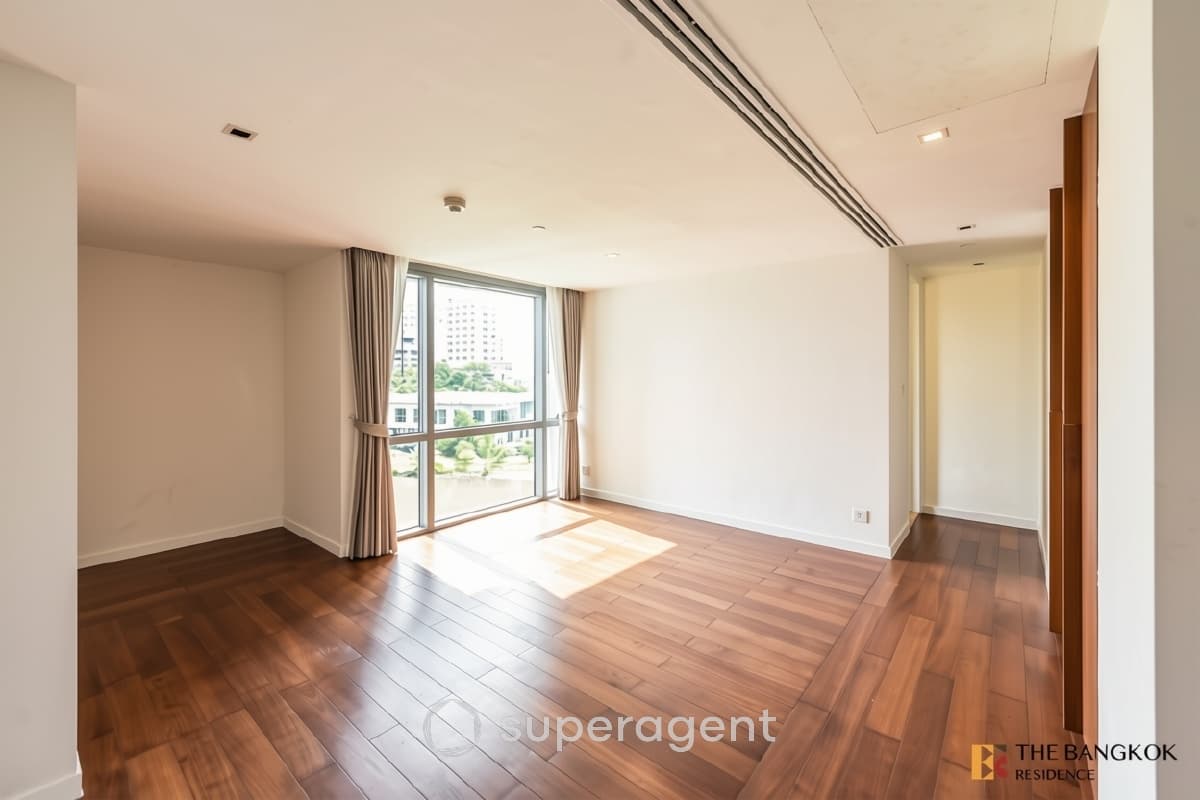
฿180,000
3 Bed4453 sqm
The Pano, 3BR 453sq.m. 180K Spacious Unit, Stunning Views
Condo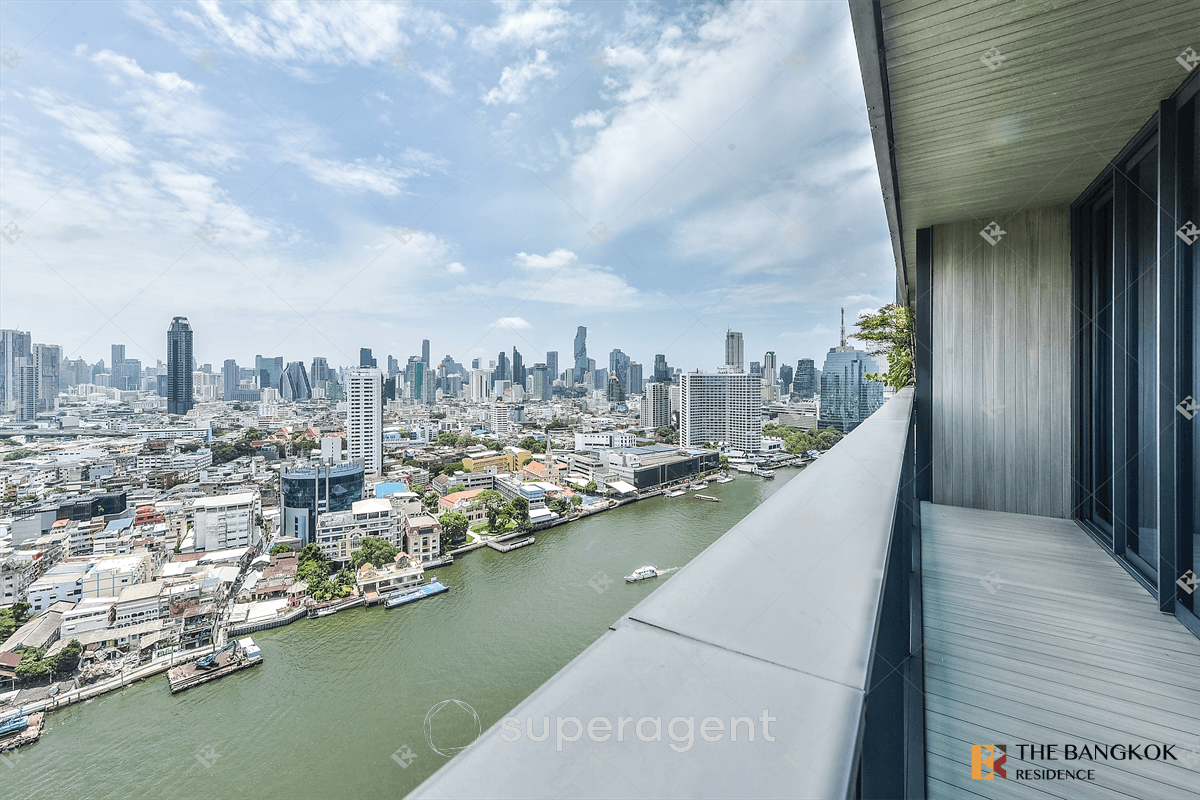
฿190,000
2 Bed2178.3 sqm
Banyan Tree Residence Riverside Bangkok, 2BR 178.34 sq.m. 190K Beautiful Fully Furnished Unit, Near BTS Saphan Taksin
Charoen Nakhon
Condo
฿59,000
1 Bed155.8 sqm
The Bangkok Thonglor, 1BR 55.8 sq.m. 59K, Premium High Floor Unit, Near BTS Thonglo
Thonglor
Condo![[For Rent] CONDO I Culture Chula I Duplex I 1 Bed I 1 Bath I 35,000THB/mo](/_next/image?url=https%3A%2F%2Fstorage.googleapis.com%2Fsuperagent-web%2Fattachments%2Flistings%2F6760%2F8deaff98-ecb1-4c62-b9be-aecac2f65797-1140-1.jpg&w=3840&q=75)
฿35,000
1 Bed138 sqm
[For Rent] CONDO I Culture Chula I Duplex I 1 Bed I 1 Bath I 35,000THB/mo
Siam
Condo![[For Rent] CONDO I Ideo Chula Samyan I 1 Bed I 1 Bath I 30,000THB/mo](/_next/image?url=https%3A%2F%2Fstorage.googleapis.com%2Fsuperagent-web%2Fattachments%2Flistings%2F6872%2Ff9ab570c-e4ca-41d6-90ee-a8e581218438-1271-8.jpg&w=3840&q=75)
฿30,000
1 Bed135 sqm
[For Rent] CONDO I Ideo Chula Samyan I 1 Bed I 1 Bath I 30,000THB/mo
Siam
Condo![[For Rent] TOWNHOME I Quarter 31 I 4 Beds I 5 Baths I 280,000THB/mo](/_next/image?url=https%3A%2F%2Fstorage.googleapis.com%2Fsuperagent-web%2Fattachments%2Flistings%2F1724%2Fb24f7c3a-8acd-49e4-ae85-6a31498207e4-600-2.jpg&w=3840&q=75)
฿280,000
4 Bed5425 sqm
[For Rent] TOWNHOME I Quarter 31 I 4 Beds I 5 Baths I 280,000THB/mo
Phrom Phong
CondoMore like this
 In Guides · Superagent EditorialHidden Costs of Renting a Condo in Bangkok Nobody Warns You AboutBangkok condo rent looks affordable until month one hits. Here are the real costs beyond the headline figure that catch most renters off guard.25 May 20261 min read
 In Guides · Superagent EditorialWhat a Long-Vacant Bangkok Condo Unit Is Actually Telling YouA Bangkok condo vacant for months signals overpricing, landlord issues, or real problems. Here is how to read the signs.25 May 20261 min read
 In Guides · Superagent EditorialRed Flags in a Bangkok Rental Contract to Watch Out ForBangkok rental contracts often hide risky clauses. Here are the red flags every tenant must catch before signing any lease.25 May 20261 min read
 In Guides · Superagent EditorialWorking Online from a Condo: How to Choose the Perfect Room for ProductivityLearn how to choose the best condo room for working online with tips on lighting, noise, and furniture setup to maximize productivity.9 May 20261 min read