How to Handle Early Lease Termination as a Tenant
Guides
How to Handle Early Lease Termination as a Tenant
Know your rights and obligations when breaking a rental agreement early
Summary
ผู้เช่าบอกเลิกสัญญาก่อนครบ requires understanding Thai rental laws, penalties, and proper procedures. Learn steps to terminate legally and minimize costs.
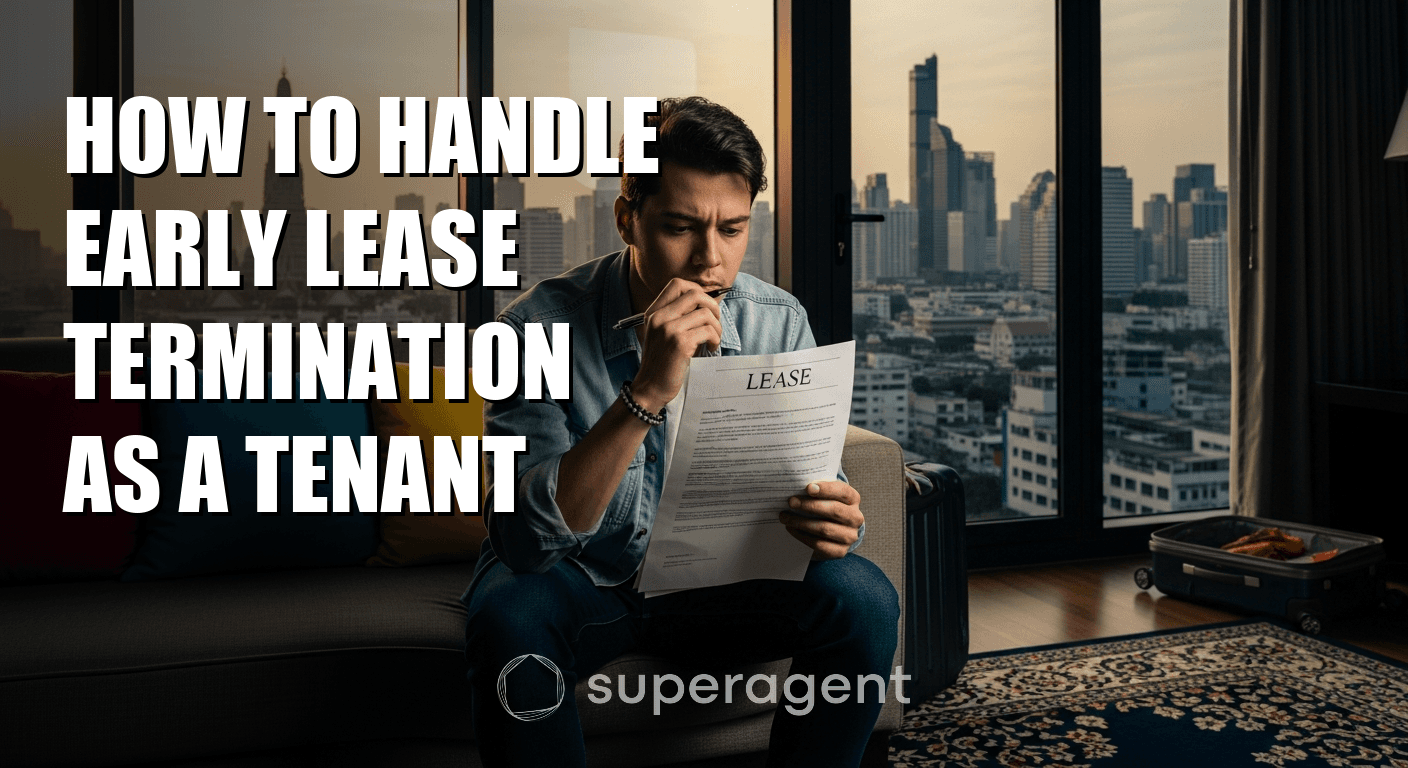
So you've signed a one-year condo rental agreement in Bangkok, but six months in, life throws you a curveball. A job transfer to Singapore, a family emergency back home, or maybe you just realized that Thonglor condo isn't working for you anymore. Now you're staring at your lease and wondering: what happens if I break this contract early?
Breaking a rental contract before it ends is one of the most stressful situations renters face in Bangkok. But here's the thing, it's not impossible, and you're definitely not the first person to do it. I've seen expats in Phrom Phong, Thai families in Rangsit, and everyone in between figure this out. The key is knowing your options, understanding the penalties, and approaching it the right way. Let me walk you through exactly what you need to do.
Understand Your Contract First: What Does It Actually Say?
Before you panic, sit down with your actual lease document. Most Bangkok rental contracts are written in Thai, but reputable buildings and agents should provide an English translation. Check the termination clause carefully, because what you're allowed to do depends entirely on what you signed.
Your contract will typically say something like: "Tenant may terminate this agreement with sixty days notice and payment of one month's rent as penalty." That's standard across much of Bangkok. But some landlords, especially those renting in older sois around Ekkamai or smaller family-owned units, might demand more. I've seen penalties range from one month's rent all the way to three months depending on the landlord's stance.
Pull out that contract right now. Read the termination section word for word. If it's in Thai and you're not fluent, take a photo and have your Thai friend or a local agent translate it. This single step will tell you exactly what you're working with. Don't skip this, because your next move depends entirely on what's written there.
Calculate Your Total Penalty and Deposit Status
Most Bangkok landlords ask for a security deposit equal to one or two months' rent. That money sits with them during your tenancy. When you break your lease, that deposit is usually where they'll pull the penalty from, so you need to know the math.
Let's say you're renting a one-bedroom condo in Phaya Thai for 28,000 THB per month. You paid a two-month deposit (56,000 THB) upfront. Your contract says one month's penalty for early termination. When you leave, they'll take 28,000 THB from your deposit for the penalty and return 28,000 THB to you. That's the basic math.
But here's where it gets real: some landlords will claim damages, unpaid utilities, or cleaning costs to reduce your deposit even further. Before you agree to anything, walk through the condo with the landlord or building manager and document the condition in writing. Take photos. Get them to sign off that the place is in acceptable condition. This protects you later when they can't suddenly claim you damaged the walls.
If your deposit won't cover the full penalty, you'll need to pay the difference in cash. Budget for this now. Average one-bedroom penalties in central Bangkok neighborhoods like Sukhumvit, Silom, or Ploenchit run 25,000 to 40,000 THB, depending on the initial rent amount.
Notify Your Landlord in Writing, with the Right Notice Period
This is critical. Don't just tell your building manager or send a WhatsApp message. Your contract likely requires written notice, and most specify a notice period, usually thirty to ninety days. Written means email or a formal letter, both of which create a paper trail.
Send an email to your landlord and cc the property management company if there is one. State clearly: your unit number, your lease start date, your intended move-out date, the reason for early termination (optional but can help with negotiations), and your understanding of the penalty clause. Keep it professional and friendly. Here's roughly what it should say:
"Dear landlord name, I am writing to formally notify you of my intention to terminate my lease at unit number X on date Y. According to our rental agreement, I understand this will incur a penalty of Z THB. I will ensure the unit is returned in good condition and am prepared to settle all outstanding payments and penalties upon move-out. Please confirm receipt and advise on any final procedures. Thank you, [your name]."
Send this at least as many days before your move-out as your contract requires. If your contract says sixty days notice, send it now for a move-out date sixty days from today. Once you hit send, you've legally protected yourself. If there's any dispute later, you have proof you followed the rules.
Explore Negotiation: Can You Reduce the Penalty?
Here's what most first-time renters don't realize, many landlords will negotiate. They'd much rather find a new tenant quickly than fight with you, and they might be open to reducing the penalty if it means you're cooperative and helpful.
I once knew an expat in Sukhumvit Soi 26 who was transferred to Hong Kong three months into a one-year lease. Instead of just paying the full three-month penalty, they offered to help the landlord show the unit to potential new tenants, provided a detailed move-out date, and agreed to take care of any minor fixes. The landlord reduced the penalty to one month. This doesn't always work, but it's worth trying if you're on good terms.
The timing of your request matters. If you're breaking the lease during low season (May to August, when Bangkok gets hot and many people don't want to move), negotiating leverage is stronger because the landlord will struggle to find a replacement tenant. If it's December or January, harder luck. Landlords know demand is high.
Call your landlord. Be honest. Explain your situation. Offer something in return, whether that's helping market the unit, providing referrals, or offering a faster move-out that gets them re-renting sooner. You'd be surprised how often this conversation leads somewhere better than a flat penalty.
Handle Utilities and Final Payments Correctly
On your last day, you need to settle every single bill. Most Bangkok condos, whether in central areas like Phetchburi or outer zones like Minburi, use individual meters for electricity and water. Call your electricity provider (usually Thai electricity MEA for the outskirts or EGAT for central Bangkok) and water authority to request a final meter reading on your move-out date. Do the same with your building's internet and any other utilities you subscribed to separately.
Ask the building for a utilities clearance letter or sign-off confirming no outstanding charges. This is your proof that you've paid everything. Keep this document with your photos of the unit's condition. When disputes happen, it's usually about who owes what for utilities, so having proof you settled them is gold.
If you've overpaid on utilities or any building services, the building should refund you or credit it against your final bill. Get this in writing too. Many landlords try to claim utility deposits as additional penalty money, so having a formal record prevents that.
Know When Breaking Your Lease Legally Might Be Justified
In rare cases, Thai law actually allows you to break a lease without penalty. According to Thai Revenue Department guidelines, if the landlord fails to provide essential services (like water, electricity, or habitability), you may have grounds to terminate without penalty. Similarly, if the building or unit becomes unsafe or unsuitable for living, you have protection.
But here's the reality of Bangkok rentals, proving this is tough. If your building has a water shutdown for two weeks, that sucks but doesn't automatically release you. If there's a structural issue or mold problem that makes the place genuinely unlivable, you might have a case. Document everything with photos, emails, and formal complaints to the building management. Then consult a lawyer. Legal fees in Bangkok run 5,000 to 15,000 THB for a consultation, which could save you 30,000 THB in penalties.
This is a last resort option. Most of the time, you're breaking the lease because your circumstances changed, not because the landlord breached it. Accept that a penalty is coming and plan for it.
- Mutual agreement with cooperative landlord: Zero to one month (reduced) | 30 days | High
- Standard early termination clause: One to three months | 60 days | Medium
- Landlord dispute or hostile break: Three months or full remaining lease | Legal proceedings | Low
- Lease includes furnished services: One to two months plus deposit loss | 90 days | Low to Medium
Breaking a rental contract in Bangkok isn't the disaster it feels like in your head. Yes, you'll likely pay a penalty, usually one to three months' rent. Yes, it's frustrating. But it's manageable if you follow the rules, communicate clearly, and handle the logistics properly.
Start by reading your actual contract today. Know exactly what you signed. Send formal written notice within the timeframe required. Try negotiating if the situation allows it. Settle all utilities and deposits properly. Keep records of everything. If you're in a real jam, talk to a lawyer or your embassy if you're an expat. Most of all, don't panic or ghost your landlord, because that turns a financial penalty into a legal nightmare.
If you're thinking about moving before your lease ends, Superagent can help you explore your next place before you commit to this process. Check what's available in your preferred neighborhood so you know your options before you break the current lease.
So you've signed a one-year condo rental agreement in Bangkok, but six months in, life throws you a curveball. A job transfer to Singapore, a family emergency back home, or maybe you just realized that Thonglor condo isn't working for you anymore. Now you're staring at your lease and wondering: what happens if I break this contract early?
Breaking a rental contract before it ends is one of the most stressful situations renters face in Bangkok. But here's the thing, it's not impossible, and you're definitely not the first person to do it. I've seen expats in Phrom Phong, Thai families in Rangsit, and everyone in between figure this out. The key is knowing your options, understanding the penalties, and approaching it the right way. Let me walk you through exactly what you need to do.
Understand Your Contract First: What Does It Actually Say?
Before you panic, sit down with your actual lease document. Most Bangkok rental contracts are written in Thai, but reputable buildings and agents should provide an English translation. Check the termination clause carefully, because what you're allowed to do depends entirely on what you signed.
Your contract will typically say something like: "Tenant may terminate this agreement with sixty days notice and payment of one month's rent as penalty." That's standard across much of Bangkok. But some landlords, especially those renting in older sois around Ekkamai or smaller family-owned units, might demand more. I've seen penalties range from one month's rent all the way to three months depending on the landlord's stance.
Pull out that contract right now. Read the termination section word for word. If it's in Thai and you're not fluent, take a photo and have your Thai friend or a local agent translate it. This single step will tell you exactly what you're working with. Don't skip this, because your next move depends entirely on what's written there.
Calculate Your Total Penalty and Deposit Status
Most Bangkok landlords ask for a security deposit equal to one or two months' rent. That money sits with them during your tenancy. When you break your lease, that deposit is usually where they'll pull the penalty from, so you need to know the math.
Continue reading after that.
Looking for a condo
to rent?
Leave your name and phone. We'll follow up while you keep reading.
100% Secure
Fast Response
Free Consultation
Let's say you're renting a one-bedroom condo in Phaya Thai for 28,000 THB per month. You paid a two-month deposit (56,000 THB) upfront. Your contract says one month's penalty for early termination. When you leave, they'll take 28,000 THB from your deposit for the penalty and return 28,000 THB to you. That's the basic math.
But here's where it gets real: some landlords will claim damages, unpaid utilities, or cleaning costs to reduce your deposit even further. Before you agree to anything, walk through the condo with the landlord or building manager and document the condition in writing. Take photos. Get them to sign off that the place is in acceptable condition. This protects you later when they can't suddenly claim you damaged the walls.
If your deposit won't cover the full penalty, you'll need to pay the difference in cash. Budget for this now. Average one-bedroom penalties in central Bangkok neighborhoods like Sukhumvit, Silom, or Ploenchit run 25,000 to 40,000 THB, depending on the initial rent amount.
Notify Your Landlord in Writing, with the Right Notice Period
This is critical. Don't just tell your building manager or send a WhatsApp message. Your contract likely requires written notice, and most specify a notice period, usually thirty to ninety days. Written means email or a formal letter, both of which create a paper trail.
Send an email to your landlord and cc the property management company if there is one. State clearly: your unit number, your lease start date, your intended move-out date, the reason for early termination (optional but can help with negotiations), and your understanding of the penalty clause. Keep it professional and friendly. Here's roughly what it should say:
"Dear landlord name, I am writing to formally notify you of my intention to terminate my lease at unit number X on date Y. According to our rental agreement, I understand this will incur a penalty of Z THB. I will ensure the unit is returned in good condition and am prepared to settle all outstanding payments and penalties upon move-out. Please confirm receipt and advise on any final procedures. Thank you, [your name]."
Send this at least as many days before your move-out as your contract requires. If your contract says sixty days notice, send it now for a move-out date sixty days from today. Once you hit send, you've legally protected yourself. If there's any dispute later, you have proof you followed the rules.
Explore Negotiation: Can You Reduce the Penalty?
Here's what most first-time renters don't realize, many landlords will negotiate. They'd much rather find a new tenant quickly than fight with you, and they might be open to reducing the penalty if it means you're cooperative and helpful.
I once knew an expat in Sukhumvit Soi 26 who was transferred to Hong Kong three months into a one-year lease. Instead of just paying the full three-month penalty, they offered to help the landlord show the unit to potential new tenants, provided a detailed move-out date, and agreed to take care of any minor fixes. The landlord reduced the penalty to one month. This doesn't always work, but it's worth trying if you're on good terms.
The timing of your request matters. If you're breaking the lease during low season (May to August, when Bangkok gets hot and many people don't want to move), negotiating leverage is stronger because the landlord will struggle to find a replacement tenant. If it's December or January, harder luck. Landlords know demand is high.
Call your landlord. Be honest. Explain your situation. Offer something in return, whether that's helping market the unit, providing referrals, or offering a faster move-out that gets them re-renting sooner. You'd be surprised how often this conversation leads somewhere better than a flat penalty.
Handle Utilities and Final Payments Correctly
On your last day, you need to settle every single bill. Most Bangkok condos, whether in central areas like Phetchburi or outer zones like Minburi, use individual meters for electricity and water. Call your electricity provider (usually Thai electricity MEA for the outskirts or EGAT for central Bangkok) and water authority to request a final meter reading on your move-out date. Do the same with your building's internet and any other utilities you subscribed to separately.
Ask the building for a utilities clearance letter or sign-off confirming no outstanding charges. This is your proof that you've paid everything. Keep this document with your photos of the unit's condition. When disputes happen, it's usually about who owes what for utilities, so having proof you settled them is gold.
Continue reading after that.
Looking for a condo
to rent?
Leave your name and phone. We'll follow up while you keep reading.
100% Secure
Fast Response
Free Consultation
If you've overpaid on utilities or any building services, the building should refund you or credit it against your final bill. Get this in writing too. Many landlords try to claim utility deposits as additional penalty money, so having a formal record prevents that.
Know When Breaking Your Lease Legally Might Be Justified
In rare cases, Thai law actually allows you to break a lease without penalty. According to Thai Revenue Department guidelines, if the landlord fails to provide essential services (like water, electricity, or habitability), you may have grounds to terminate without penalty. Similarly, if the building or unit becomes unsafe or unsuitable for living, you have protection.
But here's the reality of Bangkok rentals, proving this is tough. If your building has a water shutdown for two weeks, that sucks but doesn't automatically release you. If there's a structural issue or mold problem that makes the place genuinely unlivable, you might have a case. Document everything with photos, emails, and formal complaints to the building management. Then consult a lawyer. Legal fees in Bangkok run 5,000 to 15,000 THB for a consultation, which could save you 30,000 THB in penalties.
This is a last resort option. Most of the time, you're breaking the lease because your circumstances changed, not because the landlord breached it. Accept that a penalty is coming and plan for it.
- Mutual agreement with cooperative landlord: Zero to one month (reduced) | 30 days | High
- Standard early termination clause: One to three months | 60 days | Medium
- Landlord dispute or hostile break: Three months or full remaining lease | Legal proceedings | Low
- Lease includes furnished services: One to two months plus deposit loss | 90 days | Low to Medium
Breaking a rental contract in Bangkok isn't the disaster it feels like in your head. Yes, you'll likely pay a penalty, usually one to three months' rent. Yes, it's frustrating. But it's manageable if you follow the rules, communicate clearly, and handle the logistics properly.
Start by reading your actual contract today. Know exactly what you signed. Send formal written notice within the timeframe required. Try negotiating if the situation allows it. Settle all utilities and deposits properly. Keep records of everything. If you're in a real jam, talk to a lawyer or your embassy if you're an expat. Most of all, don't panic or ghost your landlord, because that turns a financial penalty into a legal nightmare.
If you're thinking about moving before your lease ends, Superagent can help you explore your next place before you commit to this process. Check what's available in your preferred neighborhood so you know your options before you break the current lease.
Share this article
Properties you may like
![[For Rent] CONDO I Park Origin 24 I 2 Beds I 1 Baths I 48,000THB/mo](/_next/image?url=https%3A%2F%2Fstorage.googleapis.com%2Fsuperagent-web%2Fattachments%2Flistings%2F6890%2Ffb28cb5c-9a1b-424b-9b52-b844aeba7bf2-1291-1.jpg&w=3840&q=75)
฿48,000
2 Bed152.1 sqm
[For Rent] CONDO I Park Origin 24 I 2 Beds I 1 Baths I 48,000THB/mo
Phrom Phong
Condo![[For Rent] CONDO I Grand Parkview Asoke I 2 Beds I 1 Bath I 35,000THB/mo](/_next/image?url=https%3A%2F%2Fstorage.googleapis.com%2Fsuperagent-web%2Fattachments%2Flistings%2F6889%2F9cb3631b-7a06-4438-9425-a5c78df563d4-1303-1.jpg&w=3840&q=75)
฿35,000
2 Bed168.4 sqm
[For Rent] CONDO I Grand Parkview Asoke I 2 Beds I 1 Bath I 35,000THB/mo
Asoke
Condo![[For Rent&Sale] CONDO I Park Origin Phrom Phong I 1 Bed I 1 Bath I Rent 25,000THB/mo - Sale 4.8mb THB](/_next/image?url=https%3A%2F%2Fstorage.googleapis.com%2Fsuperagent-web%2Fattachments%2Flistings%2F6825%2F8bbfe15d-0151-4ba5-8bbc-c931b777d509-1207-1.jpg&w=3840&q=75)
฿25,000
1 Bed126 sqm
[For Rent&Sale] CONDO I Park Origin Phrom Phong I 1 Bed I 1 Bath I Rent 25,000THB/mo - Sale 4.8mb THB
Phrom Phong
Condo![[For Rent] CONDO I Culture Thonglor I 1 Bed I 1 Bath I 22,000THB/mo](/_next/image?url=https%3A%2F%2Fstorage.googleapis.com%2Fsuperagent-web%2Fattachments%2Flistings%2F2271%2Fcb90f802-330c-49a2-a142-2e33a8127032-culture_thonglor_for_rent_02.jpg&w=3840&q=75)
฿22,000
1 Bed126 sqm
[For Rent] CONDO I Culture Thonglor I 1 Bed I 1 Bath I 22,000THB/mo
Thonglor
Condo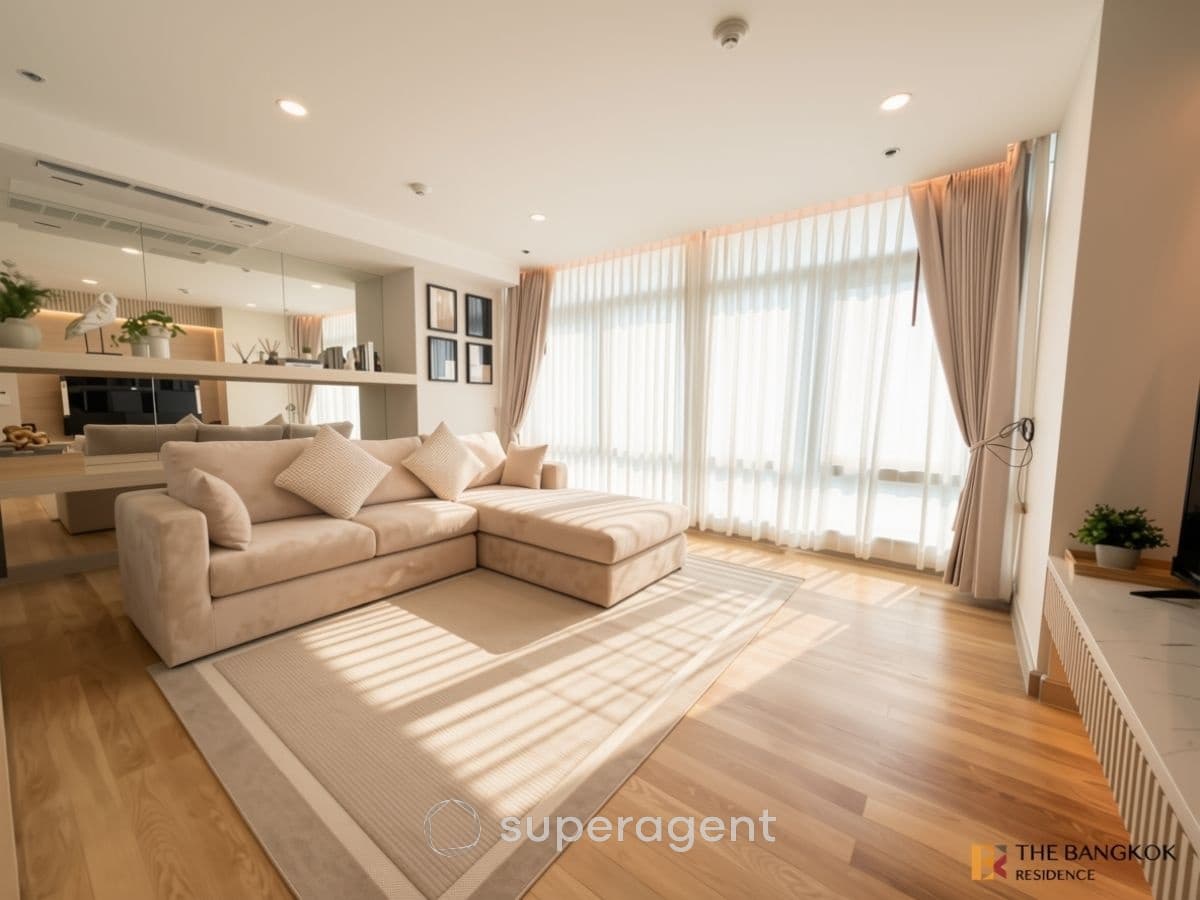
฿120,000
3 Bed3165 sqm
The Height Thonglor, 3BR 165 sq.m. 120K Show Unit Feel, Great Price, Rare Item in the Heart of Thonglor, Near BTS Thonglo
Condo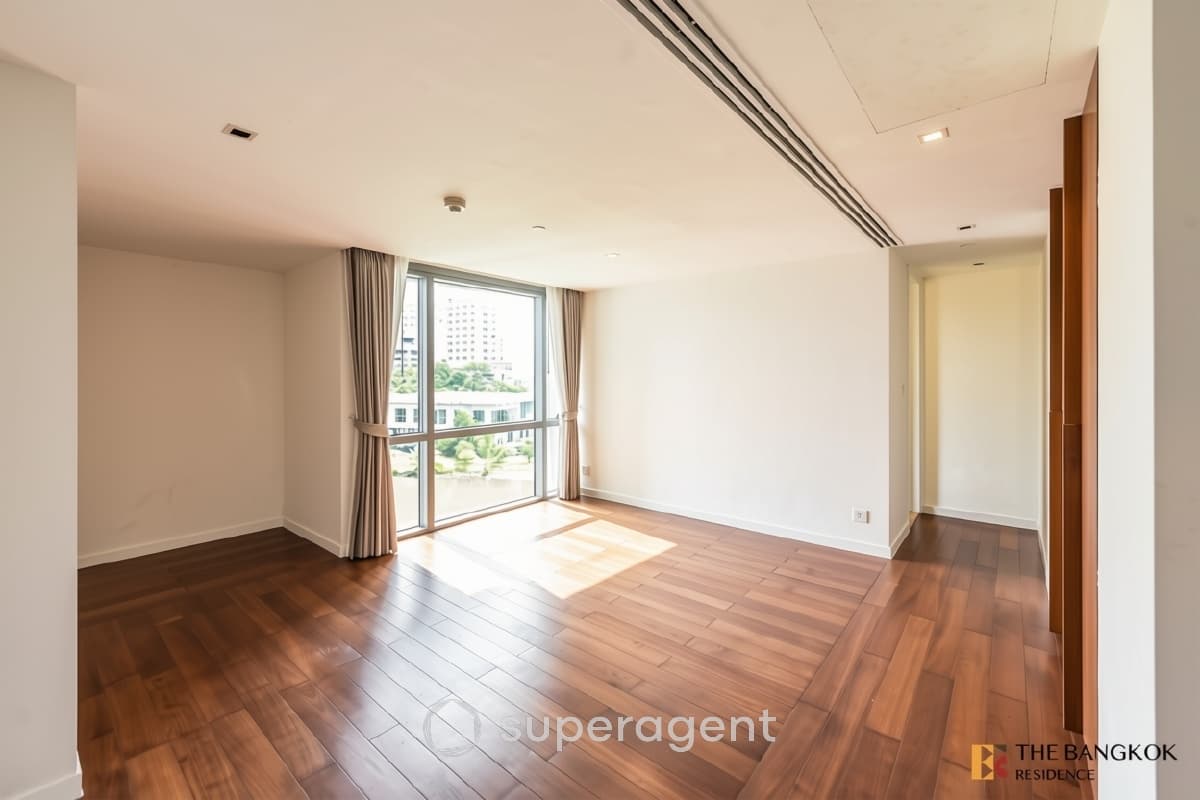
฿180,000
3 Bed4453 sqm
The Pano, 3BR 453sq.m. 180K Spacious Unit, Stunning Views
Condo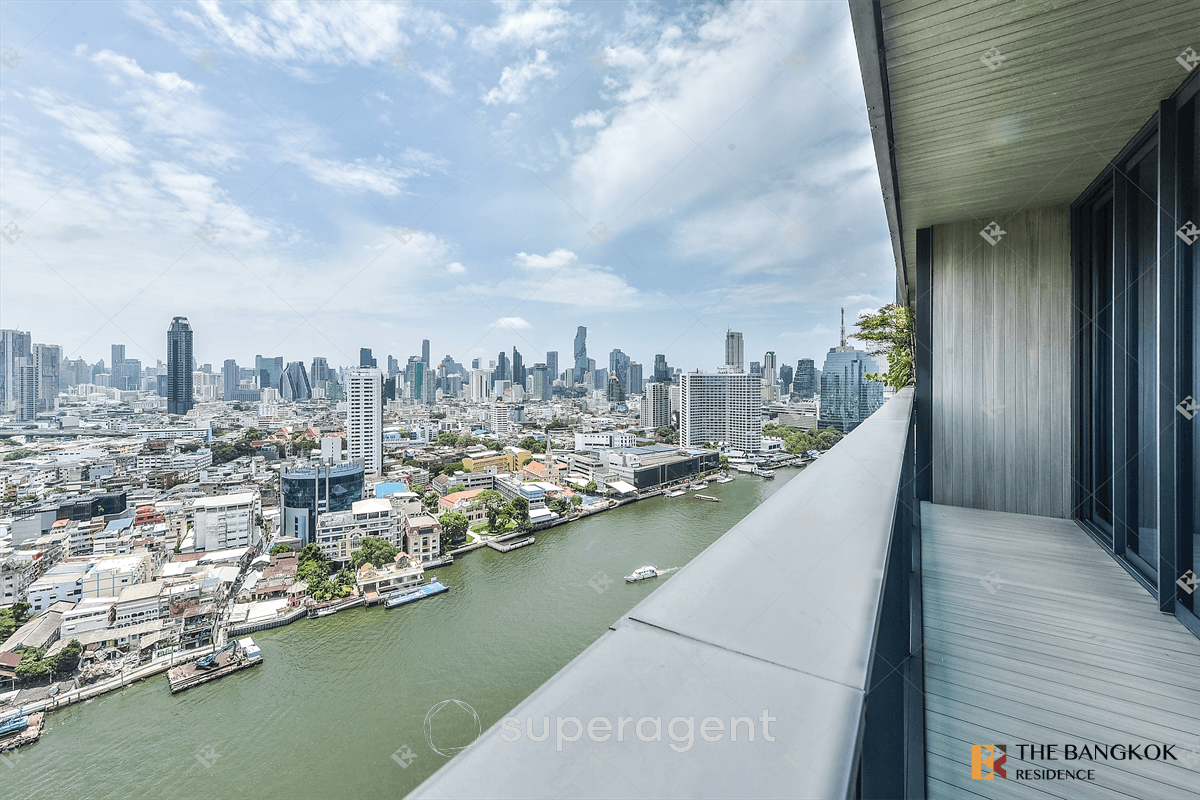
฿190,000
2 Bed2178.3 sqm
Banyan Tree Residence Riverside Bangkok, 2BR 178.34 sq.m. 190K Beautiful Fully Furnished Unit, Near BTS Saphan Taksin
Charoen Nakhon
Condo
฿59,000
1 Bed155.8 sqm
The Bangkok Thonglor, 1BR 55.8 sq.m. 59K, Premium High Floor Unit, Near BTS Thonglo
Thonglor
Condo![[For Rent] CONDO I Culture Chula I Duplex I 1 Bed I 1 Bath I 35,000THB/mo](/_next/image?url=https%3A%2F%2Fstorage.googleapis.com%2Fsuperagent-web%2Fattachments%2Flistings%2F6760%2F8deaff98-ecb1-4c62-b9be-aecac2f65797-1140-1.jpg&w=3840&q=75)
฿35,000
1 Bed138 sqm
[For Rent] CONDO I Culture Chula I Duplex I 1 Bed I 1 Bath I 35,000THB/mo
Siam
Condo![[For Rent] CONDO I Ideo Chula Samyan I 1 Bed I 1 Bath I 30,000THB/mo](/_next/image?url=https%3A%2F%2Fstorage.googleapis.com%2Fsuperagent-web%2Fattachments%2Flistings%2F6872%2Ff9ab570c-e4ca-41d6-90ee-a8e581218438-1271-8.jpg&w=3840&q=75)
฿30,000
1 Bed135 sqm
[For Rent] CONDO I Ideo Chula Samyan I 1 Bed I 1 Bath I 30,000THB/mo
Siam
CondoMore like this
 In Guides · Superagent EditorialHidden Costs of Renting a Condo in Bangkok Nobody Warns You AboutBangkok condo rent looks affordable until month one hits. Here are the real costs beyond the headline figure that catch most renters off guard.25 May 20261 min read
 In Guides · Superagent EditorialWhat a Long-Vacant Bangkok Condo Unit Is Actually Telling YouA Bangkok condo vacant for months signals overpricing, landlord issues, or real problems. Here is how to read the signs.25 May 20261 min read
 In Guides · Superagent EditorialRed Flags in a Bangkok Rental Contract to Watch Out ForBangkok rental contracts often hide risky clauses. Here are the red flags every tenant must catch before signing any lease.25 May 20261 min read
 In Guides · Superagent EditorialWorking Online from a Condo: How to Choose the Perfect Room for ProductivityLearn how to choose the best condo room for working online with tips on lighting, noise, and furniture setup to maximize productivity.9 May 20261 min read