Landlord Won't Return Security Deposit: Legal Claims and Lawsuit Procedures
Guides
Landlord Won't Return Security Deposit: Legal Claims and Lawsuit Procedures
Learn your rights and take action when landlords refuse to return your rental security deposit.
Summary
Discover how to recover your security deposit when landlords refuse. This guide covers legal procedures, documentation requirements, and effective dispute
You've just moved out of your Bangkok condo. You packed up your stuff, handed over the keys, and waited for your landlord to return your security deposit. Then silence. Weeks pass. Calls go unanswered. Your 100,000 THB deposit has vanished.
If this sounds familiar, you're not alone. Security deposit disputes are one of the most common rental headaches in Bangkok, especially for expats and Thai professionals renting in high-rise condos across Sukhumvit, Silom, and the Riverside areas. The problem gets worse because Thai rental law sits in a weird gray zone, landlords often claim deductions without proof, and many renters simply give up rather than fight.
Here's the real situation: you have legal rights, solid paths to recover your money, and concrete steps you can take starting today. This guide walks you through exactly what to do when a Bangkok landlord won't return your security deposit.
Understand What Thai Rental Law Actually Says About Security Deposits
Thailand's Civil and Commercial Code (Section 540) is your legal foundation. In plain English, it says a landlord must return your deposit within a reasonable time after you leave, minus any legitimate deductions for damage beyond normal wear and tear.
The catch? Thai law doesn't define "reasonable time" precisely. Courts have generally accepted 30 to 60 days as reasonable, but enforcement is weak. Landlords in Bangkok often ignore this completely, counting on renters not knowing their rights or being too busy to pursue action.
A 2023 rental dispute analysis from DDproperty found that 34% of security deposit disputes in greater Bangkok involved landlords withholding funds beyond 90 days without itemized deductions. That's one in three renters getting delayed or no payment.
The law also requires landlords to provide written itemization of any deductions. A simple text message saying "walls damaged, -15,000 THB" doesn't cut it. You're entitled to a detailed breakdown with photos, repair quotes, or repair invoices as evidence.
Step One: Document Everything Before You Hand Back Keys
Prevention beats enforcement every single time. Most renters hand over keys, leave, and hope for the best. That's backwards. Do this before your move-out date.
Walk through the condo with your landlord or property manager. Take photos and video of every room, every wall, every appliance, every fixture. Shoot it in daylight. Get close-ups of any marks, stains, or damage that existed before your tenancy. Zoom in on the kitchen appliances, bathroom tiles, flooring, paint condition, and light fixtures.
Have the landlord sign a move-out inspection report that documents the unit's condition. If they won't sign, send them an email with the photos and a written summary of the unit's condition. Get written confirmation, even just a WhatsApp reply saying "OK" or "Noted." This creates a timestamp and proof of what you told them.
Request a copy of your original move-in inspection report (most Bangkok condo buildings keep these on file). Compare the two. If the unit looks the same or better, you have solid evidence against unfair deduction claims.
Step Two: Request Written Deduction Details Within 14 Days
The moment your landlord withholds funds or delays return, send a formal request for itemized deductions. Do not do this verbally. Write it down. Use email, registered mail, or Line message, but get it documented.
Your request should say something like: "Dear Khun [landlord name], I have not received my security deposit totaling 100,000 THB as of [date]. Please provide a detailed written breakdown of any deductions, including repair quotes, invoices, and photos showing the damage." Include your ID number, the address, and the move-out date.
Keep everything: the request email, Line conversations, any replies. These form your paper trail. In Thai legal disputes, documentation is evidence, and evidence is everything.
If the landlord provides deductions without supporting documentation, push back immediately. Ask for copies of repair invoices from the building maintenance team. Legitimate deductions come with proof. If they can't show you receipts or quotes, those deductions probably won't hold up in court.
Step Three: Send a Formal Demand Letter if Still No Return
If 30 days pass with no return and no legitimate itemized deductions, escalate. Send a formal demand letter using registered mail or a process server. You can write this yourself or hire a lawyer (Bangkok legal fees for this range from 3,000 to 8,000 THB for a demand letter).
The letter should include your name, ID number, the rental property address, move-out date, deposit amount, dates of communication attempts, and a demand for return within 7 days. State that you'll pursue legal action if payment doesn't arrive by that date.
This is not a bluff. Thai courts take written demands seriously because they show you made a good-faith effort to resolve the issue. Keep a copy and the delivery confirmation. Many landlords actually respond to this because they realize you're serious.
A Bangkok-based property lawyer typically charges 2,000 to 5,000 THB to draft and review a demand letter, which is cheap insurance compared to a 100,000 THB loss.
Step Four: File a Complaint at the Local Administrative Court
If the demand letter goes unanswered or rejected, take it to court. Thailand's Administrative Court system handles small claims and disputes between individuals and private parties. You can file at the local administrative court in the district where the condo is located.
Bangkok has multiple administrative courts. If your condo is in Sukhumvit near BTS Phrom Phong or Asok, you'd file at the Central Bangkok Administrative Court. If it's in a western area near the BTS National Stadium or near MRT Ratchathewi, your jurisdiction differs. Check the Thailand court information database to confirm your exact court.
Filing fees run about 500 to 1,500 THB depending on the amount claimed. You'll need copies of your lease, deposit receipt, email correspondence, and the demand letter. Courts prefer written evidence, so compile everything into a simple folder or digital file.
The process typically takes 2 to 4 months for a judgment, assuming the landlord doesn't appeal. Thai courts side with renters in clear cases where deductions lack documentation or where deposits are withheld without reason.
Step Five: Know When to Call a Lawyer vs. Handle It Solo
For deposits under 50,000 THB and straightforward cases (zero contact from the landlord, obvious no-return situation), you can handle this solo. The filing process is simple, forms are available in English at most courts, and many court staff speak basic English.
For larger deposits, complex deduction disputes, or landlords with legal representation, hire a lawyer. Bangkok has hundreds of English-speaking property lawyers. Costs run 5,000 to 20,000 THB for representation through judgment, depending on case complexity.
- No response after 30 days, under 50,000 THB: File court complaint yourself | 2-4 months | 500-1,500 THB
- Landlord claims deductions without proof: Demand letter, then file court | 3-5 months | 3,000-8,000 THB (lawyer)
- Large deposit (over 100,000 THB) with dispute: Hire lawyer for full representation | 4-6 months | 10,000-25,000 THB
- Landlord unresponsive, all contact lost: Process server, formal demand, court filing | 2-5 months | 5,000-15,000 THB
Real Bangkok Example: What Actually Happens
Let's say you rented a one-bedroom condo in the Ekkamai area for 22,000 THB per month and left a 50,000 THB deposit in February 2024. You gave 30 days notice, cleaned the unit thoroughly, and documented everything with photos sent to your landlord on move-out day.
By late March, no deposit arrived. You sent an email requesting itemization. The landlord replied saying you damaged the kitchen cabinet and owed 12,000 THB for repairs, so they'd only return 38,000 THB. But they provided no photo, no repair quote, no invoice.
You pushed back with photos from move-in showing the cabinet condition was identical. Radio silence. In April, you sent a registered demand letter. Still nothing. By May, you filed a court complaint with your lease, move-in inspection report, move-out photos, email chains, and the demand letter letter.
Thai courts typically rule in your favor in this scenario. The landlord cannot prove the damage or that the repair happened. The court orders full return of 50,000 THB plus court costs. Enforcement takes another month or two, but it works.
What to Do If You Signed a Rigged Lease
Some Bangkok landlords slip in clauses like "landlord reserves the right to deduct up to 20% of deposit for general wear and tear" or "all utilities losses are renter responsibility." These clauses violate Thai law. Thai Civil and Commercial Code says deposits are held in trust and must be returned unless there's damage beyond normal wear.
Courts strike down unfair clauses. Don't assume a written agreement overrides Thai law. It doesn't. However, having written backup (your pre-tenancy documentation, your move-out photos) makes the case much stronger and much faster.
Average resolution time for deposit disputes in Bangkok courts sits at 90 to 150 days according to Fazwaz rental market data, so patience is part of the process.
The reality of renting in Bangkok is that landlord-renter dynamics favor the person with better documentation. You win disputes through evidence, not emotion. Take photos. Keep emails. Request itemization in writing. Follow the steps above, and you'll get your money back.
If you're hunting for a new rental after a bad deposit experience, look for buildings and landlords with transparent policies and professional property management. Superagent.co lists verified properties with clear deposit and damage policies, making it easier to avoid disputes before they start.
You've just moved out of your Bangkok condo. You packed up your stuff, handed over the keys, and waited for your landlord to return your security deposit. Then silence. Weeks pass. Calls go unanswered. Your 100,000 THB deposit has vanished.
If this sounds familiar, you're not alone. Security deposit disputes are one of the most common rental headaches in Bangkok, especially for expats and Thai professionals renting in high-rise condos across Sukhumvit, Silom, and the Riverside areas. The problem gets worse because Thai rental law sits in a weird gray zone, landlords often claim deductions without proof, and many renters simply give up rather than fight.
Here's the real situation: you have legal rights, solid paths to recover your money, and concrete steps you can take starting today. This guide walks you through exactly what to do when a Bangkok landlord won't return your security deposit.
Understand What Thai Rental Law Actually Says About Security Deposits
Thailand's Civil and Commercial Code (Section 540) is your legal foundation. In plain English, it says a landlord must return your deposit within a reasonable time after you leave, minus any legitimate deductions for damage beyond normal wear and tear.
The catch? Thai law doesn't define "reasonable time" precisely. Courts have generally accepted 30 to 60 days as reasonable, but enforcement is weak. Landlords in Bangkok often ignore this completely, counting on renters not knowing their rights or being too busy to pursue action.
A 2023 rental dispute analysis from DDproperty found that 34% of security deposit disputes in greater Bangkok involved landlords withholding funds beyond 90 days without itemized deductions. That's one in three renters getting delayed or no payment.
The law also requires landlords to provide written itemization of any deductions. A simple text message saying "walls damaged, -15,000 THB" doesn't cut it. You're entitled to a detailed breakdown with photos, repair quotes, or repair invoices as evidence.
Continue reading after that.
Looking for a condo
to rent?
Leave your name and phone. We'll follow up while you keep reading.
100% Secure
Fast Response
Free Consultation
Step One: Document Everything Before You Hand Back Keys
Prevention beats enforcement every single time. Most renters hand over keys, leave, and hope for the best. That's backwards. Do this before your move-out date.
Walk through the condo with your landlord or property manager. Take photos and video of every room, every wall, every appliance, every fixture. Shoot it in daylight. Get close-ups of any marks, stains, or damage that existed before your tenancy. Zoom in on the kitchen appliances, bathroom tiles, flooring, paint condition, and light fixtures.
Have the landlord sign a move-out inspection report that documents the unit's condition. If they won't sign, send them an email with the photos and a written summary of the unit's condition. Get written confirmation, even just a WhatsApp reply saying "OK" or "Noted." This creates a timestamp and proof of what you told them.
Request a copy of your original move-in inspection report (most Bangkok condo buildings keep these on file). Compare the two. If the unit looks the same or better, you have solid evidence against unfair deduction claims.
Step Two: Request Written Deduction Details Within 14 Days
The moment your landlord withholds funds or delays return, send a formal request for itemized deductions. Do not do this verbally. Write it down. Use email, registered mail, or Line message, but get it documented.
Your request should say something like: "Dear Khun [landlord name], I have not received my security deposit totaling 100,000 THB as of [date]. Please provide a detailed written breakdown of any deductions, including repair quotes, invoices, and photos showing the damage." Include your ID number, the address, and the move-out date.
Keep everything: the request email, Line conversations, any replies. These form your paper trail. In Thai legal disputes, documentation is evidence, and evidence is everything.
If the landlord provides deductions without supporting documentation, push back immediately. Ask for copies of repair invoices from the building maintenance team. Legitimate deductions come with proof. If they can't show you receipts or quotes, those deductions probably won't hold up in court.
Step Three: Send a Formal Demand Letter if Still No Return
If 30 days pass with no return and no legitimate itemized deductions, escalate. Send a formal demand letter using registered mail or a process server. You can write this yourself or hire a lawyer (Bangkok legal fees for this range from 3,000 to 8,000 THB for a demand letter).
The letter should include your name, ID number, the rental property address, move-out date, deposit amount, dates of communication attempts, and a demand for return within 7 days. State that you'll pursue legal action if payment doesn't arrive by that date.
This is not a bluff. Thai courts take written demands seriously because they show you made a good-faith effort to resolve the issue. Keep a copy and the delivery confirmation. Many landlords actually respond to this because they realize you're serious.
A Bangkok-based property lawyer typically charges 2,000 to 5,000 THB to draft and review a demand letter, which is cheap insurance compared to a 100,000 THB loss.
Step Four: File a Complaint at the Local Administrative Court
If the demand letter goes unanswered or rejected, take it to court. Thailand's Administrative Court system handles small claims and disputes between individuals and private parties. You can file at the local administrative court in the district where the condo is located.
Bangkok has multiple administrative courts. If your condo is in Sukhumvit near BTS Phrom Phong or Asok, you'd file at the Central Bangkok Administrative Court. If it's in a western area near the BTS National Stadium or near MRT Ratchathewi, your jurisdiction differs. Check the Thailand court information database to confirm your exact court.
Filing fees run about 500 to 1,500 THB depending on the amount claimed. You'll need copies of your lease, deposit receipt, email correspondence, and the demand letter. Courts prefer written evidence, so compile everything into a simple folder or digital file.
The process typically takes 2 to 4 months for a judgment, assuming the landlord doesn't appeal. Thai courts side with renters in clear cases where deductions lack documentation or where deposits are withheld without reason.
Step Five: Know When to Call a Lawyer vs. Handle It Solo
For deposits under 50,000 THB and straightforward cases (zero contact from the landlord, obvious no-return situation), you can handle this solo. The filing process is simple, forms are available in English at most courts, and many court staff speak basic English.
For larger deposits, complex deduction disputes, or landlords with legal representation, hire a lawyer. Bangkok has hundreds of English-speaking property lawyers. Costs run 5,000 to 20,000 THB for representation through judgment, depending on case complexity.
Continue reading after that.
Looking for a condo
to rent?
Leave your name and phone. We'll follow up while you keep reading.
100% Secure
Fast Response
Free Consultation
- No response after 30 days, under 50,000 THB: File court complaint yourself | 2-4 months | 500-1,500 THB
- Landlord claims deductions without proof: Demand letter, then file court | 3-5 months | 3,000-8,000 THB (lawyer)
- Large deposit (over 100,000 THB) with dispute: Hire lawyer for full representation | 4-6 months | 10,000-25,000 THB
- Landlord unresponsive, all contact lost: Process server, formal demand, court filing | 2-5 months | 5,000-15,000 THB
Real Bangkok Example: What Actually Happens
Let's say you rented a one-bedroom condo in the Ekkamai area for 22,000 THB per month and left a 50,000 THB deposit in February 2024. You gave 30 days notice, cleaned the unit thoroughly, and documented everything with photos sent to your landlord on move-out day.
By late March, no deposit arrived. You sent an email requesting itemization. The landlord replied saying you damaged the kitchen cabinet and owed 12,000 THB for repairs, so they'd only return 38,000 THB. But they provided no photo, no repair quote, no invoice.
You pushed back with photos from move-in showing the cabinet condition was identical. Radio silence. In April, you sent a registered demand letter. Still nothing. By May, you filed a court complaint with your lease, move-in inspection report, move-out photos, email chains, and the demand letter letter.
Thai courts typically rule in your favor in this scenario. The landlord cannot prove the damage or that the repair happened. The court orders full return of 50,000 THB plus court costs. Enforcement takes another month or two, but it works.
What to Do If You Signed a Rigged Lease
Some Bangkok landlords slip in clauses like "landlord reserves the right to deduct up to 20% of deposit for general wear and tear" or "all utilities losses are renter responsibility." These clauses violate Thai law. Thai Civil and Commercial Code says deposits are held in trust and must be returned unless there's damage beyond normal wear.
Courts strike down unfair clauses. Don't assume a written agreement overrides Thai law. It doesn't. However, having written backup (your pre-tenancy documentation, your move-out photos) makes the case much stronger and much faster.
Average resolution time for deposit disputes in Bangkok courts sits at 90 to 150 days according to Fazwaz rental market data, so patience is part of the process.
The reality of renting in Bangkok is that landlord-renter dynamics favor the person with better documentation. You win disputes through evidence, not emotion. Take photos. Keep emails. Request itemization in writing. Follow the steps above, and you'll get your money back.
If you're hunting for a new rental after a bad deposit experience, look for buildings and landlords with transparent policies and professional property management. Superagent.co lists verified properties with clear deposit and damage policies, making it easier to avoid disputes before they start.
Share this article
Properties you may like
![[For Rent] CONDO I Park Origin 24 I 2 Beds I 1 Baths I 48,000THB/mo](/_next/image?url=https%3A%2F%2Fstorage.googleapis.com%2Fsuperagent-web%2Fattachments%2Flistings%2F6890%2Ffb28cb5c-9a1b-424b-9b52-b844aeba7bf2-1291-1.jpg&w=3840&q=75)
฿48,000
2 Bed152.1 sqm
[For Rent] CONDO I Park Origin 24 I 2 Beds I 1 Baths I 48,000THB/mo
Phrom Phong
Condo![[For Rent] CONDO I Grand Parkview Asoke I 2 Beds I 1 Bath I 35,000THB/mo](/_next/image?url=https%3A%2F%2Fstorage.googleapis.com%2Fsuperagent-web%2Fattachments%2Flistings%2F6889%2F9cb3631b-7a06-4438-9425-a5c78df563d4-1303-1.jpg&w=3840&q=75)
฿35,000
2 Bed168.4 sqm
[For Rent] CONDO I Grand Parkview Asoke I 2 Beds I 1 Bath I 35,000THB/mo
Asoke
Condo![[For Rent] CONDO I Culture Thonglor I 1 Bed I 1 Bath I 22,000THB/mo](/_next/image?url=https%3A%2F%2Fstorage.googleapis.com%2Fsuperagent-web%2Fattachments%2Flistings%2F2271%2Fcb90f802-330c-49a2-a142-2e33a8127032-culture_thonglor_for_rent_02.jpg&w=3840&q=75)
฿22,000
1 Bed126 sqm
[For Rent] CONDO I Culture Thonglor I 1 Bed I 1 Bath I 22,000THB/mo
Thonglor
Condo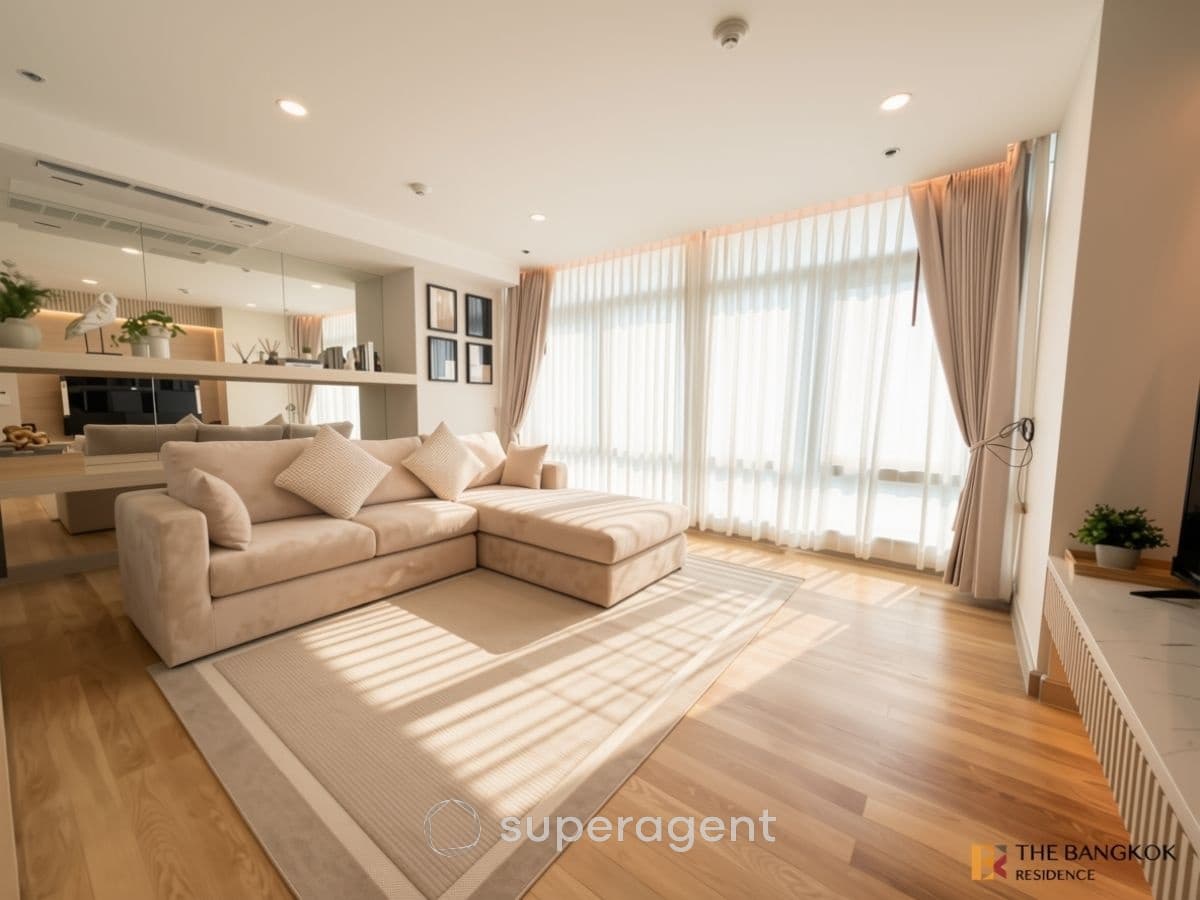
฿120,000
3 Bed3165 sqm
The Height Thonglor, 3BR 165 sq.m. 120K Show Unit Feel, Great Price, Rare Item in the Heart of Thonglor, Near BTS Thonglo
Condo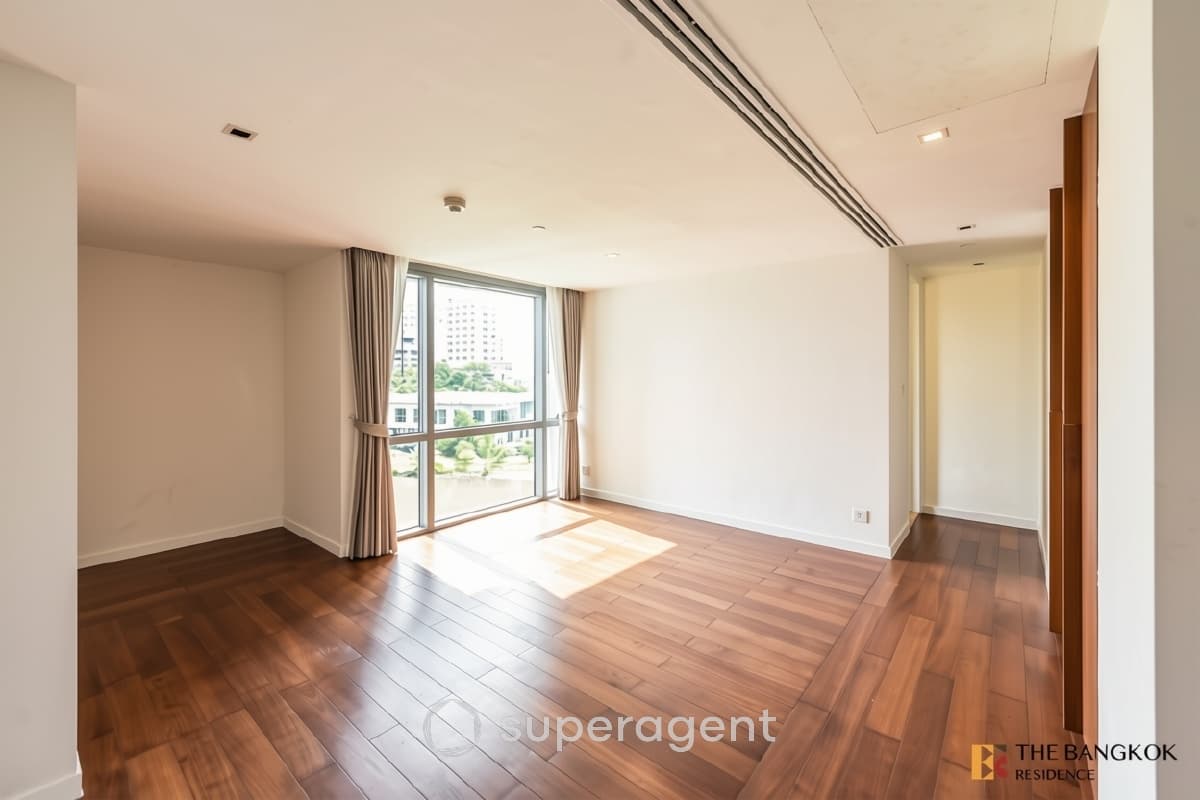
฿180,000
3 Bed4453 sqm
The Pano, 3BR 453sq.m. 180K Spacious Unit, Stunning Views
Condo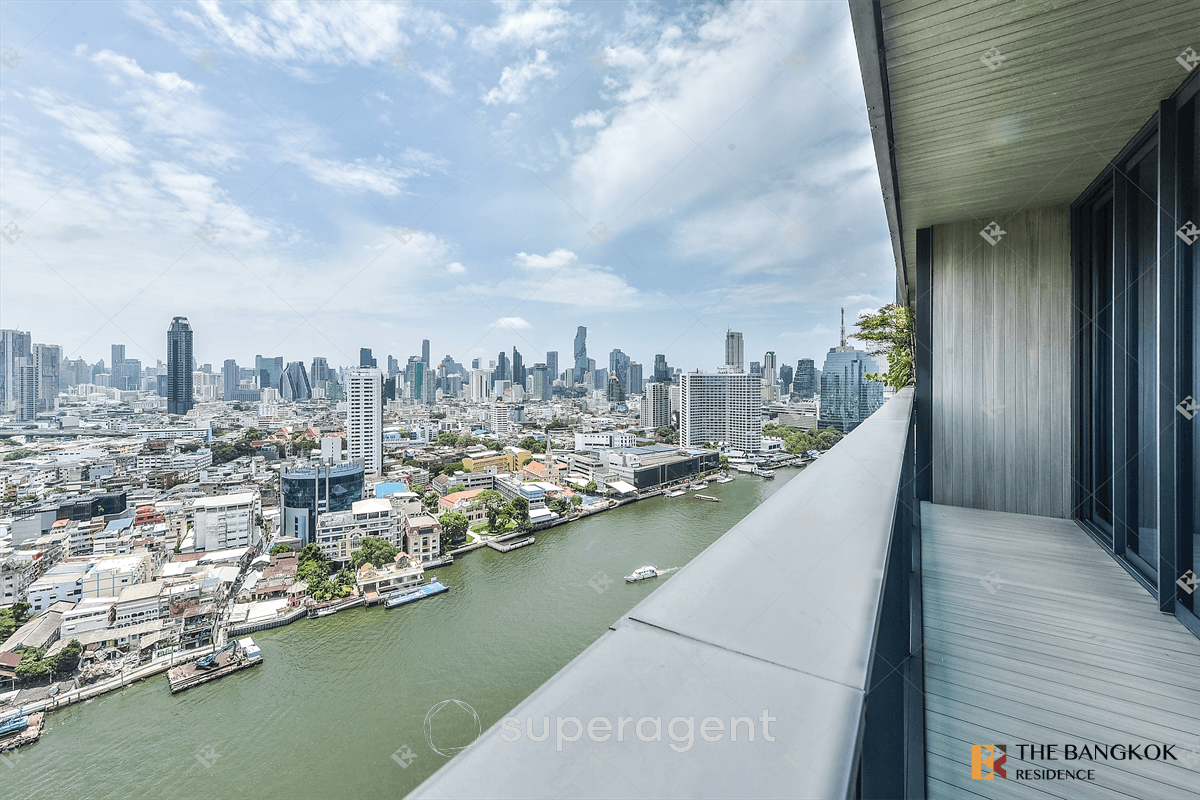
฿190,000
2 Bed2178.3 sqm
Banyan Tree Residence Riverside Bangkok, 2BR 178.34 sq.m. 190K Beautiful Fully Furnished Unit, Near BTS Saphan Taksin
Charoen Nakhon
Condo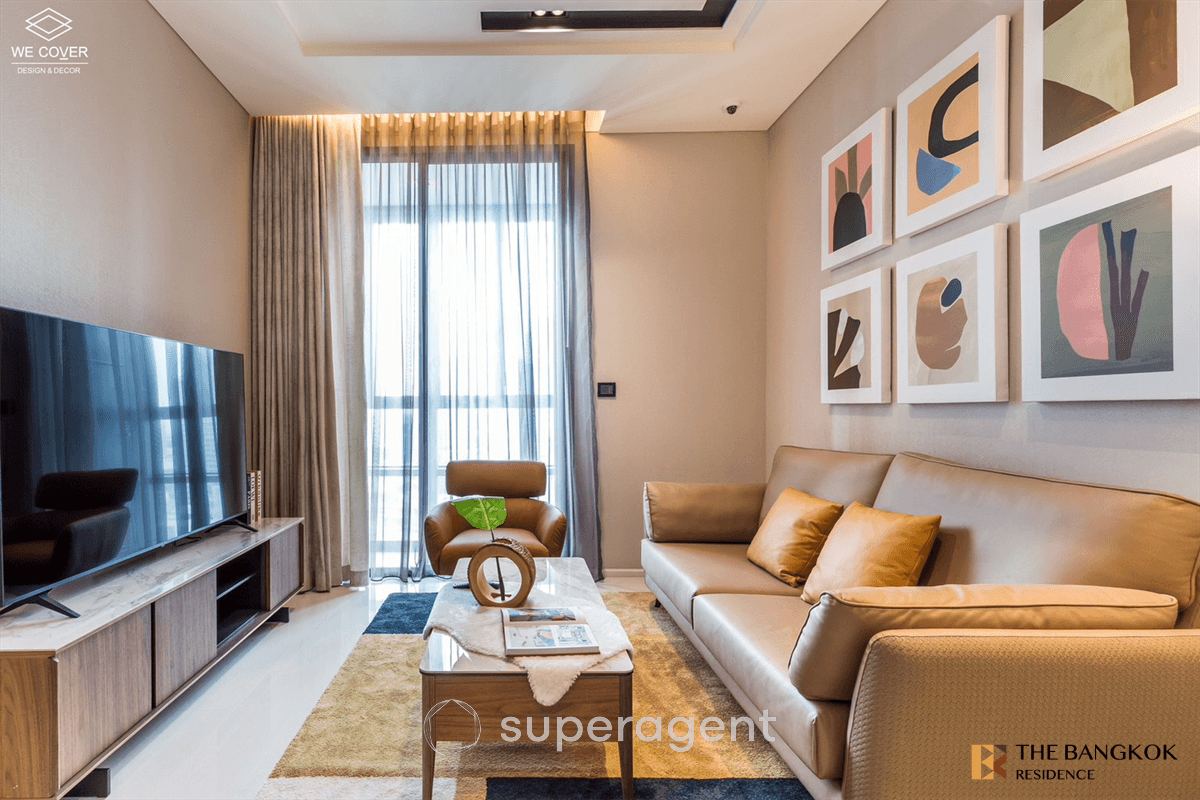
฿59,000
1 Bed155.8 sqm
The Bangkok Thonglor, 1BR 55.8 sq.m. 59K, Premium High Floor Unit, Near BTS Thonglo
Thonglor
Condo![[For Rent] CONDO I Culture Chula I Duplex I 1 Bed I 1 Bath I 35,000THB/mo](/_next/image?url=https%3A%2F%2Fstorage.googleapis.com%2Fsuperagent-web%2Fattachments%2Flistings%2F6760%2F8deaff98-ecb1-4c62-b9be-aecac2f65797-1140-1.jpg&w=3840&q=75)
฿35,000
1 Bed138 sqm
[For Rent] CONDO I Culture Chula I Duplex I 1 Bed I 1 Bath I 35,000THB/mo
Siam
Condo![[For Rent] CONDO I Ideo Chula Samyan I 1 Bed I 1 Bath I 30,000THB/mo](/_next/image?url=https%3A%2F%2Fstorage.googleapis.com%2Fsuperagent-web%2Fattachments%2Flistings%2F6872%2Ff9ab570c-e4ca-41d6-90ee-a8e581218438-1271-8.jpg&w=3840&q=75)
฿30,000
1 Bed135 sqm
[For Rent] CONDO I Ideo Chula Samyan I 1 Bed I 1 Bath I 30,000THB/mo
Siam
Condo![[For Rent] TOWNHOME I Quarter 31 I 4 Beds I 5 Baths I 280,000THB/mo](/_next/image?url=https%3A%2F%2Fstorage.googleapis.com%2Fsuperagent-web%2Fattachments%2Flistings%2F1724%2Fb24f7c3a-8acd-49e4-ae85-6a31498207e4-600-2.jpg&w=3840&q=75)
฿280,000
4 Bed5425 sqm
[For Rent] TOWNHOME I Quarter 31 I 4 Beds I 5 Baths I 280,000THB/mo
Phrom Phong
CondoMore like this
 In Guides · Superagent EditorialHidden Costs of Renting a Condo in Bangkok Nobody Warns You AboutBangkok condo rent looks affordable until month one hits. Here are the real costs beyond the headline figure that catch most renters off guard.25 May 20261 min read
 In Guides · Superagent EditorialWhat a Long-Vacant Bangkok Condo Unit Is Actually Telling YouA Bangkok condo vacant for months signals overpricing, landlord issues, or real problems. Here is how to read the signs.25 May 20261 min read
 In Guides · Superagent EditorialRed Flags in a Bangkok Rental Contract to Watch Out ForBangkok rental contracts often hide risky clauses. Here are the red flags every tenant must catch before signing any lease.25 May 20261 min read
 In Guides · Superagent EditorialWorking Online from a Condo: How to Choose the Perfect Room for ProductivityLearn how to choose the best condo room for working online with tips on lighting, noise, and furniture setup to maximize productivity.9 May 20261 min read