Scratches and Damage in Rental Apartments: Do You Need to Repair Before Moving Out?
Guides
Scratches and Damage in Rental Apartments: Do You Need to Repair Before Moving Out?
Understanding your obligations for minor damage when leaving a rental property.
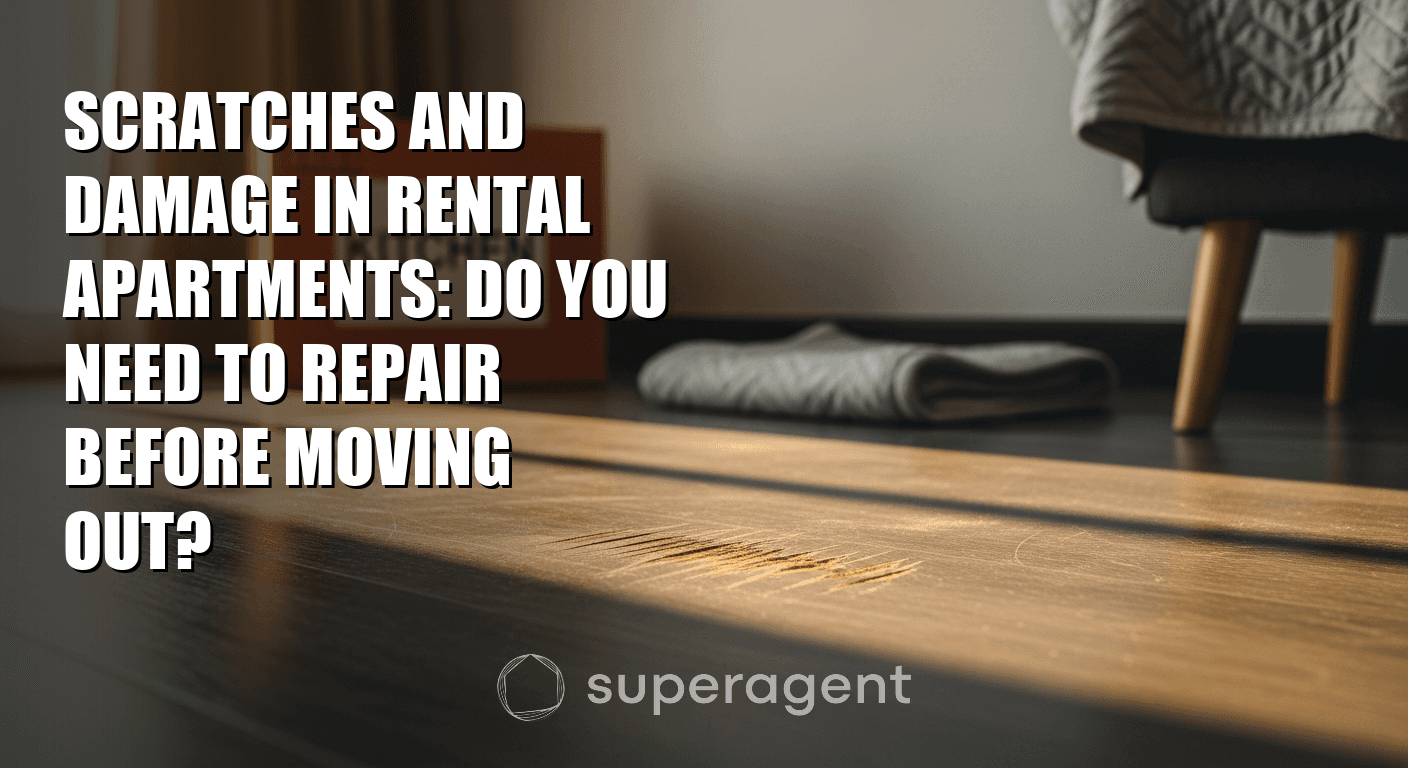
Summary
Learn about scratch damage in rental apartments and whether you must repair them before vacating. Know your tenant rights and landlord responsibilities.
You've just moved into your new condo in Thonglor or Ekkamai, and you spot a scratch on the wall. Or maybe the bedroom door has a dent. Your landlord is already asking about the move-out condition report. The question hits you hard: am I responsible for fixing this before I leave, or is this normal wear and tear?
This is one of the most stressful conversations for renters in Bangkok. And honestly, it gets messy because Thai rental law isn't always clear, and landlord expectations vary wildly depending on whether you're renting a luxury condo in Asok or a smaller building near Bearing BTS.
Let me walk you through what you actually need to know, based on real Bangkok rental situations and Thai tenant law.
What Does Thai Law Actually Say About Damage?
Thailand's Civil and Commercial Code has provisions about renter liability, but they're more general than you'd hope. Section 533 states that a tenant must return the property in good condition, except for normal wear and tear. Sounds simple, right? The problem is nobody agrees on what "normal wear and tear" means.
A small scratch from hanging a picture? That's wear and tear. A hole where a nail has been? Also wear and tear. But a deep gouge in the wall from dragging furniture, or a broken door handle? That's something else entirely, and you could be responsible.
The real protection you have is your deposit. In Bangkok, most rentals require one to three months' deposit, usually held by the landlord or property management. By law, they're supposed to return it within 15 days of you moving out, minus any legitimate damage costs. But enforcement is inconsistent, and many people never see a detailed damage itemization.
Here's the practical advice from people who rent in Bangkok: document everything in writing with your landlord on move-in day. Take photos. Send a Line message confirming what damage already exists. This protects you both.
Minor Scratches, Scuffs, and Small Wall Marks
If you're renting a 25,000 to 35,000 THB per month one-bedroom in mid-range condos around Promphong or Nana, minor cosmetic issues are almost always the landlord's responsibility. This includes light scratches on paint, small scuffs from moving furniture, nail holes from hanging pictures, or minor door marks.
One person renting a 32,000 THB unit on Soi 26 Thonglor had the landlord deduct 8,000 THB from the deposit for "wall damage" when moving out. The damage? Three nail holes where she'd hung shelves. She lost that money because she hadn't documented the original condition on day one.
These kinds of repairs cost landlords maybe 500 to 1,500 THB to fix with a painter. If they're charging you for it, they're either being unreasonable or you didn't document the original condition properly. Going forward, take phone video of every room on move-in day while narrating what you see. Send the landlord a message with photos.
Don't repair minor scratches yourself unless the landlord explicitly asks you to. You might do a worse job and end up more liable.
Moderate Damage: Dents, Broken Fixtures, and Damaged Doors
This is where things get genuinely complicated. A dent in a metal door frame from someone bumping it? That might be wear and tear if it's minor. But a damaged door lock, a cracked bathroom mirror, or a broken sliding glass balcony door? You're probably responsible.
Let's say you're renting a modern 1-bedroom in a mid-range building near Bearing BTS for 28,000 THB monthly, and the air conditioning remote stops working three months in. Is that your fault? Not unless you dropped it or deliberately broke it. But if you've got a crack in the unit's plastic casing and you caused it, yes, that's on you.
Replacing a wall-mounted TV bracket, fixing a broken coat hook, or repairing a damaged wooden door usually costs between 1,500 and 5,000 THB depending on what needs fixing. If you caused the damage, most landlords will ask you to repair it. Some will deduct from your deposit. Some will ask you to handle it directly before you move out.
The key question is always: would this have broken with normal, careful use? If the answer is no, and you caused it, get it fixed. If you're unsure, be honest with the landlord immediately rather than hiding it. Buildings near Thonglor and Asok tend to have stricter landlords who document everything meticulously. Smaller buildings in quieter areas are often more flexible.
Major Damage: When You're Definitely on the Hook
Large holes in walls, serious water damage, broken windows, damaged flooring, or broken appliances that you directly caused? Yes, you need to pay for repairs or the landlord will take it from your deposit.
Imagine you're renting a 40,000 THB unit in a premium building near Ekkamai BTS and you or a guest accidentally breaks the built-in bookshelf by leaning furniture against it wrong. Or water from your washing machine leaks and damages the floor. These aren't minor cosmetic issues. Repairs could easily run 5,000 to 25,000 THB depending on what needs fixing.
In these situations, you don't really have a choice. The landlord will document it, get repair quotes, and either ask you to pay directly or deduct from your deposit. If you have renters insurance, this is where it might help, though most renters in Bangkok don't carry it.
If the damage is major and you know it's your responsibility, talk to the landlord before move-out day. Get repair quotes together. Some landlords will accept partial payment or let you handle the repair yourself if you use a qualified contractor. Others will just deduct everything from your deposit. Being transparent and proactive looks better than fighting about it after the fact.
The Deposit: Your Last Line of Defense
Your deposit is technically not the landlord's to use for general maintenance. It's specifically for damage beyond normal wear and tear. But because damage assessment is subjective, deposits become the battleground for every rental disagreement in Bangkok.
According to data from rental platforms covering Bangkok properties, roughly 40 percent of renters report some deposit disputes when moving out. Most of these involve disagreements about what counts as damage the tenant should pay for.
Here's what actually protects you. First, photograph every room with the date stamp visible, on move-in day. Second, get the landlord to sign a written inventory of damage or condition, even a simple one. Third, keep all communications about damage in writing, through Line or email. And fourth, follow up after move-out in writing asking for itemized deductions if the landlord wants to keep part of your deposit.
If a landlord tries to keep your deposit without explaining why, you can file a complaint with the local district office or pursue it through the courts. But honestly, going to court over 10,000 to 15,000 THB is exhausting and impractical for most renters. Prevention through documentation is much better.
Who Pays for What: A Quick Reference
- Nail holes, small scuffs, light paint marks: No, normal wear and tear | 500 to 1,500 THB | Document on move-in day with photos
- Broken door handle, cabinet latch, coat hook: Maybe, depends on cause | 800 to 3,000 THB | Landlord approval before fixing yourself
- Large wall damage, broken tile, water damage: Yes, if you caused it | 3,000 to 15,000 THB | Report immediately and handle repair quickly
- Broken window, major appliance damage, broken glass door: Yes, definitely | 5,000 to 30,000 THB | Contact landlord same day, get written quotes
Should You Fix It Before Moving Out?
Generally, no. Unless the landlord specifically asks you to repair something before your lease ends, don't do it. Here's why: if you repair it badly, you might make it worse and end up more liable. If you repair it well, some landlords will still argue the repair didn't meet their standards and deduct anyway.
Your job is to leave the unit in clean condition with no damage you caused. The landlord's job is to handle normal maintenance and repairs. If there's damage you're responsible for, let the landlord get quotes and do the repair themselves, or pay them directly if they ask. That way there's a paper trail and professional work.
The only exception is if you're moving out on good terms with a landlord you trust, and they specifically say, "Hey, just get this one thing fixed before you go, it'll save us both hassle." In that case, use a reputable contractor and get a receipt.
Real Talk: Prevention Is Everything
The best strategy is not to cause damage in the first place. This means not hanging heavy furniture against walls without using proper anchors. It means protecting high-traffic corners with guards if you have kids or pets. It means being careful about water damage near bathrooms and kitchens. It means using furniture pads under chair legs and being thoughtful about moving appliances.
Most importantly, it means treating your rental like someone else's property, because it is. You're paying to use it, not to own it. That mindset keeps you out of deposit disputes.
When you do move out, leave the unit cleaner and in better condition than you found it if possible. Landlords remember renters who are respectful and low-stress. That reputation matters in the Bangkok rental market, especially if you want a good reference for your next place or want to stay longer without lease drama.
If you're getting ready to rent a condo in Bangkok and want to understand exactly what condition it's in before signing a lease, tools like DDproperty let you search listings with detailed property photos and descriptions. And when it comes time to document your move-in condition, take your time. It's the single most valuable insurance policy you have.
Finding the right rental with clear landlord communication is half the battle. Superagent.co connects you with verified properties and landlords who are transparent about condition, maintenance expectations, and deposit terms. Start there, document everything on day one, and you'll avoid these headaches entirely.
You've just moved into your new condo in Thonglor or Ekkamai, and you spot a scratch on the wall. Or maybe the bedroom door has a dent. Your landlord is already asking about the move-out condition report. The question hits you hard: am I responsible for fixing this before I leave, or is this normal wear and tear?
This is one of the most stressful conversations for renters in Bangkok. And honestly, it gets messy because Thai rental law isn't always clear, and landlord expectations vary wildly depending on whether you're renting a luxury condo in Asok or a smaller building near Bearing BTS.
Let me walk you through what you actually need to know, based on real Bangkok rental situations and Thai tenant law.
What Does Thai Law Actually Say About Damage?
Thailand's Civil and Commercial Code has provisions about renter liability, but they're more general than you'd hope. Section 533 states that a tenant must return the property in good condition, except for normal wear and tear. Sounds simple, right? The problem is nobody agrees on what "normal wear and tear" means.
A small scratch from hanging a picture? That's wear and tear. A hole where a nail has been? Also wear and tear. But a deep gouge in the wall from dragging furniture, or a broken door handle? That's something else entirely, and you could be responsible.
The real protection you have is your deposit. In Bangkok, most rentals require one to three months' deposit, usually held by the landlord or property management. By law, they're supposed to return it within 15 days of you moving out, minus any legitimate damage costs. But enforcement is inconsistent, and many people never see a detailed damage itemization.
Here's the practical advice from people who rent in Bangkok: document everything in writing with your landlord on move-in day. Take photos. Send a Line message confirming what damage already exists. This protects you both.
Minor Scratches, Scuffs, and Small Wall Marks
If you're renting a 25,000 to 35,000 THB per month one-bedroom in mid-range condos around Promphong or Nana, minor cosmetic issues are almost always the landlord's responsibility. This includes light scratches on paint, small scuffs from moving furniture, nail holes from hanging pictures, or minor door marks.
Continue reading after that.
Looking for a condo
to rent?
Leave your name and phone. We'll follow up while you keep reading.
100% Secure
Fast Response
Free Consultation
One person renting a 32,000 THB unit on Soi 26 Thonglor had the landlord deduct 8,000 THB from the deposit for "wall damage" when moving out. The damage? Three nail holes where she'd hung shelves. She lost that money because she hadn't documented the original condition on day one.
These kinds of repairs cost landlords maybe 500 to 1,500 THB to fix with a painter. If they're charging you for it, they're either being unreasonable or you didn't document the original condition properly. Going forward, take phone video of every room on move-in day while narrating what you see. Send the landlord a message with photos.
Don't repair minor scratches yourself unless the landlord explicitly asks you to. You might do a worse job and end up more liable.
Moderate Damage: Dents, Broken Fixtures, and Damaged Doors
This is where things get genuinely complicated. A dent in a metal door frame from someone bumping it? That might be wear and tear if it's minor. But a damaged door lock, a cracked bathroom mirror, or a broken sliding glass balcony door? You're probably responsible.
Let's say you're renting a modern 1-bedroom in a mid-range building near Bearing BTS for 28,000 THB monthly, and the air conditioning remote stops working three months in. Is that your fault? Not unless you dropped it or deliberately broke it. But if you've got a crack in the unit's plastic casing and you caused it, yes, that's on you.
Replacing a wall-mounted TV bracket, fixing a broken coat hook, or repairing a damaged wooden door usually costs between 1,500 and 5,000 THB depending on what needs fixing. If you caused the damage, most landlords will ask you to repair it. Some will deduct from your deposit. Some will ask you to handle it directly before you move out.
The key question is always: would this have broken with normal, careful use? If the answer is no, and you caused it, get it fixed. If you're unsure, be honest with the landlord immediately rather than hiding it. Buildings near Thonglor and Asok tend to have stricter landlords who document everything meticulously. Smaller buildings in quieter areas are often more flexible.
Major Damage: When You're Definitely on the Hook
Large holes in walls, serious water damage, broken windows, damaged flooring, or broken appliances that you directly caused? Yes, you need to pay for repairs or the landlord will take it from your deposit.
Imagine you're renting a 40,000 THB unit in a premium building near Ekkamai BTS and you or a guest accidentally breaks the built-in bookshelf by leaning furniture against it wrong. Or water from your washing machine leaks and damages the floor. These aren't minor cosmetic issues. Repairs could easily run 5,000 to 25,000 THB depending on what needs fixing.
In these situations, you don't really have a choice. The landlord will document it, get repair quotes, and either ask you to pay directly or deduct from your deposit. If you have renters insurance, this is where it might help, though most renters in Bangkok don't carry it.
If the damage is major and you know it's your responsibility, talk to the landlord before move-out day. Get repair quotes together. Some landlords will accept partial payment or let you handle the repair yourself if you use a qualified contractor. Others will just deduct everything from your deposit. Being transparent and proactive looks better than fighting about it after the fact.
The Deposit: Your Last Line of Defense
Your deposit is technically not the landlord's to use for general maintenance. It's specifically for damage beyond normal wear and tear. But because damage assessment is subjective, deposits become the battleground for every rental disagreement in Bangkok.
According to data from rental platforms covering Bangkok properties, roughly 40 percent of renters report some deposit disputes when moving out. Most of these involve disagreements about what counts as damage the tenant should pay for.
Here's what actually protects you. First, photograph every room with the date stamp visible, on move-in day. Second, get the landlord to sign a written inventory of damage or condition, even a simple one. Third, keep all communications about damage in writing, through Line or email. And fourth, follow up after move-out in writing asking for itemized deductions if the landlord wants to keep part of your deposit.
If a landlord tries to keep your deposit without explaining why, you can file a complaint with the local district office or pursue it through the courts. But honestly, going to court over 10,000 to 15,000 THB is exhausting and impractical for most renters. Prevention through documentation is much better.
Who Pays for What: A Quick Reference
- Nail holes, small scuffs, light paint marks: No, normal wear and tear | 500 to 1,500 THB | Document on move-in day with photos
- Broken door handle, cabinet latch, coat hook: Maybe, depends on cause | 800 to 3,000 THB | Landlord approval before fixing yourself
- Large wall damage, broken tile, water damage: Yes, if you caused it | 3,000 to 15,000 THB | Report immediately and handle repair quickly
- Broken window, major appliance damage, broken glass door: Yes, definitely | 5,000 to 30,000 THB | Contact landlord same day, get written quotes
Should You Fix It Before Moving Out?
Generally, no. Unless the landlord specifically asks you to repair something before your lease ends, don't do it. Here's why: if you repair it badly, you might make it worse and end up more liable. If you repair it well, some landlords will still argue the repair didn't meet their standards and deduct anyway.
Continue reading after that.
Looking for a condo
to rent?
Leave your name and phone. We'll follow up while you keep reading.
100% Secure
Fast Response
Free Consultation
Your job is to leave the unit in clean condition with no damage you caused. The landlord's job is to handle normal maintenance and repairs. If there's damage you're responsible for, let the landlord get quotes and do the repair themselves, or pay them directly if they ask. That way there's a paper trail and professional work.
The only exception is if you're moving out on good terms with a landlord you trust, and they specifically say, "Hey, just get this one thing fixed before you go, it'll save us both hassle." In that case, use a reputable contractor and get a receipt.
Real Talk: Prevention Is Everything
The best strategy is not to cause damage in the first place. This means not hanging heavy furniture against walls without using proper anchors. It means protecting high-traffic corners with guards if you have kids or pets. It means being careful about water damage near bathrooms and kitchens. It means using furniture pads under chair legs and being thoughtful about moving appliances.
Most importantly, it means treating your rental like someone else's property, because it is. You're paying to use it, not to own it. That mindset keeps you out of deposit disputes.
When you do move out, leave the unit cleaner and in better condition than you found it if possible. Landlords remember renters who are respectful and low-stress. That reputation matters in the Bangkok rental market, especially if you want a good reference for your next place or want to stay longer without lease drama.
If you're getting ready to rent a condo in Bangkok and want to understand exactly what condition it's in before signing a lease, tools like DDproperty let you search listings with detailed property photos and descriptions. And when it comes time to document your move-in condition, take your time. It's the single most valuable insurance policy you have.
Finding the right rental with clear landlord communication is half the battle. Superagent.co connects you with verified properties and landlords who are transparent about condition, maintenance expectations, and deposit terms. Start there, document everything on day one, and you'll avoid these headaches entirely.
Share this article
Properties you may like
![[For Rent] CONDO I Park Origin 24 I 2 Beds I 1 Baths I 48,000THB/mo](/_next/image?url=https%3A%2F%2Fstorage.googleapis.com%2Fsuperagent-web%2Fattachments%2Flistings%2F6890%2Ffb28cb5c-9a1b-424b-9b52-b844aeba7bf2-1291-1.jpg&w=3840&q=75)
฿48,000
2 Bed152.1 sqm
[For Rent] CONDO I Park Origin 24 I 2 Beds I 1 Baths I 48,000THB/mo
Phrom Phong
Condo![[For Rent] CONDO I Grand Parkview Asoke I 2 Beds I 1 Bath I 35,000THB/mo](/_next/image?url=https%3A%2F%2Fstorage.googleapis.com%2Fsuperagent-web%2Fattachments%2Flistings%2F6889%2F9cb3631b-7a06-4438-9425-a5c78df563d4-1303-1.jpg&w=3840&q=75)
฿35,000
2 Bed168.4 sqm
[For Rent] CONDO I Grand Parkview Asoke I 2 Beds I 1 Bath I 35,000THB/mo
Asoke
Condo![[For Rent] CONDO I Culture Thonglor I 1 Bed I 1 Bath I 22,000THB/mo](/_next/image?url=https%3A%2F%2Fstorage.googleapis.com%2Fsuperagent-web%2Fattachments%2Flistings%2F2271%2Fcb90f802-330c-49a2-a142-2e33a8127032-culture_thonglor_for_rent_02.jpg&w=3840&q=75)
฿22,000
1 Bed126 sqm
[For Rent] CONDO I Culture Thonglor I 1 Bed I 1 Bath I 22,000THB/mo
Thonglor
Condo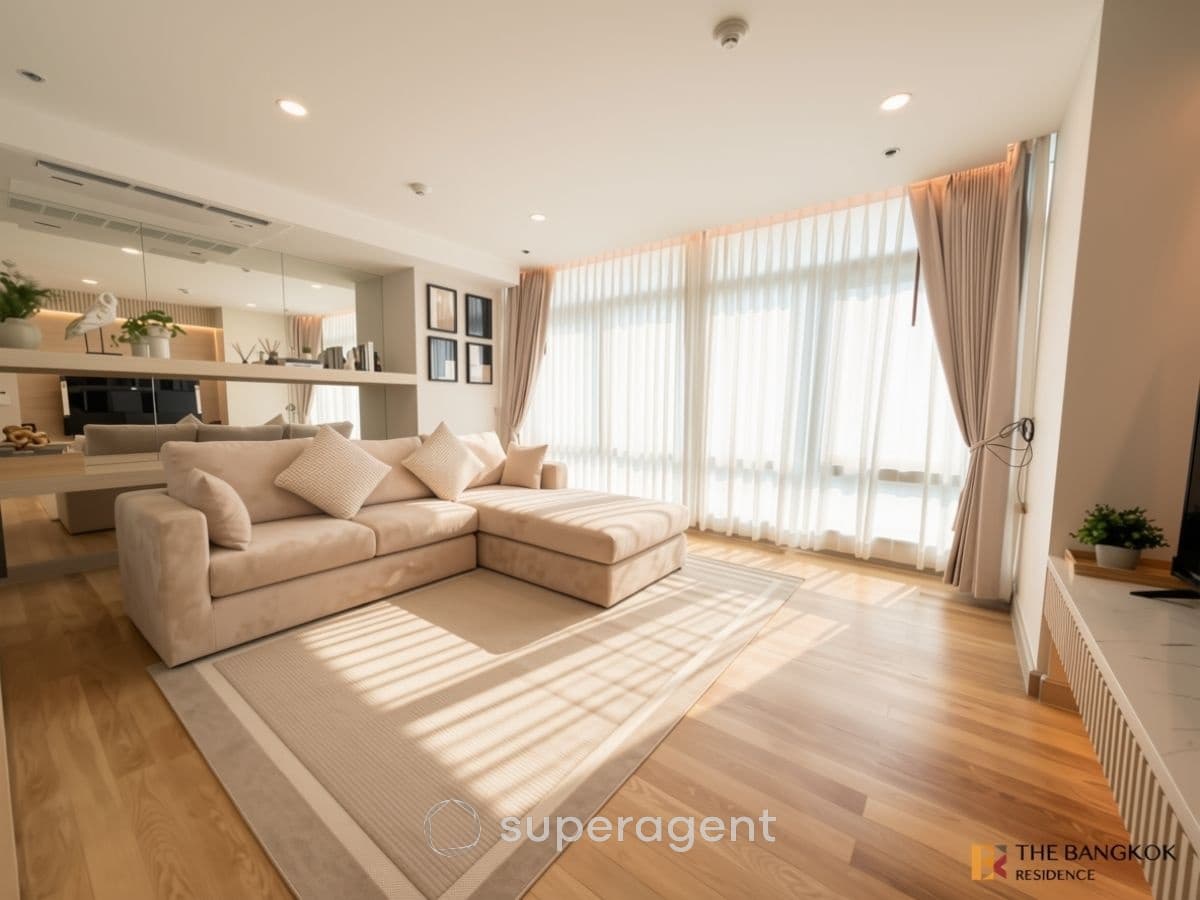
฿120,000
3 Bed3165 sqm
The Height Thonglor, 3BR 165 sq.m. 120K Show Unit Feel, Great Price, Rare Item in the Heart of Thonglor, Near BTS Thonglo
Condo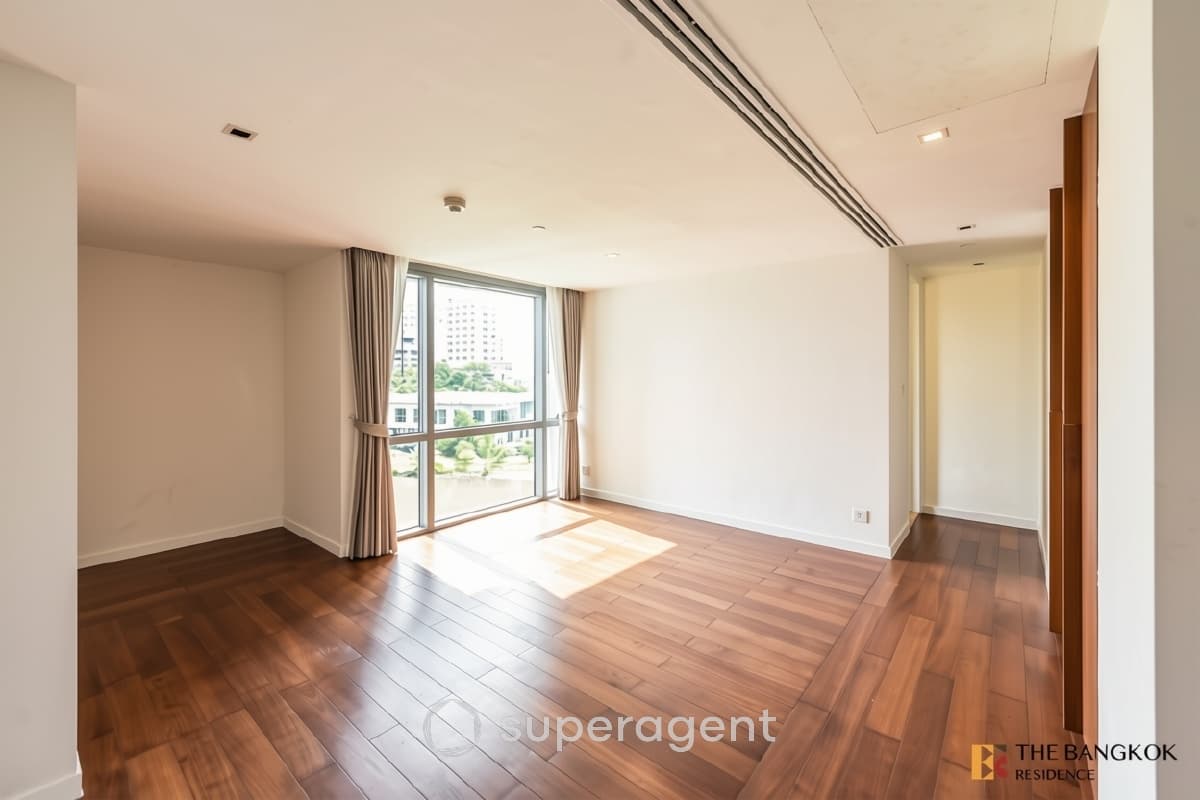
฿180,000
3 Bed4453 sqm
The Pano, 3BR 453sq.m. 180K Spacious Unit, Stunning Views
Condo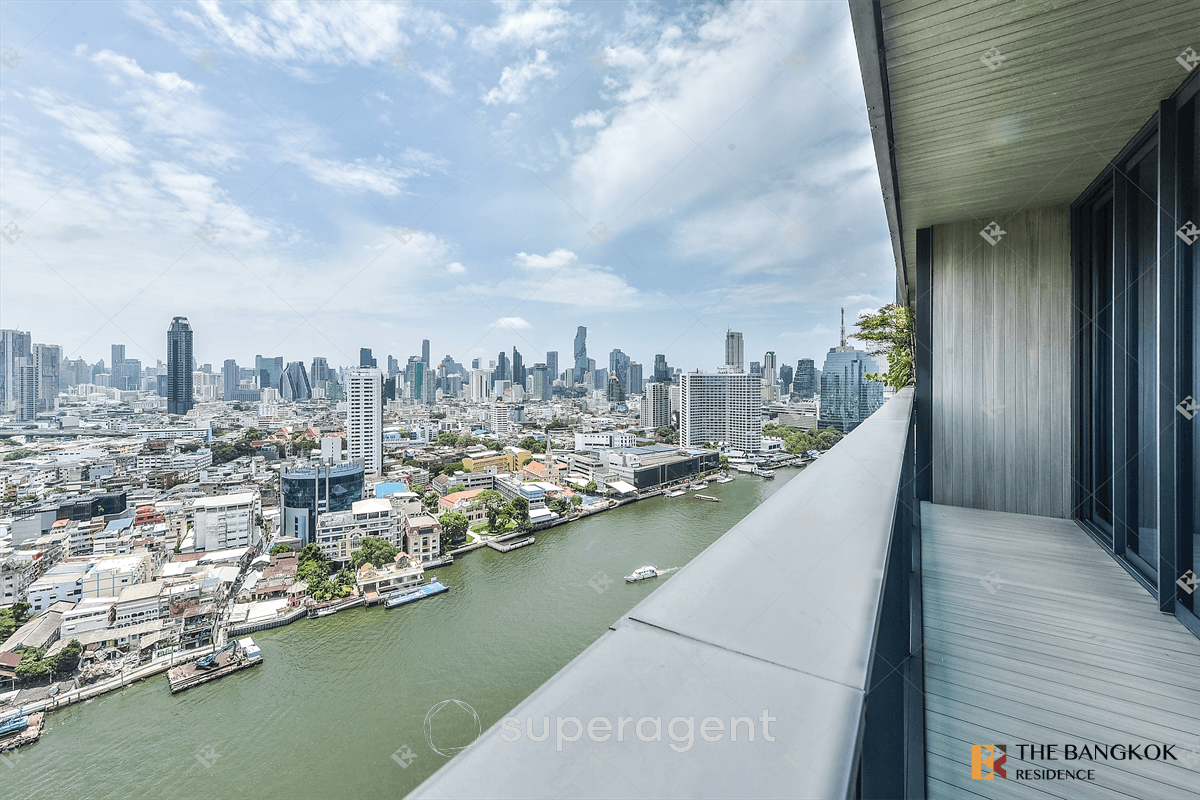
฿190,000
2 Bed2178.3 sqm
Banyan Tree Residence Riverside Bangkok, 2BR 178.34 sq.m. 190K Beautiful Fully Furnished Unit, Near BTS Saphan Taksin
Charoen Nakhon
Condo
฿59,000
1 Bed155.8 sqm
The Bangkok Thonglor, 1BR 55.8 sq.m. 59K, Premium High Floor Unit, Near BTS Thonglo
Thonglor
Condo![[For Rent] CONDO I Culture Chula I Duplex I 1 Bed I 1 Bath I 35,000THB/mo](/_next/image?url=https%3A%2F%2Fstorage.googleapis.com%2Fsuperagent-web%2Fattachments%2Flistings%2F6760%2F8deaff98-ecb1-4c62-b9be-aecac2f65797-1140-1.jpg&w=3840&q=75)
฿35,000
1 Bed138 sqm
[For Rent] CONDO I Culture Chula I Duplex I 1 Bed I 1 Bath I 35,000THB/mo
Siam
Condo![[For Rent] CONDO I Ideo Chula Samyan I 1 Bed I 1 Bath I 30,000THB/mo](/_next/image?url=https%3A%2F%2Fstorage.googleapis.com%2Fsuperagent-web%2Fattachments%2Flistings%2F6872%2Ff9ab570c-e4ca-41d6-90ee-a8e581218438-1271-8.jpg&w=3840&q=75)
฿30,000
1 Bed135 sqm
[For Rent] CONDO I Ideo Chula Samyan I 1 Bed I 1 Bath I 30,000THB/mo
Siam
Condo![[For Rent] TOWNHOME I Quarter 31 I 4 Beds I 5 Baths I 280,000THB/mo](/_next/image?url=https%3A%2F%2Fstorage.googleapis.com%2Fsuperagent-web%2Fattachments%2Flistings%2F1724%2Fb24f7c3a-8acd-49e4-ae85-6a31498207e4-600-2.jpg&w=3840&q=75)
฿280,000
4 Bed5425 sqm
[For Rent] TOWNHOME I Quarter 31 I 4 Beds I 5 Baths I 280,000THB/mo
Phrom Phong
CondoMore like this
 In Guides · Superagent EditorialHidden Costs of Renting a Condo in Bangkok Nobody Warns You AboutBangkok condo rent looks affordable until month one hits. Here are the real costs beyond the headline figure that catch most renters off guard.25 May 20261 min read
 In Guides · Superagent EditorialWhat a Long-Vacant Bangkok Condo Unit Is Actually Telling YouA Bangkok condo vacant for months signals overpricing, landlord issues, or real problems. Here is how to read the signs.25 May 20261 min read
 In Guides · Superagent EditorialRed Flags in a Bangkok Rental Contract to Watch Out ForBangkok rental contracts often hide risky clauses. Here are the red flags every tenant must catch before signing any lease.25 May 20261 min read
 In Guides · Superagent EditorialWorking Online from a Condo: How to Choose the Perfect Room for ProductivityLearn how to choose the best condo room for working online with tips on lighting, noise, and furniture setup to maximize productivity.9 May 20261 min read