Thailand Condo Rental Laws: What Tenants and Owners Must Know
Guides
Thailand Condo Rental Laws: What Tenants and Owners Must Know
Master the essential legal requirements for renting condos in Thailand
Summary
ข้อกฎหมายเช่าคอนโดไทย covers tenant rights, owner responsibilities, and lease agreements. Learn what both parties must understand before signing a Bangkok
If you're renting a condo in Bangkok, or thinking about becoming a landlord, you're probably wondering what the actual rules are. Thailand's rental laws aren't as straightforward as many countries, and a lot of misinformation floats around in expat groups and LINE chats. The good news? Once you understand the basics, you can rent or lease with real confidence and protect yourself from costly mistakes.
Whether you're looking at a one-bedroom near BTS Thong Lo or a three-bedroom in Ari, the legal framework is the same. This guide walks you through what Bangkok renters and owners actually need to know, based on real rental situations happening right now in the market.
Thai Rental Law Starts with the Civil and Commercial Code
Thailand doesn't have a separate "condo rental law." Instead, all rental agreements fall under the Civil and Commercial Code, specifically Section 548 to 563. This is the legal backbone for any lease in Thailand, whether you're renting a studio in Ekkamai or a penthouse on Sukhumvit.
The code says you and your landlord can agree on the rental terms, including price, duration, and payment schedule. But there are some non-negotiable rules the code imposes, whether you like it or not. For example, a landlord can't charge you a "key money" deposit that exceeds three months' rent, even if they try to sneak it in as something else.
One critical thing: a rental agreement doesn't have to be in writing to be legal in Thailand. A handshake or a LINE message exchange counts. But in practice, you absolutely should get everything in writing. I've seen expats lose 50,000 THB because they trusted a verbal agreement with a condo owner near Phrom Phong. Don't be that person.
What Your Landlord Can and Cannot Legally Do
Landlords have rights in Thailand, but they're more limited than many owners realize. Under Thai law, a landlord cannot enter your unit without permission, except in genuine emergencies (fire, flood, gas leak). If a condo owner is showing up unannounced to "check on things" or inspect your furniture, that's a breach of your rights.
A landlord also can't raise your rent mid-lease. If your one-year contract says 28,000 THB per month for your 1-bedroom near BTS Petchburi, they're locked in at that price. Only when the lease renews can they propose a new rate. Many owners try to slide in "maintenance fee increases" as a workaround. Don't accept these during an active lease. It's illegal.
Here's what surprised me when I first rented: landlords have the right to evict you if you don't pay rent on time. But they must give you written notice and wait a minimum of 30 days before filing a case in court. A landlord can't just change the locks or throw your stuff on the street, no matter what your contract says.
Your Responsibilities as a Tenant and What You Actually Owe
As a renter in Bangkok, you're responsible for paying rent on time and keeping the unit in reasonable condition. Normal wear and tear isn't your liability, but if you punch a hole in the wall or spill wine on the carpet, that's on you. Most condo owners expect deposits between one and two months' rent to cover damages.
You're also responsible for any utilities not included in your rent. If your contract specifies that electricity and water are separate, you're paying those bills directly to the Metropolitan Electricity Authority or the Provincial Waterworks Authority. Check your contract carefully. I know a tenant in Silom who thought utilities were included and got hit with a 6,000 THB bill at the end of the month.
Thai law says you must use the unit only for the purpose stated in your lease. If you signed a residential lease, you can't run a business from the unit. Some building management companies are strict about this. I know someone who lost their 30,000 THB security deposit in Nana because they started tutoring students from home, which technically violated the clause.
Lease Registration and the Land Department
Here's where a lot of people get confused: in Thailand, you can register your rental agreement with the Land Department (Department of Lands). This costs about 50 to 100 THB in stamp duty and creates an official record. It's not required, but it's smart protection.
If you register your lease with the Land Department, you get legal proof of occupancy that's hard to dispute. This matters if your landlord tries to claim you never had a lease, or if there's a property dispute. For long-term rentals over two years, registration is especially valuable. You'll need your passport, the signed lease agreement, and the landlord's ID card at any Land Department office.
The Land Department website, available at dol.go.th, has more details on the process in Thai. Most Bangkok expats don't bother with registration for one-year leases, but I'd recommend it for anything longer.
Tax Obligations for Landlords and What Tenants Should Know
Landlords are legally required to pay income tax on rental income to the Thai Revenue Department. The tax rate depends on income level, but it's typically 5 to 10 percent. Some landlords skirt this rule, but it's technically illegal and risky for them.
Why should you care? Because a landlord who's honest about taxes is more reliable and less likely to have legal problems that could affect your tenancy. When you're evaluating whether to sign with a condo owner versus a property management company, legitimacy matters. A property management company in Ekkamai or Ploenchit will be fully tax-registered. A private owner might cut corners.
If you're a foreigner renting long-term, you might face questions from Thai immigration about your source of income. Having proof of rental payments (bank transfers, receipts) helps with your TM.30 registration. The Immigration Bureau requires proof of residence, and a formal lease makes that process smoother.
Condominiums and Building Regulations Add Extra Rules
When you rent a condo unit, you're also subject to the Condominium Act. This is separate from the rental law. The Condominium Act requires that building rules, set by the Juristic Person (the condo's management), apply to all residents, owners and renters alike.
So if the Juristic Person says no pets without written permission, that applies to you. If they enforce a 10 PM quiet hours rule, you're bound by it. Many international buildings in Bangkok near BTS Asoke or Sukhumvit 39 have strict rules about guest screening, noise, and balcony usage. Read these rules before you sign. Some expats have been forced out for violating them, even with a valid rental contract.
Rent a unit where the Juristic Person manages things professionally. If the building is run by absentee owners with no formal management, enforcement becomes murky and you lose protection. Property management companies like those handling buildings near Thong Lo or Prom Phong offer more stability and transparency.
Common Issues and How Thai Law Handles Them
- Landlord wants to evict you before lease ends: You have the right to stay until contract expires, unless you've breached the terms vs Get the eviction notice in writing and consult a Thai lawyer. It must go through court.
- Damage in common areas affects your unit (pipe burst, roof leak): The Juristic Person is responsible for structural and common area repairs vs File a written complaint with building management and the Juristic Person within 30 days
- Landlord tries to keep your security deposit without cause: You can sue for return of deposit plus penalties under Thai Civil Code vs Demand written explanation of deductions. Get independent contractor quotes for claimed damage.
- Rent payment disputes or late payment threats: You have 30 days from notice before eviction can be filed in court vs Pay via bank transfer to create proof of payment. Keep receipts and screenshots.
- Building condo fees increase mid-lease: Building fees are separate from rent and can technically be adjusted vs Clarify in your lease what's included and what can change. Negotiate caps on increases.
Most of these issues happen because something wasn't clear in the original contract. The biggest problem I see in Bangkok's rental market is loose language around what happens when the lease ends. Does the deposit come back automatically? How many days notice do you need to give? What about damages? Spell all of this out before you sign.
Practical Steps to Protect Yourself Right Now
Get a detailed lease agreement in English and Thai. If your landlord doesn't have one, write one yourself or use a template from a Thai lawyer's office. The cost is 2,000 to 5,000 THB and it's the best insurance you'll buy. Include the exact rent amount, due date, what's included, who pays utilities, notice period for move-out, damage policy, and the landlord's obligations for repairs.
Pay rent by bank transfer, not cash. This creates a paper trail that protects you both. If there's ever a dispute about payment, you have proof. Save all bank statements and landlord's receipts for at least one year after the lease ends.
Take photos of the unit's condition on move-in day. Compare them with photos on move-out day. This is your documentation if the landlord claims you caused damage you didn't. Walk through with the landlord, document everything in writing, and both sign off on the condition. This simple step has saved more than one renter their security deposit.
Read the Condominium Act rules and building regulations before signing. If something in the rules conflicts with your lease, get clarification in writing from both the Juristic Person and the landlord. Buildings near BTS Chit Lom and Ratchadamri have strict rules about unregistered guests, for example. Know what you're agreeing to.
For long-term stays (over two years), register your lease at the Land Department. It's cheap and creates legal evidence of your residency that stands up in any dispute.
The rental market in Bangkok moves fast, with average one-bedroom units in popular areas like Thong Lo, Ekkamai, and Ploenchit ranging from 25,000 to 40,000 THB per month depending on condition and amenities. Your legal protection matters just as much as finding the right price. Understanding these rules means you can negotiate confidently and know exactly what you're protected against.
When you're ready to find your next condo in Bangkok, make sure your lease is airtight before you move in a single box. Check Superagent.co for verified listings from landlords who understand the legal framework and respect tenant rights. You'll rent smarter when you know the law.
If you're renting a condo in Bangkok, or thinking about becoming a landlord, you're probably wondering what the actual rules are. Thailand's rental laws aren't as straightforward as many countries, and a lot of misinformation floats around in expat groups and LINE chats. The good news? Once you understand the basics, you can rent or lease with real confidence and protect yourself from costly mistakes.
Whether you're looking at a one-bedroom near BTS Thong Lo or a three-bedroom in Ari, the legal framework is the same. This guide walks you through what Bangkok renters and owners actually need to know, based on real rental situations happening right now in the market.
Thai Rental Law Starts with the Civil and Commercial Code
Thailand doesn't have a separate "condo rental law." Instead, all rental agreements fall under the Civil and Commercial Code, specifically Section 548 to 563. This is the legal backbone for any lease in Thailand, whether you're renting a studio in Ekkamai or a penthouse on Sukhumvit.
The code says you and your landlord can agree on the rental terms, including price, duration, and payment schedule. But there are some non-negotiable rules the code imposes, whether you like it or not. For example, a landlord can't charge you a "key money" deposit that exceeds three months' rent, even if they try to sneak it in as something else.
One critical thing: a rental agreement doesn't have to be in writing to be legal in Thailand. A handshake or a LINE message exchange counts. But in practice, you absolutely should get everything in writing. I've seen expats lose 50,000 THB because they trusted a verbal agreement with a condo owner near Phrom Phong. Don't be that person.
What Your Landlord Can and Cannot Legally Do
Landlords have rights in Thailand, but they're more limited than many owners realize. Under Thai law, a landlord cannot enter your unit without permission, except in genuine emergencies (fire, flood, gas leak). If a condo owner is showing up unannounced to "check on things" or inspect your furniture, that's a breach of your rights.
A landlord also can't raise your rent mid-lease. If your one-year contract says 28,000 THB per month for your 1-bedroom near BTS Petchburi, they're locked in at that price. Only when the lease renews can they propose a new rate. Many owners try to slide in "maintenance fee increases" as a workaround. Don't accept these during an active lease. It's illegal.
Continue reading after that.
Looking for a condo
to rent?
Leave your name and phone. We'll follow up while you keep reading.
100% Secure
Fast Response
Free Consultation
Here's what surprised me when I first rented: landlords have the right to evict you if you don't pay rent on time. But they must give you written notice and wait a minimum of 30 days before filing a case in court. A landlord can't just change the locks or throw your stuff on the street, no matter what your contract says.
Your Responsibilities as a Tenant and What You Actually Owe
As a renter in Bangkok, you're responsible for paying rent on time and keeping the unit in reasonable condition. Normal wear and tear isn't your liability, but if you punch a hole in the wall or spill wine on the carpet, that's on you. Most condo owners expect deposits between one and two months' rent to cover damages.
You're also responsible for any utilities not included in your rent. If your contract specifies that electricity and water are separate, you're paying those bills directly to the Metropolitan Electricity Authority or the Provincial Waterworks Authority. Check your contract carefully. I know a tenant in Silom who thought utilities were included and got hit with a 6,000 THB bill at the end of the month.
Thai law says you must use the unit only for the purpose stated in your lease. If you signed a residential lease, you can't run a business from the unit. Some building management companies are strict about this. I know someone who lost their 30,000 THB security deposit in Nana because they started tutoring students from home, which technically violated the clause.
Lease Registration and the Land Department
Here's where a lot of people get confused: in Thailand, you can register your rental agreement with the Land Department (Department of Lands). This costs about 50 to 100 THB in stamp duty and creates an official record. It's not required, but it's smart protection.
If you register your lease with the Land Department, you get legal proof of occupancy that's hard to dispute. This matters if your landlord tries to claim you never had a lease, or if there's a property dispute. For long-term rentals over two years, registration is especially valuable. You'll need your passport, the signed lease agreement, and the landlord's ID card at any Land Department office.
The Land Department website, available at dol.go.th, has more details on the process in Thai. Most Bangkok expats don't bother with registration for one-year leases, but I'd recommend it for anything longer.
Tax Obligations for Landlords and What Tenants Should Know
Landlords are legally required to pay income tax on rental income to the Thai Revenue Department. The tax rate depends on income level, but it's typically 5 to 10 percent. Some landlords skirt this rule, but it's technically illegal and risky for them.
Why should you care? Because a landlord who's honest about taxes is more reliable and less likely to have legal problems that could affect your tenancy. When you're evaluating whether to sign with a condo owner versus a property management company, legitimacy matters. A property management company in Ekkamai or Ploenchit will be fully tax-registered. A private owner might cut corners.
If you're a foreigner renting long-term, you might face questions from Thai immigration about your source of income. Having proof of rental payments (bank transfers, receipts) helps with your TM.30 registration. The Immigration Bureau requires proof of residence, and a formal lease makes that process smoother.
Condominiums and Building Regulations Add Extra Rules
When you rent a condo unit, you're also subject to the Condominium Act. This is separate from the rental law. The Condominium Act requires that building rules, set by the Juristic Person (the condo's management), apply to all residents, owners and renters alike.
So if the Juristic Person says no pets without written permission, that applies to you. If they enforce a 10 PM quiet hours rule, you're bound by it. Many international buildings in Bangkok near BTS Asoke or Sukhumvit 39 have strict rules about guest screening, noise, and balcony usage. Read these rules before you sign. Some expats have been forced out for violating them, even with a valid rental contract.
Rent a unit where the Juristic Person manages things professionally. If the building is run by absentee owners with no formal management, enforcement becomes murky and you lose protection. Property management companies like those handling buildings near Thong Lo or Prom Phong offer more stability and transparency.
Common Issues and How Thai Law Handles Them
- Landlord wants to evict you before lease ends: You have the right to stay until contract expires, unless you've breached the terms vs Get the eviction notice in writing and consult a Thai lawyer. It must go through court.
- Damage in common areas affects your unit (pipe burst, roof leak): The Juristic Person is responsible for structural and common area repairs vs File a written complaint with building management and the Juristic Person within 30 days
- Landlord tries to keep your security deposit without cause: You can sue for return of deposit plus penalties under Thai Civil Code vs Demand written explanation of deductions. Get independent contractor quotes for claimed damage.
- Rent payment disputes or late payment threats: You have 30 days from notice before eviction can be filed in court vs Pay via bank transfer to create proof of payment. Keep receipts and screenshots.
- Building condo fees increase mid-lease: Building fees are separate from rent and can technically be adjusted vs Clarify in your lease what's included and what can change. Negotiate caps on increases.
Most of these issues happen because something wasn't clear in the original contract. The biggest problem I see in Bangkok's rental market is loose language around what happens when the lease ends. Does the deposit come back automatically? How many days notice do you need to give? What about damages? Spell all of this out before you sign.
Continue reading after that.
Looking for a condo
to rent?
Leave your name and phone. We'll follow up while you keep reading.
100% Secure
Fast Response
Free Consultation
Practical Steps to Protect Yourself Right Now
Get a detailed lease agreement in English and Thai. If your landlord doesn't have one, write one yourself or use a template from a Thai lawyer's office. The cost is 2,000 to 5,000 THB and it's the best insurance you'll buy. Include the exact rent amount, due date, what's included, who pays utilities, notice period for move-out, damage policy, and the landlord's obligations for repairs.
Pay rent by bank transfer, not cash. This creates a paper trail that protects you both. If there's ever a dispute about payment, you have proof. Save all bank statements and landlord's receipts for at least one year after the lease ends.
Take photos of the unit's condition on move-in day. Compare them with photos on move-out day. This is your documentation if the landlord claims you caused damage you didn't. Walk through with the landlord, document everything in writing, and both sign off on the condition. This simple step has saved more than one renter their security deposit.
Read the Condominium Act rules and building regulations before signing. If something in the rules conflicts with your lease, get clarification in writing from both the Juristic Person and the landlord. Buildings near BTS Chit Lom and Ratchadamri have strict rules about unregistered guests, for example. Know what you're agreeing to.
For long-term stays (over two years), register your lease at the Land Department. It's cheap and creates legal evidence of your residency that stands up in any dispute.
The rental market in Bangkok moves fast, with average one-bedroom units in popular areas like Thong Lo, Ekkamai, and Ploenchit ranging from 25,000 to 40,000 THB per month depending on condition and amenities. Your legal protection matters just as much as finding the right price. Understanding these rules means you can negotiate confidently and know exactly what you're protected against.
When you're ready to find your next condo in Bangkok, make sure your lease is airtight before you move in a single box. Check Superagent.co for verified listings from landlords who understand the legal framework and respect tenant rights. You'll rent smarter when you know the law.
Share this article
Properties you may like
![[For Rent] CONDO I Park Origin 24 I 2 Beds I 1 Baths I 48,000THB/mo](/_next/image?url=https%3A%2F%2Fstorage.googleapis.com%2Fsuperagent-web%2Fattachments%2Flistings%2F6890%2Ffb28cb5c-9a1b-424b-9b52-b844aeba7bf2-1291-1.jpg&w=3840&q=75)
฿48,000
2 Bed152.1 sqm
[For Rent] CONDO I Park Origin 24 I 2 Beds I 1 Baths I 48,000THB/mo
Phrom Phong
Condo![[For Rent] CONDO I Grand Parkview Asoke I 2 Beds I 1 Bath I 35,000THB/mo](/_next/image?url=https%3A%2F%2Fstorage.googleapis.com%2Fsuperagent-web%2Fattachments%2Flistings%2F6889%2F9cb3631b-7a06-4438-9425-a5c78df563d4-1303-1.jpg&w=3840&q=75)
฿35,000
2 Bed168.4 sqm
[For Rent] CONDO I Grand Parkview Asoke I 2 Beds I 1 Bath I 35,000THB/mo
Asoke
Condo![[For Rent] CONDO I Culture Thonglor I 1 Bed I 1 Bath I 22,000THB/mo](/_next/image?url=https%3A%2F%2Fstorage.googleapis.com%2Fsuperagent-web%2Fattachments%2Flistings%2F2271%2Fcb90f802-330c-49a2-a142-2e33a8127032-culture_thonglor_for_rent_02.jpg&w=3840&q=75)
฿22,000
1 Bed126 sqm
[For Rent] CONDO I Culture Thonglor I 1 Bed I 1 Bath I 22,000THB/mo
Thonglor
Condo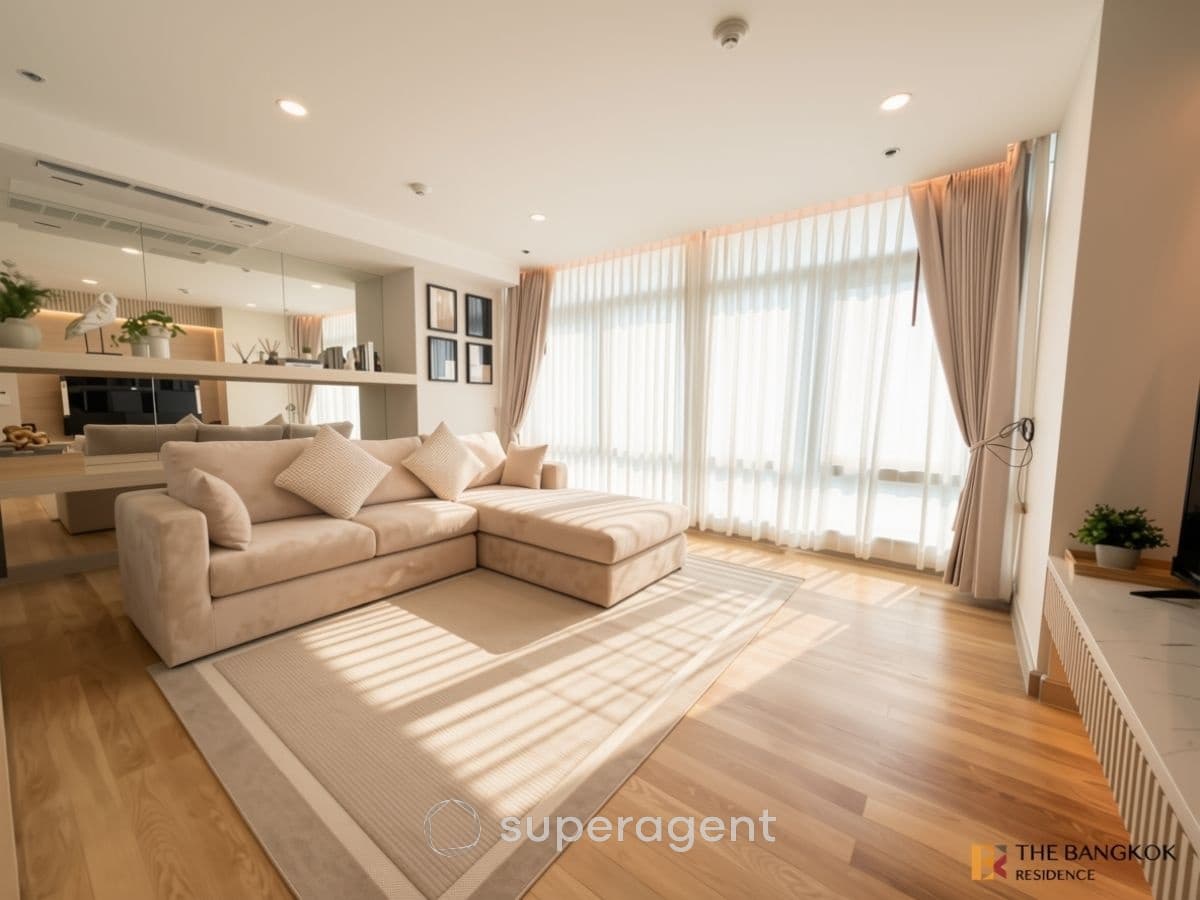
฿120,000
3 Bed3165 sqm
The Height Thonglor, 3BR 165 sq.m. 120K Show Unit Feel, Great Price, Rare Item in the Heart of Thonglor, Near BTS Thonglo
Condo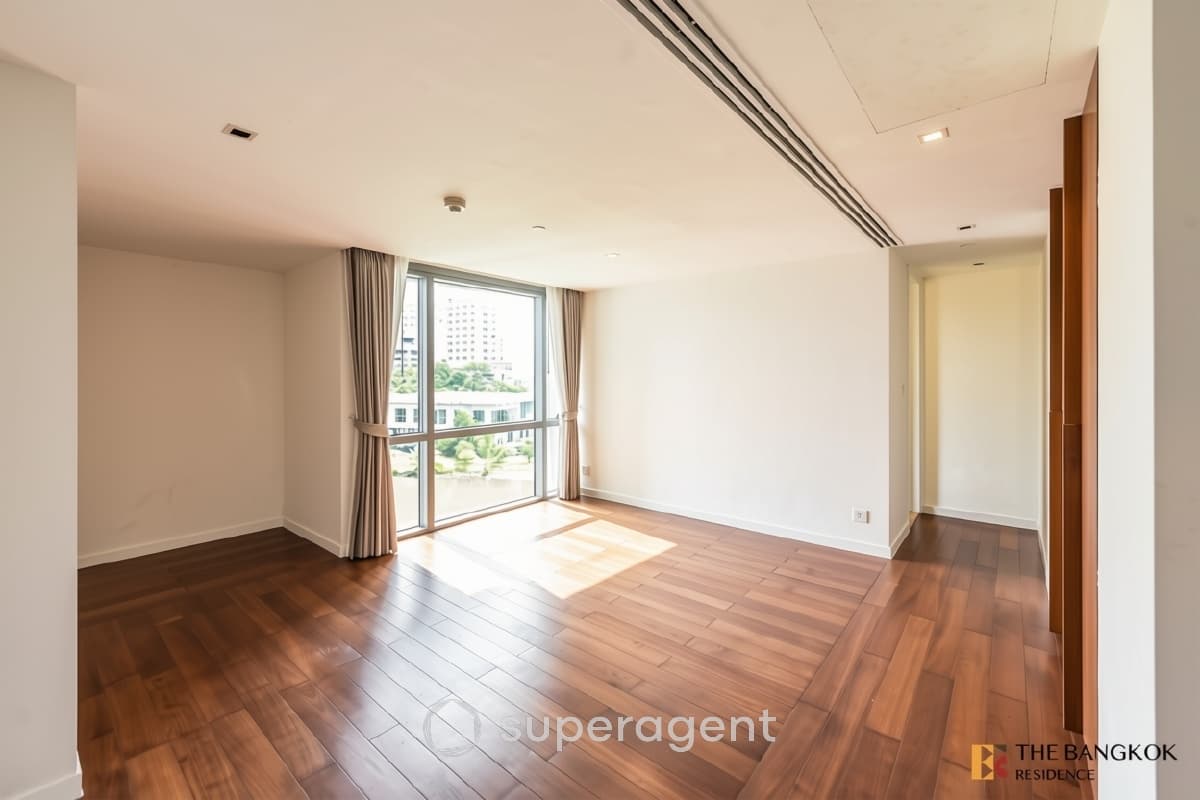
฿180,000
3 Bed4453 sqm
The Pano, 3BR 453sq.m. 180K Spacious Unit, Stunning Views
Condo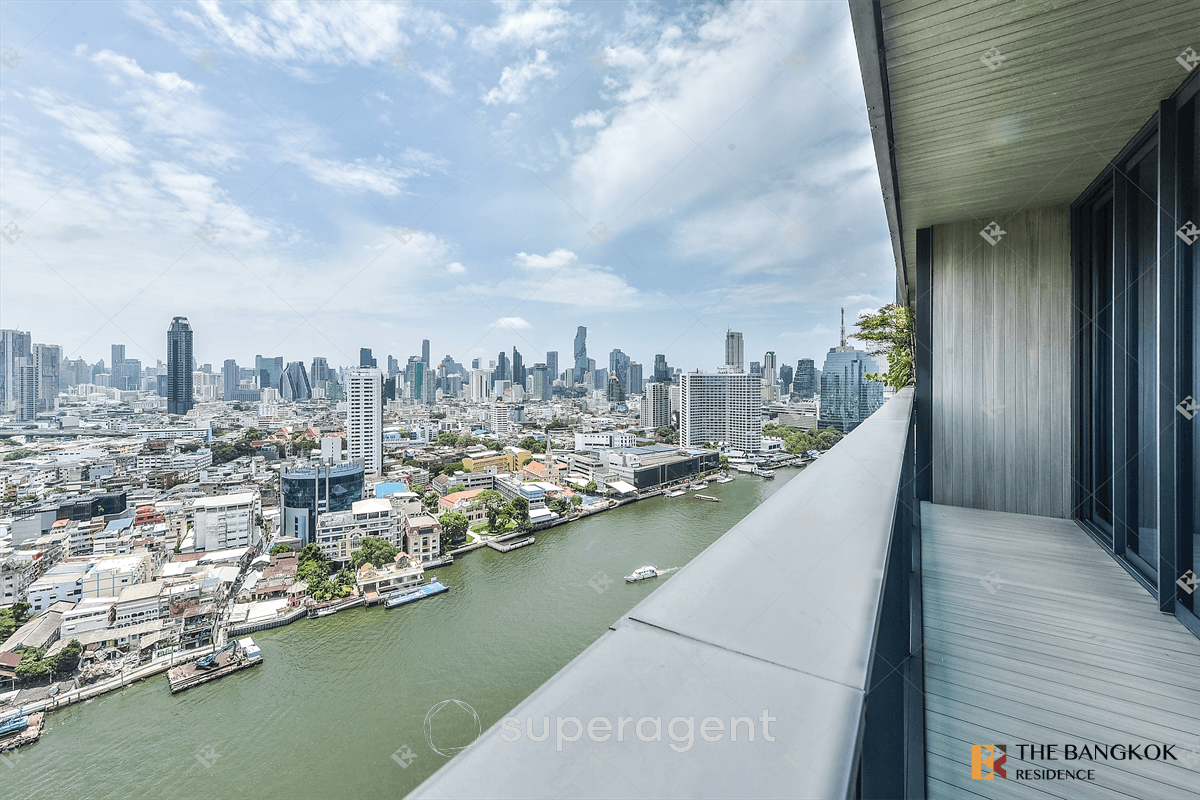
฿190,000
2 Bed2178.3 sqm
Banyan Tree Residence Riverside Bangkok, 2BR 178.34 sq.m. 190K Beautiful Fully Furnished Unit, Near BTS Saphan Taksin
Charoen Nakhon
Condo
฿59,000
1 Bed155.8 sqm
The Bangkok Thonglor, 1BR 55.8 sq.m. 59K, Premium High Floor Unit, Near BTS Thonglo
Thonglor
Condo![[For Rent] CONDO I Culture Chula I Duplex I 1 Bed I 1 Bath I 35,000THB/mo](/_next/image?url=https%3A%2F%2Fstorage.googleapis.com%2Fsuperagent-web%2Fattachments%2Flistings%2F6760%2F8deaff98-ecb1-4c62-b9be-aecac2f65797-1140-1.jpg&w=3840&q=75)
฿35,000
1 Bed138 sqm
[For Rent] CONDO I Culture Chula I Duplex I 1 Bed I 1 Bath I 35,000THB/mo
Siam
Condo![[For Rent] CONDO I Ideo Chula Samyan I 1 Bed I 1 Bath I 30,000THB/mo](/_next/image?url=https%3A%2F%2Fstorage.googleapis.com%2Fsuperagent-web%2Fattachments%2Flistings%2F6872%2Ff9ab570c-e4ca-41d6-90ee-a8e581218438-1271-8.jpg&w=3840&q=75)
฿30,000
1 Bed135 sqm
[For Rent] CONDO I Ideo Chula Samyan I 1 Bed I 1 Bath I 30,000THB/mo
Siam
Condo![[For Rent] TOWNHOME I Quarter 31 I 4 Beds I 5 Baths I 280,000THB/mo](/_next/image?url=https%3A%2F%2Fstorage.googleapis.com%2Fsuperagent-web%2Fattachments%2Flistings%2F1724%2Fb24f7c3a-8acd-49e4-ae85-6a31498207e4-600-2.jpg&w=3840&q=75)
฿280,000
4 Bed5425 sqm
[For Rent] TOWNHOME I Quarter 31 I 4 Beds I 5 Baths I 280,000THB/mo
Phrom Phong
CondoMore like this
 In Guides · Superagent EditorialHidden Costs of Renting a Condo in Bangkok Nobody Warns You AboutBangkok condo rent looks affordable until month one hits. Here are the real costs beyond the headline figure that catch most renters off guard.25 May 20261 min read
 In Guides · Superagent EditorialWhat a Long-Vacant Bangkok Condo Unit Is Actually Telling YouA Bangkok condo vacant for months signals overpricing, landlord issues, or real problems. Here is how to read the signs.25 May 20261 min read
 In Guides · Superagent EditorialRed Flags in a Bangkok Rental Contract to Watch Out ForBangkok rental contracts often hide risky clauses. Here are the red flags every tenant must catch before signing any lease.25 May 20261 min read
 In Guides · Superagent EditorialWorking Online from a Condo: How to Choose the Perfect Room for ProductivityLearn how to choose the best condo room for working online with tips on lighting, noise, and furniture setup to maximize productivity.9 May 20261 min read